
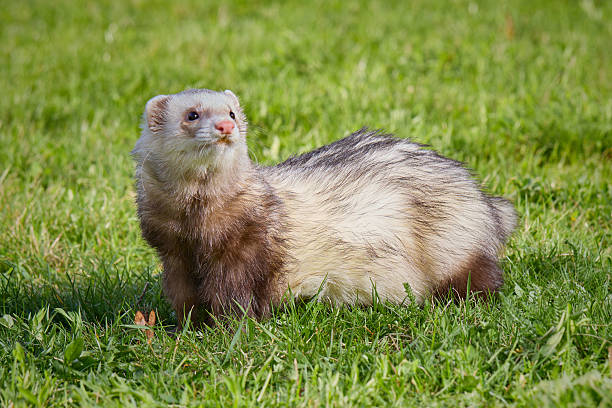
Phaeochromocytoma, also spelled pheochromocytoma, is a rare but potentially life-threatening neuroendocrine tumor originating in the chromaffin cells of the adrenal medulla. While more commonly recognized in humans and occasionally in dogs and cats, this tumor has also been increasingly reported in ferrets (Mustela putorius furo). Though adrenal disease in ferrets is frequently associated with adrenal adenomas or adenocarcinomas of the adrenal cortex—leading to hyperestrogenism or androgen excess—phaeochromocytomas arise from the adrenal medulla and secrete catecholamines, including epinephrine (adrenaline) and norepinephrine. This unregulated secretion can cause severe and episodic elevations in blood pressure, leading to systemic complications.
This comprehensive guide explores phaeochromocytoma in ferrets in depth—covering causes, signs and symptoms, diagnosis, treatment, prognosis, complications, prevention, dietary considerations, and zoonotic implications—with the goal of equipping ferret owners, veterinarians, and researchers with accurate and actionable knowledge.
Anatomy and Physiology: The Adrenal Glands in Ferrets
To understand phaeochromocytoma, it’s essential to appreciate the structure and function of the adrenal glands in ferrets. The adrenal glands are paired, small, bean-shaped organs located cranial to each kidney. Each gland consists of two distinct parts:
- Adrenal Cortex – The outer layer, responsible for producing steroid hormones such as cortisol (glucocorticoids), aldosterone (mineralocorticoids), and sex hormones (androgens/estrogens).
- Adrenal Medulla – The inner portion, derived from neural crest cells, produces catecholamines: primarily epinephrine (adrenaline) and norepinephrine (noradrenaline).
In ferrets, adrenal disease most commonly involves the cortex and leads to conditions like hyperestrogenism, resulting in symmetrical hair loss, vulvar swelling in females, and bone marrow suppression. However, tumors of the adrenal medulla—phaeochromocytomas—are less common and often overlooked. These tumors disrupt catecholamine regulation, causing a cascade of cardiovascular and metabolic disturbances due to chronic or episodic overstimulation of the sympathetic nervous system.
What is Phaeochromocytoma in Ferrets?
Phaeochromocytoma is defined as a neoplasm (usually benign but sometimes malignant) of the chromaffin cells in the adrenal medulla. These cells are responsible for synthesizing and releasing catecholamines in response to stress, hypoglycemia, or sympathetic stimulation. When transformed into tumor cells, they secrete excessive and often unregulated amounts of catecholamines, leading to persistent or paroxysmal (sudden, episodic) hypertension, tachycardia, and metabolic instability.
While rare in ferrets, phaeochromocytomas are likely underdiagnosed due to their non-specific symptoms and the lack of routine screening. Most reports in veterinary literature are anecdotal or derived from post-mortem findings. However, as diagnostic imaging and surgical capabilities advance, more cases are being recognized ante-mortem.
Causes and Risk Factors
The exact etiology of phaeochromocytoma in ferrets remains unclear, but several contributing and predisposing factors have been associated with this condition:
- Genetic Predisposition – In humans, phaeochromocytomas are sometimes linked to hereditary syndromes like Multiple Endocrine Neoplasia type 2 (MEN2), Von Hippel-Lindau (VHL) disease, or neurofibromatosis type 1. While such genetic conditions have not been conclusively identified in ferrets, familial clustering has been anecdotally observed, suggesting possible heritable components.
- Age – Ferrets over 3 years of age are at higher risk for various endocrine tumors, including those of the adrenal glands. Most phaeochromocytomas are diagnosed in ferrets aged 4–7 years.
- Chronic Stress and Hormonal Imbalance – Prolonged stress activates the sympathetic nervous system, leading to sustained catecholamine release. Over time, this may contribute to chromaffin cell hyperplasia and eventual neoplastic transformation.
- Environmental and Endocrine Disruptors – Ferrets exposed to artificial lighting cycles, synthetic hormones in food, or environmental pollutants may experience dysregulated endocrine function. Early spaying and neutering (common in pet ferrets by 6–8 weeks of age) disrupt natural hormone feedback, which may indirectly influence adrenal medullary function.
- Concurrent Adrenal Disease – Ferrets frequently suffer from adrenal gland dysfunction due to cortical tumors. It is possible that chronic adrenal stress or hyperstimulation may predispose medullary cells to neoplasia, though this remains speculative.
- Diet and Nutrition – Poor diets high in sugar, processed carbohydrates, or inappropriate proteins may contribute to metabolic stress, insulin resistance, and oxidative damage—factors implicated in tumorigenesis.
- Lack of Melatonin Regulation – Ferrets are long-day breeders, and their reproductive and adrenal functions are influenced by photoperiod. Artificial lighting disrupts melatonin production, which modulates circadian rhythms and may have protective effects on neuroendocrine tissues.
While no definitive cause has been proven, it appears that a combination of genetic susceptibility, environmental triggers, hormonal dysregulation, and age-related changes converge to increase risk.
Signs and Symptoms
The clinical presentation of phaeochromocytoma in ferrets is often insidious and non-specific, making early detection challenging. Symptoms stem from excessive catecholamine release, leading to episodic or sustained sympathetic overactivity. Key signs include:
- Episodic Hypertension – One of the hallmark features. Sudden spikes in blood pressure can lead to retinal hemorrhage, stroke, or cardiac damage. Hypertension may be detected during clinical examination but can be intermittent.
- Tachycardia (Rapid Heart Rate) – Ferrets may show resting heart rates significantly above the normal range (180–250 bpm), sometimes exceeding 300 bpm during catecholamine surges.
- Labored Breathing or Dyspnea – Due to pulmonary edema, cardiac strain, or anxiety-like behavior triggered by adrenaline surges.
- Weakness and Lethargy – Chronic catecholamine exposure can lead to muscle wasting, fatigue, and reduced activity levels.
- Collapse or Episodic Fainting – Sudden drops in blood pressure following a surge (paradoxical hypotension) or due to arrhythmias may cause transient loss of consciousness.
- Pale or Mottled Mucous Membranes – Reflecting poor peripheral perfusion due to vasoconstriction.
- Weight Loss – Despite normal or increased appetite, due to increased metabolic rate and catabolism.
- Increased Thirst and Urination (Polydipsia/Polyuria) – May result from renal effects of hypertension or secondary diabetes insipidus.
- Neurological Signs – Seizures, ataxia, or behavioral changes may occur if hypertension leads to cerebral edema or hemorrhage.
- Gastrointestinal Disturbances – Vomiting, diarrhea, or ileus (lack of gut motility) due to catecholamine-induced vasoconstriction of splanchnic vessels.
- Sudden Death – In severe cases, ferrets may die acutely due to arrhythmia, stroke, or cardiac rupture during a hypertensive crisis.
Notably, unlike cortical adrenal tumors, phaeochromocytomas typically do not cause hair loss, vulvar swelling, or pruritus, which may help differentiate them clinically. However, concurrent cortical and medullary tumors can occur, leading to a complex presentation.
Diagnosis
Diagnosing phaeochromocytoma in ferrets is challenging due to its rarity, overlapping symptoms with other conditions, and the difficulty in measuring catecholamines in small animals. A multifaceted diagnostic approach is essential.
- Clinical History and Physical Examination
A detailed history focusing on episodic symptoms—such as sudden collapse, rapid breathing, or poor response to stress—can raise suspicion. Physical exam may reveal hypertension, tachycardia, pale gums, or an abdominal mass. - Blood Pressure Measurement
Indirect blood pressure monitoring using Doppler or oscillometric devices is crucial. Hypertension—systolic pressure >150 mmHg—is suggestive but not confirmatory. Repeated measurements are recommended due to variability. - Biochemical Testing
- Plasma or Urinary Catecholamines: Measurement of epinephrine, norepinephrine, and their metabolites (metanephrines) can be diagnostic. However, sample collection must be stress-free, as handling can artificially elevate levels.
- Fractionated Metanephrines: More stable breakdown products of catecholamines; plasma-free metanephrines are increasingly used in human medicine and may be applicable in ferrets.
- Complete Blood Count (CBC) and Biochemistry Panel: May show secondary changes like hyperglycemia, azotemia (kidney stress), or anemia.
- Abdominal Imaging
- Ultrasound: The most accessible imaging tool. Can detect adrenal enlargement or a discrete mass. Phaeochromocytomas often appear as hypoechoic, irregular, or heterogeneous masses in the adrenal medulla. Doppler ultrasound may show increased vascularity.
- Computed Tomography (CT) or Magnetic Resonance Imaging (MRI): Provide superior resolution and are helpful in staging, especially if metastasis is suspected. CT is more accessible than MRI in veterinary practice.
- Electrocardiography (ECG)
May reveal arrhythmias such as sinus tachycardia, ventricular premature contractions (VPCs), or changes associated with myocardial strain (e.g., ST segment changes, tall T waves). - Histopathology (Definitive Diagnosis)
The gold standard for diagnosis is histopathological examination of the adrenal gland post-surgical removal or at necropsy. Tumor cells exhibit characteristic “nests” or “Zellballen” patterns and positive staining for chromogranin A, synaptophysin, and catecholamine enzymes. - Differential Diagnosis
Conditions to rule out include:- Adrenal cortical tumors
- Insulinoma (causing hypoglycemia and weakness)
- Cardiomyopathy
- Renal disease
- Lymphoma
- Hypoglycemia from other causes
Due to the overlap in symptoms, phaeochromocytoma is often a diagnosis of exclusion.
Treatment
Treatment of phaeochromocytoma in ferrets requires a cautious, multi-step approach to avoid precipitating a hypertensive crisis, especially during anesthesia and surgery.
- Preoperative Medical Stabilization
Before surgery, it’s vital to control blood pressure and heart rate to minimize perioperative risk.- Alpha-Adrenergic Blockers – Phenoxybenzamine is the preferred agent in humans and some animals. It blocks alpha-receptors, preventing vasoconstriction and lowering blood pressure. Dosage must be carefully titrated (e.g., 0.5–1 mg/kg orally every 12–24 hours). Monitoring for hypotension is essential.
- Beta-Blockers – Should only be used after alpha-blockade is established, to avoid unopposed alpha stimulation leading to severe hypertension. Propranolol (0.1–0.3 mg/kg orally) may be used to control tachycardia.
- Calcium Channel Blockers – Amlodipine or diltiazem may be considered in refractory cases for blood pressure control.
- Stress Reduction – Minimize handling, use tranquilizers if needed (e.g., low-dose diazepam), and house the ferret in a quiet environment.
- Surgical Removal (Adrenalectomy)
Complete surgical excision is the treatment of choice for localized tumors.- Unilateral Adrenalectomy – Recommended if the tumor is confined to one gland.
- Laparoscopic Surgery – Minimally invasive technique, preferred when available, reduces trauma and recovery time.
- Challenges – The adrenal glands in ferrets are small and closely associated with major vessels (cranial vena cava, aorta). Phaeochromocytomas are often highly vascular, increasing the risk of intraoperative hypertension or hemorrhage.
- Anesthetic Protocol – Must be tailored: use agents with minimal cardiovascular effects (e.g., isoflurane, sevoflurane), provide IV fluids cautiously, and have emergency drugs (e.g., nitroprusside, phentolamine) on hand.
- Medical Management (Palliative)
If surgery is not feasible due to age, metastasis, or owner constraints, long-term medical therapy may be attempted:- Chronic use of alpha- and beta-blockers
- Regular blood pressure monitoring
- Supportive care (fluids, antiarrhythmics if needed)
- Treatment of Metastatic Disease
Phaeochromocytomas can metastasize to lymph nodes, liver, lungs, or bones. In such cases:- Chemotherapy (e.g., cyclophosphamide, vincristine, dacarbazine—regimens based on human protocols) may be considered.
- Radiation therapy is rarely used but could palliate bone metastases.
- Palliative pain management and quality-of-life support are crucial.
Prognosis and Complications
The prognosis for ferrets with phaeochromocytoma varies significantly depending on early detection, tumor size, malignancy, and treatment success.
- With Early Diagnosis and Surgical Removal: Prognosis can be good, with long-term survival reported in some cases post-adrenalectomy.
- If Untreated or Diagnosed Late: Prognosis is poor due to risk of hypertensive crisis, organ failure, stroke, or sudden death.
- Malignant or Metastatic Tumors: Carry a guarded to poor prognosis. Median survival may be only several months.
Potential Complications Include:
- Hypertensive Crisis (Hypertensive Emergency) – Sudden, severe elevation in BP leading to encephalopathy, seizures, retinal detachment, or acute kidney injury.
- Cardiomyopathy – Chronic catecholamine excess can cause “catecholamine cardiomyopathy,” leading to left ventricular hypertrophy and eventual heart failure.
- Arrhythmias – Ventricular tachycardia, atrial fibrillation, or sudden cardiac arrest.
- Renal Damage – Glomerular injury due to hypertension can progress to chronic kidney disease.
- Intraoperative Crisis – Handling the tumor during surgery can trigger massive catecholamine release, causing severe hypertension or arrhythmia.
- Postoperative Hypotension – After tumor removal, sudden withdrawal of catecholamines may cause hypotension requiring fluid support or vasopressors.
- Metastasis – Spread to regional lymph nodes, liver, lungs, or bones worsens outcome.
- Secondary Diabetes – Catecholamines induce insulin resistance and hyperglycemia.
- Death – Often sudden and unexpected, especially in undiagnosed cases.
Regular monitoring and early intervention are key to improving outcomes.
Prevention
While no guaranteed prevention exists for phaeochromocytoma in ferrets, several proactive measures can reduce risk and support adrenal health:
- Avoid Early Spaying/Neutering – Delaying gonadectomy until 6–12 months of age may help preserve natural hormonal feedback and reduce adrenal stress. Consider alternatives like vasectomy or tubal ligation in breeding animals.
- Maintain Natural Light Cycles – Provide 12–14 hours of light followed by darkness to support melatonin production and circadian rhythm.
- Minimize Environmental Stressors – Reduce loud noises, overcrowding, and frequent travel. Provide enriching, secure housing.
- Feed Species-Appropriate Diets – High-protein, low-carbohydrate diets mimic natural carnivorous intake and reduce metabolic load.
- Routine Veterinary Check-Ups – Annual or biannual exams, including blood pressure screening and abdominal ultrasound in ferrets over 3 years, may detect early adrenal changes.
- Monitor for Early Signs – Educate owners to watch for episodic collapse, breathing issues, or lethargy.
- Genetic Screening – Though not currently available, future research may identify hereditary markers.
Diet and Nutrition
Nutrition plays a supportive role in managing adrenal health and overall well-being in ferrets with or at risk for phaeochromocytoma.
Recommended Dietary Principles:
- High Animal-Based Protein (30–40%) – Essential for tissue repair, enzyme production, and metabolic support. Use raw or high-quality commercial ferret diets.
- Moderate Fat (15–20%) – Provides energy; avoid rancid fats which increase oxidative stress.
- Low Carbohydrate (<5%) – Ferrets lack a cecum and cannot digest plant fibers. Carbs contribute to insulin spikes and inflammation.
- No Sugars or Grains – Eliminate fruits, vegetables, cereals, and treats high in sugar.
Supplements (Use with Caution and Under Veterinary Guidance):
- Omega-3 Fatty Acids (from fish oil) – Anti-inflammatory, may support cardiovascular health.
- Antioxidants (Vitamin E, selenium, CoQ10) – Counteract oxidative stress from chronic catecholamine exposure.
- Taurine – An essential amino acid for cardiac function; may benefit ferrets with heart strain.
- Magnesium – Acts as a natural calcium channel blocker and may help regulate blood pressure.
- Melatonin – May help regulate circadian rhythm and reduce adrenal stimulation, especially in ferrets with disrupted photoperiods.
Foods to Avoid:
- Milk, dairy products (ferrets are lactose intolerant)
- Fruits, vegetables, grains
- Sugary treats or human “junk food”
- High-phosphorus foods if renal involvement is suspected
Feeding Tips:
- Offer small, frequent meals to prevent hypoglycemia
- Ensure fresh water is always available
- Consider prescription diets for ferrets with hypertension or kidney disease
Nutrition should be part of an integrated management strategy, not a standalone treatment.
Zoonotic Risk
Phaeochromocytoma in ferrets is not zoonotic—it cannot be transmitted from ferrets to humans or other animals. The tumor is a non-communicable, neoplastic condition arising from the ferret’s own adrenal cells.
However, indirect zoonotic considerations include:
- Handling Stressed Ferrets – Ferrets in catecholamine surge may bite or scratch when handled, posing a risk of injury or secondary infection (e.g., from Pasteurella or other commensal bacteria).
- Use of Human Medications – Drugs like phenoxybenzamine or propranolol are human pharmaceuticals and require careful veterinary prescription and owner education to avoid accidental human exposure.
- Biohazard Precautions – During necropsy or surgical procedures, tissues from tumor-bearing ferrets should be handled with gloves and proper disposal, as with any animal specimen.
Overall, the zoonotic risk is negligible, but standard hygiene and biosecurity practices should be followed.
Conclusion
Phaeochromocytoma, though rare, represents a significant and under-recognized threat to ferret health. Originating in the adrenal medulla, this tumor leads to uncontrolled release of catecholamines, resulting in episodic hypertension, cardiac strain, and systemic complications. Clinical signs are often subtle or mistaken for other common ferret diseases, contributing to delayed diagnosis.
Veterinarians and ferret owners must maintain a high index of suspicion, especially in older ferrets presenting with unexplained weakness, breathing difficulties, or collapse. Diagnostic tools such as blood pressure monitoring, ultrasound, and plasma metanephrine testing can aid detection. Surgical excision, preceded by appropriate medical stabilization, offers the best chance for long-term survival.
Prevention strategies focus on hormonal balance, stress reduction, and optimal nutrition. While not zoonotic, careful handling and medical management are essential for both animal and human safety.
As veterinary medicine advances, increased awareness and improved diagnostics will likely uncover more cases of phaeochromocytoma in ferrets. Proactive care, early intervention, and ongoing research are vital to improving outcomes for these beloved companion animals.
#PhaeochromocytomaInFerrets, #FerretHealth, #AdrenalTumor, #FerretCancer, #FerretMedicine, #FerretCare, #FerretAdrenalDisease, #CatecholamineTumor, #FerretHypertension, #FerretVet, #FerretSurgery, #Adrenalectomy, #FerretNutrition, #FerretSymptoms, #FerretDiagnosis, #RareFerretDiseases, #FerretEndocrine, #FerretLovers, #FerretOwner, #ExoticPets, #FerretLife, #FerretMom, #FerretDad, #FerretCommunity, #FerretHealthAwareness, #FerretWellness, #FerretTreatment, #FerretRecovery, #FerretLove, #FerretVideos, #FerretEducation, #FerretScience, #FerretHypertensionCrisis, #FerretNeurology, #FerretCardiology

Add comment