
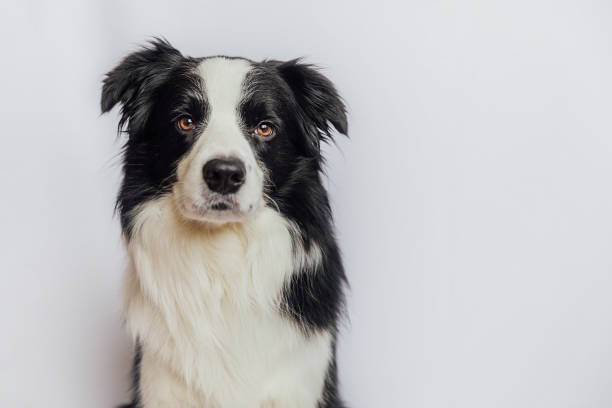
A physical examination is a cornerstone of veterinary medicine, enabling early detection of health issues, monitoring ongoing conditions, and ensuring overall well-being in dogs. For pet owners, understanding the basics of a physical exam empowers them to observe their dog’s health at home and recognize signs requiring professional attention. For veterinarians, this process is systematic, requiring knowledge of canine anatomy, diagnostic tools, and observational techniques. This guide provides a detailed overview of how to perform and interpret a physical exam in dogs, including step-by-step procedures, tools used, and special considerations.
Why Is Physical Examination Important?
- Early Disease Detection: Identifies illnesses like heart disease, diabetes, or parasites before symptoms become severe.
- Baseline Health Records: Helps track changes in weight, skin condition, or organ function over time.
- Preventive Care: Encourages proactive health management, such as parasite control and vaccinations.
- Owner-Vet Collaboration: Builds trust and ensures consistent care between home and veterinary visits.
2. Anatomy of a Dog’s Body for Physical Examination
A thorough exam requires familiarity with canine anatomy. Key systems and structures to assess include:
A. Musculoskeletal System
- Skeletal Structure: Look for symmetry in limbs, spine, and joints; abnormalities like limping or swelling may indicate arthritis or fractures.
- Muscle Mass: Assess tone and strength; atrophy could signal neurological issues or chronic disease.
B. Gastrointestinal and Digestive Tract
- Abdomen: Palpate for pain, tumors, or distension; note the presence of enlarged organs.
- Coat and Skin: Check for dandruff, lumps, or signs of mange, which may point to parasites or infections.
C. Respiratory System
- Nose and Nasal Passages: Observe for discharge (clear vs. yellow/green) or breathing difficulties.
- Throat and Larynx: Listen for rasping or coughing, which may indicate upper respiratory infections.
D. Cardiovascular System
- Heart and Lungs: Auscultate with a stethoscope for irregular heartbeats or abnormal lung sounds.
- Pulse and Color: Check capillary refill time (CRT) and gum color (pale gums may indicate anemia).
E. Neurological and Sensory Systems
- Eyes and Vision: Use an ophthalmoscope to examine pupils, lens clarity, and retinas.
- Ears and Hearing: Inspect ear canals for debris or infection; test response to auditory stimuli.
3. Step-by-Step Physical Examination Process
Perform a physical exam in a calm, well-lit environment to minimize stress for the dog. Follow this structured approach:
Step 1: Initial Greeting and Observation
- Behavior and Demeanor: Assess for lethargy, aggression, or restlessness.
- Body Condition Score (BCS): Evaluate weight (underweight/obese) and coat condition.
- Gait Analysis: Observe walking patterns for lameness or instability.
Step 2: External Examination
- Eyes: Check for cloudiness, redness, or discharge. Use a cotton swab to gently test corneal reflexes.
- Ears: Use an otoscope to look for mites, discharge, or impacted wax.
- Mouth and Teeth: Inspect for tartar, gingivitis, or missing/molting teeth. Test for dental pain by gently grasping the muzzle.
Step 3: Palpation and Internal Assessment
- Lymph Nodes: Feel for enlargement (lumps in the neck, underarms, groin), which may indicate infection or cancer.
- Abdomen: Gently press to assess tenderness; check for unusual masses or bloating.
- Heart and Lungs: Place a stethoscope on the left side of the chest to listen for arrhythmias or crackles.
Step 4: Neurological Testing
- Reflexes: Tap the patellar ligament to check knee-jerk reflexes.
- Coordination: Ask the dog to walk in a straight line or turn in circles to test balance.
Step 5: Diagnostic Follow-Up
- Laboratory Tests: Collect samples for blood work (CBC, biochemistry) or fecal exams to confirm suspicions.
- Imaging: Use X-rays or ultrasounds to visualize internal structures (e.g., heart, kidneys).
Step 6: Documentation and Recommendations
- Record all findings, noting deviations from normal. Provide owners with tailored advice, such as dietary changes or medication.
4. Tools and Equipment Used in Physical Examinations
Proper tools enhance accuracy and safety during exams. Commonly used items include:
- Stethoscope: For auscultating heart and lung sounds.
- Otoscope: To examine ear canals and tympanic membranes.
- Ophthalmoscope: To assess eye health and retinal function.
- Thermometer: Rectal or ear thermometers to detect fever.
- Gloves and Lubricant: For safe and hygienic palpation of sensitive areas.
- Scales and Tape Measure: For body weight and BCS calculations.
Specialized Tools for Specific Concerns:
- Endoscope: To visualize the trachea, stomach, or airways.
- Ultrasound Machine: To assess organ structure and blood flow.
Proper Use and Safety Protocols:
- Always sanitize tools between patients to prevent cross-contamination.
- Restrain the dog gently to avoid injury. For anxious dogs, consider sedation or a “pet-friendly” approach with treats and praise.
5. Special Considerations for Different Dog Populations
A. Puppies and Neonates
- Focus Areas: Weight gain, hydration, umbilical hernias, and congenital defects.
- Examination Tips: Use a soft touch; handle gently to avoid stress.
B. Senior Dogs
- Focus Areas: Arthritis, cognitive decline, and organ function.
- Examination Tips: Use diagnostic imaging more frequently; monitor for lumps and mobility issues.
C. Anxious or Aggressive Dogs
- Focus Areas: Detect hidden injuries or signs of abuse.
- Examination Tips: Use a multi-person team for restraint; offer treats as distractions.
D. Breeds Predisposed to Specific Conditions
- Brachycephalic Breeds (e.g., Pugs): Check for upper airway obstruction.
- Large Breeds (e.g., Great Danes): Monitor for hip dysplasia or bloat (GDV).
6. Conclusion: Importance of Regular Check-Ups and Owner Education
Regular physical exams are vital for detecting health issues early. Pet owners should:
- Schedule annual or biannual check-ups, depending on age.
- Perform at-home health checks (e.g., coat inspection, palpating for lumps).
- Watch for “red flags” like vomiting, persistent coughing, or behavior changes.
By understanding the physical exam process, owners can collaborate effectively with veterinarians, ensuring their dogs receive the best care possible.
#DogCareTips, #VeterinaryHealth, #PetParentLife, #DogWellness, #CanineHealth, #DogExam, #VetLife, #HealthyDogs, #PetCheckup, #DogOwnerHacks, #AnimalHealth, #DogMedical, #DoggieDoctor, #PetHealthTips, #DogParenting, #CanineWellness, #DogVetVisit, #PetHealthcare, #DoggieGrooming, #DogHealthGuides, #VetCare, #DogNutrition, #PetSafety, #DoggieDoctor, #DogFitness, #CanineMedicine, #PetCommunity, #DogLover, #VetLife, #PetTips, #DogLife






Add comment