
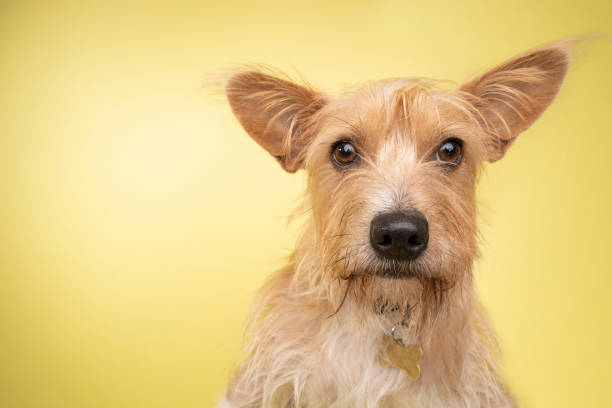
Neurological issues in dogs can manifest in various ways, from sudden paralysis due to disc herniation (e.g., IVDD, FCE) to progressive weakness (e.g., Degenerative Myelopathy, DM) or balance problems (e.g., Vestibular Disease). Physical therapy (PT) plays a vital role in recovery, managing symptoms, improving quality of life, and preventing secondary complications such as muscle atrophy, joint stiffness, and bedsores.
I. Understanding the Goals of Physical Therapy for Neurological Dogs
The primary objectives of PT for dogs with neurological conditions include:
- Pain Management: Reducing discomfort is paramount, as pain can inhibit movement and progress.
- Maintaining Range of Motion (ROM): Preventing joint stiffness and muscle contractures.
- Preventing Muscle Atrophy: Preserving muscle mass in affected and unaffected limbs.
- Improving Proprioception: Re-educating the brain about body position and movement.
- Enhancing Strength & Endurance: Rebuilding muscle strength to support weight and improve sustained activity.
- Improving Balance & Coordination: Re-establishing equilibrium and fluid movement.
- Facilitating Motor Re-learning: Helping the brain and body communicate to perform functional movements.
- Promoting Bladder & Bowel Function: Assisting in the maintenance of normal elimination patterns, especially in paralyzed dogs.
- Improving Overall Quality of Life: Helping the dog regain independence and enjoy activities.
II. Key Principles and Considerations Before Starting
- Veterinary Consultation is Non-Negotiable: Work closely with your vet and a canine rehab specialist. They will provide a diagnosis, prognosis, pain management plan, and a tailored PT program.
- Safety First: Never force your dog into an exercise. Stop immediately if there’s any sign of pain, discomfort, or fatigue.
- Pain Management is Crucial: Ensure your dog’s pain is well-controlled before and during exercises. Untreated pain will hinder progress.
- Patience and Consistency: Neurological recovery can be slow and challenging. Regular, short sessions are more effective than infrequent, long ones.
- Positive Reinforcement: Make PT a positive experience with praise, gentle touch, and treats. Avoid scolding or forcing.
- Environmental Control: Ensure a safe, non-slip environment for exercises (rugs, yoga mats, non-skid booties).
- Observation: Monitor your dog closely for signs of improvement, fatigue, or worsening symptoms. Keep a log.
- Progression: Exercises should be gradually progressed in intensity, duration, and complexity as your dog improves. Do not rush.
III. Phases of Rehabilitation & Corresponding Exercises
Physical therapy is generally divided into phases, though overlap is common and progress is individual.
Phase 1: Acute/Non-Ambulatory Phase (Immediately Post-Injury/Surgery to First Signs of Movement)
Focus: Pain control, preventing secondary complications, maintaining muscle tone, gentle stimulation, bladder/bowel management.
- Therapeutic Massage:
- Purpose: Improve circulation, reduce muscle spasms, desensitize hypersensitive areas, increase body awareness, promote relaxation.
- How to: Use gentle, stroking (effleurage) and kneading (petrissage) motions over the entire body, paying special attention to muscles that might be compensating or atrophying. Avoid direct pressure on surgical sites or acutely painful areas.
- Frequency: 2-3 times daily for 5-10 minutes.
- Passive Range of Motion (PROM):
- Purpose: Maintain joint flexibility, prevent joint stiffness and muscle contractures, stimulate sensory nerves.
- How to: Gently move each joint through its natural range of motion without forcing. Support the limb above and below the joint.
- Hips: Flexion (bring knee to chest), Extension (stretch leg back).
- Knees: Flexion (heel towards buttock), Extension (straighten leg).
- Hocks (Ankles): Flexion (toes towards shin), Extension (point toes).
- Toes/Digits: Gently curl and uncurl.
- Shoulders, Elbows, Carpi (Wrists): Similar flexion/extension movements.
- Technique: Hold each stretch for 10-15 seconds. Repeat 10-15 repetitions per joint, 2-3 times daily. Slow and controlled.
- Sensory / Proprioceptive Stimulation:
- Purpose: Re-awaken nerve pathways, improve awareness of limb position.
- How to:
- Paw Pad Stimulation: Gently tap, tickle, or brush the paw pads and between the toes with your fingers, a soft brush, or an ice cube (briefly).
- Interdigital Pinch: Gently pinch the skin between the toes to elicit a withdrawal reflex (if present). Be careful not to cause pain.
- Knuckling Over Correction: If the dog is knuckling its paw (walking on the top of the foot), gently place the paw in the correct position.
- Frequency: Several times a day, 5-10 repetitions per paw.
- Assisted Standing (Early Stages, if appropriate):
- Purpose: Introduce partial weight-bearing, stimulate proprioception, prepare for standing.
- How to: Use a towel sling, specialized harness (e.g., Help ‘Em Up Harness, Walkin’ Wheels Harness), or your hands under the belly/chest. Gently lift to allow the dog to bear some weight on its paws. Ensure paws are correctly placed.
- Frequency: Short intervals (1-2 minutes), 3-5 times daily. Gradually increase duration as tolerated.
- Bladder and Bowel Management:
- Purpose: Prevent urinary tract infections, maintain hygiene, prevent constipation.
- How to: For incontinent dogs, manual expression of the bladder is essential (taught by your vet). Regular bowel movements should be monitored and assisted if needed. This is not an “exercise” but a critical care component.
Phase 2: Early Ambulatory / Weak Phase (When Voluntary Movement Returns, but still Weak/Uncoordinated)
Focus: Re-learning walking patterns, building foundational strength, improving balance.
- Assisted Walking / Supported Ambulatory Exercises:
- Purpose: Re-establish gait patterns, build muscle endurance, encourage voluntary movement.
- How to: Use a sling, harness, or specialized mobility cart (if needed). Support the dog to prevent falling, but allow them to bear as much weight as possible. Walk slowly on stable, non-slip surfaces. Focus on proper paw placement.
- Frequency: Multiple short sessions (5-10 minutes), 3-5 times daily. Gradually increase duration.
- Weight-Bearing Exercises (Active):
- Purpose: Strengthen supporting muscles, improve balance.
- How to:
- Assisted Standing: Progress from passive standing to more active standing with less support.
- Weight Shifting: While the dog is standing (with support), gently shift their weight from side to side, or front to back. This encourages activation of stabilizer muscles.
- Theraball/Peanut Ball Support: Gently place your dog’s abdomen over a large stability ball. As the ball moves slightly, the dog has to engage core and limb muscles to maintain balance. Requires careful supervision.
- Frequency: 5-10 repetitions of shifts, 2-3 times daily. Stand for 5-10 minutes.
- Proprioceptive Re-education Exercises:
- Purpose: Improve awareness of limb position and movement, essential for coordinated walking.
- How to:
- Cavaletti Poles (Low): Set up low obstacles (PVC pipes, broom handles, pool noodles) 2-4 inches off the ground, spaced so your dog has to lift their feet actively over them. Start with 2-3 poles.
- Uneven Surfaces: Walk on different textures like grass, sand, gravel (if comfortable), pillows, or folded blankets. This challenges balance and proprioception.
- Figure-Eights / Circles: Walk in gentle curves to encourage weight shifting and coordination.
- Frequency: 5-10 minutes, 2-3 times daily.
- Balance Exercises (Basic):
- Purpose: Strengthen core muscles, improve equilibrium.
- How to:
- Wobble Board/Balance Disc (Beginner): Start with the dog standing on a stable, flat surface first. Then, introduce a low wobble board or deflated balance disc, allowing them to feel the instability. Provide support.
- Standing on Compliant Surfaces: Stand on a cushion, memory foam mat, or inflated balance pad.
- Frequency: Short bursts of 30-60 seconds, 5-10 repetitions, 2 times daily.
Phase 3: Advanced / Maintenance Phase (Improved Strength & Coordination, Returning to Functional Activities)
Focus: Building strength, endurance, advanced balance, fine-tuning coordination, preventing relapse.
- Strength Training:
- Purpose: Build muscle mass, improve power and endurance.
- How to:
- Hill/Incline Walking: Walking uphill strengthens hindquarters; downhill walking targets core and forelimbs. Start with gentle slopes.
- Stairs (Supervised): Slowly and deliberately going up and down a few stairs, one at a time, with support if needed. Avoid if there’s any spinal instability.
- Sit-to-Stands: Command your dog to sit, then immediately stand. Repeat 5-10 times. Focus on controlled transitions, not flopping.
- “Bows” / Play Bows: Encourage your dog to stretch their front legs forward while keeping their hind end up. Good for core and back muscles.
- Dancing (Controlled): Gently lift your dog’s front paws off the ground (if appropriate) for a few seconds, making them bear weight on their hind legs while you support their chest. Builds core and hindlimb strength.
- Frequency: 2-3 sessions daily, 10-20 minutes.
- Advanced Balance & Proprioception:
- Purpose: Refine coordination and stability for complex movements.
- How to:
- Advanced Wobble Board/Balance Disc: Use more challenging or fully inflated discs.
- Weave Poles: Guide your dog through a series of poles set up in a line, weaving between them.
- Targeting: Teach your dog to place a specific paw on a target (e.g., a therapeutic donut, small mat).
- Backing Up: Teach your dog to walk backward. This engages different muscle groups and requires significant body awareness.
- Frequency: 1-2 sessions daily, 10-15 minutes.
- Endurance Exercises:
- Purpose: Improve cardiovascular fitness and muscle stamina.
- How to:
- Longer Walks: Gradually increase the duration and distance of walks on varied terrain.
- Controlled Fetch/Play: Short bursts of controlled play that don’t overexert or risk injury.
- Swimming/Hydrotherapy (Professional Supervision):
- Purpose: Excellent low-impact exercise that builds strength, improves ROM, and boosts confidence without stressing joints. The buoyancy supports the dog, making movement easier. The resistance of water strengthens muscles.
- How to: This MUST be done under the supervision of a certified canine hydrotherapist or rehab vet. It typically involves an underwater treadmill or a therapeutic pool.
- Benefits: Reduces weight-bearing stress, builds muscle, improves gait, increases cardiovascular fitness.
- Frequency: Varies based on dog’s condition, 1-2 times daily.
IV. Essential Equipment and Aids
- Non-slip Mats/Rugs: Prevent falls, especially on hard floors.
- Towel Sling/Support Harness: For assisted walking and standing (e.g., Help ‘Em Up, GingerLead, Walkin’ Wheels).
- Booties/Paw Grips: For dogs with knuckling or poor traction.
- Wobble Boards/Balance Discs: For proprioception and core strength.
- Cavaletti Poles: For gait training and limb awareness.
- Therapeutic Exercise Balls (Peanut/Egg Shaped): For core strengthening and balance.
- Ramps: Easier access to furniture, cars, or outside areas for dogs who struggle with stairs.
- Raised Food/Water Bowls: Can reduce neck strain.
- Orthopedic Bedding: For comfort and pressure sore prevention.
- Mobility Carts (Wheelchairs): For long-term non-ambulatory dogs to maintain independence and muscle mass in working limbs.
- Pain Relief Medications: As prescribed by your vet (NSAIDs, gabapentin, muscle relaxants, etc.).
V. Monitoring Progress and Knowing When to Adjust
- Keep a Detailed Log: Record the date, exercises performed, repetitions, duration, and your dog’s response (e.g., “walked better today,” “seemed tired,” “shaky hind leg”).
- Look for Key Indicators:
- Improved willingness to move.
- Increased strength (e.g., able to stand longer, less wobbly).
- Better coordination and balance.
- Improved paw placement.
- Increased muscle mass.
- Reduced pain or discomfort.
- Improved mood and energy levels.
- Consult Your Vet Regularly: Schedule regular check-ups to assess progress, adjust medication, and modify the PT plan.
- Signs to Slow Down or Stop and Contact Your Vet:
- Increased pain, vocalization, or lameness.
- Reluctance to participate in exercises.
- New or worsening neurological deficits (e.g., increased weakness, loss of bladder control, new knuckling).
- Lethargy, loss of appetite, or other signs of illness.
- Development of wounds or pressure sores.
VI. Complementary Therapies (Often Performed by Professionals)
While this guide focuses on home exercises, it’s worth noting other valuable therapies that a certified canine rehabilitation therapist may employ:
- Therapeutic Laser (Photobiomodulation): Reduces pain and inflammation, promotes tissue healing.
- Therapeutic Ultrasound: Deep tissue healing and pain relief.
- Neuromuscular Electrical Stimulation (NMES): Helps build muscle in atrophied or weak areas by stimulating contractions.
- Transcutaneous Electrical Nerve Stimulation (TENS): For pain management.
- Acupuncture: Can help manage pain and stimulate nerve function.
- Chiropractic Care: Addresses spinal alignment (only by a certified animal chiropractor).
Conclusion:
Physical therapy for dogs with neurological issues is a journey of dedication, patience, and love. While challenging, the rewards of seeing your dog regain mobility, strength, and quality of life are immense. Remember to always work closely with your veterinary team, listen to your dog, and celebrate every small victory along the way. Your commitment is the most powerful tool in your dog’s recovery and ongoing well-being.





Add comment