
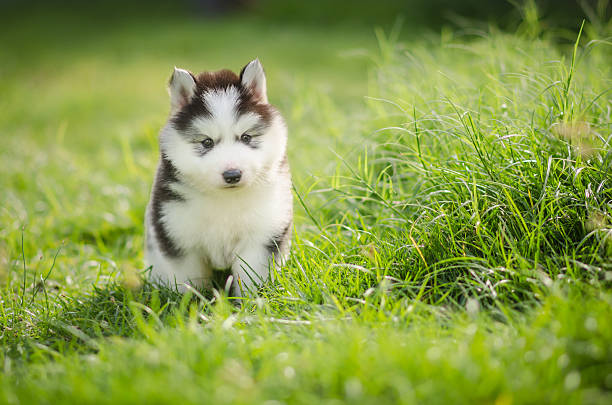
Here’s a comprehensive and elaborate guide for planning delightful picnics and relaxing outings for dogs who can’t engage in strenuous activity. This guide focuses on comfort, enrichment, safety, and enjoyment for your beloved canine companion who has physical limitations.
A Tail of Tranquility: Picnics & Relaxing Outings for Less Active Dogs
Not all dogs are built for vigorous hikes or long games of fetch. Many of our canine companions, whether due to age, injury, chronic illness, or breed predisposition, thrive on gentler pleasures. This guide is dedicated to those dogs, ensuring they can still experience the joy of the outdoors and the special bond of a shared outing with their human. We’ll explore how to create memorable and stress-free picnics and relaxing excursions that cater to their specific needs.
I. Understanding Your Dog’s Limitations and Needs
Before planning any outing, a thorough understanding of your dog’s individual limitations is paramount.
- Consult Your Veterinarian: This is the most crucial first step. Discuss your dog’s condition, any recommended activity levels, potential pain points, and what to monitor. Your vet can offer specific advice on:
- Rest times and duration of outings.
- Appropriate temperature ranges.
- Dietary considerations for snacks.
- Signs of fatigue or distress to watch for.
- Medication schedules, if applicable.
- Assess Physical Capabilities:
- Mobility: Can they walk short distances? Do they need assistance (a stroller, sling, or harness)?
- Endurance: How long can they comfortably stay awake and engaged?
- Heat/Cold Tolerance: Are they sensitive to extreme temperatures?
- Sensory Impairments: Do they have vision or hearing loss that might affect their comfort or safety?
- Anxiety/Stress Triggers: What environments or situations tend to stress them out?
- Identify Preferences:
- What sights, sounds, and smells does your dog enjoy?
- Do they like being close to you, or do they prefer a bit of personal space?
- What are their favorite comfort items?
II. Designing the Perfect Relaxing Outing: Location, Location, Location!
The success of your outing hinges on choosing the right environment. Prioritize places that offer comfort, safety, and sensory stimulation without overexertion.
- Ideal Locations:
- Quiet Parks with Shaded Areas: Look for parks with mature trees that offer ample shade, especially during warmer months. Flat, smooth paths are ideal for comfortable strolling or maneuvering with mobility aids.
- Botanical Gardens (Dog-Friendly Sections): Many botanical gardens have designated areas where dogs are welcome. These are often beautifully maintained, visually stimulating, and can have paved paths.
- Calm Lakeside or Riverside Spots: Gentle water access can be a huge hit for some dogs who enjoy sniffing the water’s edge without the need for swimming. Ensure the banks are not steep.
- Your Own Backyard or a Friend’s Yard: For dogs with severe limitations, a familiar and controlled environment can be the most relaxing.
- Dog-Friendly Patios at Cafes/Restaurants: Combine a meal for yourself with a relaxing outing for your dog. Ensure there’s space for them to lie down comfortably and no excessive foot traffic.
- Designated “Sniff Spots”: Even a short drive to a quiet rural road with a safe verge for sniffing can be an adventure.
- What to Avoid:
- Crowded Areas: Busy parks, beaches during peak hours, or popular tourist spots can be overwhelming and stressful.
- Steep or Uneven Terrain: Inclines, rocky paths, or sandy beaches can be difficult and painful.
- Areas with Excessive Noise: Construction zones, busy roads, or places with loud events will likely cause anxiety.
- Extreme Temperatures: Avoid outings during the hottest part of the day in summer or the coldest in winter.
- Areas with Fast-Moving Water or Strong Currents: If your dog enjoys water, ensure it’s calm and shallow.
III. The Comfort Zone: Essential Gear for a Relaxing Outing
Your dog’s comfort is paramount. Pack wisely to ensure they have everything they need to relax and enjoy themselves.
- For Mobility Support:
- Dog Stroller or Wagon: A lifesaver for dogs who can’t walk long distances. Look for models with good suspension, ventilation, and a comfortable, padded interior.
- Support Harness/Sling: Essential for helping dogs with hind-end weakness to stand, navigate stairs, or be assisted on walks.
- Wheelchair (if applicable): For dogs with hind leg paralysis, a wheelchair allows them to participate more actively.
- For Comfort and Relaxation:
- Comfortable Bedding: A portable, washable dog bed, a thick blanket, or even a familiar cushion from home.
- Shade Solutions: A portable shade canopy, umbrella, or a large towel to create a shaded spot.
- Cooling Mat (in warm weather): These offer a refreshing surface for your dog to lie on.
- Warm Blanket (in cooler weather): To snuggle up and stay cozy.
- Hydration and Nutrition:
- Plenty of Fresh Water: Crucial for all dogs, especially those with health conditions. Use a spill-proof bowl or a portable fountain.
- High-Value, Easy-to-Digest Treats: Small, soft, palatable treats that are appropriate for your dog’s dietary needs. Think small pieces of lean, cooked chicken, turkey, or specialized dog treats. Avoid anything that could cause digestive upset.
- Their Regular Food (if it’s mealtime): If the outing coincides with a meal, consider packing a small portion of their regular food in a travel bowl.
- Safety and Health:
- Leash and Harness/Collar: Always use appropriate restraint. A well-fitting harness is often better for dogs with neck issues.
- First-Aid Kit: Include essentials like antiseptic wipes, gauze, bandages, vet wrap, styptic powder, and any specific medications your dog needs.
- Medications: Pack any regular medications, plus any “as needed” ones.
- Poop Bags: Plenty of them!
- Pet-Safe Wipes: For cleaning paws or minor messes.
- Insect Repellent (Pet-Safe): Especially important in wooded areas.
- Sunscreen (Pet-Safe): For dogs with thin fur or pink noses, to protect against sunburn.
- Enrichment and Entertainment:
- Chew Toys: A favorite, safe chew toy can provide quiet entertainment.
- Snuffle Mat or Puzzle Toy (low-effort): A simple snuffle mat with a few treats can provide mental stimulation without physical exertion.
- Familiar Scent Items: A favorite blanket or toy from home can offer a sense of security.
IV. The Art of the Relaxing Picnic: Menu and Activities
The “picnic” aspect for a less active dog is more about a comfortable, sensory-rich break than a feast.
- The “Picnic” Menu:
- Focus on Quality, Not Quantity: Small, easily digestible, and highly palatable treats.
- Hydration Station: Water is the star of the show.
- “Special Treat”: A tiny piece of cooked chicken, a spoonful of plain yogurt (if tolerated), or a special, soft dog biscuit.
- Avoid: Fatty foods, dairy (unless accustomed), anything that could cause bloating or digestive upset, and choking hazards.
- Activities for the Mind and Senses:
- “Sniffari”: Designated time for your dog to simply sniff and explore their surroundings at their own pace. This is incredibly enriching for dogs.
- Gentle Petting and Grooming: A relaxed brushing session or gentle massage can be very bonding and comforting.
- Quiet Observation: Let your dog sit or lie down and simply watch the world go by.
- Sensory “Buffet”: Bring a few different textures or safe scents for them to investigate (e.g., a special leaf, a piece of bark – only if safe and non-toxic).
- Calming Music: Some dogs respond positively to calming music played softly on a portable speaker.
- Verbal Affirmation: Gentle, soothing praise and conversation.
V. Planning and Execution: A Step-by-Step Approach
- Vet Consultation: Get the green light and specific advice.
- Choose Your Location & Time: Consider weather, accessibility, and noise levels. Aim for cooler parts of the day.
- Pack Your “Comfort Kit”: Gather all necessary gear (see Section III). Double-check everything.
- Prepare Your Dog’s “Picnic Basket”: Pack water, treats, and any special food items.
- Travel Safely: Ensure your dog is secure and comfortable during transit (e.g., in a car harness, crate, or stroller).
- Arrival and Setup: Find a comfortable, shaded spot. Set up their bed or blanket.
- Gentle Introduction: Let your dog settle in. Offer water. Don’t force interaction.
- Engage (or Don’t): Offer gentle sniffing time, a treat, or just quiet companionship. Let your dog dictate the pace.
- Monitor Closely: Watch for any signs of fatigue, discomfort, overheating, or stress.
- Short and Sweet: Keep the outing duration appropriate for your dog’s energy levels and limitations. It’s better to end on a positive note than push too far.
- The Journey Home: Ensure they are comfortable and hydrated for the ride back.
- Post-Outing Care: Offer a comfortable resting spot at home. Monitor for any after-effects.
VI. Recognizing and Responding to Your Dog’s Signals
Your dog will tell you when they’ve had enough. Learn to read their subtle cues.
- Signs of Fatigue/Discomfort:
- Panting heavily (beyond normal post-activity panting)
- Lethargy, drooping ears or tail
- Restlessness, inability to get comfortable
- Whining, licking lips excessively
- Yawning repeatedly
- Evasion or trying to move away from stimulation
- Reluctance to stand or move
- Vocalization (groaning, sighing)
- Shivering (even if not cold)
- Changes in posture (e.g., a tucked tail, hunched back)
- What to Do:
- Stop the current activity immediately.
- Offer water.
- Find a cool, shaded, quiet spot.
- Allow them to rest or lie down.
- Consider ending the outing early.
- If you see signs of distress or pain, contact your veterinarian.
VII. Special Considerations for Specific Needs
- Elderly Dogs: Often enjoy familiar scents, gentle petting, and quiet observation. They may tire very quickly.
- Dogs with Arthritis/Joint Pain: Prioritize smooth, flat surfaces. Use mobility aids as needed. Short, frequent breaks are essential.
- Dogs with Heart Conditions: Monitor breathing and energy levels very closely. Avoid strenuous activity or excitement.
- Brachycephalic (Flat-Faced) Breeds: Extremely sensitive to heat and can have breathing difficulties. Opt for very short outings in mild temperatures and always prioritize shade and rest.
- Blind or Deaf Dogs: Keep them on a leash at all times. Be extra mindful of their surroundings and potential hazards they might not perceive. Use tactile cues for communication.
VIII. Making it a Routine: The Joy of Predictable Pleasure
Once you’ve found a rhythm that works, incorporating regular, short, relaxing outings can significantly improve your dog’s quality of life.
- Consistency is Key: Predictable outings can reduce anxiety and provide something for your dog to look forward to.
- Variety within the Familiar: While consistency in routine is good, a slight change in location or sensory input can still be stimulating.
- Celebrate Small Victories: Every moment of comfort and enjoyment your dog experiences is a win.
Conclusion:
Picnics and relaxing outings are not just for active pups. With thoughtful planning, careful preparation, and a deep understanding of your dog’s individual needs, you can create truly magical moments of peace, joy, and connection for your beloved companion, no matter their physical limitations. Embrace the quiet moments, savor the gentle breezes, and revel in the simple pleasure of being together outdoors. Your dog will thank you for it with every contented sigh and happy wag.





Add comment