
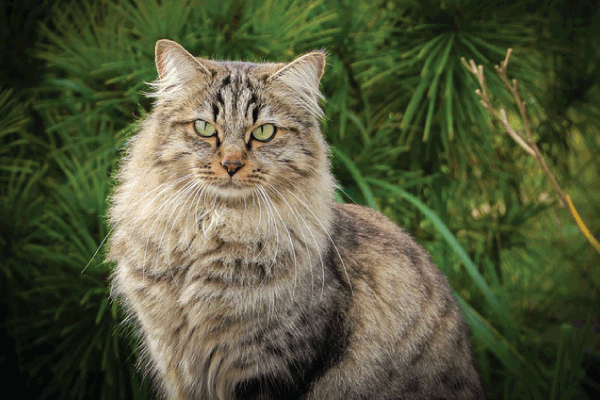
The pituitary gland, often dubbed the “master gland” of the endocrine system, plays an indispensable role in regulating numerous vital bodily functions in cats, just as it does in other mammals. Though small, typically no larger than a pea, its influence reverberates throughout almost every system in the feline body. Understanding the intricate workings of this gland—its anatomy, the hormones it produces, and the disorders that can arise—is crucial for cat owners and veterinary professionals alike in providing optimal care for our feline companions.
This comprehensive guide aims to unravel the complexities surrounding the pituitary gland in cats, delving into its fundamental biology, the array of hormones it controls, the diverse spectrum of associated diseases, advanced diagnostic methodologies, and cutting-edge treatment strategies. With an emphasis on clarity and depth, we will explore this fascinating yet often overlooked component of feline health.
1. Introduction to the Pituitary Gland in Cats
The pituitary gland (also known as the hypophysis) is a small, pea-sized endocrine gland nestled at the base of the brain, encased within a protective bony structure called the sella turcica. Its primary function is to synthesize and secrete a variety of hormones that, in turn, regulate the function of other endocrine glands, such as the thyroid gland, adrenal glands, and gonads, as well as influencing growth, metabolism, reproduction, and water balance.
In essence, the pituitary acts as a crucial intermediary between the nervous system (specifically the hypothalamus) and the rest of the endocrine system. The hypothalamus, located just above the pituitary, communicates with it through both neural and hormonal pathways, finely tuning the pituitary’s output based on the body’s needs. This intricate interplay, known as the hypothalamic-pituitary axis, ensures the delicate balance required for feline health and homeostasis.
While unseen and rarely thought about by most cat owners, a malfunctioning pituitary gland can lead to a cascade of systemic issues, ranging from profound metabolic disturbances like diabetes mellitus and growth abnormalities to complex neurological and reproductive problems. Recognizing the signs of pituitary disorders early can significantly impact the prognosis and quality of life for an affected cat. This guide will provide the detailed knowledge necessary to understand these crucial aspects of feline endocrinology.
2. Anatomy and Physiology of the Pituitary Gland in Cats
To truly appreciate the significance of the pituitary gland, one must first understand its unique structure and how it orchestrates hormonal release within the feline body.
2.1. Location and Structure
The pituitary gland in cats is strategically located at the base of the brain, ventral to the hypothalamus and posterior to the optic chiasm. It resides within a depression of the sphenoid bone called the sella turcica, offering it protection. Anatomically, the pituitary gland is divided into two main lobes, each with distinct origins and functions:
- Anterior Pituitary (Adenohypophysis): This larger, glandular portion develops from an upward invagination of the embryonic oral ectoderm (Rathke’s pouch). It is responsible for synthesizing and secreting a wide array of protein and glycoprotein hormones. The anterior pituitary further comprises three parts:
- Pars Distalis: The main bulk of the anterior pituitary, containing various cell types that produce different hormones.
- Pars Tuberalis: A thin sleeve of tissue that wraps around the infundibular stalk.
- Pars Intermedia: A relatively avascular zone between the anterior and posterior lobes, often rudimentary in adult cats, though it can be a site of cyst or tumor formation.
- Posterior Pituitary (Neurohypophysis): This smaller, neural portion originates as a downward extension of the embryonic diencephalon (part of the brain). Unlike the anterior pituitary, the posterior pituitary does not synthesize hormones itself. Instead, it stores and releases two key hormones (Antidiuretic Hormone and Oxytocin) that are produced by neurosecretory cells in the hypothalamus. It consists mainly of:
- Pars Nervosa: The primary storage and release site for hypothalamic hormones.
- Infundibulum (Pituitary Stalk): Connects the posterior pituitary to the hypothalamus and contains the axons of the neurosecretory cells.
2.2. Blood Supply and Neural Connections
The pituitary gland boasts a rich blood supply, essential for both delivering hypothalamic regulatory hormones and distributing pituitary hormones throughout the body.
- Anterior Pituitary: Primarily supplied by the superior hypophyseal artery, which forms a capillary plexus in the median eminence of the hypothalamus. This plexus then drains into the hypothalamic-hypophyseal portal system – a unique vascular network that transports releasing and inhibiting hormones from the hypothalamus directly to the cells of the anterior pituitary. This direct route allows for precise and rapid control without dilution in systemic circulation.
- Posterior Pituitary: Receives its blood supply from the inferior hypophyseal artery.
- Neural Connections: The posterior pituitary is essentially an extension of the hypothalamus, with axons from hypothalamic nuclei (supraoptic and paraventricular nuclei) extending down the infundibular stalk into the pars nervosa. These axons release their stored hormones directly into the bloodstream. The anterior pituitary, while not directly innervated by the hypothalamus in the same way, is under its control via the aforementioned portal system.
3. Hormones Produced/Released by the Pituitary Gland and Their Functions in Cats
The pituitary gland acts as a central control panel, releasing a diverse suite of hormones that regulate a vast array of physiological processes.
3.1. Anterior Pituitary Hormones (Synthesized and Secreted)
These hormones are tropins, meaning they “turn on” or stimulate other endocrine glands.
- 1. Growth Hormone (GH) / Somatotropin:
- Target: Liver, adipose tissue, muscle, bone, and other tissues.
- Function: Promotes somatic growth, protein synthesis, lipolysis (fat breakdown), and raises blood glucose. Crucially, GH stimulates the liver to produce Insulin-like Growth Factor-1 (IGF-1), which mediates many of GH’s growth-promoting effects. In adult cats, it’s vital for maintaining metabolism and tissue health.
- Regulation: Secretion is stimulated by Growth Hormone-Releasing Hormone (GHRH) from the hypothalamus and inhibited by Somatostatin (GHIH).
- 2. Thyroid-Stimulating Hormone (TSH) / Thyrotropin:
- Target: Thyroid gland.
- Function: Stimulates the thyroid gland to synthesize and release thyroid hormones (T3 and T4), which are critical for regulating metabolism, energy production, growth, and development in nearly every body cell.
- Regulation: Secretion is stimulated by Thyrotropin-Releasing Hormone (TRH) from the hypothalamus. High levels of T3/T4 exert negative feedback on both the hypothalamus and pituitary.
- 3. Adrenocorticotropic Hormone (ACTH) / Corticotropin:
- Target: Adrenal cortex.
- Function: Stimulates the adrenal cortex to produce and release glucocorticoids (primarily cortisol), which are involved in stress response, metabolism (glucose regulation, protein, fat), inflammation, and immune suppression.
- Regulation: Secretion is stimulated by Corticotropin-Releasing Hormone (CRH) from the hypothalamus. High cortisol levels provide negative feedback.
- 4. Follicle-Stimulating Hormone (FSH):
- Target: Ovaries (females), Testes (males).
- Function: In females, stimulates the growth and development of ovarian follicles and estrogen production. In males, stimulates spermatogenesis (sperm production) in the seminiferous tubules.
- Regulation: Secretion is stimulated by Gonadotropin-Releasing Hormone (GnRH) from the hypothalamus.
- 5. Luteinizing Hormone (LH):
- Target: Ovaries (females), Testes (males).
- Function: In females, triggers ovulation and stimulates the formation and maintenance of the corpus luteum, which produces progesterone. In males, stimulates the Leydig cells in the testes to produce testosterone.
- Regulation: Secretion is stimulated by GnRH from the hypothalamus.
- 6. Prolactin (PRL):
- Target: Mammary glands.
- Function: Initiates and maintains milk production (lactation) after parturition. It also has roles in maternal behavior and immune function.
- Regulation: Primarily inhibited by Dopamine (Prolactin-Inhibiting Hormone, PIH) from the hypothalamus. TRH can stimulate its release.
- 7. Melanocyte-Stimulating Hormone (MSH): While often considered a distinct hormone, MSH is derived from the same precursor molecule as ACTH (Pro-opiomelanocortin, POMC). Its primary role in mammals, including cats, is less well-defined compared to lower vertebrates, but it influences pigmentation and may have some behavioral effects.
3.2. Posterior Pituitary Hormones (Stored and Released)
These hormones are synthesized in the hypothalamus and transported down axons to the posterior pituitary for storage and release.
- 1. Antidiuretic Hormone (ADH) / Vasopressin:
- Target: Renal tubules (kidneys), smooth muscle of blood vessels.
- Function: The primary hormone for regulating water balance. It increases the reabsorption of water by the kidneys, concentrating urine and preventing dehydration. At higher concentrations, it can cause vasoconstriction (hence “vasopressin”) and increase blood pressure.
- Regulation: Secretion is stimulated by increased plasma osmolality (dehydration) and decreased blood volume/pressure, detected by osmoreceptors and baroreceptors, respectively.
- 2. Oxytocin:
- Target: Uterus, mammary glands.
- Function: Stimulates uterine smooth muscle contraction during parturition (childbirth) and facilitates milk ejection (milk let-down reflex) during suckling. It also plays a role in social bonding and maternal behavior.
- Regulation: Stimulated by cervical stretching during labor and by suckling.
4. Hypothalamic-Pituitary Axis (HPA) in Cats
The pituitary gland does not operate autonomously; it is intricately linked with the hypothalamus, forming the Hypothalamic-Pituitary Axis (HPA). This axis is the central command center for the endocrine system, ensuring precise regulation of hormone levels throughout the body.
4.1. The Master Regulator
The hypothalamus, a region of the brain, constantly monitors various internal and external cues—such as stress, temperature, light, nutrient status, and circulating hormone levels. Based on this information, it secretes a range of releasing hormones (RH) and inhibiting hormones (IH) that travel via the hypophyseal portal system to the anterior pituitary.
- Hypothalamic Releasing Hormones:
- TRH (Thyrotropin-Releasing Hormone): Stimulates TSH and Prolactin release.
- CRH (Corticotropin-Releasing Hormone): Stimulates ACTH release.
- GHRH (Growth Hormone-Releasing Hormone): Stimulates GH release.
- GnRH (Gonadotropin-Releasing Hormone): Stimulates FSH and LH release.
- Hypothalamic Inhibiting Hormones:
- Somatostatin (GHIH – Growth Hormone-Inhibiting Hormone): Inhibits GH and TSH release.
- Dopamine (PIH – Prolactin-Inhibiting Hormone): Inhibits Prolactin release.
4.2. Feedback Loops
A hallmark of the HPA is its sophisticated system of feedback loops, primarily negative feedback, which maintains hormonal homeostasis.
- Negative Feedback: When target gland hormones (e.g., thyroid hormones, cortisol, sex hormones) reach sufficient levels, they signal back to the hypothalamus and/or pituitary, inhibiting the release of their respective releasing and stimulating hormones. This prevents overproduction and ensures hormone levels stay within a narrow, healthy range. For example, high levels of cortisol inhibit CRH and ACTH release.
- Positive Feedback: Less common but crucial in specific physiological events, such as the surge of LH that triggers ovulation in females, which is amplified by rising estrogen levels.
This dynamic interplay between the hypothalamus and pituitary, orchestrated by a complex network of releasing hormones, inhibiting hormones, and feedback mechanisms, underscores the HPA’s critical role in maintaining the feline body’s internal stability and adapting to environmental changes. Any disruption along this axis can have far-reaching and significant consequences for a cat’s health.
5. Pituitary Disorders in Cats
Disruptions in the normal function of the pituitary gland can lead to a variety of diseases in cats, often characterized by either an excess (hyperfunction) or deficiency (hypofunction) of one or more pituitary hormones, or by mass effects from pituitary tumors. These conditions can be complex to diagnose and manage, requiring specialized veterinary care.
5.1. Acromegaly (Hypersomatotropism)
Acromegaly, or hypersomatotropism, is a relatively common and serious pituitary disorder in older cats, predominantly affecting male cats.
- Cause: Almost exclusively caused by a benign tumor (adenoma) of the anterior pituitary gland that secretes excessive amounts of Growth Hormone (GH).
- Pathophysiology: Chronic excess GH leads to elevated levels of Insulin-like Growth Factor-1 (IGF-1) from the liver. IGF-1 drives many of the clinical signs. GH itself is also an anti-insulin hormone, directly inducing insulin resistance. This combination often leads to highly challenging-to-control diabetes mellitus.
- Clinical Signs:
- Insulin-resistant Diabetes Mellitus: This is the most common presenting sign (90% of cases), requiring very high doses of insulin, often >2.2 U/kg/injection, and still showing poor glycemic control.
- Weight Gain/Muscle Wasting: Despite diabetes and polyphagia, cats may gain weight due to stimulation of fat and connective tissue, but often have underlying muscle weakness.
- Characteristic Facial Changes: Broadening of the head, prominent supraorbital ridges, prognathism inferior (protruding lower jaw), wide interdental spaces (due to bone proliferation in the skull).
- Organomegaly: Enlargement of internal organs such as the kidneys (renomegaly), liver (hepatomegaly), and heart (cardiomyopathy, often hypertrophic).
- Neurological Signs: Less common but can occur if the pituitary tumor grows large enough to compress surrounding brain tissue (e.g., blindness due to optic chiasm compression, behavioral changes, seizures).
- Arthropathy: Joint pain and degenerative joint disease.
- Thickened skin and coarse hair coat.
- Diagnosis:
- Clinical Suspicion: Insulin-resistant diabetes mellitus in an older cat with characteristic physical changes.
- IGF-1 Measurement: Markedly elevated serum IGF-1 concentration is the cornerstone of diagnosis. Values are typically >1000 ng/mL.
- Advanced Imaging: MRI (Magnetic Resonance Imaging) or CT (Computed Tomography) of the brain is essential to confirm the presence and size of a pituitary tumor.
- Treatment:
- Radiation Therapy: Considered the gold standard. Stereotactic Radiosurgery (SRS) or conventional fractionated radiation therapy can shrink the tumor and reduce GH secretion, leading to improved insulin sensitivity and resolution of diabetes in many cases.
- Hypophysectomy (Surgical Removal): A highly specialized and technically challenging neurosurgical procedure, rarely performed in cats due to high risk and limited availability. It offers immediate resolution of GH excess but requires lifelong hormone replacement.
- Medical Management:
- Pasireotide (Somatostatin Analog): Can reduce GH secretion in some cats, but efficacy is variable and generally less successful than in humans.
- Cabergoline (Dopamine Agonist): Has shown limited efficacy.
- Insulin: Essential for managing concurrent diabetes mellitus, often at very high doses, even after definitive pituitary treatment, until GH levels normalize.
- Prognosis: Guarded without treatment, leading to severe complications of diabetes, heart disease, and organ failure. With successful radiation therapy, quality of life can improve significantly, and some cats achieve diabetic remission.
5.2. Hypopituitarism (Panhypopituitarism)
This rare condition involves the partial or complete deficiency of one or more pituitary hormones.
- Cause: Can be congenital (e.g., pituitary dwarfism, extremely rare in cats) or acquired due to trauma, inflammation, large non-functional pituitary tumors compressing hormone-producing cells, or destruction of the gland (e.g., after aggressive radiation therapy or surgery).
- Clinical Signs: Vary depending on which hormones are deficient. A deficiency of multiple hormones (panhypopituitarism) leads to a constellation of signs, including:
- Stunted Growth: (If congenital, affecting GH).
- Hypothyroidism: Due to TSH deficiency (lethargy, weight gain, poor hair coat, hypothermia).
- Hypoadrenocorticism: Due to ACTH deficiency (weakness, lethargy, anorexia, vomiting, poor stress response, low blood pressure).
- Reproductive Abnormalities: Due to FSH/LH deficiency (infertility, lack of estrous cycles).
- Diabetes Insipidus: Due to ADH deficiency (polyuria, polydipsia).
- Diagnosis: Requires specific hormone assays and dynamic tests to confirm deficiencies. Imaging (MRI/CT) can identify structural abnormalities.
- Treatment: Lifelong hormone replacement therapy for each deficient hormone (e.g., levothyroxine for TSH deficiency, corticosteroids for ACTH deficiency, desmopressin for ADH deficiency).
- Prognosis: Highly variable, depending on the extent of hormone deficiencies and the underlying cause.
5.3. Diabetes Insipidus (DI)
Diabetes Insipidus is characterized by the inability to concentrate urine, leading to excessive urination (polyuria) and compensatory excessive thirst (polydipsia).
- Central Diabetes Insipidus (CDI):
- Cause: Insufficient production or release of Antidiuretic Hormone (ADH) from the posterior pituitary, or damage to the hypothalamic nuclei that produce ADH. Causes include head trauma, pituitary tumors, inflammatory conditions, or idiopathic.
- Clinical Signs: Profound polyuria and polydipsia, often with dilute urine (low specific gravity, <1.008). Cats may seek out unusual water sources. Dehydration can occur if water intake isn’t sufficient.
- Diagnosis: Water deprivation test (conducted carefully under veterinary supervision), response to exogenous desmopressin (a synthetic ADH analog), ADH assay (difficult to perform).
- Treatment: Lifelong administration of desmopressin, usually via oral tablets, conjunctival drops, or injectable forms.
- Nephrogenic Diabetes Insipidus (NDI): While causing similar clinical signs, NDI is not a pituitary disorder. It occurs when the kidneys fail to respond to ADH. This is a crucial differential to rule out.
- Prognosis: Good with appropriate and consistent desmopressin treatment for CDI.
5.4. Cushing’s Syndrome (Hyperadrenocorticism) – Pituitary-Dependent
Cushing’s Syndrome in cats is a relatively rare but severe endocrine disorder characterized by chronic overproduction of cortisol. Pituitary-dependent hyperadrenocorticism (PDH) accounts for the majority of cases in cats.
- Cause: A benign pituitary tumor (adenoma, often a microadenoma) secretes excessive ACTH, which then overstimulates both adrenal glands to produce an excess of cortisol.
- Clinical Signs: Often more severe and rapidly progressive in cats compared to dogs.
- Fragile, Thin, and Easily Bruised Skin: A hallmark sign in cats, often leading to spontaneous skin tears or poor wound healing.
- Diabetes Mellitus (Insulin-resistant): Common, similar to acromegaly, making blood glucose control difficult.
- Polyuria/Polydipsia (PU/PD).
- Polyphagia (Increased Appetite).
- Pot-bellied Appearance: Due to redistribution of fat and muscle weakness.
- Generalized Muscle Weakness: Leading to a reluctant gait, difficulty jumping.
- Dull, Dry, Sparse Hair Coat or Alopecia.
- Recurrent Infections: Due to immunosuppression.
- Diagnosis: A multi-step process:
- Screening Tests: Urine cortisol:creatinine ratio (sensitive but not specific).
- Confirmatory Tests: ACTH stimulation test (may be normal or exaggerated in cats with PDH), Low-Dose Dexamethasone Suppression Test (LDDST – often fails to suppress cortisol in Cushingoid cats).
- Differentiation (Pituitary vs. Adrenal Tumor): Endogenous ACTH levels (high or normal with PDH), High-Dose Dexamethasone Suppression Test (HDDST – may differentiate, but less reliable in cats), abdominal ultrasound (to visualize adrenal glands – bilateral enlargement suggests PDH), and MRI/CT of the pituitary (to identify a tumor).
- Treatment:
- Medical Management: Primarily with trilostane, which inhibits cortisol synthesis in the adrenal glands. Requires careful monitoring and dose adjustments. Mitotane is less commonly used in cats due to toxicity.
- Radiation Therapy: For pituitary microadenomas, similar to acromegaly, can be effective in reducing ACTH production and potentially resolving the disease.
- Hypophysectomy: Surgical removal of the pituitary tumor, a highly specialized and risky procedure, but can be curative.
- Bilateral Adrenalectomy: Surgical removal of both adrenal glands. This is a radical but curative option, however, it commits the cat to lifelong corticosteroid and mineralocorticoid replacement therapy.
- Prognosis: Guarded, as treatment is challenging and requires dedicated lifelong management. Complications like severe skin fragility and diabetes mellitus can be difficult to control.
5.5. Pituitary Tumors (Non-functional)
Some pituitary tumors do not secrete excessive hormones (non-functional) but cause problems due to their size and mass effect.
- Cause: Benign adenomas or, less commonly, malignant carcinomas.
- Clinical Signs: Primarily neurological symptoms as the tumor expands and compresses adjacent brain structures. These can include:
- Visual Deficits: Blindness if the optic chiasm is compressed.
- Behavioral Changes: Lethargy, disorientation, personality changes.
- Seizures.
- Head Pressing, Ataxia.
- Signs of Hypopituitarism: If the tumor destroys normal pituitary tissue.
- Diagnosis: MRI or CT of the brain.
- Treatment:
- Radiation Therapy: To reduce tumor size and alleviate mass effect.
- Surgery: If feasible, to debulk or remove the tumor.
- Supportive Care: To manage neurological symptoms.
- Prognosis: Varies with tumor size, type, and location.
5.6. Craniopharyngioma
A very rare congenital tumor that arises from remnants of Rathke’s pouch (embryonic origin of the anterior pituitary).
- Cause: Congenital malformation.
- Clinical Signs: Can cause hypopituitarism and/or neurological signs due to its expansive growth, often in the suprasellar region.
- Diagnosis: MRI/CT.
- Treatment: Surgical removal or radiation therapy, but often challenging due to location.
6. Diagnosis of Pituitary Disorders in Cats
Diagnosing pituitary disorders can be complex and often requires a multi-pronged approach combining clinical assessment, specific blood tests, dynamic endocrine tests, and advanced imaging.
6.1. Clinical Suspicion
- Detailed History: Gathering information on the cat’s age, onset and progression of symptoms (e.g., PU/PD, polyphagia, weight changes, skin fragility, changes in facial features, neurological signs, insulin resistance).
- Thorough Physical Examination: Looking for characteristic signs such as coarse hair coat, prognathism inferior, wide interdental spaces, renomegaly, hepatomegaly, pot-bellied appearance, thin fragile skin, muscle weakness, or neurological deficits.
6.2. Blood Tests
- Complete Blood Count (CBC) & Biochemistry Panel: To assess overall health, screen for secondary conditions (e.g., elevated liver enzymes, hyperlipidemia, hyperglycemia in diabetes mellitus, electrolyte abnormalities), and rule out other diseases.
- Endocrine-Specific Assays:
- IGF-1 (Insulin-like Growth Factor-1): The primary diagnostic test for acromegaly. Consistently elevated levels, especially >1000 ng/mL, are highly suggestive.
- Basal Cortisol: While individual cortisol measurements can be variable, they are the basis for dynamic adrenal function tests.
- Endogenous ACTH: Can help differentiate pituitary-dependent hyperadrenocorticism from an adrenal tumor (high/normal ACTH for PDH, low for adrenal tumor).
- Thyroid Hormones (T4, fT4, TSH): To assess for secondary hypothyroidism (low T4/fT4 with normal or low TSH).
- ADH (Antidiuretic Hormone): Directly measuring ADH is difficult and often unrewarding due to its pulsatile release and rapid degradation.
6.3. Dynamic Endocrine Tests
These tests involve administering a substance and then measuring the body’s hormonal response, providing insight into the function of the HPA.
- ACTH Stimulation Test: Used to diagnose/confirm hyperadrenocorticism and assess adrenal reserve in suspected hypoadrenocorticism. It measures the adrenal gland’s response to exogenous ACTH. In Cushing’s, an exaggerated cortisol response is expected.
- Low-Dose Dexamethasone Suppression Test (LDDST): Considered the most sensitive test for diagnosing hyperadrenocorticism in cats. Dexamethasone is a potent synthetic glucocorticoid that should suppress ACTH release from a normal pituitary, leading to suppressed cortisol levels. Failure to suppress suggests hyperadrenocorticism.
- High-Dose Dexamethasone Suppression Test (HDDST): Helps differentiate between pituitary-dependent hyperadrenocorticism (where higher doses of dexamethasone may suppress ACTH from the pituitary tumor) and adrenal tumors (which are autonomous and will not suppress). Less reliable in cats than in dogs.
- Water Deprivation Test: The standard test for diagnosing diabetes insipidus. Under strict supervision, water is withheld, and urine specific gravity is monitored. Cats with CDI will remain unable to concentrate their urine despite dehydration. This must be followed by a desmopressin response trial.
6.4. Diagnostic Imaging
- Magnetic Resonance Imaging (MRI): The gold standard for visualizing the pituitary gland and surrounding brain structures. It provides excellent soft tissue contrast, allowing for the detection of pituitary tumors (adenomas, carcinomas), their size, precise location, and assessment of any compression on adjacent tissues (e.g., optic chiasm, hypothalamus). Essential for diagnosing acromegaly, pituitary Cushing’s, and non-functional pituitary tumors.
- Computed Tomography (CT): Can also be used to visualize pituitary tumors, though it offers less soft tissue detail than MRI. It is particularly good for assessing bony structures.
- Abdominal Ultrasound: Can be used as an adjunct, particularly in Cushing’s syndrome, to assess the size and appearance of the adrenal glands. Bilateral adrenal enlargement supports a pituitary-dependent cause, while a unilateral adrenal mass suggests an adrenal tumor.
- Echocardiography: Recommended for cats with acromegaly or Cushing’s, as hypertrophic cardiomyopathy is a common complication.
6.5. Histopathology
- Biopsy/Surgical Specimen: Definitive diagnosis of a pituitary tumor (adenoma vs. carcinoma) can only be confirmed histopathologically, but this typically requires surgical intervention (hypophysectomy) which is rarely performed for diagnostic purposes alone due to its invasiveness. Post-mortem examination can also provide a definitive diagnosis.
7. Treatment Strategies for Pituitary Disorders
Treatment for pituitary disorders in cats is often complex, requiring specialized veterinary expertise and a dedicated owner commitment. The approach depends heavily on the specific disorder, its severity, and the presence of any secondary complications.
7.1. Medical Management
- Hormone Replacement Therapy:
- Desmopressin: For Central Diabetes Insipidus (CDI), this synthetic ADH analog helps the kidneys reabsorb water, reducing PU/PD. Available as oral tablets, conjunctival drops, or injectables.
- Corticosteroids (e.g., Prednisolone): For secondary hypoadrenocorticism (due to ACTH deficiency) or as part of post-hypophysectomy replacement.
- Levothyroxine (Thyroid Hormone): For secondary hypothyroidism (due to TSH deficiency) or post-hypophysectomy replacement.
- Hormone Suppression/Inhibition:
- Trilostane: The primary drug used to manage pituitary-dependent hyperadrenocorticism (Cushing’s syndrome). It reversibly inhibits cortisol synthesis in the adrenal glands. Requires careful dosing and monitoring.
- Pasireotide (Somatostatin Analog): Can be used for acromegaly to reduce GH secretion, but efficacy is variable in cats and often less pronounced than in humans. It can be expensive.
- Cabergoline (Dopamine Agonist): Has been explored for acromegaly with limited success.
- Management of Secondary Conditions:
- Insulin Therapy: Crucial for managing diabetes mellitus, especially in cases of acromegaly and Cushing’s, where insulin resistance is often severe, requiring very high insulin doses. Glycemic control is vital to prevent diabetic complications.
- Cardiac Medications: For hypertrophic cardiomyopathy associated with acromegaly.
7.2. Surgical Intervention (Hypophysectomy)
- Procedure: Surgical removal of the pituitary gland or a specific pituitary tumor. This is a highly specialized neurosurgical procedure typically performed by experienced veterinary neurosurgeons. Approaches can be transsphenoidal (through the sphenoid bone at the base of the skull) or transcranial.
- Indications: Offers the potential for a cure for functional pituitary adenomas (e.g., acromegaly, pituitary-dependent hyperadrenocorticism) and for large non-functional tumors causing significant mass effect.
- Advantages: Immediate cessation of excessive hormone production.
- Disadvantages:
- Highly Invasive: Significant surgical risks, including hemorrhage, brain damage, and mortality.
- High Cost: Due to specialized equipment and expertise.
- Lifelong Hormone Replacement: Post-hypophysectomy, the cat will be deficient in all pituitary hormones and will require lifelong, meticulous replacement therapy (glucocorticoids, thyroid hormone, and desmopressin for DI).
- Availability: Only available at a few specialized veterinary referral centers worldwide.
7.3. Radiation Therapy
- Procedure: A non-invasive treatment that uses focused radiation beams to target and destroy tumor cells while minimizing damage to surrounding healthy brain tissue.
- Stereotactic Radiosurgery (SRS) / Stereotactic Radiation Therapy (SRT): Delivers a very high dose of radiation in 1-3 fractions with extreme precision. This is often preferred due to fewer anesthetic events and potentially better outcomes for pituitary tumors.
- Conventional Fractionated Radiation Therapy: Delivers smaller doses over several weeks (e.g., daily for 3-4 weeks).
- Indications: The treatment of choice for many pituitary tumors in cats, particularly for acromegaly, pituitary-dependent hyperadrenocorticism, and non-functional pituitary tumors. It aims to halt tumor growth, shrink its size, and reduce hormone production.
- Advantages: Less invasive than surgery, can significantly improve clinical signs and quality of life.
- Disadvantages:
- Delayed Response: Effects on tumor shrinkage and hormone reduction are not immediate.
- Potential Side Effects: Can include neurological inflammation, new hypopituitarism (due to destruction of normal pituitary tissue), and long-term risks (e.g., secondary tumor formation, though rare).
- Requires Anesthesia: For each treatment session (especially for conventional radiation).
- Costly: Similar to surgery, it is a specialized procedure.
- Prognosis: Varies, but can lead to long-term control of the disease and resolution of clinical signs in many cases.
7.4. Supportive Care
- Nutritional Management: Tailored diets to manage obesity, diabetes mellitus, or other metabolic derangements.
- Fluid Therapy: For dehydration, especially in diabetes insipidus or poorly controlled diabetes mellitus.
- Pain Management: For arthropathy associated with acromegaly.
- Infection Control: Due to immunosuppression in Cushing’s or diabetes, vigilance for and prompt treatment of infections are crucial.
- Environmental Enrichment and Stress Reduction: To support the cat’s overall well-being, especially for cats undergoing prolonged treatment.
8. Prognosis and Long-Term Management
The prognosis for cats with pituitary disorders varies widely depending on the specific condition, its severity, the presence of complications, the chosen treatment strategy, and the owner’s ability to commit to lifelong care.
- Acromegaly: Without treatment, the prognosis is poor due to progressive diabetes, heart disease, and organ failure. With successful radiation therapy, many cats experience significant improvement, including diabetic remission, and can have a good quality of life for several years. Lifelong monitoring of IGF-1 and blood glucose is typically required.
- Cushing’s Syndrome: Also has a guarded prognosis without treatment, due to severe skin fragility, diabetes, and other systemic issues. Medical management with trilostane can control symptoms but requires vigilant monitoring to prevent side effects (e.g., iatrogenic hypoadrenocorticism). Radiation therapy can significantly improve outcomes.
- Diabetes Insipidus (CDI): Generally has a good prognosis with consistent desmopressin treatment. The main challenge is owner compliance with daily medication.
- Hypopituitarism: Prognosis depends on the specific hormone deficiencies and the effectiveness of replacement therapy. Lifelong management is always required.
- Non-functional Pituitary Tumors: Prognosis depends on the tumor’s size, type, and response to radiation or surgery. Neurological deficits may persist or improve.
Long-Term Management Essentials:
- Regular Veterinary Check-ups: Frequent follow-up appointments are crucial, especially in the initial stages of treatment, adjusting medications as needed.
- Monitoring Hormone Levels: Periodic blood tests (e.g., IGF-1, cortisol, ACTH, T4, blood glucose) are essential to assess treatment efficacy and detect relapses or new deficiencies.
- Owner Vigilance: Owners must be aware of potential new or worsening clinical signs, indicating the need for veterinary intervention.
- Dedicated Care: These conditions require a high level of dedication, time, and financial commitment from owners.
9. Conclusion
The pituitary gland, though small, is undeniably a giant in the world of feline endocrinology. Its intricate network of hormonal controls ensures the harmonious functioning of numerous bodily systems. When this master gland falters, the consequences can be profound, leading to a myriad of complex disorders that challenge both veterinary professionals and dedicated cat owners.
Conditions like acromegaly, pituitary-dependent Cushing’s syndrome, and central diabetes insipidus highlight the critical importance of early diagnosis and specialized care. Advances in veterinary medicine, particularly in diagnostic imaging (MRI/CT), specific endocrine assays, and treatment modalities like stereotactic radiation therapy and medical therapeutics, offer hope and improved outcomes for cats afflicted with these challenging diseases.
As cat owners, our vigilance and close observation of our feline companions are paramount. Any subtle changes in behavior, appetite, thirst, urination patterns, or physical appearance should prompt a visit to the veterinarian. While pituitary disorders are complex, a thorough understanding, prompt diagnosis, and a committed partnership between owners and veterinary specialists can significantly enhance the quality of life and longevity for cats affected by these fascinating and impactful conditions. The pituitary gland in cats truly exemplifies the delicate balance required for sustained health, reminding us of the intricate wonders within our beloved pets.
#FelineHealth, #CatCare, #PituitaryGland, #VeterinaryMedicine, #CatDiseases, #EndocrineDisorders, #AcromegalyInCats, #CushingsInCats, #DiabetesInsipidusCats, #CatMom, #CatDad, #VetMed, #FelineEndocrinology, #PetHealth, #KnowYourCat, #CatHealthAwareness, #GrowthHormoneCats, #ACTH, #ADH, #PetCareTips, #SickCat, #FelineDiabetes, #CatLover, #SpecialNeedsCat, #SeniorCatHealth, #CatWellness, #AskAVet, #EndocrineSystem, #CatAnatomy, #MedicalCats.
Add comment