
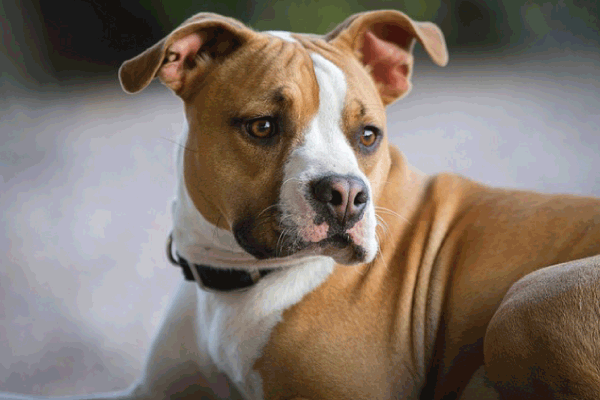
I. INTRODUCTION: THE CANINE MASTER GLAND
The pituitary gland (or hypophysis) is often referred to as the “master gland” of the endocrine system. Though diminutive—roughly the size of a pea in humans, and proportionately smaller in the dog—its function is critical, as it regulates the activity of almost all other glands in the body, including the thyroid, adrenal glands, and reproductive organs.
Understanding the pituitary gland’s structure and function is vital for diagnosing common canine endocrine disorders, such as Cushing’s Disease and Diabetes Insipidus.
II. ANATOMY AND STRUCTURE OF THE CANINE PITUITARY GLAND
A. Location
In dogs, the pituitary gland is strategically located at the base of the brain, nestled within a protective bony structure called the sella turcica (Turkish saddle) of the sphenoid bone.
It is connected directly to the hypothalamus (a region of the brain that controls body temperature, hunger, thirst, and links the nervous system to the endocrine system) via the pituitary stalk, or infundibulum. This connection is crucial for nervous and hormonal communication.
B. Structural Divisions (Lobes)
The canine pituitary gland is functionally and structurally divided into two primary lobes, which arise from different embryonic origins:
1. The Anterior Lobe (Adenohypophysis)
The largest part of the gland, the anterior lobe, is responsible for synthesizing and secreting the majority of pituitary hormones. Its activity is controlled by releasing and inhibiting hormones transported from the hypothalamus via a specialized vascular network called the hypothalamic-hypophyseal portal system.
2. The Posterior Lobe (Neurohypophysis)
The posterior lobe is essentially an extension of the hypothalamus. It does not synthesize its own hormones. Instead, it stores and releases two key hormones that are produced by specialized neurons in the hypothalamus (the supraoptic and paraventricular nuclei).
3. The Pars Intermedia (Intermediate Lobe)
This small area lies between the anterior and posterior lobes. While less prominent in dogs than in some other species (like horses), it plays a role in producing melanocyte-stimulating hormone (MSH).
III. FUNCTIONS: HORMONES AND THEIR ROLES IN DOGS
The hormones secreted or released by the pituitary gland control essential physiological processes, including metabolism, growth, stress response, fluid balance, and reproduction.
A. Hormones of the Anterior Lobe (Adenohypophysis)
These hormones are primarily tropic hormones, meaning they “turn on” or regulate another endocrine gland:
| Hormone | Abbreviation | Primary Target Organ/Tissue | Key Function in Dogs |
|---|---|---|---|
| Adrenocorticotropic Hormone | ACTH | Adrenal Cortex | Stimulates the adrenal glands to produce cortisol (the stress hormone). Crucial role in Canine Cushing’s Disease. |
| Thyroid-Stimulating Hormone | TSH | Thyroid Gland | Stimulates the thyroid to release thyroid hormones (T3 and T4), regulating metabolism. |
| Growth Hormone | GH (Somatotropin) | Liver, Bones, Muscles | Promotes general growth, especially during youth. Regulates protein synthesis and glucose metabolism. Deficiency causes pituitary dwarfism. |
| Prolactin | PRL | Mammary Glands | Stimulates milk production following pregnancy and plays a role in maternal behavior. |
| Follicle-Stimulating Hormone | FSH | Ovaries & Testes | Essential for sperm production (spermatogenesis) in males and the growth of ovarian follicles in females. |
| Luteinizing Hormone | LH | Ovaries & Testes | Triggers ovulation in females and stimulates testosterone production in males. |
B. Hormones of the Posterior Lobe (Neurohypophysis)
These hormones are neuropeptides produced in the hypothalamus and released on demand:
| Hormone | Abbreviation | Primary Target Organ/Tissue | Key Function in Dogs |
|---|---|---|---|
| Antidiuretic Hormone | ADH (Vasopressin) | Kidney Tubules | Crucial for water retention. It increases the permeability of kidney collecting ducts, allowing water to be reabsorbed back into the bloodstream, thus concentrating urine. |
| Oxytocin | OXY | Uterus, Mammary Glands | Stimulates uterine contractions during whelping (parturition) and triggers the let-down reflex for milk ejection during lactation. Also plays a role in social bonding. |
IV. CLINICAL SIGNIFICANCE: PITUITARY DYSFUNCTION IN DOGS
Because the pituitary gland regulates so many critical bodily systems, dysfunction often results in severe, systemic disease.
1. Pituitary-Dependent Hyperadrenocorticism (PDH / Canine Cushing’s Disease)
This is the most common endocrine disorder in dogs. It accounts for about 80-85% of all Cushing’s cases.
- Mechanism: A small, benign tumor (adenoma) develops in the anterior pituitary lobe. This tumor overproduces ACTH.
- Result: The excess ACTH constantly overstimulates the adrenal glands, causing them to hypertrophy (enlarge) and secrete excessive levels of cortisol.
- Symptoms: Increased thirst and urination (polydipsia/polyuria), hair loss, a pendulous abdomen (pot belly), and fragile skin.
2. Central Diabetes Insipidus (CDI)
CDI results from a deficiency in the production or release of ADH (Vasopressin) by the hypothalamus or posterior pituitary.
- Mechanism: Without ADH, the kidneys cannot reabsorb water effectively, leading to excessive water loss.
- Symptoms: Extreme, life-threatening thirst and resulting excessive urination. Dogs may drink 5 to 10 times the normal amount of water.
3. Pituitary Dwarfism
This rare inherited condition, most commonly seen in German Shepherd Dogs, is caused by congenital cysts or tumors that destroy the cells of the anterior pituitary.
- Mechanism: Results in a severe deficiency of Growth Hormone (GH), and often TSH and Prolactin.
- Symptoms: Stunted bone growth, delayed dental development, retention of puppy coat, and, if untreated, typically a shortened lifespan due to secondary health issues.
4. Panhypopituitarism
A severe and rare condition where the entire pituitary gland is non-functional or critically damaged, leading to the deficiency of all pituitary hormones. Immediate treatment is essential to replace the missing hormones vital for survival.
#DogAnatomy, #PituitaryGlands, #CanineHealth, #EndocrineSystem, #DogEndocrine, #Hormones, #HormoneRegulation, #DogHealth, #VeterinaryMedicine, #VetMed, #CanineAnatomy, #PituitaryGland, #Hypophysis, #DogEducation, #LearnAboutDogs, #CanineFacts, #PetHealth, #DogScience, #AnimalPhysiology, #GlandularHealth, #CushingsDisease, #EndocrineHealth, #DogLovers, #PetParents #DogHealth #CanineAnatomy #VetMed #DogEndocrinology #CushingInDogs #PituitaryGland #VeterinaryScience #DogFacts #PetHealthEducation #CanineScience #DogAnatomy #AskAVet #MasterGland






Add comment