

Pneumonia in dogs is a serious respiratory condition characterized by inflammation of the lung tissue, specifically the alveoli (air sacs) and bronchioles (small airways). While various factors like viruses, fungi, parasites, or aspiration of foreign material can cause pneumonia, bacterial infections are a common and often severe form, either as a primary issue or, more frequently, as a secondary complication to other underlying problems. Understanding bacterial pneumonia is crucial for every dog owner, as prompt recognition and aggressive treatment are paramount to a positive outcome. This guide will delve into the causes, signs, diagnosis, treatment, prognosis, prevention, nutritional support, and even the zoonotic risks associated with bacterial pneumonia in dogs.
What is Bacterial Pneumonia?
Bacterial pneumonia occurs when pathogenic bacteria invade and colonize the lower respiratory tract, leading to an inflammatory response within the lungs. This inflammation causes fluid and immune cells to accumulate in the alveoli, impairing the lungs’ ability to efficiently exchange oxygen and carbon dioxide. The result is often difficulty breathing, a persistent cough, and systemic signs of illness due to the body’s struggle to oxygenate tissues and fight off infection. Unlike primary viral infections that often resolve on their own, bacterial pneumonia typically requires antibiotic intervention. It can affect any part of the lung but often manifests as bronchopneumonia, affecting both the bronchi and the surrounding lung tissue.
Causes of Bacterial Pneumonia in Dogs
Bacterial pneumonia in dogs is rarely a primary disease caused solely by bacterial invasion without any predisposing factors. More commonly, bacteria seize an opportunity presented by a weakened immune system, damaged respiratory defenses, or the presence of foreign material in the lungs.
Primary Bacterial Pathogens
While many bacteria can be involved, some of the most frequently isolated pathogens include:
- Bordetella bronchiseptica: A common cause of “kennel cough,” it can easily lead to secondary bacterial pneumonia, especially in young or immunocompromised dogs. It damages the ciliary escalator, impairing mucus clearance.
- Streptococcus spp.: Various species, particularly Streptococcus equi subspecies zooepidemicus, can cause severe and rapidly progressing pneumonia.
- Pasteurella multocida: Often found as a commensal in the upper respiratory tract, but can become pathogenic in compromised lungs.
- Staphylococcus spp.: Another opportunistic pathogen, frequently isolated in mixed infections.
- Mycoplasma spp.: These are unusual bacteria that lack a cell wall and can cause atypical pneumonia, often co-occurring with other bacterial or viral infections. They can be particularly challenging to treat due to their unique structure.
- Klebsiella pneumoniae: A Gram-negative bacterium often associated with severe, often nosocomial (hospital-acquired) infections.
- Escherichia coli: Another Gram-negative bacterium, typically found in the gastrointestinal tract, can cause pneumonia if aspirated.
- Pseudomonas aeruginosa: A highly resistant and often virulent Gram-negative bacterium, particularly problematic in severe or chronic cases, and often associated with aspiration or pre-existing lung damage.
Predisposing Factors
These factors are critical because they weaken the lung’s natural defenses, allowing bacteria to establish an infection:
- Viral Infections: Viral respiratory infections are a leading predisposing factor. Viruses such as Canine Distemper Virus, Canine Parainfluenza Virus, Canine Adenovirus, and Canine Influenza Virus can damage the delicate lining of the respiratory tract (epithelium) and suppress local immune responses. This damage leaves the airways vulnerable for opportunistic bacteria to colonize and thrive, transforming a viral tracheobronchitis into a more severe bacterial pneumonia.
- Aspiration Pneumonia: This is arguably the most common cause of bacterial pneumonia in dogs. It occurs when foreign material, typically vomit, regurgitated stomach contents, water, or inappropriately administered medications, is accidentally inhaled into the lungs instead of being swallowed into the esophagus. The aspirated material often contains bacteria from the mouth and gastrointestinal tract, which then directly introduce infection into the lung tissue. Conditions that increase the risk of aspiration include:
- Megaesophagus: A condition where the esophagus loses its muscle tone and dilates, preventing food and water from reaching the stomach efficiently. This leads to regurgitation and a high risk of aspiration.
- Laryngeal Paralysis: A disorder where the laryngeal cartilages fail to open properly during inhalation, making it difficult to breathe and increasing the risk of aspiration of food or water.
- Vomiting/Regurgitation: Any condition causing frequent or severe vomiting, or passive regurgitation, can lead to aspiration.
- Swallowing Disorders (Dysphagia): Neurological conditions or anatomical abnormalities that impair the swallowing reflex.
- Anesthesia and Sedation: Impaired reflexes during anesthetic procedures can increase aspiration risk.
- Immunosuppression: A weakened immune system significantly compromises the body’s ability to fight off bacterial invaders. Causes of immunosuppression include:
- Underlying Systemic Diseases: Conditions like Cushing’s disease (hyperadrenocorticism), diabetes mellitus, severe kidney disease, or certain cancers.
- Medications: Long-term use of corticosteroids or chemotherapy drugs.
- Stress: Chronic stress can suppress immune function.
- Malnutrition: Inadequate nutrition weakens the immune system.
- Anatomical Abnormalities of the Airway: Certain structural issues can impede normal airflow and mucus clearance.
- Brachycephalic Airway Syndrome: In short-nosed breeds, conditions like stenotic nares, elongated soft palate, and hypoplastic trachea can lead to chronic inflammation, increased negative pressure in the airways, and difficulty clearing secretions.
- Collapsing Trachea: A common condition in small breeds where the tracheal rings collapse, causing a chronic cough and reduced ability to clear mucus.
- Environmental Factors:
- Poor Ventilation: Inadequate air circulation in kennels or homes can concentrate airborne pathogens.
- Overcrowding: Increases the transmission of respiratory diseases.
- Exposure to Irritants: Smoke, dust, chemical fumes, or allergens can irritate the airways and make them more susceptible to infection.
- Extreme Temperatures: Can stress the respiratory system.
- Underlying Systemic Diseases:
- Heart Disease: Congestive heart failure can lead to fluid accumulation in the lungs (pulmonary edema), creating a welcoming environment for bacterial growth.
- Severe Dental Disease: Oral bacteria can be aspirated or spread hematogenously (via bloodstream) to the lungs.
- Neoplasia (Lung Tumors): Tumors can obstruct airways or create focal areas of inflammation that become secondarily infected.
- Parasitic Migration: Rarely, lungworms can cause lung damage that predisposes to bacterial infection.
Signs and Symptoms
The clinical signs of bacterial pneumonia in dogs can range from mild and subtle to severe and life-threatening, depending on the extent of lung involvement, the virulence of the bacteria, and the dog’s overall health and immune status. Symptoms can develop acutely (suddenly) or chronically (over a longer period).
Respiratory Signs:
- Cough: This is one of the most common signs. It can be moist and productive (sounding “wet” or gurgly, sometimes with phlegm coughed up), or dry and hacking. A cough in pneumonia often sounds deeper and more persistent than a simple kennel cough.
- Difficulty Breathing (Dyspnea): The dog may visibly struggle to breathe, characterized by an increased effort, often using abdominal muscles (abdominal breathing).
- Increased Respiratory Rate (Tachypnea): Breathing faster than normal, even at rest.
- Shallow Breathing: Taking short, quick breaths.
- Nasal Discharge: Can be clear initially but rapidly progresses to mucopurulent (thick, discolored, containing mucus and pus), often yellow, green, or blood-tinged.
- Crackles or Wheezes: A veterinarian listening to the chest with a stethoscope may detect abnormal lung sounds, such as crackling (rales, indicating fluid in alveoli) or wheezing (rhonchi, indicating narrowed airways).
- Open-Mouth Breathing: A sign of significant respiratory distress, especially in dogs who normally breathe through their nose.
- Blue-Tinged Gums (Cyanosis): A critical sign indicating severe lack of oxygen. This is an emergency and requires immediate veterinary attention.
- Exercise Intolerance: Reluctance to play or go for walks, tiring quickly during activity.
Systemic Signs:
- Lethargy and Weakness: The dog appears unusually tired, lacks energy, and may be reluctant to move.
- Anorexia: Loss of appetite, leading to reduced food intake.
- Fever: An elevated body temperature, indicating the body’s immune response to infection.
- Weight Loss: Can occur in chronic or severe cases due to anorexia and increased metabolic demands.
- Dehydration: Due to fever, reduced water intake, and increased respiratory fluid loss.
- Depression: A general subdued demeanor.
- Pneumonia may also lead to a general decline in the dog’s overall health, impacting their quality of life.
Early detection of these signs is crucial. If you notice any combination of these symptoms, particularly a persistent cough, difficulty breathing, or lethargy, seek veterinary care immediately.
Dog Breeds at Risk
While any dog can develop bacterial pneumonia, certain breeds are genetically predisposed or have anatomical features that significantly increase their risk. Understanding these predispositions helps owners be more vigilant.
1. Brachycephalic Breeds (e.g., Pugs, Bulldogs, French Bulldogs, Boston Terriers, Boxers): These “short-nosed” breeds are inherently at much higher risk due to a collection of anatomical abnormalities collectively known as Brachycephalic Airway Syndrome (BAS). This syndrome includes stenotic nares (narrow nostrils), an elongated soft palate that obstructs the airway, hypoplastic trachea (narrow windpipe), and everted laryngeal saccules. These issues severely impair airflow, forcing these dogs to breathe harder, which creates increased negative pressure in the airways. This chronic inflammation and difficulty in clearing normal respiratory secretions make their lungs a breeding ground for bacteria. Furthermore, their propensity for regurgitation and vomiting due to gastric reflux issues further increases their risk of aspiration pneumonia, directly introducing bacteria into compromised lungs.
2. Large and Giant Breeds (e.g., German Shepherds, Great Danes, Irish Setters, Golden Retrievers, Labrador Retrievers): These breeds, especially as they age, are predisposed to conditions like megaesophagus and laryngeal paralysis, both of which are major risk factors for aspiration pneumonia. Megaesophagus, a condition where the esophagus dilates and loses its ability to propel food to the stomach, causes food and water to accumulate in the esophagus, making it very easy for the dog to inhale these contents into the lungs. Laryngeal paralysis, common in older large breeds like German Shepherds and Labrador Retrievers, involves a failure of the laryngeal cartilages to open properly during inspiration, diminishing the protective closure mechanism of the airway during swallowing, thus allowing foreign material to enter the trachea.
3. Working and Kennel Dogs (e.g., Beagles, Greyhounds, Siberian Huskies, Sporting Dogs in kennel environments): Dogs housed in close quarters, such as those in kennels, shelters, or dog parks, are at an elevated risk due to increased exposure to various respiratory pathogens. Kennel cough (infectious tracheobronchitis), often caused by Bordetella bronchiseptica and canine parainfluenza virus, can rapidly spread in these environments. While often self-limiting, these initial viral/bacterial infections can quickly escalate into more severe bacterial pneumonia, especially if the dog is stressed, immunocompromised, or if the environment is poorly ventilated. The stress of competitive events or frequent travel can also suppress their immune system, making them more susceptible.
4. Immunocompromised Breeds/Lines (e.g., certain lines of German Shepherds, Doberman Pinschers): While not exclusively breed-specific, some breeds or individual lines within breeds may have a higher incidence of primary immune deficiencies or are prone to diseases that compromise the immune system. For example, some German Shepherds can be predisposed to exocrine pancreatic insufficiency, which can lead to malabsorption and a weakened immune status. Other breeds or individuals may be prone to hypothyroidism or autoimmune diseases requiring immunosuppressive therapy. Any condition that weakens the dog’s ability to fight off infection makes them more vulnerable to developing bacterial pneumonia, especially secondary to other minor insults.
5. Cavalier King Charles Spaniels: These popular companion dogs are notoriously prone to chronic bronchitis and early-onset mitral valve disease. Chronic bronchitis involves persistent inflammation and structural changes in the airways, leading to a chronic cough and impaired mucus clearance, which creates an ideal environment for bacterial colonization. Concurrent heart disease can lead to pulmonary edema (fluid in the lungs), further compromising lung function and increasing susceptibility to secondary bacterial infections.
6. Cocker Spaniels: Some lines of Cocker Spaniels have been identified with a genetic predisposition to primary ciliary dyskinesia (PCD), a rare inherited disorder where the cilia (microscopic hair-like structures lining the respiratory tract) do not move properly. Cilia are crucial for sweeping mucus and trapped particles out of the lungs. When ciliary function is impaired, mucus accumulates, leading to chronic inflammation, recurrent respiratory infections, and eventually bronchiectasis (irreversible dilation of the airways). This chronic state makes them highly susceptible to recurrent bacterial pneumonia.
Owners of these at-risk breeds should be particularly vigilant for respiratory symptoms and discuss preventative strategies with their veterinarians.
Affects Puppy, Adult, or Older Dogs
Bacterial pneumonia can strike dogs of any age, but the underlying reasons and the severity of the disease often differ between age groups.
Puppies: Puppies are particularly vulnerable to bacterial pneumonia. Their immune systems are still developing and are not as robust as those of adult dogs. They are also frequently exposed to pathogens in environments like breeding kennels, pet stores, and shelters, where overcrowding and stress are common. Viral infections (such as canine distemper or parainfluenza) are frequently seen in puppies and can rapidly predispose them to severe secondary bacterial pneumonia. Aspiration pneumonia can also occur in young puppies, especially those with congenital abnormalities like cleft palates or aspiration due to improper bottle feeding. Because of their small size and immature immune systems, puppies can decline very rapidly and suffer more severe outcomes.
Adult Dogs: Adult dogs can also develop bacterial pneumonia, often due to the predisposing factors discussed above. Aspiration pneumonia subsequent to conditions like megaesophagus (acquired later in life) or laryngeal paralysis (which often develops in middle to older age) is a common scenario. Other underlying systemic diseases, trauma, or chronic bronchitis can also set the stage for bacterial infection. The severity in adult dogs varies greatly depending on the cause, the dog’s overall health, and how promptly treatment is initiated. Many healthy adult dogs can recover well with appropriate therapy.
Older Dogs (Geriatric): Geriatric dogs are at a significantly increased risk for bacterial pneumonia and often experience more severe disease and a slower recovery. As dogs age, their immune systems naturally weaken (immunosenescence). They are also more likely to develop chronic underlying conditions such as heart disease (leading to pulmonary edema), kidney disease, diabetes, or severe dental disease, all of which compromise their respiratory and immune health. Age-related conditions like laryngeal paralysis and megaesophagus are also more prevalent in older dogs, making aspiration pneumonia a frequent concern. Older dogs often have diminished muscle mass, making effective coughing more difficult, and they may be less mobile, leading to pooling of secretions. The presence of multiple comorbidities means that treating pneumonia in older dogs can be more challenging, and they are at higher risk for complications.
Diagnosis
Accurate diagnosis of bacterial pneumonia is critical for guiding effective treatment and requires a combination of a thorough physical examination and specific diagnostic tests.
- Veterinary Examination:
- History: The veterinarian will ask detailed questions about the dog’s symptoms, duration, progression, any recent travel, exposure to other animals, vaccination status, and medical history (e.g., previous respiratory issues, vomiting, underlying diseases).
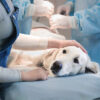
- Physical Exam: A comprehensive examination includes evaluating the dog’s general demeanor, hydration status, mucous membrane color, and body temperature. Crucially, the veterinarian will carefully auscultate (listen to) the lungs and trachea for abnormal sounds like crackles, wheezes, or muffled lung sounds, which are indicative of fluid, inflammation, or consolidation. The respiratory rate and effort will also be assessed.
- Imaging:
- Thoracic Radiographs (X-rays): This is the gold standard for diagnosing pneumonia. X-rays allow the veterinarian to visualize the lung fields and identify characteristic changes such as:
- Bronchointerstitial or Alveolar Pattern: Indicative of inflammation and fluid in the airways and air sacs.
- Consolidation: Areas of lung tissue that become dense and appear white on the X-ray due to fluid and cells filling the alveoli, losing their normal air-filled appearance.
- Air Bronchograms: Visible airways within consolidated lung tissue.
- Lobar Distribution: Pneumonia often affects one or more lung lobes, particularly the cranioventral (front-bottom) lobes in aspiration pneumonia cases.
- Pleural Effusion: Fluid accumulation in the space around the lungs, which can be a complication. Radiographs help differentiate pneumonia from other respiratory conditions like heart failure, tumors, or collapsing trachea. Multiple views (lateral, ventrodorsal/dorsoventral) are typically taken to fully assess all lung lobes. It’s important to note that early-stage pneumonia or very mild cases may not show visible changes on radiographs.
- Thoracic Ultrasound: While less useful for widespread lung tissue visualization than X-rays, ultrasound is excellent for detecting pleural effusion, lung consolidation adjacent to the chest wall, or lung abscesses, and can be used to guide fluid collection (thoracocentesis) or biopsies.
- Computed Tomography (CT Scan): Provides much more detailed cross-sectional images of the lungs and surrounding structures compared to X-rays. A CT scan can detect subtle lesions, delineate the exact extent of pneumonia, identify abscesses or foreign bodies, and differentiate pneumonia from other complex lung pathologies more accurately. It is typically reserved for complex or unresponsive cases.
- Thoracic Radiographs (X-rays): This is the gold standard for diagnosing pneumonia. X-rays allow the veterinarian to visualize the lung fields and identify characteristic changes such as:
- Laboratory Tests:
- Complete Blood Count (CBC): Often reveals an elevated white blood cell count (leukocytosis), particularly an increase in neutrophils (neutrophilia) with a “left shift” (presence of immature neutrophils), indicating an active bacterial infection. Anemia of chronic disease may also be present in long-standing cases.
- Serum Biochemistry Panel: Assesses overall organ function (kidneys, liver), protein levels, and electrolyte balance. This helps evaluate the dog’s general health status, identify any underlying conditions, and monitor for systemic complications.
- Urinalysis: Helps assess hydration status and rule out concurrent urinary tract infections.
- Specific Respiratory Diagnostics (Crucial for Identifying the Pathogen):
- Transtracheal Wash (TTW): A procedure where a sterile catheter is passed into the trachea (windpipe) and sterile saline is flushed into the airways, then immediately aspirated. The collected fluid contains cells and bacteria from the lower respiratory tract. This sample is then submitted for cytology (microscopic examination of cells) and bacterial culture and sensitivity. Cytology can differentiate between inflammatory processes, neoplastic processes, and identify the type of inflammatory cells (e.g., neutrophils, macrophages) and bacteria present. Culture and sensitivity are vital for identifying the specific bacterial pathogen(s) and determining which antibiotics will be most effective.
- Bronchoalveolar Lavage (BAL): Considered the gold standard for collecting samples from the lower airways and alveoli. This procedure is performed under general anesthesia, usually with an endoscope passed into the bronchi. Sterile saline is infused into a specific lung lobe and then aspirated. BAL samples provide a more representative picture of the deep lung environment compared to TTW, which primarily samples the trachea and larger bronchi.
- Culture and Sensitivity: This laboratory test is paramount. Without it, antibiotic therapy is often empirical (based on common pathogens) and may not be effective against resistant bacteria. The test identifies the specific bacteria growing in the sample and then tests their susceptibility to a panel of different antibiotics, providing the veterinarian with a roadmap for targeted treatment.
- PCR Testing: Polymerase Chain Reaction (PCR) tests can detect the genetic material of specific bacterial (e.g., Mycoplasma) or viral pathogens, even if they are difficult to culture or are present in small numbers. This is particularly useful for identifying co-infections.
- Fungal Titers: If fungal pneumonia is suspected, especially in certain geographic regions or if the dog is immunosuppressed, blood tests (serology) or fungal cultures may be performed to rule out or diagnose fungal involvement.
Combining these diagnostic tools allows the veterinarian to confirm a diagnosis of bacterial pneumonia, identify its likely cause, and develop the most effective and targeted treatment plan.
Treatment
Treatment for bacterial pneumonia is aggressive and multi-modal, focusing on eliminating the infection, supporting respiratory function, and addressing any underlying predisposing conditions. Hospitalization is often required for severe cases.
- Antibiotics:
- Empirical Therapy: Initial antibiotic choice is usually broad-spectrum, meaning it targets a wide range of common bacterial pathogens, given immediately upon diagnosis without waiting for culture results. Commonly used empirical antibiotics include potentiated aminopenicillins (e.g., amoxicillin-clavulanate), cephalosporins, doxycycline, or fluoroquinolones. The choice often depends on the dog’s condition, the suspected source of infection (e.g., aspiration vs. kennel cough), and the veterinarian’s experience.
- Culture & Sensitivity Guided Therapy: Once the results from the tracheal wash or BAL culture and sensitivity tests are available (typically 3-5 days), the antibiotic regimen is adjusted to specifically target the identified bacteria and use the most effective drug, especially if the initial empirical choice is not working or if resistant bacteria are found. This step is crucial for successful treatment and preventing antibiotic resistance.
- Duration: Antibiotics must be administered for an extended period, typically 3 to 6 weeks, or even longer in severe or chronic cases. It is vital to continue antibiotic therapy for at least 1 to 2 weeks beyond the resolution of clinical signs and, ideally, radiographic abnormalities. Stopping antibiotics too early is a common cause of relapse.
- Administration: For hospitalized and severely ill dogs, antibiotics are often given intravenously (IV) for rapid absorption and higher tissue concentrations. As the dog improves, they can transition to oral antibiotics at home.
- Supportive Care (Critical for Recovery):
- Oxygen Therapy: Dogs with significant difficulty breathing and low blood oxygen levels (hypoxemia) require supplemental oxygen. This can be delivered via an oxygen cage, nasal cannula, or face mask.
- Fluid Therapy: Intravenous (IV) fluids are administered to maintain hydration, correct electrolyte imbalances, support cardiovascular function, and help thin respiratory secretions, making them easier to clear.
- Nebulization: Involves administering a fine mist of sterile saline (sometimes with mucolytics like acetylcysteine) directly into the airways. This moistens the respiratory tract, helps loosen thick mucus, and can deliver medications directly to the lungs. Nebulization should be performed frequently (e.g., 2-4 times daily).
- Coupage (Percussion): This physical technique involves gently but firmly patting the dog’s chest wall with a cupped hand. This creates vibrations that help dislodge and move mucus and secretions from the smaller airways into larger ones, where they can be coughed up and swallowed. Coupage should be performed for 5-10 minutes, several times a day, particularly after nebulization.
- Bronchodilators: Medications like theophylline or terbutaline may be used to relax the smooth muscles in the airways and improve airflow, especially if there is evidence of bronchoconstriction. They must be used cautiously, as they can sometimes worsen heart conditions.
- Mucolytics: Oral or nebulized mucolytic agents (e.g., N-acetylcysteine) can help break down thick, tenacious mucus, making it easier to expectorate.
- Anti-inflammatory Drugs: Non-steroidal anti-inflammatory drugs (NSAIDs) may be cautiously used to manage fever and inflammation, but their use must be weighed against potential side effects and never used with corticosteroids. Corticosteroids are generally avoided during the active bacterial infection phase as they can suppress the immune system and worsen the infection. They may be considered in very specific chronic cases or if an immune-mediated component is diagnosed after the infection is controlled.
- Nutrition: Maintaining adequate nutrition is paramount for recovery. Anorexic dogs may require appetite stimulants (e.g., mirtazapine, capromorelin) or, in severe cases, assisted feeding via a nasogastric, esophageal, or gastrostomy feeding tube. Highly digestible, calorie-dense foods are preferred.
- Monitoring: Close monitoring of respiratory rate and effort, oxygen saturation (via pulse oximetry), body temperature, appetite, and hydration status is essential throughout treatment. Repeat thoracic radiographs are often performed to monitor resolution of the pneumonia.
- Addressing Underlying Conditions:
- If an underlying condition like megaesophagus, laryngeal paralysis, or heart disease is identified, it must be managed concurrently. This might involve dietary modifications (e.g., elevated feeding for megaesophagus), surgery (e.g., laryngeal tie-back), or appropriate medication for heart disease. Failure to address these predisposing factors will likely lead to recurrent pneumonia.
Treatment of bacterial pneumonia is intensive and requires a strong commitment from both the veterinary team and the owner. Close adherence to the prescribed treatment plan, especially the full course of antibiotics, is vital for successful recovery.
Prognosis & Complications
The prognosis for dogs with bacterial pneumonia varies widely, influenced by several factors, including the severity of the infection, the specific bacteria involved, the presence and nature of underlying conditions, the dog’s age and overall health, and how quickly appropriate treatment is initiated.
Prognosis:
- Good Prognosis: Dogs with mild to moderate pneumonia, those without significant underlying diseases, and those who receive prompt and appropriate diagnosis and treatment generally have a good to excellent prognosis. Young, otherwise healthy dogs tend to recover well.
- Guarded to Poor Prognosis:
- Severe Pneumonia: Extensive lung involvement, severe hypoxemia, and profound respiratory distress indicate a more guarded prognosis.
- Aspiration Pneumonia: Carries a poorer prognosis because the aspirated material can cause significant chemical irritation in addition to bacterial infection, and underlying causes (e.g., megaesophagus) are often chronic and difficult to manage.
- Resistant Bacteria: Infection with multidrug-resistant bacteria can make treatment extremely challenging and prolong recovery.
- Immunosuppressed Dogs: Dogs with weakened immune systems (e.g., due to Cushing’s, diabetes, long-term steroids) have a higher risk of complications and poorer outcomes.
- Significant Underlying Conditions: Dogs with severe heart disease, chronic lung disease, or other debilitating illnesses often have a guarded prognosis as their bodies are less able to cope with the added stress of pneumonia.
- Delay in Treatment: Delayed diagnosis and treatment allow the infection to become more entrenched and cause more lung damage, worsening the prognosis.
- Age: Very young puppies and geriatric dogs often have a more guarded prognosis due to their immature or compromised immune systems and potential comorbidities.
Complications:
Even with aggressive treatment, bacterial pneumonia can lead to a number of serious complications:
- Pleural Effusion: Accumulation of fluid in the pleural space (the area between the lungs and the chest wall). This fluid can compress the lungs, making breathing even more difficult.
- Pyothorax (Empyema): A severe form of pleural effusion where the fluid is purulent (pus). This is an emergency condition requiring surgical drainage of the pus and intensive antibiotic therapy.
- Lung Abscessation: Localized pockets of pus and infection within the lung tissue. Abscesses are difficult to treat with antibiotics alone and may require prolonged therapy or surgical removal.
- Acute Respiratory Distress Syndrome (ARDS): A life-threatening inflammatory condition of the lungs that leads to severe hypoxemia and significant respiratory failure. It represents a severe, widespread inflammatory response in the lungs.
- Sepsis/Systemic Inflammatory Response Syndrome (SIRS): If the bacterial infection spreads beyond the lungs into the bloodstream, it can cause a severe whole-body inflammatory response that can lead to organ dysfunction and failure throughout the body. This is a critical medical emergency.
- Bronchiectasis: Irreversible dilation and damage to the bronchi (airways). This condition results from chronic inflammation and infection, leading to impaired mucus clearance and a predisposition to recurrent lung infections.
- Chronic Lung Disease/Fibrosis: Permanent scarring and thickening of the lung tissue can occur after severe or recurrent pneumonia, leading to reduced lung function and chronic respiratory problems.
- Recurrent Pneumonia: If the underlying predisposing factors (e.g., megaesophagus, laryngeal paralysis, chronic bronchitis) are not effectively managed or resolved, the dog is highly susceptible to repeated episodes of pneumonia.
- Death: In severe, unresponsive, or complicated cases, bacterial pneumonia can be fatal despite aggressive treatment. The mortality rate is higher in cases of aspiration pneumonia, resistant infections, and in dogs with significant comorbidities.
Owners must be fully informed about the potential for complications and the importance of vigilant monitoring during and after treatment.
Prevention
Preventing bacterial pneumonia primarily involves minimizing exposure to pathogens, maintaining a strong immune system, and proactively managing any predisposing conditions.
- Vaccination:
- “Kennel Cough” Vaccine: Vaccinations against Bordetella bronchiseptica (bacterial) and Canine Parainfluenza Virus (viral) are crucial, especially for dogs who frequent kennels, dog parks, grooming facilities, or any place with high dog density. These pathogens are common initiators of respiratory disease that can progress to bacterial pneumonia.
- Core Vaccines: Ensure your dog is up-to-date on core vaccinations, including Canine Distemper and Adenovirus, which cause severe viral diseases that heavily predispose to bacterial pneumonia.
- Canine Influenza Virus Vaccine: Consider this vaccine if canine influenza is prevalent in your region or if your dog has a high-exposure lifestyle.
- Good Hygiene and Environment:
- Clean Living Spaces: Regularly clean and disinfect your dog’s living areas, bedding, and food/water bowls.
- Proper Ventilation: Ensure good air circulation in kennels and homes to reduce the concentration of airborne pathogens and irritants.
- Avoid Overcrowding: Minimize your dog’s exposure to large groups of unfamiliar dogs, especially in poorly managed environments.
- Reduce Exposure to Irritants: Protect your dog from smoke, heavy dust, strong chemical fumes, and other environmental pollutants that can irritate the respiratory tract.
- Manage Underlying Conditions Proactively:
- Megaesophagus: For dogs diagnosed with megaesophagus, strict management is vital. This includes feeding elevated, feeding small, frequent meals of appropriate consistency (e.g., gruel, meatballs, liquid diet), and avoiding exercise immediately after eating.
- Laryngeal Paralysis: If your dog is diagnosed with laryngeal paralysis, discuss surgical options (e.g., laryngeal tie-back) with your veterinarian to significantly reduce the risk of aspiration.
- Heart Disease: Manage heart conditions with appropriate medications to prevent pulmonary edema, which can predispose to infection.
- Dental Disease: Regular dental care and prompt treatment of severe dental disease reduce the bacterial load in the mouth, lessening the risk of aspiration of oral bacteria.
- Other Systemic Diseases: Keep underlying conditions like diabetes, Cushing’s disease, or hypothyroidism well-controlled through appropriate veterinary care.
- Careful Feeding and Medication Administration:
- For dogs prone to regurgitation or aspiration, feed them in an elevated position, offer small, frequent meals, and ensure the food consistency is appropriate (e.g., not too watery or too chunky).
- When administering liquid medications, do so slowly and carefully to prevent aspiration. Pill “guns” can help ensure pills go down the esophagus without being inhaled.
- Regular Veterinary Check-ups:
- Routine veterinary examinations are crucial for the early detection and management of health issues that could predispose to pneumonia. Your vet can identify subtle signs of underlying disease.
- Stress Reduction:
- Minimize stress for your dog, especially if they are in a kennel environment or undergoing significant changes, as stress can suppress the immune system.
- Prompt Treatment of Minor Respiratory Symptoms:
- Do not ignore a persistent cough, runny nose, or mild lethargy. Early intervention for minor respiratory infections (e.g., kennel cough) can prevent them from progressing to full-blown bacterial pneumonia.
By implementing these preventative strategies, dog owners can significantly reduce the risk of their canine companions developing bacterial pneumonia and promote overall respiratory health.
Diet and Nutrition During Recovery
Proper diet and nutrition are indispensable components of recovery from bacterial pneumonia. Fighting infection, repairing damaged lung tissue, and regaining strength demand significant energy and specific nutrients.
- High Palatability and Digestibility:
- Dogs with pneumonia are often anorexic due to fever, lethargy, and general malaise. It’s crucial to offer highly palatable, aromatic foods that encourage eating. Warming food slightly or adding low-sodium broth can make it more appealing.
- Choose easily digestible diets to minimize gastrointestinal upset and ensure nutrient absorption. Veterinary therapeutic diets designed for critical care or convalescence are often ideal as they are calorie-dense, highly digestible, and balanced.
- Small, Frequent Meals:
- Instead of large meals, offer small portions frequently throughout the day. This is less overwhelming for an anorexic or nauseous dog and can help stimulate appetite.
- Hydration:
- Ensure constant access to fresh, clean water. Dehydration can thicken respiratory secretions, making them harder to clear, and also worsens overall health. Adding extra water to wet food or offering a hydrating broth can help. Intravenous fluid therapy may be necessary in hospitalized patients.
- Appetite Stimulants:
- If anorexia is severe or persistent, your veterinarian may prescribe appetite stimulants like mirtazapine or capromorelin to encourage food intake. These can be very effective in jump-starting an appetite.
- Assisted Feeding (Feeding Tubes):
- For dogs with prolonged or severe anorexia that cannot be managed with appetite stimulants, assisted feeding via a feeding tube (e.g., nasogastric, esophageal, or gastrostomy tube) is a life-saving intervention. This ensures consistent nutrient delivery, which is vital for immune function and recovery.
- Nutrient Focus:
- High-Quality Protein: Protein is essential for immune cell production, antibody synthesis, and tissue repair (including lung tissue). Ensure the diet contains a high level of highly digestible, high-quality animal-based protein.
- Energy Density: Recovery requires a lot of energy. Opt for calorie-dense foods to ensure the dog meets its energy requirements without needing to eat large volumes, which might be difficult for a sick animal.
- Vitamins and Minerals: Ensure adequate intake of all essential vitamins and minerals.
- B Vitamins: Crucial for energy metabolism and appetite.
- Vitamin C and E: Powerful antioxidants that help combat oxidative stress caused by inflammation in the lungs.
- Zinc: Vital for immune system function.
- Omega-3 Fatty Acids: These polyunsaturated fatty acids (EPA and DHA), found in fish oil, have anti-inflammatory properties that can help modulate the systemic and pulmonary inflammatory response.
- Antioxidants: Ingredients rich in antioxidants (e.g., fruits, vegetables, specific supplements) can help neutralize free radicals generated during inflammation and infection, protecting delicate lung tissues.
- Avoidance:
- For dogs prone to aspiration, avoid foods or liquids that exacerbate this risk. This often means avoiding very watery foods unless given through a feeding tube, and ensuring the consistency is appropriate for their specific condition (e.g., gruel-like for megaesophagus). Discuss this with your veterinarian.
A well-supported nutritional plan can significantly shorten recovery time, reduce the risk of secondary complications, and improve the overall prognosis for dogs recovering from bacterial pneumonia.
Zoonotic Risk
The zoonotic risk associated with bacterial pneumonia in dogs, meaning the risk of transmission from an infected dog to a human, is generally considered low for the vast majority of cases. Most bacterial pneumonia in dogs is caused by opportunistic bacteria that are either species-specific or are common environmental flora that do not readily infect humans.
However, there are a few important considerations and exceptions:
- Bordetella bronchiseptica: While primarily a canine pathogen causing “kennel cough,” Bordetella bronchiseptica can, in rare instances, cause respiratory disease in humans, particularly those who are severely immunocompromised (e.g., individuals undergoing chemotherapy, organ transplant recipients, people with HIV/AIDS, or very young infants/elderly individuals with weakened immunity). The illness in humans usually manifests as a mild upper respiratory infection, but more severe pneumonia has been reported.
- Streptococcus equi subspecies zooepidemicus: This bacterium is more commonly associated with horses but can cause severe and rapidly fatal pneumonia in dogs. There have been rare reports of human infections, primarily in individuals with close contact with infected animals and often with some degree of immunosuppression. These human infections can also be severe.
- Multidrug-Resistant Organisms (MDROs): If a dog is infected with a multidrug-resistant bacterium, such as Methicillin-Resistant Staphylococcus aureus (MRSA) or Methicillin-Resistant Staphylococcus pseudintermedius (MRSP), there is a theoretical, albeit low, risk of transmission of the resistant strain to humans. While the dogs may carry these bacteria on their skin or in their respiratory tract, actual pneumonia transmission is less common than simple carriage. However, if a human is immunocompromised and comes into contact with an MDRO-carrying dog, they could potentially develop an infection, though the source of human MDRO infections is more often hospital or community exposure.
- Mycoplasma spp.: Canine Mycoplasma species are generally distinct from human Mycoplasma pneumoniae, which causes “walking pneumonia” in people. Transmission of canine Mycoplasma to humans is not a recognized significant risk.
Key takeaway for owners:
- Good Hygiene: Always practice excellent hand hygiene (washing hands thoroughly with soap and water) after handling a sick dog, especially after contact with nasal discharge, saliva, or any respiratory secretions.
- Avoid Close Contact for Immunocompromised Individuals: If someone in the household is immunocompromised, it’s prudent to minimize direct, close face-to-face contact (e.g., allowing the dog to lick their face) with a dog suffering from pneumonia.
- Consult a Physician: If a person develops respiratory symptoms after contact with a dog diagnosed with pneumonia, they should inform their physician about the dog’s illness, especially if they have any underlying health conditions that compromise their immune system.
While the risk is generally small, awareness and basic hygiene precautions are always recommended when caring for a sick animal.
Conclusion
Bacterial pneumonia in dogs is a formidable illness that demands immediate and comprehensive attention. Far from being a simple cough, it represents a serious compromise of the respiratory system, often secondary to other underlying health challenges. From understanding the myriad causes and recognizing the nuanced signs, to navigating the complexities of diagnosis and undertaking the intensive journey of treatment and recovery, owning a dog with pneumonia requires vigilance, dedication, and close collaboration with a veterinary team.
While the prospect of pneumonia can be daunting, a thorough grasp of the predisposing factors allows for proactive prevention strategies, from diligent vaccination and environmental management to the astute handling of conditions like megaesophagus. Furthermore, emphasizing appropriate nutrition and understanding the prognosis, potential complications, and even the low but present zoonotic risks empowers owners to provide the best possible care for their cherished companions. With prompt, aggressive, and informed intervention, many dogs can make a full recovery, reaffirming the profound bond between humans and their canine friends.
#DogPneumonia #CanineHealth #BacterialPneumonia #DogLungInfection #VeternaryCare #PetHealth #DogRespiratory #AspirationPneumonia #KennelCough #DogBreeding #BrachycephalicDogs #Megaesophagus #LaryngealParalysis #DogWellness #PuppyHealth #SeniorDogCare #DogDiagnosis #PetTreatment #AntibioticsForDogs #OxygenTherapy #Nebulization #DogRecovery #PetComplications #PneumoniaPrevention #DogVaccination #PetNutrition #ZoonoticRisk #DogCare #HealthyDogs





Add comment