
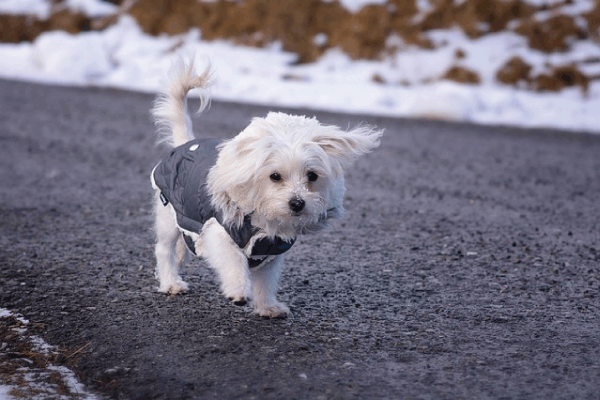
As the seasons change and vibrant blooms emerge, many dog owners delight in the increased opportunities for outdoor adventures with their canine companions. However, for a significant portion of our furry friends, this joyous transition can usher in an uncomfortable and sometimes distressing period. Pollen allergies, a common environmental sensitivity in dogs, can transform a happy-go-lucky pup into a miserable itch-ridden mess. This guide aims to provide an in-depth understanding of pollen allergies in dogs, from recognizing the subtle (and not-so-subtle) signs to exploring the various diagnostic approaches and effective management strategies available to help your dog live a comfortable and itch-free life.
Understanding Pollen Allergies in Dogs: The Immune System’s Misguided Response
At its core, a pollen allergy is an overreaction of a dog’s immune system to otherwise harmless substances found in pollen. When a dog with pollen allergies inhales or comes into contact with pollen, their immune system mistakenly identifies it as a threat. In response, it releases a cascade of chemicals, most notably histamine. Histamine is a crucial component of the allergic response, triggering inflammation and a range of symptoms that manifest as discomfort and irritation for your dog.
Unlike humans, who often experience respiratory symptoms like sneezing and watery eyes with pollen allergies, dogs primarily exhibit skin-related issues. This difference highlights the unique way canine immune systems respond to environmental allergens.
Why Are Some Dogs More Prone to Pollen Allergies?
Several factors contribute to a dog’s predisposition to developing pollen allergies:
- Genetics: This is arguably the most significant factor. Certain breeds have a higher genetic likelihood of developing atopic dermatitis, the medical term for allergic skin disease, which commonly includes pollen allergies. Breeds such as Golden Retrievers, Labrador Retrievers, German Shepherds, Bulldogs, West Highland White Terriers, and many others are often cited as being more susceptible. If a dog’s parents or close relatives have allergies, their offspring are at an increased risk.
- Age: While pollen allergies can manifest at any age, they often appear in young adult dogs, typically between one and three years old. The immune system is still developing in younger dogs, and it may take time for these sensitivities to emerge.
- Environmental Exposure: Dogs that are frequently exposed to a variety of pollens, especially during peak seasons, are more likely to develop allergies. This can include dogs living in regions with diverse flora or those who spend a lot of time outdoors.
- Gut Health: Emerging research suggests a strong link between gut health and the immune system. A compromised gut microbiome might contribute to a dysregulated immune response, potentially making dogs more susceptible to allergies.
- Early Life Experiences: Factors like diet during puppyhood, exposure to antibiotics, and the mother’s health during gestation can play a role in the development of the immune system and, consequently, allergies.
Identifying the Culprits: Common Pollen Types and Their Seasons
Pollen is a fine powder produced by plants for fertilization. It’s released into the air, and dogs can encounter it through inhalation, skin contact, or even by ingesting it if it settles on their food or water. The types of pollen and their peak seasons vary geographically, but some common culprits include:
- Tree Pollens: Often the first to appear in late winter and spring. Common offenders include oak, birch, maple, cedar, and pine.
- Grass Pollens: Typically prevalent during late spring and summer. Varieties like timothy, rye, orchard, and Bermuda grass are frequent triggers.
- Weed Pollens: Usually appear in late summer and fall. Ragweed is a notorious allergen, along with sagebrush, nettle, and plantain.
It’s important to note that a dog might be allergic to one specific type of pollen or a combination of several. Furthermore, the “allergy season” for a dog can be longer than what a human might experience, as they are exposed to a continuous cycle of different pollens throughout the year, or their allergy might be to pollens that bloom at different times.
Recognizing the Signs: What Does a Pollen Allergy Look Like in Dogs?
The hallmark of pollen allergies in dogs is itching (pruritus). This itching can be localized to specific areas or be generalized all over the body. While humans might scratch an itchy arm, dogs tend to express their discomfort in various ways, often leading to secondary problems.
Here are the common signs and symptoms of pollen allergies in dogs:
- Intense Itching: This is the primary symptom. You might observe your dog:
- Excessive scratching: With hind legs, particularly at the base of the tail or behind the ears.
- Licking and chewing: Especially at their paws, flanks, belly, and groins.
- Rubbing their face and ears: Against furniture, carpets, or your legs.
- “Scooting”: Dragging their rear end on the ground, though this can also indicate anal gland issues.
- Skin Inflammation and Redness (Erythema): The affected areas will often appear red, inflamed, and hot to the touch.
- Hair Loss (Alopecia): Constant licking, chewing, and scratching can lead to thinning of the fur and, in severe cases, bald patches. This is often seen on the paws, belly, and flanks.
- Skin Infections: The compromised skin barrier due to itching and inflammation makes dogs highly susceptible to secondary bacterial and yeast infections.
- Bacterial Infections (Pyoderma): May manifest as small, red bumps (papules), pus-filled bumps (pustules), crusting, and a “hot spot” appearance.
- Yeast Infections (Malassezia Dermatitis): Often occur in warm, moist areas like the ears, armpits, groin, and between the toes. These infections typically cause greasiness, thickened skin, and a distinct, often unpleasant, musty odor.
- Ear Infections (Otitis Externa): Pollen allergies are a leading cause of recurrent ear infections in dogs. Symptoms include:
- Shaking the head.
- Rubbing the ears.
- Redness and swelling of the ear canal.
- Discharge (waxy or pus-like).
- A foul odor from the ears.
- Paw Problems: Paws are particularly vulnerable to pollen contact. You might see:
- Red, swollen paws.
- Excessive licking and chewing of paws.
- Interdigital cysts or infections between the toes.
- Cracked or rough paw pads.
- Facial and Eye Issues:
- “Allergic shiners” – Darkening of the skin under the eyes due to poor circulation from inflammation.
- Red, watery eyes (conjunctivitis).
- Rubbing the face on surfaces.
- Gastrointestinal Upset (Less Common): While primarily a skin issue, some dogs may experience mild gastrointestinal symptoms like vomiting or diarrhea, though this is less typical for pollen allergies compared to food allergies.
It’s crucial to understand that not all dogs will exhibit all these symptoms, and the severity can vary greatly from mild to severe. Some dogs might have a seasonal pattern to their symptoms, becoming worse during certain times of the year when pollens are abundant. Others might experience year-round discomfort if they are sensitive to multiple allergens or if their environment consistently contains triggers.
Diagnosing Pollen Allergies: Unraveling the Mystery
Diagnosing pollen allergies in dogs can be a process of elimination and scientific testing. Your veterinarian will play a key role in guiding you through this journey.
1. The Veterinary Consultation: Gathering Information
The first and most important step is a thorough discussion with your veterinarian. They will ask detailed questions about:
- The onset and duration of symptoms: When did the itching start? Is it seasonal or year-round?
- The nature of the itching: Where does your dog itch the most? How severe is it?
- Diet: What does your dog eat? Have there been any recent food changes? (To rule out food allergies, which can mimic pollen allergies).
- Environmental factors: Where does your dog spend most of its time? Any changes in the home or yard? Exposure to other animals?
- Previous treatments: What have you tried so far, and what was the outcome?
- General health: Any other health concerns or medications?
2. Physical Examination: Assessing the Damage
Your veterinarian will perform a comprehensive physical examination, paying close attention to:
- Skin condition: Looking for redness, inflammation, hair loss, infections, and lesions.
- Ear canals: Checking for signs of infection or inflammation.
- Paw health: Examining the paws for redness, swelling, and signs of irritation.
- Lymph nodes: Palpating for enlargement, which can indicate infection or inflammation.
3. Ruling Out Other Causes: The Differential Diagnosis
It’s essential to differentiate pollen allergies from other conditions that can cause similar symptoms. Your vet will consider and rule out:
- Parasites: Flea allergy dermatitis (FAD) is incredibly common and can cause intense itching, especially on the hindquarters. Mites (scabies, demodex) and lice can also cause skin irritation. Skin scrapings and flea combing are part of this assessment.
- Bacterial and Yeast Infections: As mentioned, these are often secondary to allergies but can sometimes be the primary issue or a significant complicating factor. Cytology (microscopic examination of skin cells) is crucial for identifying these organisms.
- Food Allergies: These can present with very similar signs to pollen allergies, including itching and skin infections. Food trials are the gold standard for diagnosing food allergies.
- Contact Dermatitis: A reaction to something the dog directly touches (e.g., cleaning products, certain fabrics).
- Autoimmune Diseases: Less common but can cause skin lesions.
- Other underlying medical conditions: Hormonal imbalances or other systemic diseases.
4. Allergy Testing: Identifying the Specific Triggers
Once other causes have been reasonably ruled out or addressed, your veterinarian can recommend specific allergy testing to identify pollen allergens. There are two main types:
- Intradermal Skin Testing (IDST): This is considered the “gold standard” for diagnosing environmental allergies.
- Procedure: The dog is typically sedated or lightly anesthetized. Hair is clipped from a small area of the trunk, and a tiny amount of a suspected allergen is injected just under the skin. A control injection (saline) is also given.
- Interpretation: The skin is then observed for reactions. A raised, red wheal at the injection site, similar to a mosquito bite, indicates a positive reaction to that allergen.
- Advantages: Highly accurate, visually provides immediate results, and can test a wide range of allergens.
- Disadvantages: Requires sedation, can be influenced by medications (e.g., steroids), and needs to be performed by a veterinarian trained in the procedure.
- Serum Allergy Testing (Blood Testing): This involves taking a blood sample from the dog.
- Procedure: A blood sample is sent to a laboratory where specific antibodies (IgE) against various allergens are measured.
- Interpretation: Elevated levels of IgE to certain pollens suggest a sensitivity.
- Advantages: Non-invasive, can be performed by any veterinarian, not affected by recent steroid use.
- Disadvantages: Generally considered less accurate than intradermal testing, can have more false positives and false negatives, and the interpretation can sometimes be challenging.
It’s important to remember that allergy testing identifies sensitivities, not necessarily allergies. A dog might have a positive reaction on a test but not show clinical signs of allergy to that specific allergen. The veterinarian will correlate the test results with the dog’s clinical signs and history to make a diagnosis.
Managing Pollen Allergies: A Multi-faceted Approach
Unfortunately, there is no cure for pollen allergies in dogs. The goal of management is to control symptoms, improve your dog’s quality of life, and prevent secondary complications. A successful management plan is usually multi-modal, meaning it involves several strategies tailored to the individual dog.
1. Allergen Avoidance: Minimizing Exposure
While complete avoidance of pollen is impossible, you can take steps to reduce your dog’s exposure:
- Monitor Pollen Counts: Stay informed about local pollen counts. On high-pollen days, limit your dog’s outdoor time, especially during peak pollen release times (early morning and late afternoon).
- Wipe Down After Walks: After every outdoor excursion, wipe your dog’s coat with a damp cloth or pet-safe cleansing wipe to remove pollen from their fur. This is especially important before they lie on furniture or in their bed.
- Bathe Regularly: Regular bathing with a hypoallergenic or medicated shampoo recommended by your vet can help wash away allergens from the skin. The frequency will depend on your dog’s skin condition and the severity of their allergies.
- Keep Windows Closed: During high pollen seasons, keep household windows and doors closed to prevent pollen from entering.
- Air Purifiers: Consider using HEPA air purifiers in your home, especially in areas where your dog spends a lot of time.
- Clean Bedding Frequently: Wash your dog’s bedding often in hot water to remove any accumulated allergens.
- Avoid Peak Pollen Areas: If certain areas are particularly dense with specific allergenic plants (e.g., a field of ragweed), try to avoid them.
2. Medical Management: Alleviating Symptoms
Several medications can be used to control the inflammation and itching associated with pollen allergies. Your veterinarian will prescribe the most appropriate options based on your dog’s specific needs and the severity of their symptoms.
- Antihistamines: While less effective in dogs than in humans, some antihistamines can provide mild relief for some dogs, especially when used in combination with other treatments. Their effectiveness varies greatly among individual dogs.
- Corticosteroids (e.g., Prednisolone, Dexamethasone): These are very effective at rapidly reducing inflammation and itching. However, they come with significant potential side effects with long-term use, including increased thirst and urination, increased appetite, weight gain, panting, potential for gastrointestinal ulcers, and a suppressed immune system, making them more prone to infections. They are often used for short periods to gain control over severe flare-ups.
- Cyclosporine (Atopica): This is an immunosuppressant medication that works by modulating the immune system’s response. It is generally well-tolerated and can be a good option for dogs needing long-term management, as it has fewer side effects than long-term steroids. It can take several weeks to see the full effect.
- Oclacitinib (Apoquel): This is a newer medication specifically designed to target the itch signals in dogs. It works by inhibiting Janus kinase (JAK) enzymes, which are involved in the itch pathway. Apoquel is highly effective at relieving itching and generally has a good safety profile with fewer side effects than steroids.
- Lokivetmab (Cytopoint): This is a monoclonal antibody therapy that targets interleukin-31 (IL-31), a key cytokine involved in the itch response. It is given as an injection and provides relief for several weeks. Cytopoint is very safe and has minimal to no side effects.
- Topical Therapies: Medicated shampoos, conditioners, mousses, and sprays containing ingredients like chlorhexidine, ketoconazole, miconazole, or oatmeal can help soothe the skin, reduce inflammation, and combat secondary infections.
3. Managing Secondary Infections
As pollen allergies compromise the skin barrier, secondary bacterial and yeast infections are common. It’s crucial to treat these infections promptly to prevent further discomfort and skin damage.
- Antibiotics: Oral or topical antibiotics will be prescribed to treat bacterial infections.
- Antifungals: Oral or topical antifungal medications will be used to treat yeast infections.
- Medicated Shampoos: As mentioned above, these play a vital role in managing infections and soothing the skin.
4. Immunotherapy (Allergy Shots/Oral Drops): Retraining the Immune System
Also known as desensitization or hyposensitization, immunotherapy is a long-term treatment that aims to retrain your dog’s immune system to become less reactive to specific allergens.
- How it Works: Based on the results of allergy testing, a personalized extract is created containing small amounts of the allergens your dog is sensitive to. This extract is then administered to your dog in gradually increasing doses over time.
- Administration: This can be done through:
- Subcutaneous injections (allergy shots): Administered by the owner at home, typically every few weeks.
- Sublingual drops (oral drops): Administered under the tongue.
- Effectiveness: Immunotherapy can be very effective in many dogs, leading to a significant reduction in itching and reliance on other medications. It can take several months to a year to see the full benefits.
- Commitment: This is a long-term commitment, often requiring ongoing treatment for the dog’s lifetime.
- Ideal Candidate: It is generally recommended for dogs who are too young for immunotherapy, those with severe allergies who don’t respond well to other treatments, or as a way to reduce the need for daily medications.
5. Dietary Management and Supplements
While pollen allergies are not caused by food, a healthy diet is crucial for overall skin health and immune function.
- High-Quality Diet: Feeding a balanced, high-quality diet can support a healthy skin barrier and immune system.
- Omega-3 Fatty Acids: Supplementation with Omega-3 fatty acids (EPA and DHA) from fish oil can help reduce inflammation and improve skin barrier function. Consult your veterinarian for the appropriate dosage.
- Probiotics: Supporting gut health with probiotics may play a role in modulating the immune system and improving overall well-being.
Home Care and Prevention: Empowering the Owner
As a dog owner, you are on the front lines of managing your dog’s pollen allergies. Here are some proactive measures you can take:
- Regular Grooming: Brushing your dog regularly can help remove loose fur and distribute natural skin oils. Professional grooming may be beneficial for some breeds.
- Paw Care: After walks, gently wash your dog’s paws with plain water or a pet-safe paw wipe to remove pollen. Trim excess hair between the paw pads, as this can trap allergens and moisture.
- Environmental Control: Regularly vacuum your home, especially carpets and upholstery, to remove dander and allergens.
- Observe and Record: Keep a journal of your dog’s symptoms, the timing, and any treatments you are using. This information can be invaluable for your veterinarian in adjusting the treatment plan.
- Be Patient: Managing allergies is often a journey. What works for one dog may not work for another. It requires patience, consistent effort, and a strong partnership with your veterinarian.
The Emotional Toll: Supporting Your Itchy Dog
It’s important to remember that your dog’s discomfort can also take an emotional toll on you. Seeing your beloved companion constantly itchy and uncomfortable can be distressing. However, it’s crucial to remain calm and patient. Your dog can sense your frustration, which may exacerbate their anxiety. Celebrate small victories and focus on the progress you are making together.
When to Seek Veterinary Care: Don’t Wait for it to Get Worse
While mild itching might seem manageable initially, it’s always best to consult your veterinarian if you notice any of the following:
- Persistent or worsening itching: If the itching is not improving or is becoming more intense.
- Visible skin changes: Redness, swelling, sores, crusting, or hair loss.
- Signs of infection: Foul odor from the skin or ears, discharge, hot spots.
- Changes in behavior: Lethargy, loss of appetite, or signs of pain.
- Recurrent ear infections: If your dog experiences ear infections multiple times a year.
Conclusion: A Partnership for Comfort
Pollen allergies in dogs are a common and often frustrating condition for both pets and their owners. Understanding the underlying causes, recognizing the diverse symptoms, and working closely with your veterinarian are key to developing an effective management plan. By employing a combination of allergen avoidance, appropriate medical treatments, diligent care, and potentially long-term strategies like immunotherapy, you can significantly improve your dog’s quality of life, allowing them to enjoy their time outdoors and thrive without the constant burden of itching and discomfort. The journey may require patience and persistence, but the reward of a happy, comfortable, and itch-free canine companion is well worth the effort.
#DogAllergies #PollenAllergies #CanineAllergies #AtopicDermatitis #DogSkinProblems #ItchyDog #DogItch #DogHealth #PetHealth #AllergySeason #DogCare #VeterinaryDermatology #DogTips #HappyDog #HealthyDog #DogLife #FleaAllergyDermatitis (mentioning to rule out) #EarInfections #DogLickingPaws #AllergyManagement #DogTreatment #ApoquelForDogs #CytopointForDogs #ImmunotherapyForDogs #DogOwners #PetOwners #VeterinaryMedicine #CanineHealth #AllergySolutions #SeasonalDogAllergies #EnvironmentalAllergies #DogGrooming #PetWellness #DermatologyForDogs #AllergicCanine #PollenSensitivity #DogWellnessJourney







Add comment