
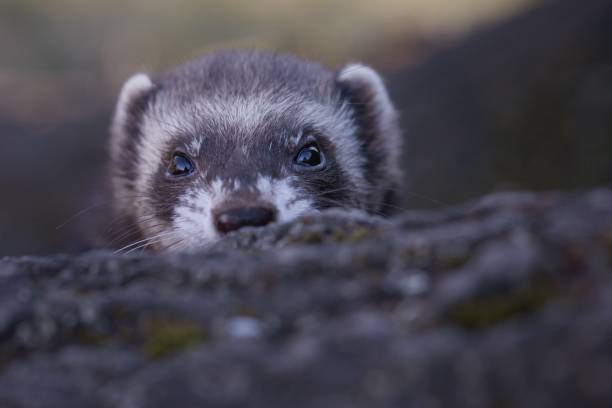
Polycystic Kidney Disease (PKD) is a rare but serious inherited condition affecting the kidneys in several mammalian species, including humans, cats, and, on rare occasions, ferrets. While PKD is more commonly recognized and studied in humans and cats—particularly Persian cats—it has been increasingly reported in exotic pets, including ferrets, raising concern among veterinarians and ferret owners. This comprehensive guide explores Polycystic Kidney Disease in ferrets in depth, covering its causes, signs and symptoms, diagnosis, treatment, prognosis, complications, prevention, dietary and nutritional considerations, and the potential zoonotic risk associated with this condition. Given the growing popularity of ferrets as pets and the complexity of diagnosing and managing PKD, it is crucial for owners and veterinary professionals to be fully informed about this condition.
1. Understanding Polycystic Kidney Disease (PKD) in Ferrets
Polycystic Kidney Disease (PKD) is a genetic disorder characterized by the development of multiple fluid-filled cysts on the kidneys. These cysts originate from the renal tubules—the functional units of the kidneys responsible for filtering blood and producing urine. Over time, as these cysts grow in size and number, they progressively replace healthy kidney tissue, impairing normal kidney function. In severe cases, PKD can lead to chronic kidney disease (CKD) and, ultimately, kidney failure.
In ferrets, PKD is considered an inherited (autosomal dominantly transmitted) condition, meaning that only one copy of the defective gene from a parent is sufficient for the offspring to develop the disease. However, due to the relatively short lifespan of ferrets (typically 6–10 years) and limited research on ferret genetics, PKD in ferrets remains poorly understood compared to other species.
PKD in ferrets is often misdiagnosed or overlooked due to the subtle and late-onset nature of its symptoms. Since ferrets are masters at masking signs of illness—an evolutionary survival mechanism inherited from their ancestors—clinical presentation may only become evident when considerable kidney damage has already occurred. This makes early detection and timely intervention crucial for improving outcomes.
2. Causes of PKD in Ferrets
The primary cause of Polycystic Kidney Disease in ferrets is genetic inheritance. Evidence suggests that PKD follows an autosomal dominant pattern of inheritance. This means that if a ferret inherits just one copy of the mutated gene from either parent, it can develop the disease. Both male and female ferrets are equally susceptible.
The exact gene responsible for PKD in ferrets has not yet been definitively identified, unlike in humans (where PKD1 and PKD2 genes are implicated) and Persian cats (where a mutation in the PKD1 gene has been isolated). However, it is widely assumed that a similar mutation in genes regulating renal tubular development and cell polarity may be involved.
Environmental factors do not cause PKD, but certain conditions may exacerbate its progression. These include:
- Chronic dehydration
- High-phosphorus diets
- Recurrent urinary tract infections (UTIs)
- Exposure to nephrotoxic substances (e.g., certain medications or toxins)
It’s important to note that while PKD is congenital (present at birth), the cysts typically do not begin to form or expand until the ferret is several months to years old. Therefore, a ferret can be born with the defective gene but remain symptom-free for a significant portion of its life.
Breeding practices also play a significant role in the spread of PKD. If a ferret with PKD is used for breeding, each offspring has a 50% chance of inheriting the condition. This underscores the importance of responsible breeding and, ideally, genetic screening—though such tests are currently unavailable for ferrets.
3. Signs and Symptoms of PKD in Ferrets
The clinical signs of PKD in ferrets are often subtle and nonspecific in the early stages. Because kidney function can remain adequate despite the presence of cysts (a phenomenon known as renal reserve), symptoms may not become apparent until the disease is advanced.
Common signs and symptoms associated with PKD in ferrets include:
- Lethargy and decreased activity: One of the earliest signs. Affected ferrets become less playful and sleep more than usual.
- Increased thirst (polydipsia) and increased urination (polyuria): As kidney function declines, the kidneys lose their ability to concentrate urine, leading to excessive water intake and frequent urination.
- Weight loss and reduced appetite: Due to uremic toxins building up in the bloodstream, causing nausea and gastrointestinal discomfort.
- Poor coat condition: Dull, greasy, or matted fur often reflects underlying systemic illness.
- Vomiting and drooling: Uremia (accumulation of waste products in the blood) can lead to nausea, regurgitation, and hypersalivation.
- Dehydration: Despite increased water intake, ferrets may become dehydrated due to the kidneys’ inability to retain water.
- Abdominal swelling or discomfort: In advanced cases, large kidney cysts can physically enlarge the kidneys, leading to palpable abdominal masses and discomfort.
- Weakness and hind limb instability: Advanced kidney disease may lead to electrolyte imbalances and muscle wasting.
- Bad breath (halitosis) with an ammonia-like odor: Caused by uremic breath, a hallmark of kidney failure.
- Pale mucous membranes: Indicative of anemia due to reduced erythropoietin production by damaged kidneys.
Ferrets may also exhibit secondary hyperparathyroidism due to impaired calcium and phosphorus regulation, leading to bone demineralization, tremors, or fractures in severe cases.
It is important to recognize that many symptoms of PKD overlap with other common ferret illnesses, such as insulinoma, adrenal disease, or gastrointestinal obstructions. This overlap can complicate diagnosis and delay appropriate treatment.
4. Diagnosis of PKD in Ferrets
Diagnosing Polycystic Kidney Disease in ferrets requires a multifaceted approach involving:
a. Clinical History and Physical Examination The diagnostic process begins with a thorough clinical history, including information about the ferret’s age, lineage, behavior changes, diet, water intake, and urination habits. A physical exam may reveal dehydration, weight loss, an enlarged or irregularly shaped kidney on abdominal palpation, or signs of systemic illness.
b. Blood Tests (Biochemistry Panel and CBC) Blood work is essential for assessing kidney function:
- Elevated Blood Urea Nitrogen (BUN) and creatinine levels indicate impaired kidney filtration.
- Electrolyte imbalances (e.g., hyperphosphatemia, hypokalemia) are common in advanced disease.
- Anemia may be present due to reduced red blood cell production.
- Low albumin levels can occur if protein is being lost through damaged kidneys.
However, normal blood values do not rule out PKD, especially in early stages.
c. Urinalysis A urinalysis helps evaluate kidney concentrating ability and detect protein loss:
- Low urine specific gravity (<1.030) suggests the kidneys cannot concentrate urine properly.
- Proteinuria (protein in urine) indicates glomerular damage.
- Pyuria (white blood cells in urine) may suggest concurrent urinary tract infection.
The urine protein-to-creatinine ratio (UPC) can be used to quantify protein loss.
d. Imaging Techniques Imaging is the cornerstone of PKD diagnosis:
- Ultrasound (sonography): The most reliable and noninvasive method. Ultrasound can visualize multiple cysts within the kidneys as round, anechoic (dark) structures. The kidneys may appear enlarged, asymmetrical, or have an irregular contour. Unlike normal kidneys, which appear homogenous, PKD-affected kidneys show a “Swiss cheese” appearance due to numerous cysts.
- Radiography (X-rays): Less sensitive than ultrasound, but may show enlarged kidneys or soft tissue density changes. X-rays are not effective for detecting cysts directly but can rule out other abdominal issues.
e. Genetic Testing (Future Potential) While genetic testing is available for PKD in cats and humans, no validated genetic test currently exists for ferrets. However, as ferret genomics advances, it may become possible to screen breeding stock for PKD mutations, helping to eradicate the disease from captive populations.
f. Histopathology Definitive diagnosis can only be confirmed post-mortem through histopathological examination of kidney tissue. Cysts lined by epithelial cells and surrounded by compressed renal parenchyma are characteristic findings.
5. Treatment of PKD in Ferrets
There is currently no cure for Polycystic Kidney Disease in ferrets. Treatment focuses on supportive care, slowing disease progression, and managing complications to improve quality of life and extend lifespan.
a. Hydration Therapy Maintaining hydration is critical:
- Subcutaneous (SQ) fluids may be administered at home or in-clinic to combat dehydration and support kidney perfusion.
- Encourage water intake with water fountains, flavored water (e.g., low-sodium broth), or syringe feeding.
b. Nutritional Management Diet plays a vital role in managing CKD:
- High-quality, easily digestible protein: Reduces the nitrogenous load on kidneys without causing malnutrition.
- Low phosphorus diet: Helps prevent hyperphosphatemia and secondary hyperparathyroidism. Prescription renal-support diets (e.g., Hill’s k/d, Royal Canin Renal Support) formulated for cats may be adapted for ferrets under veterinary guidance.
- Omega-3 fatty acids: May reduce inflammation and slow cyst progression.
- Avoid high-salt and processed treats that may worsen hypertension or fluid retention.
Note: Ferrets are obligate carnivores requiring high-protein diets, so protein restriction must be carefully balanced to avoid muscle wasting.
c. Medications Depending on clinical signs, several medications may be used:
- Phosphate binders (e.g., aluminum hydroxide, sevelamer) to reduce phosphorus absorption.
- ACE inhibitors (e.g., benazepril) to reduce proteinuria and manage blood pressure.
- Erythropoietin (in severe anemia) to stimulate red blood cell production.
- Anti-nausea drugs (e.g., maropitant, ondansetron) to manage vomiting.
- Gastroprotectants (e.g., omeprazole, sucralfate) for gastric ulcers secondary to uremia.
- Antibiotics if a urinary tract infection is present.
d. Pain Management Ferrets with large cysts may experience discomfort. Analgesics such as buprenorphine (opioid) or meloxicam (NSAID, used cautiously in renal patients) may be prescribed.
e. Blood Pressure Monitoring Hypertension can accelerate kidney damage. If equipment is available, regular blood pressure checks are recommended.
f. Regular Monitoring Ferrets with PKD should have regular veterinary check-ups (every 3–6 months), including blood work, urinalysis, and ultrasound to monitor disease progression.
6. Prognosis and Complications
The prognosis for ferrets with Polycystic Kidney Disease is generally guarded to poor, especially once clinical signs become evident. The rate of disease progression varies depending on the number and size of cysts, age at onset, and access to supportive care.
Life expectancy:
- Ferrets diagnosed in early stages with minimal cysts and no clinical signs may live near-normal lifespans (7–10 years).
- Those presenting with advanced kidney failure typically survive only weeks to months, even with aggressive treatment.
Common complications include:
- Chronic kidney disease (CKD) progressing to end-stage renal failure
- Systemic hypertension, which can lead to retinal detachment, seizures, or stroke
- Uremic encephalopathy (neurological signs due to toxin buildup)
- Metabolic bone disease from disrupted calcium-phosphorus balance
- Cardiac abnormalities due to electrolyte imbalances (e.g., hyperkalemia)
- Severe anemia requiring transfusions
- Gastrointestinal ulceration and bleeding
- Secondary infections due to immunosuppression from uremia
Unfortunately, once a ferret reaches terminal kidney failure, euthanasia is often the most humane option to prevent prolonged suffering.
7. Prevention of PKD in Ferrets
Because PKD is genetically inherited, prevention focuses on responsible breeding practices:
- Avoid breeding ferrets with a known family history of PKD.
- Do not breed ferrets that have been diagnosed with PKD, even if asymptomatic.
- Screen breeding stock with ultrasound prior to breeding to detect early cyst formation (though this is not 100% effective, as cysts may not be visible in young adults).
- Maintain detailed pedigree records to track inheritance patterns.
- Promote genetic diversity in breeding programs to reduce the risk of inherited disorders.
While no genetic test is currently available, future research may lead to DNA-based screening tools.
For pet owners:
- Purchase ferrets from reputable breeders who disclose health histories.
- Request medical records and imaging results for breeding animals.
- Consider adopting from shelters where ferrets are often already neutered and health-screened.
8. Diet and Nutrition for Ferrets with PKD
Nutrition is a cornerstone of managing PKD and slowing the progression of kidney disease.
Key dietary principles:
- High biological value protein: Animal-based proteins (e.g., chicken, egg, lamb) are essential. Avoid plant-based proteins.
- Moderate protein restriction: Only in advanced CKD, under veterinary supervision.
- Low phosphorus content: Critical to prevent complications. Avoid organ meats, dairy, and high-phosphorus treats.
- Increased moisture content: Wet or raw diets help maintain hydration. Canned cat food (e.g., Hill’s a/d, Fancy Feast Classic) can be used as a base, supplemented with ferret-specific nutrients.
- Omega-3 fatty acid supplementation: Found in fish oil or flaxseed oil, may have anti-inflammatory benefits.
- Avoid high-salt foods: Can exacerbate hypertension.
- Small, frequent meals: Easier to digest and reduces nausea.
Sample Diet for Ferret with PKD:
- 2–3 times daily meals of high-quality, low-phosphorus wet food
- Fresh minced chicken or turkey (cooked without seasoning)
- Occasional scrambled egg (for protein and palatability)
- Fish oil supplement (100–200 mg EPA/DHA per day)
- Fresh water available at all times
- Optional: Renal support supplements (e.g., Azodyl, Epakitin) if recommended by a vet
Always work with a veterinarian experienced in exotic pets to tailor a diet plan.
9. Zoonotic Risk of PKD in Ferrets
Polycystic Kidney Disease is not a zoonotic disease, meaning it cannot be transmitted from ferrets to humans or other animals. PKD is a genetic disorder, not an infection. Therefore, there is no risk of human infection through contact with an affected ferret.
However, owners should still practice good hygiene:
- Wash hands after handling the ferret or cleaning its cage.
- Use gloves when administering medications or handling bodily fluids.
- Disinfect cages regularly with ferret-safe cleaners.
While PKD itself poses no zoonotic threat, secondary conditions such as bacterial urinary tract infections could, in rare cases, harbor bacteria with zoonotic potential (e.g., E. coli, Salmonella). These risks are minimal with proper hygiene.
Ferret owners should not fear handling or cuddling their pets due to PKD. The emotional bond and companionship offered by ferrets far outweigh any negligible health risks.
10. Emerging Research and Future Outlook
Research on PKD in ferrets is limited, but growing interest in exotic pet medicine is driving progress. Areas of future development include:
- Genetic sequencing of the ferret genome to identify PKD-causing mutations.
- Development of PCR-based genetic tests for early screening.
- Stem cell therapy or regenerative medicine trials in animal models.
- Pharmacological treatments aimed at cyst reduction (e.g., tolvaptan, used in humans).
Collaboration between veterinary schools, research institutions, and ferret advocacy groups is essential to advance understanding and treatment options.
Conclusion
Polycystic Kidney Disease in ferrets is a rare but serious inherited condition that can significantly impact a ferret’s quality of life and lifespan. Caused by a genetic mutation, PKD leads to the progressive formation of kidney cysts, eventually impairing kidney function and potentially leading to fatal kidney failure.
Early diagnosis through ultrasound and blood testing is key. While there is no cure, supportive care—including hydration, specialized diets, and medications—can help manage symptoms and slow disease progression. Prevention through responsible breeding and genetic awareness remains the best defense.
Ferret owners should be vigilant for subtle signs of illness, seek regular veterinary check-ups, and provide optimal nutrition. Although the prognosis for advanced PKD is poor, early intervention can make a meaningful difference.
Importantly, PKD is not contagious and poses no zoonotic risk. With compassion, knowledge, and proper veterinary support, ferrets with PKD can still enjoy fulfilling lives.
By increasing awareness and supporting research, the ferret community can work toward eliminating this inherited disorder and ensuring healthier future generations of these playful and intelligent companions.
#PolycysticKidneyDisease, #PKDInFerrets, #FerretHealth, #FerretCare, #FerretOwner, #FerretLovers, #ExoticPets, #FerretVet, #FerretKidneyDisease, #InheritedDisease, #FerretGenetics, #FerretNutrition, #ChronicKidneyDisease, #KidneyFailureInFerrets, #FerretMedicine, #FerretWellness, #FerretDiagnosis, #FerretTreatment, #FerretSymptoms, #FerretUltrasound, #FerretBloodWork, #FerretDiet, #LowPhosphorusDiet, #FerretHydration, #ResponsibleBreeding, #FerretAwareness, #PetHealth, #VeterinaryCare, #FerretLife, #FerretCommunity, #FerretAdoption, #FerretRescue, #FerretEducation, #ZoonoticRisk, #AnimalHealth, #FerretScience, #FerretResearch, #FerretSupport, #ExoticPetCare


Add comment