
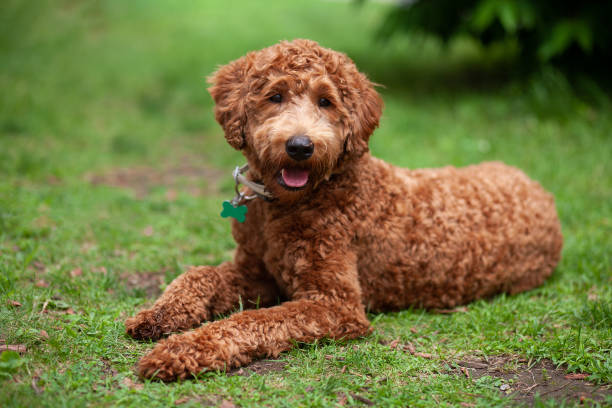
Positive reinforcement is a powerful training method that uses rewards to encourage good behavior in puppies. Instead of punishing unwanted actions, it focuses on rewarding desired ones. This approach builds a strong bond between you and your puppy, making training more enjoyable and effective.
Why Positive Reinforcement Works Best for Puppies:
- Builds Trust and a Strong Bond: Puppies are more likely to trust and respect a trainer who makes them feel safe and happy. Positive reinforcement creates a positive association with training, strengthening the bond between you and your puppy. This trust is crucial for a well-adjusted dog.
- Enhances Learning and Retention: Puppies learn best when they are engaged and motivated. Positive reinforcement taps into their natural desire to please and their enjoyment of rewards (treats, praise, toys). This makes learning more effective and helps them retain what they’ve learned longer.
- Reduces Fear and Anxiety: Harsh corrections or punishment can instill fear and anxiety in puppies, leading to behavioral problems like aggression, avoidance, or even depression. Positive reinforcement ensures training is a fun and rewarding experience, preventing these negative emotions.
- Encourages Desired Behaviors: By rewarding behaviors you want to see, you teach your puppy what actions lead to good things. This is far more effective than trying to suppress unwanted behaviors through punishment, which can be confusing and overwhelming for a young dog.
- Promotes Confidence and Independence: When puppies are consistently rewarded for trying and succeeding, they develop confidence in their abilities. They become more willing to explore, engage, and learn independently, knowing that their efforts will be acknowledged.
- It’s Ethical and Humane: Positive reinforcement aligns with modern, ethical animal training principles. It prioritizes the well-being of the animal and avoids causing unnecessary stress or pain.
Key Principles of Positive Reinforcement:
- Identify High-Value Rewards: What does your puppy absolutely love? This could be small, tasty treats (like tiny pieces of chicken, cheese, or commercial training treats), enthusiastic praise, a favorite squeaky toy, or a good belly rub. The reward should be exciting enough to motivate your puppy.
- Timing is Crucial: The reward must be delivered immediately (within 1-2 seconds) after the desired behavior occurs. This helps your puppy understand exactly what they are being rewarded for. A clicker or a verbal marker (“yes!” or “good!”) can be used to mark the exact moment of the good behavior, followed by the reward.
- Consistency is Key: Everyone in the household should use the same cues and reward system. This prevents confusion for the puppy and ensures consistent progress.
- Gradual Increase in Difficulty: Start with simple commands in a quiet environment. As your puppy masters them, gradually increase the difficulty by adding distractions, changing locations, or asking for longer durations of the behavior.
- Set Your Puppy Up for Success: Design training sessions and your environment to make it more likely your puppy will succeed. For example, when teaching “sit,” ensure you have treats ready and don’t ask for a sit when your puppy is overly excited or preoccupied.
- Ignore or Redirect Unwanted Behaviors (When Possible): Instead of punishing, try to ignore minor, attention-seeking behaviors. For more problematic behaviors, focus on preventing them from happening or redirecting your puppy to an acceptable activity. For example, if your puppy chews on furniture, redirect them to a chew toy.
Common Training Scenarios Using Positive Reinforcement:
- Potty Training: Reward your puppy enthusiastically (treats, praise) immediately after they eliminate in the designated potty area.
- Leash Training: Reward your puppy with treats and praise when they walk nicely beside you without pulling.
- Basic Commands (Sit, Down, Stay): Mark and reward your puppy with a treat and praise the moment they perform the correct action.
- Crate Training: Reward your puppy for calmly entering their crate, staying inside, and settling down.
- Socialization: Reward your puppy for calm and positive interactions with other people and well-behaved dogs.
What to Avoid:
- Punishment-Based Methods: Avoid yelling, hitting, or using choke/prong collars. These methods can damage your relationship with your puppy and lead to fear-based aggression.
- Overly Harsh Corrections: Even seemingly mild corrections can be misinterpreted by a puppy and cause them to shut down or become fearful.
- Inconsistency: Inconsistent training will confuse your puppy and hinder progress.
- Asking Too Much Too Soon: Don’t expect your puppy to understand complex commands or perform perfectly without practice and gradual progression.
By embracing positive reinforcement, you are not only teaching your puppy valuable skills but also nurturing a confident, happy, and well-adjusted companion. It’s a journey of mutual respect and understanding that will benefit both of you for years to come.







Add comment