
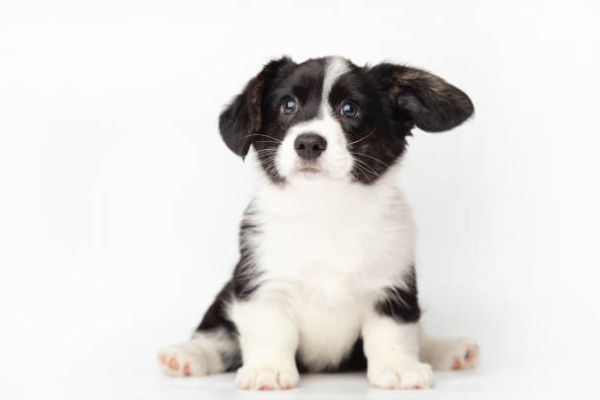
Transitioning a dog from the operating table to a full recovery requires diligence, especially when it comes to hygiene. Bathing a dog too soon after surgery is one of the most common mistakes owners make, opening the door to severe infection and incision breakdown.
This elaborate guide provides the necessary knowledge and step-by-step protocols to ensure your pup stays clean, comfortable, and, most importantly, safe during their critical recovery period.
I. The Absolute Golden Rule: Consult Your Veterinarian
Before attempting any form of bathing—even a spot cleaning—you must have explicit, written, or verbal approval from the veterinary team that performed the surgery.
⚠️ The Primary Danger of Early Bathing
An incision is a pathway to the inside of the body. When sutures or staples are in place, the skin is held together, but the wound is not waterproof. Soaking the wound introduces waterborne bacteria, softens the edges of the incision, and weakens the sutures, leading to:
- Infection: Introduction of pathogens into the surgical site.
- Dehiscence: The surgical wound opening or splitting apart.
II. Pre-Bathing Assessment: Is Your Pup Ready?
Your dog’s incision must meet strict criteria before any water touches it. Always wear clean hands or gloves when inspecting the wound.
A. Incision Status Checklist
| Status | Criteria | Action |
|---|---|---|
| Healing Timeline | Is it past the 10–14 day mark and have sutures/staples been removed? | Necessary. The primary skin layer must have sealed. |
| Dryness | Is the incision completely dry, with no weeping, localized moisture, or discharge? | Incision must be bone-dry for at least 48 hours before approval. |
| Appearance | Is the incision flat, pink/red (not angry red), and well-approximated (edges touching)? | Look for a clean, non-puffy scar line. |
| Drainage | Are there any signs of pus, foul odor, or excessive swelling? | STOP. These are signs of infection. Do not bathe. |
B. Patient Status & Readiness
A post-op dog is often medicated, sore, and sometimes unstable.
- Mobility: Can your dog stand steadily without assistance for the duration of the bath?
- Stress Level: Is your dog overly anxious in the bath? Stress can elevate blood pressure, potentially straining the internal healing layers. If the dog fights the bath, abort the mission or opt for a simple dry shampoo/spot cleaning.
III. The Timeline of Safety (Minimum Wait Times)
This timeline is a general guideline; individual healing varies greatly.
| Phase | Time Since Surgery | Bathing Protocol |
|---|---|---|
| Acute Recovery | Days 1–5 | NO WATER. Only gentle wiping of paws and rear end with a clean, damp cloth (avoiding the torso). |
| Healing Phase | Days 6–14 (Until staples/sutures are removed) | Spot Cleaning ONLY. Use dry shampoo or warm, damp washcloths to clean dirty areas, strictly avoiding the surgical site. |
| Suture Removal | Usually Day 10–14 | Critically Assess: The vet will confirm if the incision is fully sealed. |
| First Post-Op Bath | 24–48 hours after suture/staple removal AND vet approval | Full bath can proceed, provided the incision looks completely healed and sealed. |
IV. Essential Supplies and Setup
Preparation is key to a swift and stress-free operation.
A. Environment Setup
- Non-Slip Surface: Line the tub or sink with a rubber mat or a towel to prevent slips. A sudden loss of footing could strain the incision.
- Warmth: Ensure the room is warm (close windows) to prevent chilling, which can be dangerous for a recovering dog.
- Water Source: Use a handheld shower sprayer if possible. This allows for focused rinsing and avoids drenching the surgical site.
B. Necessary Supplies
- Mild Shampoo: Use a veterinarian-recommended surgical shampoo, a hypoallergenic dog shampoo, or, in a pinch, a mild, unscented baby shampoo. Avoid harsh chemicals, strong perfumes, or flea shampoos.
- Absorbent Towels: Have multiple large, soft towels ready for immediate drying.
- Washcloths or Sponges: Essential for spot cleaning and gentle scrubbing.
- Helper: Enlist another person if your dog is large, nervous, or requires steady support.
- Treats: High-value rewards to keep the experience positive.
V. Step-by-Step Bathing Protocol (The Gentle Method)
If approved for a full bath, the goal is efficiency and extreme gentleness.
Step 1: Low Water Level and Temperature
Fill the tub with only 2–3 inches of lukewarm (never hot) water. A high water level increases the temptation to soak the incision.
Step 2: Avoid the Incision Zone
If the incision is on the belly or a leg, maintain a wide perimeter around the site. Do not apply soap directly to the healing tissues.
Step 3: Gentle Application and Lathering
Gently wet the clean areas (back, neck, legs, tail) using the handheld sprayer or a cup. Apply a small amount of diluted shampoo and use your fingertips—not your nails—to lather gently.
- Technique: Use strokes that move away from the incision site. Never rub or scrub the skin aggressively.
Step 4: Focused Rinsing
Rinsing is the most critical step. Soap residue can irritate the skin and lead to scratching, which can damage the wound.
- Use the handheld sprayer on the lowest pressure setting.
- Rinse thoroughly until the water runs clear and no residue remains.
- If you must rinse near the incision, use a damp washcloth to gently swab the surrounding fur, ensuring no soap runs over the wound.
Step 5: Head and Face
Use a damp washcloth (without shampoo) to wipe the face, ears, and eyes. Avoid spraying water directly onto the head, as this is often stressful and can lead to water entering the ears (causing possible infection).
VI. Post-Bath Care and Drying (Crucial for Healing)
Preventing chilling and ensuring the incision remains dry is paramount.
1. Initial Towel Blotting (Not Rubbing)
Immediately remove the dog from the tub and place it on a large, dry towel. Gently blot and squeeze the water out of the fur. Do not vigorously rub the dog, as friction can irritate the skin and potentially strain the incision.
2. The Incision Check
After the initial towel dry, gently inspect the incision. If any moisture is present near the stitches, use a clean, dry cloth or gauze to carefully blot it away.
3. Hair Dryer Use (Low and Distant)
If your dog has a thick coat, a hairdryer on the lowest heat setting and held at least 12–18 inches away is permissible. The air flow must be gentle, and the heat must be nominal. Ensure the dog is fully dry before leaving them unsupervised.
4. Keep Warm
Keep the dog in a warm, draft-free area until completely dry. This prevents hypothermia and shivering, which can strain healing muscles.
5. Prevent Licking
If the dog begins obsessively licking the area after the bath (a common reaction to new sensations), ensure the recovery cone (E-collar) is properly secured. Licking introduces bacteria and saliva, leading to infection and breakdown.
VII. Troubleshooting and Red Flags
If any of the following occur during or immediately after the bath, discontinue the activity and contact your veterinarian immediately:
| Symptom | Action |
|---|---|
| Wound Weeping | Clear or colored fluid starts leaking from the incision when wet. |
| Increased Redness/Swelling | The tissue around the incision appears significantly redder or puffier. |
| Incision Opening (Dehiscence) | Any part of the stitch line appears to have separated, even slightly. |
| Odor | A foul, distinct smell emanating from the wound. |
| Excessive Shivering/Lethargy | Signs of chilling or distress. Wrap the dog in a warm blanket immediately. |
========================
#PostSurgeryBathing, #DogRecovery, #PetCare, #SafeBathing, #PuppyCare, #PostOpCare, #DogHealth, #WoundCare, #VetAdvice, #HealingPups, #PetWellness, #DogGrooming, #IncisionCare, #PetSafety, #PupRecovery, #DogTips





Add comment