
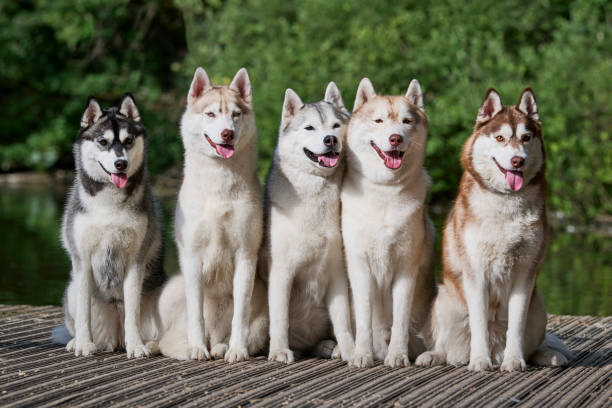
Potty training a single dog can be a significant undertaking, demanding patience, consistency, and a deep understanding of canine behavior. When you introduce multiple dogs into the equation, the complexity multiplies, presenting unique challenges and dynamics that can test even the most experienced dog owner. A multi-dog household, whether it consists of a new puppy joining older residents, a rescue dog integrating into an existing pack, or simply multiple dogs acquired over time, requires a strategic, deliberate, and harmonious approach to potty training. The goal isn’t just a clean home; it’s a peaceful co-existence where every dog understands and adheres to the house rules, contributing to the overall well-being of the entire pack.
This comprehensive guide delves into the intricacies of potty training multi-dog households, offering elaborate strategies, troubleshooting tips, and long-term maintenance advice to ensure a harmonious, accident-free environment.
I. Introduction: The Unique Challenges of Potty Training Multi-Dog Households
The fundamental principles of potty training – consistency, positive reinforcement, and immediate rewards – remain the same regardless of the number of dogs. However, multi-dog households introduce several layers of complexity:
- Differing Training Levels: You might have a perfectly house-trained adult, a puppy with zero bladder control, and a rescue dog with an unknown history of house-training.
- Social Learning and Copycat Behavior: Dogs are social animals. They learn from each other, which can be a blessing (a puppy learning from an older dog) or a curse (a trained dog regressing due to another’s accidents or marking).
- Scent Contamination: Even a single accident, if not thoroughly cleaned with an enzymatic cleaner, can entice other dogs to use the same spot, creating a cycle of indoor urination.
- Managing Multiple Schedules: Juggling feeding times, exercise routines, and individual potty breaks for several dogs simultaneously can be a logistical challenge.
- Territorial Marking: Intact male dogs, and sometimes females, may engage in marking behavior, especially when new dogs are introduced or if they feel their territory is threatened.
- Excitement/Submissive Urination: Some dogs react to greetings or perceived dominance by urinating, which can be exacerbated in a multi-dog dynamic.
- Resource Guarding: While not directly related to potty training, underlying stress or resource guarding issues can manifest as anxiety-induced accidents.
The ultimate goal is not just to teach each dog where to go, but also to prevent the negative ripple effects that accidents or undesirable behaviors from one dog can have on the others. This requires a proactive, structured, and incredibly patient approach, focusing on individual needs while fostering a collective understanding of house rules.
II. Pre-Potty Training Preparation: Laying the Foundation for Success
Before you even begin the active training, thorough preparation is paramount. This foundational stage will streamline the process and prevent many common pitfalls.
A. Health Check-ups: Rule Out Medical Issues
This is a non-negotiable first step, especially if you’re dealing with a new dog, a senior dog, or any dog experiencing sudden changes in potty habits.
- For Existing Dogs: Even if generally well-behaved, a sudden increase in accidents could signal a urinary tract infection (UTI), kidney disease, diabetes, or even cognitive decline in older dogs. A vet visit can rule out these medical causes, ensuring that you’re addressing a behavioral issue, not an illness.
- For New Additions (Especially Puppies and Rescues): Puppies can have congenital issues or parasites, both of which affect bladder control. Rescue dogs, particularly those from shelters or unknown backgrounds, may have untreated UTIs, bladder stones, or stress-induced gastrointestinal issues that lead to accidents. A clean bill of health provides peace of mind and confirms that you’re starting on a level playing field. Addressing health issues first is humane and cost-effective in the long run.
B. Baseline Assessment: Understanding Each Dog’s Current Habits
Take some time to observe each dog individually and as a group. This assessment will inform your training strategy.
- Accident History: For each dog, document when and where accidents typically occur. Are they always in the same spot? Is it after waking up, after eating, or during play? This helps identify patterns.
- “Tell” Signs: Does a particular dog pace, sniff intently, circle, or whine before needing to go? Learning these individual cues will enable you to intervene proactively.
- Preferred Potty Spots (if any): Do they show a preference for grass, concrete, or a particular corner of the yard? While you want them to go outside, understanding their preferences can help guide initial training.
C. Essential Supplies
Having the right tools on hand is crucial for efficiency and success.
- Crates (One Per Dog, Appropriately Sized): This is arguably the most vital tool. Each dog needs its own crate where it can comfortably stand up, turn around, and lie down. Crates tap into a dog’s natural denning instinct and are invaluable for supervised confinement, preventing accidents, and providing a safe space.
- Leashes and Collars/Harnesses: Essential for individual potty trips, securing during training, and general safety.
- High-Value Treats: Small, soft, incredibly appealing treats (e.g., bits of cooked chicken, cheese, hot dogs) are necessary for immediate positive reinforcement. The treat must be delivered within 3 seconds of the dog finishing its business.
- Enzymatic Cleaner: This is non-negotiable. Standard household cleaners only mask the odor to humans; dogs can still detect the lingering scent of urine, which acts as an invitation to repeat the behavior in the same spot. Enzymatic cleaners break down the uric acid crystals, completely eliminating the odor. Have plenty on hand.
- Puppy Pads (Optional, with Caveats): While some owners use them, they can be confusing for multi-dog households. They teach dogs that it’s okay to potty indoors on a specific surface, which can hinder teaching them to only go outside. If used, ensure they are part of a very temporary, structured plan (e.g., for very young puppies in a designated area) and phased out quickly.
- Playpens/Gates: Useful for creating temporary, safe, and controlled areas, especially for puppies or new dogs, without confining them to a crate all the time. This helps manage supervision.
D. Creating a Routine Checklist
Consistency is the single most important factor. A predictable routine helps dogs understand when and where they are expected to eliminate.
- Feeding Schedules: Feed all dogs at the same time, twice a day for adults, more for puppies. This helps regulate their digestive systems. Water should generally be available, though it might be restricted an hour or two before bedtime for better overnight control.
- Water Access: While essential, monitor water intake. If a dog is drinking excessively, it warrants a vet check.
- Potty Breaks (Frequency, Timing):
- First thing in the morning: All dogs go out.
- After waking from naps: Especially crucial for puppies.
- After eating/drinking: Within 15-30 minutes, depending on the dog.
- Before bedtime: Last chance for all dogs.
- After active play sessions: Excitement can stimulate the bladder.
- Puppies: Need to go out every 1-2 hours initially.
- Adults: Can typically hold it for 4-6 hours, but more frequent breaks are always better.
Document this routine. Post it on the fridge. Ensure everyone in the household adheres to it.
E. Designated Potty Area
Choose a specific spot in your yard or property where you want the dogs to relieve themselves.
- Cleanliness: Keep this area as clean as possible. Remove waste immediately. Dogs, by instinct, prefer to eliminate in clean spaces, away from their den.
- Accessibility: Ensure easy, quick access, especially for urgent breaks.
- Safety: Free from hazards, secure, and comfortable for all dogs.
By meticulously preparing for these steps, you build a robust framework that supports effective and efficient potty training for all your dogs, setting the stage for harmony rather than frustration.
III. Core Potty Training Strategies for Multi-Dog Homes
Once the groundwork is laid, it’s time to implement active training strategies. The key here is to balance individual attention with managing the dynamics of a group.
A. The “One Dog at a Time” Philosophy (Initial Phase)
This is perhaps the most crucial strategy for multi-dog households, especially when introducing a new puppy or a dog with unreliable house-training. Trying to train all dogs at once on potty manners can lead to chaos, distractions, and confusion.
- Why it’s crucial for puppies and new dogs: A new dog (especially a puppy) needs to learn your rules, your routine, and your designated potty spot without the distraction or influence of other dogs. It needs to forge a strong communication bond with you regarding its potty needs. This intense, individual focus ensures clear communication and rapid learning.
- How to manage other dogs during individual training: This is where your crates, playpens, and gates become invaluable.
- Cratering: When you take the new dog or puppy out for a potty break, confine the other dogs in their crates. This prevents them from interfering, getting over-excited, or having accidents due to lack of supervision. It also teaches them patience and allows you to give 100% of your attention to the training dog.
- Separate Rooms: If crating isn’t an option for a brief period, use baby gates to secure other dogs in a separate, dog-proofed room under supervision.
- Designated Supervised Play: If another household member is available, they can supervise the other dogs in a contained area during the individual potty break.
- Specific individual techniques (for the dog being trained):
- Crate Training (Reinforcing Den Instincts): The crate is your best friend. Dogs are inherently clean animals and will try not to soil their sleeping area. Use the crate for confinement when you cannot actively supervise (e.g., overnight, when you leave for short periods, when you’re busy with other dogs). The crate size is critical: it should be just big enough for the dog to stand, turn around, and lie down. If it’s too large, they might use one end as a bathroom.
- Leash Training (Supervised Outings): Always take the dog out on a leash, even in a fenced yard, initially. This prevents them from getting distracted, sniffing around too much, or playing instead of focusing on their business. It also allows you to be right there to reward immediately.
- Scheduled Breaks: Stick rigorously to your established routine. Take the dog out immediately upon waking, after eating/drinking, after play, and before bed.
- “Go Potty” Cue: As the dog is squatting or lifting its leg, use a consistent verbal cue like “Go Potty,” “Hurry Up,” or “Do Your Business.” This helps them associate the action with the command, which can be useful on rainy days or when you’re on a tight schedule.
- Immediate Rewards: The moment the dog finishes eliminating in the designated spot, lavish praise (“Good Potty!”), give a high-value treat, and offer a short burst of play. The timing is critical – praise and treat must be within 3 seconds of completion to create a strong association.
- Cleaning Accidents Thoroughly: If an accident happens indoors, do not scold or punish the dog. This will only teach them to hide their accidents from you. Instead, calmly interrupt them if you catch them in the act (a clap or “No!”) and immediately take them outside to their designated potty area. If they finish outside, reward them. Then, thoroughly clean the accident spot with an enzymatic cleaner to eradicate all scent traces.
B. Gradual Introduction to Group Potty Breaks
Once the new dog or puppy is demonstrating consistent success (e.g., several days or weeks without indoor accidents when properly managed), you can begin to introduce group potty breaks.
- When to Start: When the trainee dog is reliably eliminating outside on cue, and generally has good bladder control.
- Managing Excitement and Distractions: Take all dogs out on leash initially, or if off-leash in a fenced yard, ensure you have strong recall for all. The presence of multiple dogs can turn a potty break into a play session. Your goal is still for them to eliminate first. If a dog gets distracted, gently guide them back to the task.
- Reinforcing Individual Success Within the Group: Even in a group setting, reward each dog individually for successful elimination. This reinforces that their good behavior is what earns the reward, not just being part of the group.
- Dealing with Peer Pressure (Positive and Negative):
- Positive: A young dog may learn by observing an older, house-trained dog. They might mimic the older dog’s behavior of sniffing for a spot and eliminating.
- Negative: An older dog might regress if a new dog is having accidents. Or, a new dog might pick up undesirable habits (like marking where another dog marked, even indoors) from an older dog. Consistent supervision and immediate interruption are key.
C. Preventing and Managing Marking Behavior
Marking is a territorial behavior, often seen in intact males but also in some females. It’s distinct from regular urination as it’s typically smaller amounts and targeted at vertical surfaces.
- Neutering/Spaying: This is the most effective preventative measure. Neutering significantly reduces marking in most male dogs. Spaying can also help in females.
- Supervised Access: Never allow a dog known to mark unsupervised access to new areas or areas where another dog has marked. If they start to lift a leg, immediately interrupt and redirect them outside.
- Thorough Cleaning: Any spot marked indoors must be cleaned immediately and thoroughly with an enzymatic cleaner. If not, the scent will continually invite remarking.
- “No Marking” Training: When caught in the act, use a firm “No!” and redirect outside. Reward heavily for outdoor elimination. You might need to temporarily restrict a marking dog to a crate or leash-supervision within the house until the behavior is under control.
D. Dealing with Submissive/Excitement Urination
This often occurs in puppies or shy/anxious dogs when greeted, either by people or other dogs. They tend to crouch, roll over, and urinate. It’s an involuntary reaction and not a deliberate defiance of house rules.
- Ignoring the Greeting: For a dog prone to excitement urination, ignore them for the first 5-10 minutes when you come home. No eye contact, no talking, no petting. Let them calm down. Once calm, greet them quietly and gently.
- Low-Key Interactions: Instruct guests and family members to offer calm, low-key greetings. Avoid leaning over them, loud voices, or excited petting.
- Potty First: Take the dog outside for a potty break before any potentially exciting interactions (e.g., before guests arrive, before a play session with other dogs).
- Avoid Punishment: Never punish a dog for submissive urination. This will only increase their anxiety and exacerbate the problem.
E. Addressing “Copycat” Accidents
This happens when one dog’s accident triggers another dog to use the same spot or causes a previously house-trained dog to regress.
- Why it Happens (Scent, Social Learning): The lingering scent of urine from one dog can act as a powerful attractant for another. Additionally, dogs learn by observation. If one dog gets away with an indoor accident, another might (consciously or unconsciously) assume it’s permissible.
- Re-establishing Individual Training: If copycat accidents become a problem, you may need to temporarily revert to the “one dog at a time” approach for a while, especially for the dog most prone to accidents or regression.
- Supervised Separation: When not directly supervising, use crates or gates to separate dogs, especially if one is prone to accidents. This prevents them from influencing each other negatively.
- Enzymatic Cleaning is Paramount: This cannot be stressed enough. Any indoor accident must be completely neutralized with an enzymatic cleaner to break the cycle of attraction for other dogs.
By applying these core strategies with unwavering consistency and patience, you can effectively navigate the complexities of potty training in a multi-dog household, moving each dog towards reliable house-training and fostering a cleaner home environment.
IV. Advanced Techniques and Troubleshooting
Even with the best preparation and core strategies, multi-dog households present unique challenges that require advanced troubleshooting. This section addresses specific scenarios and persistent problems.
A. Managing Different Age Groups (Puppies, Adults, Seniors)
The needs of a rambunctious puppy are vastly different from those of a dignified senior or a fully-trained adult.
- Puppies: High Frequency, Short Bladder Control:
- Focus: Potty training a puppy is about teaching them where to go, building bladder control, and establishing a routine.
- Strategy: Extremely frequent potty breaks (every 1-2 hours), crate training, constant supervision, immediate rewards, and individual attention. Puppies typically need a break 15-30 minutes after eating/drinking and immediately after waking or playing.
- Multi-dog dynamics: Ensure older dogs aren’t overly rough or stressed by the puppy’s energy. Use gates or separate playtimes to manage interactions. The older dogs can be positive role models for outdoor elimination, but ensure the puppy always gets its own specific reward.
- Adults: Reinforcement, Breaking Old Habits:
- Focus: For a new adult dog, it’s often about unlearning old habits or adapting to a new routine. For existing adults (especially if regressing), it’s about reinforcement.
- Strategy: Treat them like a puppy initially, especially if their history is unknown or they’ve had accidents. Crate train, consistent schedule, high-value rewards. Be patient; breaking established habits takes longer than building new ones.
- Multi-dog dynamics: If an adult is regressing due to a new dog’s accidents, temporarily separate them. If an adult dog is marking, refer back to the marking strategies. Remember, an adult can hold it longer, but consistency is still key.
- Seniors: Health Issues, Incontinence (Vet Involvement):
- Focus: Primarily managing potential health-related issues that cause accidents.
- Strategy: Rule out medical causes first (UTI, kidney disease, cognitive dysfunction, arthritis making it painful to get outside). If incontinence is diagnosed, consider options like doggy diapers or increasing potty breaks. Provide easily accessible outdoor paths. Don’t punish.
- Multi-dog dynamics: Other dogs might be less tolerant of a senior dog’s accidents. Ensure the senior dog has its own clean, comfortable space. The scent of senior dog accidents can still trigger other dogs, so cleaning is paramount.
B. Dealing with Regression
Regression is when a previously house-trained dog starts having accidents again. It’s frustrating but common.
- Identify the Cause:
- Stress/Anxiety: New family member (human or pet), moving, changes in routine, loud noises, separation anxiety.
- Health Issues: Revisit the vet check-up, especially for UTIs.
- Environmental Changes: New furniture, redecorating (might feel like a new territory to mark).
- Lack of Consistency: Has the potty schedule slipped? Are people missing cues?
- Negative Influence: Is another dog’s accidents or marking behavior triggering the regression?
- Go Back to Basics:
- Individual Training, Crate, Frequent Breaks: Treat the regressing dog like a brand new puppy. Restrict their freedom, increase supervision, and take them out very frequently. Use their crate.
- Reinforce Heavily: Reward every successful outdoor elimination as if it’s the first time.
- Re-evaluate Schedule: Ensure the routine is consistent and meets the dog’s current needs.
C. The Role of the “Trained Dog” as a Mentor
An existing, perfectly house-trained dog can be a tremendous asset, but also a potential liability.
- Advantages: Social Learning: Puppies and new dogs can learn by observing the older dog. They might follow the older dog outside, sniff the same spots, and mimic their elimination behavior. This can accelerate training.
- Disadvantages: Potentially Bad Habits, Marking: A trained dog might pick up bad habits from a new, untrained dog (e.g., an older dog might start marking inside if a new dog marks). Also, an older dog might start marking if they feel their territory is being encroached upon by the new dog.
- How to Harness Positive Influence:
- Supervise Interactions: Initially, always supervise group potty breaks. Reward the mentor dog for demonstrating good behavior.
- Lead by Example: The mentor dog can be a great example of where to go. But ensure the puppy or new dog gets individual rewards for their success, not just for following.
- Separate Rewards: Make sure the mentor dog also gets praise and reinforcement for continuing their good habits, even if it’s just a simple “Good dog!” and a pat. This prevents jealousy and maintains their positive association with outdoor elimination.
D. Addressing Scent Contamination and its Impact
This cannot be overstressed. The lingering scent of urine is the number one cause of repeated indoor accidents across multiple dogs.
- Why dogs are attracted to old accident spots: Dogs’ sense of smell is incredibly powerful. Even if you can’t smell it, they can. The uric acid crystals in urine act as a powerful attractant, essentially broadcasting, “This is a potty spot!”
- The Power of Enzymatic Cleaners: These cleaners contain enzymes that break down the uric acid crystals, thereby completely neutralizing the odor at a molecular level. They don’t just mask it.
- Application: Blot (don’t rub) up as much urine as possible. Then douse the spot thoroughly with the enzymatic cleaner, ensuring it saturates the carpet/flooring as deeply as the urine did. Let it air dry completely (this can take hours or even days). Do not put other cleaners on top of it.
- Eliminating “Ghost” Scents: Use a black light in a darkened room to find old, unseen urine spots. These “ghost” scents are invisible to the human eye but are prime targets for dogs. Treat these spots thoroughly. Regular deep cleaning of carpets in common areas can also help.
E. Nighttime Potty Training in a Multi-Dog Home
Nighttime can be particularly challenging, especially with puppies or newly adopted dogs.
- Crates in the Bedroom: For puppies or new dogs, place their crate close to your bed. This allows you to hear them if they stir or whine to go out. It also benefits their bond with you.
- Late-Night/Early-Morning Breaks: Ensure all dogs get a final potty break just before you go to bed. For puppies or dogs with limited bladder control, set an alarm for an additional middle-of-the-night break, gradually extending the time as their bladder control improves. The first thing in the morning, all dogs go out immediately.
- Water Restriction (Appropriate): Limiting water access one to two hours before bedtime can help prevent nighttime accidents, but ensure they have access to water throughout the day. Never restrict water for extended periods due to health concerns.
These advanced techniques, coupled with unwavering diligence, allow you to tackle more intricate potty training challenges in a multi-dog household, fostering resilience in your training approach and ensuring long-term success.
V. Maintaining Harmony and Long-Term Success
Potty training isn’t just about getting through the initial phase; it’s about establishing habits that last a lifetime and ensuring a peaceful co-existence among all your canine companions. Long-term success hinges on consistency, ongoing reinforcement, and stress management.
A. Consistent Routines: The Cornerstone
Once a routine is established, sticking to it is crucial for preventing regression and maintaining good habits across the pack.
- Feeding Times: Predictable feeding times (e.g., 7 AM and 5 PM) promote predictable elimination schedules. This helps you anticipate when dogs will need to go out.
- Potty Schedules: Adhere to your established potty breaks. Dogs thrive on routine. Even if they don’t always go, taking them out at the scheduled times reinforces the habit. Weekends and holidays are not an excuse to deviate; consistency is paramount.
- Play and Rest: Integrate regular play sessions and designated rest times into the daily routine. A tired dog (from appropriate physical and mental exercise) is less likely to have anxiety-induced accidents or engage in destructive behaviors.
B. Supervised Freedom vs. Confinement
The goal is to gradually expand freedom as each dog proves its reliability, but always with a safety net.
- Gradually Expanding Freedom: Once a dog has consistently been accident-free for several weeks in a smaller, supervised area, you can slowly grant them access to larger parts of the house.
- Monitoring: Even with expanded freedom, continue to monitor all dogs closely. Look for “tell” signs or any indication that they might be sniffing for an inappropriate potty spot.
- When to Use Gates/Crates: If you’re leaving the house, or if you simply cannot actively supervise (e.g., cooking dinner, on a phone call), use crates or baby gates to confine dogs to a safe, dog-proofed area. This prevents accidents and reinforces good habits by making it impossible for them to make mistakes. It’s not punishment; it’s management.
C. Ongoing Positive Reinforcement
Never stop rewarding good behavior, even after years of perfect house-training.
- Never Stop Rewarding Good Behavior: While you might transition from high-value treats to verbal praise and head scratches, continue to acknowledge and reward every outdoor elimination. This keeps the positive association strong.
- Verbal Praise, Treats, Play: Vary your rewards to keep them exciting. A simple “Good Potty!” with a happy tone, a small treat, or a quick game of fetch after they’ve done their business reinforces their understanding that outside is the right place.
D. Stress Reduction Strategies
Stress and anxiety are major contributors to house soiling. A harmonious multi-dog home is a less stressed home.
- Adequate Exercise and Mental Stimulation: Bored or pent-up energy can lead to stress. Ensure each dog receives sufficient physical exercise (walks, fetch, yard play) and mental stimulation (puzzle toys, training sessions, chew treats). This helps them feel content and less likely to engage in undesirable behaviors.
- Safe Spaces for Each Dog: Every dog, especially in a multi-dog household, needs its own “safe space” where it can retreat and be undisturbed. This could be their crate, a specific dog bed, or a quiet corner. This reduces competition and stress.
- Identifying and Mitigating Stressors: Pay attention to what stresses your dogs (e.g., loud noises, specific people, changes in routine, perceived threats from other dogs). Try to minimize these stressors or provide coping mechanisms (e.g., a thunder shirt for storm anxiety, desensitization training).
E. When to Seek Professional Help
Don’t hesitate to call in the experts if you’re struggling.
- Persistent Accidents: If, despite your best efforts, one or more dogs continue to have accidents, especially if medical causes have been ruled out, a professional can offer fresh insights.
- Behavioral Issues Complicating Training: Aggression, severe anxiety, inter-dog conflict, or resource guarding can all complicate potty training. These issues often require the guidance of a professional.
- Certified Professional Dog Trainers or Veterinary Behaviorists: A certified professional dog trainer (CPDT-KA) can help with training techniques and behavior modification. For more severe behavioral issues, a veterinary behaviorist (DACVB) is a veterinarian with specialized training in animal behavior and can prescribe medication if necessary, in addition to behavioral protocols. They are equipped to handle complex multi-dog dynamics.
VI. Conclusion: A Clean Home and Happy Pack
Potty training a multi-dog household is undeniably a journey that demands exceptional dedication, consistency, and understanding. It’s a marathon, not a sprint, and there will inevitably be moments of frustration. However, by embracing the principles outlined in this guide – thorough preparation, individualized attention balanced with group dynamics, unwavering positive reinforcement, meticulous cleaning, and proactive stress management – you can transform a chaotic environment into a haven of harmony.
Remember, each dog is an individual, bringing its own personality, history, and learning style to the pack. Patience with each dog, and with yourself, is paramount. Celebrate every success, learn from every setback, and never underestimate the power of a consistent routine and a high-value treat.
The reward for your efforts is immeasurable: a clean, odor-free home, a strong bond with each of your cherished companions, and a happy, well-adjusted pack where every dog understands its role and contributes to a peaceful co-existence. This isn’t just about potty training; it’s about building a foundation for a respectful and joyful life together.
#PottyTraining #MultiDogLife #DogTrainingTips #Housetraining #PuppyTraining #DogHarmony #CleanHomeHappyDogs #EnzymaticCleaner #CrateTraining #DogRoutine #PositiveReinforcement #DogBehavior #PackLife #DogAccidents #NoMoreAccidents #HappyDogs #DogMom #DogDad #PetParent #DogCare #PuppyLove #SeniorDogs #RescueDogs #DogTips #PetTraining #DogHealth #HarmonyHome #DogBehaviorTraining #PatienceIsKey #HomeSweetHome







Add comment