
Introduction: Understanding the Small Stature, Big Challenge
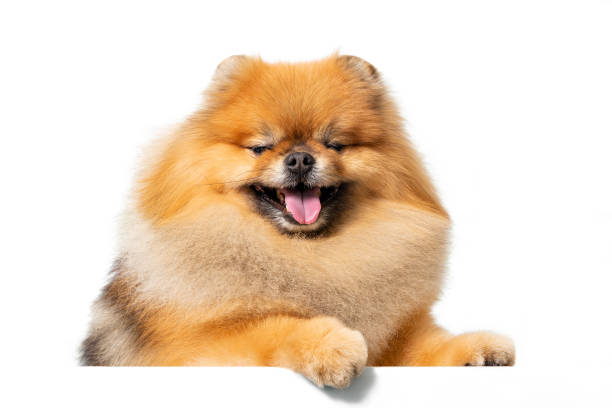
Potty training any puppy requires patience, but when dealing with small and toy breeds—such as Chihuahuas, Yorkshire Terriers, Maltese, Pomeranians, and Dachshunds—the difficulty level escalates significantly. These petite companions present a unique set of physiological, psychological, and logistical hurdles that often leave owners feeling frustrated, leading many to incorrectly conclude that their small dog is simply “unteachable” or “stubborn.”
This comprehensive guide delves into the specific reasons why small breeds are often harder to housebreak and provides a meticulous, phase-based methodology designed to overcome these challenges. We will address everything from tiny bladder capacity and environmental anxieties to the common pitfalls of owner error and the critical importance of enzymatic cleaning.
Part I: Decoding the Unique Challenges of Small Breeds
The difficulty in housebreaking small dogs is not due to lower intelligence; it stems from a combination of biological realities and environmental factors that clash with typical training protocols designed for medium or large dogs.
1. Physiological Constraints: The Tiny Bladder Reality (Frequency and Metabolism)
The most significant hurdle is the small breed’s physical structure. A tiny dog simply cannot hold urine as long as a Labrador or a Golden Retriever.
- Bladder Capacity: A small puppy (under 5 lbs) may only have a functional bladder capacity that requires emptying every 30 to 60 minutes when awake and active. The general rule of thumb—age in months plus one hour—is often too generous for toy breeds. This high frequency demands constant vigilance from the owner, reducing the margin for error dramatically.
- Rapid Metabolism: Small dogs often have faster digestive metabolisms than large breeds. This means food conversion and waste generation happen quickly. They may need to defecate shortly after eating, sometimes within 15–30 minutes, whereas larger dogs might wait an hour or more.
- Difficulty Identifying Signals: Because the waste volume is small, the behavioral indicators (circling, sniffing) that precede elimination may be extremely subtle or missed entirely by the owner.
2. Environmental and Psychological Barriers
The world is built for human scale, and for a two-pound dog, the great outdoors can feel immense and threatening.
- The “Big World” Syndrome (Fear and Aversion): Many small breeds exhibit neophobia (fear of new things) when introduced to the backyard or park. Sounds (traffic, lawnmowers), large objects (garbage bins), and even the vastness of the space can trigger anxiety, leading the puppy to run back inside to the familiar, safe environment of the home (where accidents happen).
- Temperature Sensitivity (Weather Aversion): Small breeds are highly susceptible to temperature fluctuations. A cold, wet morning or hot pavement can be genuinely painful or uncomfortable. They often develop a strong aversion to outside elimination in inclement weather—a challenge large, furrier dogs rarely face.
- Substrate Preference: Due to past use or simple comfort, small dogs may develop a powerful preference for soft, absorbent indoor surfaces, such as rugs, bathmats, or plush carpet. This preference is deeply ingrained and can be harder to break than outdoor aversion.
3. The Owner-Related Complications
Often, the most challenging factor in training small breeds is unintentionally created by the owners themselves.
- Failure to Use Crates Properly (The “Crate and Soil” Problem): Small dogs have a higher propensity to soil their crate if it is too large, or if they are left for too long. Since their bladders are small, owners must take them out more frequently. If a small dog is forced to eliminate in its bed just once, the natural instinct to keep the den clean is easily broken, leading to chronic crate accidents.
- Pampering and Over-Coddling: Due to their delicate appearance, small dogs are often carried everywhere, reducing their opportunity to walk and engage with the environment. This lack of interaction delays their acclimatization to the outdoor world and hinders the development of a routine based on walking/sniffing, which naturally stimulates elimination.
- The Pee Pad Trap: While pads are useful short-term tools, relying on them creates a difficult dependency. The dog learns that eliminating on an absorbent surface inside the house is acceptable, making the transition outside significantly harder.
Part II: Foundational Preparation and Environmental Management
Before starting the active training, the environment must be structured for immediate success. Consistency is not just important; for small breeds, it is the only path to success.
1. The Critical Role of Routine and Scheduling
For a small dog, the training schedule must be treated like a strictly enforced legal contract.
| Time | Action | Purpose & Notes |
|---|---|---|
| Wake Up | Immediate carry/leash and move outside. | Bladder is full after sleep. No pausing for water or food. |
| Morning Meal | Feed right away. | Regular feeding regulates bowel movements. |
| 15 Minutes Post-Meal | Mandatory trip outside. | Peak time for defecation due to rapid metabolism. |
| Hourly | Mandatory trip outside (or every 30-45 min for very small puppies). | Proactive elimination prevents accidents. |
| After Play/Training | Immediately outside. | Excitement and physical activity stimulate the bladder. |
| Before Bed | Final trip, 15 minutes before lights out. | Ensure bladder is completely empty for the night. |
2. Crate Selection and Management: The Right Size is Non-Negotiable
A crate should only be large enough for the dog to stand, turn around, and lie down comfortably. Any extra space allows the dog to sleep in one corner and eliminate in the other, defeating the purpose of den training.
- Using Dividers: If using a standard-sized wire crate, use a divider panel to reduce the space immediately, expanding it only as the puppy grows.
- Crate Frequency: A small breed puppy should only be crated for 1–2 hours maximum during the day, followed by an immediate outdoor trip. If the owner works, reliable midday relief (or an approved dog sitter) is mandatory. Longer duration crating guarantees failure.
3. The Power of Enzymatic Cleaners
Accidents will happen. However, if the scent is not completely neutralized, the dog will instinctively return to that spot because it smells like an acceptable toilet area.
- Rule: Never use ammonia-based cleaners, vinegar, or steam cleaners on accident spots. The chemical composition is too similar to urine and can attract the dog back.
- Protocol: Invest in large quantities of high-quality enzymatic cleaner. Drench the spot, allow the enzymes time to break down the urine proteins (often 10–15 minutes), and then blot clean.
Part III: The Core Training Methodology (Positive, Proactive, Precise)
The small breed requires a training approach based entirely on positive reinforcement and relentless prevention. The goal is to maximize success and eliminate the opportunity for mistakes.
Phase 1: Prevention and Confinement (The First 14 Days)
This phase emphasizes management and teaching the dog where the toilet area is, not scolding them for where it isn’t.
A. The “Umbilical Cord” Method (Constant Supervision)
For the first two weeks, the small dog should never be out of the owner’s sight. This is essential because their signals are so subtle.
- Implementation: Use a short leash (4–6 feet) and clip it to your belt or chair while you work, read, or watch TV. If you cannot tether the dog, they must be in the crate.
- Benefit: This prevents the dog from wandering off to a quiet spot (behind a sofa, under a table) to eliminate, which is where small dogs often commit their accidents.
B. The Outdoor Experience: Making it Safe and Rewarding
For a small dog, the outdoor trip must be quick, consistent, and overwhelmingly positive.
- Preparation: Always carry the puppy outside—do not let them walk to the door. This prevents accidents near the exit and establishes that they only eliminate in the designated area.
- The Designated Spot: Choose a small area outside (2×2 feet) that is quiet and sheltered. Consistency in location helps establish “scent memory.”
- The Trip: Place the dog down, immediately say their elimination cue (“Go Potty,” “Hurry Up”). Wait patiently for no more than five minutes. If they eliminate, immediately celebrate with high praise (“Yes! Good Potty!”) and offer a high-value, small, soft training treat (cheese, cooked chicken).
- The Return: If they eliminate successfully, bring them back inside for 10–15 minutes of supervised freedom and play. If they do not eliminate, bring them inside and immediately place them back into the crate for 5–10 minutes, and then try the trip again. Do not allow free-roaming if they haven’t just gone to the bathroom.
C. Handling Indoor Accidents (The Silent Reset)
If you catch the dog in the act (extremely rare with proper supervision):
- Do not yell or panic. Quickly clap your hands or make a sharp, neutral noise like “Ah-ah!” to interrupt them.
- Immediately pick them up (interrupting the stream) and carry them outside to the designated spot to finish.
- If they finish outside, reward heavily.
- Clean the interior spot with enzymatic cleaner and move on.
If you find an old accident:
- Say nothing. Do not call the dog over to the mess. They cannot connect cleaning the mess with the crime committed hours ago, and correction will only teach them to hide their elimination next time.
- Clean thoroughly and increase supervision.
Phase 2: Transitioning from Pads and Proofing (Weeks 3–8)
If you have used pee pads, this phase is dedicated to weaning the dog off them and expanding their outdoor comfort.
A. The Pad Migration Strategy
If a small dog has become dependent on pads, they need to be transitioned slowly:
- Reduce and Relocate: Start with the pad in its usual indoor spot. Once the dog reliably uses it, begin moving the pad 6 inches closer to the exit door every two days.
- The Doorway: Once the pad is right next to the door, move it outside onto a patio or covered space.
- The Weaning: Once the dog reliably uses the pad outside, cut the pad size in half. Then cut it in quarters. Finally, remove the pad, leaving only the scent residue on the surface, or replace it with a patch of artificial turf. Using artificial turf is an excellent bridge for dogs averse to natural grass.
B. Expanding the Territory
Once the dog is reliably relieving themselves in the small, designated spot, start introducing small elements of the wider environment:
- Walk two feet away from the spot and praise them for eliminating slightly further afield.
- Gradually expand the time spent outside to 10 minutes, allowing them to sniff and explore after they have eliminated. This links the outdoor environment with reward and freedom, reducing anxiety.
Part IV: Addressing Specific Small Breed Challenges
Small dogs exhibit several unique behavioral patterns that can sabotage traditional house training.
1. Submissive and Excitement Urination
This is common in timid, sensitive small breeds (e.g., Cavalier King Charles Spaniels, Poodles). The dog voids small amounts of urine when over-excited (greeting, play) or when feeling intimidated (being corrected, meeting a new person).
- The Crucial Distinction: This is an involuntary emotional response, not a training failure. Correcting this behavior is counterproductive and will amplify their anxiety, making the problem worse.
- Management Strategies:
- Low-Key Greetings: Instruct all visitors (and family members) to ignore the dog for the first few minutes upon entering. Avoid direct eye contact, high-pitched voices, and leaning over them. Kneel down and greet them softly only after they have calmed down.
- Pre-emptive Elimination: Take the dog outside immediately before scheduled greeting times or play sessions. Ensure the bladder is empty.
- Calm Leash Work: If the dog pees when leashed or scolded, switch to a harness and use positive, non-threatening corrections during training.
2. The Weather Aversion Dilemma (Rain, Snow, and Cold)
Many small dogs, especially those with thin coats (e.g., Italian Greyhounds, Rat Terriers), refuse to step into the elements.
- Solution 1: Gear and Shelter: Invest in quality rain gear, boots, and warm coats appropriate for the temperature.
- Solution 2: The Covered Loo: Create a designated, covered outdoor toilet area (under a patio roof, attached awning, or using a large dog kennel with the door removed over the grass patch) where they can eliminate without getting wet.
- Solution 3: Artificial Turf Transition: If they won’t use natural ground, buy a small patch of artificial turf. Train them to relieve themselves on the turf indoors first, and then move the turf immediately outside. This provides a familiar, dry texture.
3. The “Hidden Pee” Problem (The Silent Urinators)
Small dogs can relieve themselves in tiny quantities that are easily missed, especially if they hide the act.
- UV Blacklight Detection: Purchase a high-powered UV blacklight flashlight. Use it regularly (especially in dimly lit areas like under beds, behind curtains) to scan for urine residue. Dried urine salts glow brightly under UV light, revealing spots you never knew existed.
- Increased Sniffing Patrol: Train yourself to sniff out problem areas. If you suspect a spot, treat it with enzymatic cleaner immediately.
4. Regression in Adolescence (The Teenager Phase)
Around 6–12 months, small dogs may experience a regression where previously sound training breaks down. This is normal and is often tied to hormonal changes or a temporary testing of boundaries.
- Response: Do not punish. Simply return to Phase 1 (Umbilical Cord Supervision) for two weeks, reinforcing the foundational routine. If the problem persists, schedule a veterinary check to rule out urinary tract infections (UTIs), which are common in small female dogs.
Part V: Advanced Troubleshooting and Common Owner Mistakes
A breakdown in training usually points back to one of these common mistakes or systemic failures.
Mistake 1: Relying on Punishment or Scolding
Punishment—especially yelling or rubbing the dog’s nose in the accident—is the single worst thing an owner can do to a small dog.
- Outcome: Because small dogs are sensitive and often timid, punishment does not teach them where to go; it teaches them that eliminating in front of the owner is dangerous. This leads to secretive elimination: going under a table, hiding behind furniture, or waiting for the owner to leave the room. This makes housebreaking functionally impossible.
- The Rule: If you see it happening, interrupt neutrally. If you don’t see it, it’s your fault for lack of supervision.
Mistake 2: Failing to Fully Remove Scent Markers
If a dog has 10 accidents on the rug, and the owner uses a standard cleaner, the dog now has 10 powerful scent invitations to return to that spot. House training cannot succeed until the home environment is chemically scent-neutral.
- Audit Your Home: If you have persistent issues, rent or buy commercial-grade equipment or hire professional cleaners specifically trained in pet odor removal to ensure the subfloor and padding are clean.
Mistake 3: The Extended Crate Confinement
While crating teaches bladder control, leaving a small dog in the crate for 4–6 hours during the day is inhumane and training-destructive due to their hyper-small bladder.
- The 1-2 Hour Rule: If you must leave the dog for longer than two hours, use an Ex-Pen (Exercise Pen) instead of a crate. Line half the pen with bedding and the other half with high-quality, specialized puppy pads or artificial turf. This is a temporary measure designed to keep the dog safe while preventing accidents in the main living space, thus preserving the concept that the home is not a toilet.
Mistake 4: Inconsistent Reward Value
Successful elimination must be the most exciting event of the dog’s day. If you use the same reward for going outside as you use for sitting, the motivation is low.
- High-Value Treats: Save the dog’s absolute favorite food (e.g., real chicken jerky, liver paste, salmon bits) only for successful outdoor potty trips. The reward must be delivered immediately (within 2 seconds) of the behavior being completed.
Mistake 5: Giving Too Much Freedom Too Soon
Many owners let their guard down after a week of moderate success. A small dog should not have access to an entire house for many months.
- Phased Freedom: Start by giving them freedom in one small room (e.g., the kitchen with non-porous flooring). If they succeed there for two weeks, incrementally open access to the next room, managing the transition carefully. Unsupervised access to carpets should only be granted after 4–6 months of zero accidents.
Part VI: Specific Considerations for Toy Breeds
While the methods above apply universally, certain breeds require nuanced attention to their specific temperament.
| Breed Group | Temperament Consideration | Training Nuance |
|---|---|---|
| Chihuahuas & Italian Greyhounds | Highly weather-averse, cold-sensitive, can be fragile. | Prioritize covered outdoor areas and warm clothing. If they refuse to move in the cold, use a tiny patch of turf or a designated litter box indoors during winter months, and transition back outside in spring. |
| Yorkshire Terriers & Maltese | Often develop strong substrate preferences (soft textures). | Absolutely prohibit access to bathmats and plush rugs during training. Use gates to block off carpeted areas. |
| Poodles (Toy/Miniature) | Highly intelligent, but prone to anxiety (submissive urination). | Focus heavily on low-key greetings and building confidence through structured training (not just pampering). |
| Dachshunds & Terriers | Inherently independent and sometimes stubborn. | Requires firm, 100% consistency and an extremely high-value reward system to motivate them past their independent streak. |
Conclusion: The Path to Success is Consistency
Potty training a small breed is a marathon of consistency and proactive management, not a sprint of quick fixes. The goal is to set the puppy up for success 99% of the time, so that the correct behavior (outside elimination) becomes a deeply ingrained habit. By respecting their small biology, managing their environment meticulously, utilizing powerful enzymatic cleaners, and maintaining an unwavering, positive routine, even the most challenging small dogs can achieve reliable house training. Patience is your most necessary virtue; every successful trip outside is a monumental step toward a clean, happy, and accident-free life together.
#SmallDogPottyTraining #TinyDogToilet #PottyTrainingHacks #PuppyLife #DogTrainingTips #SmallBreedLove #ChihuahuaLife #HousebreakingHelp #EnzymaticCleaner #DogTrainingSuccess #PositiveReinforcement #PuppyProblems #ToyBreed #DogAdvice





Add comment