
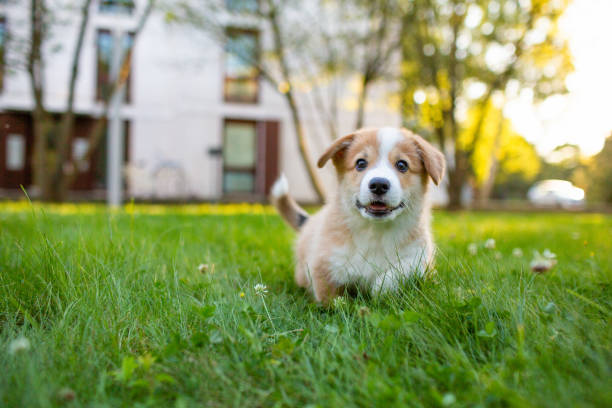
Bringing a new baby into your home is a monumental life event, filled with joy, anticipation, and a healthy dose of adjustments. While much of the focus naturally falls on preparing the nursery, gathering baby essentials, and readying yourselves for sleepless nights, it’s equally crucial not to overlook a vital member of your existing family unit: your dog. For many, a dog is not just a pet, but a furry child, an integral part of daily life. The arrival of a baby will dramatically alter their routine, their access to your attention, and their very world. Without careful, gradual preparation, this transition can be incredibly stressful for your dog, potentially leading to behavioral issues, anxiety, and an unsafe environment for your baby.
This comprehensive guide is designed to navigate you through every step of this journey, ensuring a smooth, positive, and safe integration of your new baby with your beloved canine companion. We will delve into two critical phases: firstly, preparing your dog for the inevitable shift in attention and routine before the baby arrives, and secondly, a detailed, step-by-step approach to introducing your baby or child to your dog. Our goal is to foster a harmonious household where both your human and canine children thrive in a loving and secure environment.
Part 1: Preparing Your Dog for Less Attention: Gradual Changes Before Baby’s Arrival
The period before your baby’s arrival is golden. It offers a unique window of opportunity to proactively shape your dog’s behaviors and expectations, making the transition significantly less jarring for them. The core principle here is gradualism. Avoid sudden, drastic changes that could overwhelm or confuse your dog. Instead, aim to subtly integrate new routines, reduce dependency, and build positive associations with baby-related items and sounds.
1. Understanding Your Dog’s Needs & Current Routine
Before you can implement changes, you need a baseline understanding of your dog’s current world.
- Daily Schedule Audit: Document your dog’s typical day: when they eat, walk, play, sleep, and receive attention. How much direct interaction do they get? Are they used to being the absolute center of attention?
- Identifying Potential Stressors:
- Attention Dependency: Does your dog constantly solicit attention (nudging, barking, pawing)? How do you respond?
- Separation Anxiety: Do they panic when left alone? This needs to be addressed pre-baby.
- Resource Guarding: Do they protect food, toys, or sleeping spots from you or others? This is a significant safety concern.
- Noise Sensitivity: How do they react to loud or unfamiliar sounds?
- Stranger Anxiety/Reactivity: Will they be comfortable with new visitors (grandparents, friends) coming to see the baby?
- Boundary Issues: Do they understand personal space? Are they allowed on furniture, in every room, or constantly in your lap?
- Health Check: A visit to the vet for a full check-up is advisable. Ensure your dog is healthy, up-to-date on vaccinations, and free from any underlying pain or discomfort that could exacerbate behavioral issues. Discuss any anxieties or behavioral concerns with your vet, who might refer you to a veterinary behaviorist.
2. Pre-Arrival Training & Behavioral Adjustments
This is where the proactive work truly begins. Focus on strengthening foundational obedience and introducing specific commands that will be invaluable once the baby arrives.
A. Foundation Obedience Refresher
Even well-trained dogs benefit from a refresher. Practice these commands daily in short, positive sessions:
- Sit, Stay, Down: Essential for managing excitement, creating calm, and maintaining distance from the baby. Practice “stay” for longer durations and with increasing distractions.
- Come (Recall): A reliable recall is crucial for safety, allowing you to call your dog away from situations quickly.
- Leave It: Teaches your dog to ignore tempting items (baby toys, dropped food, baby’s hands). This is paramount.
- Drop It: Teaches your dog to release items from their mouth, again, vital for safety around baby items.
- Polite Leash Walking: A well-behaved dog on a leash makes walks with a stroller infinitely easier and safer.
B. “Go to Mat/Place” Command
This is arguably one of the most important commands you can teach. It provides your dog with a designated safe space and teaches them to settle there on command.
- How to Teach: Lure your dog onto a mat/bed, say “Place” or “Mat,” reward heavily when they lay down calmly. Gradually increase duration and distance.
- Benefits: It creates a clear boundary, allows you to manage their presence in the room (e.g., during feeding or changing), and gives the dog a predictable “safe zone” away from the baby, reducing stress. Practice having them go to their place when you’re busy with other tasks, simulating baby care.
C. “Hand Target” / “Touch”
This command involves teaching your dog to gently touch your open palm with their nose.
- Benefits: It’s a gentle way to redirect your dog’s attention, move them without physically pushing, and encourage positive interaction. It can also be very useful for getting their attention when you need them to move away from something or someone without using a harsh voice.
D. “Settle” / “Relax”
Teach your dog to lie down calmly and relax on command, without needing constant attention.
- How to Teach: Reward quiet, calm behavior when your dog is already lying down. Gradually add the verbal cue “Settle” or “Relax.” This is about rewarding the state of calmness, not just the position.
E. Teaching Independence & Alone Time
Your dog will inevitably spend more time alone or with less direct interaction once the baby arrives.
- Gradually Increase Alone Time: Start leaving your dog alone for short periods, even if you’re just in another room. Increase the duration slowly.
- Crate Training (If Applicable): If your dog isn’t crate trained, now is an excellent time to introduce it positively. A crate can be a safe haven for your dog and a crucial tool for managing their presence when you can’t actively supervise. Never use the crate as punishment.
- Mental Stimulation: Provide engaging puzzle toys, Kongs stuffed with treats, or long-lasting chews when you leave or are busy. This teaches them to entertain themselves independently.
F. Desensitization to Baby Sounds & Scents
The baby will bring new sounds and smells into the home.
- Baby Sounds: Obtain recordings of various baby sounds (crying, cooing, babbling). Play them softly at first, gradually increasing volume over several weeks, always associating them with positive experiences (treats, playtime) for your dog. End the session before your dog shows signs of stress.
- Baby Scents: Introduce baby lotion, powder, or a clean diaper into your dog’s environment. Let them sniff it, then reward them. This helps them associate these new smells with good things. Wear baby lotion yourself so they associate the scent with you.
G. Introduction to Baby Gear
Prams, cribs, high chairs, car seats – these are all new, potentially scary, objects.
- Early Introduction: Set up baby gear well in advance. Let your dog explore them at their own pace.
- Positive Association: Place treats around the stroller, feed your dog near the crib (always supervised), or give them a favorite toy when you’re “practicing” with the baby gear. The goal is for them to see these items as neutral or even positive, not threatening or attention-stealing.
- Establish Boundaries: Teach “leave it” around baby items. If you don’t want your dog jumping into the crib or stroller, train this boundary now.
H. Managing Attention-Seeking Behaviors
If your dog currently demands attention (barking, pawing, nudging), you need to change your response.
- Ignore Unwanted Solicitations: When your dog seeks attention inappropriately, turn away, do not make eye contact, and do not speak to them. Wait for a moment of quiet or calm, then reward that behavior.
- Reward Calmness: Actively seek out moments when your dog is lying calmly by themselves and quietly reward them with praise or a gentle pet. This teaches them that calm, independent behavior earns attention, not demanding behavior.
- Scheduled Attention: Ensure your dog still gets dedicated, high-quality attention at specific times, independent of their demanding it. This builds trust and security.
I. Gradually Reducing Direct Attention
This is key to preventing a sudden shock to your dog’s system.
- Quality Over Quantity: Instead of constant, casual petting, shift to shorter, more focused play sessions or training sessions.
- Vary Attention: Don’t always respond immediately to your dog’s requests for attention. Sometimes make them wait a minute, then give them attention for being patient.
- Practice Being “Busy”: Spend time on the couch ignoring your dog while you read a book, watch TV, or even use a doll to simulate holding a baby. Reward your dog for settling calmly nearby.
J. Enrichment Strategies for Independent Play
To compensate for reduced direct attention, provide ample opportunities for self-entertainment.
- Puzzle Toys: Kongs, snuffle mats, slow feeders, and other puzzle toys keep your dog mentally stimulated and engaged.
- Chew Toys: Durable chew toys provide stress relief and keep teeth clean. Ensure they are safe and appropriate for your dog’s size and chewing style.
- Scent Work: Hide treats around the house for your dog to find. This is a low-impact, high-reward activity that dogs love.
K. Establishing New Routines
Start adjusting your dog’s schedule to reflect what it might look like post-baby.
- Walk Times: If you anticipate walks will need to be earlier, later, or shorter, begin shifting these now.
- Feeding Times: Adjust feeding schedules if necessary.
- Consistency: Once a new routine is established, try to stick to it as much as possible. Predictability reduces anxiety.
L. Addressing Specific Behavioral Issues
If your dog exhibits resource guarding, severe separation anxiety, or aggression, seek professional help immediately from a certified professional dog trainer (CPDT-KA) or a veterinary behaviorist. These issues pose significant risks to a baby and require expert intervention. Do not attempt to fix these on your own, as you could inadvertently make them worse.
3. Physical Adjustments to the Home
Making physical changes well in advance helps your dog adjust without associating them directly with the baby’s arrival.
- Dog-Proofing Baby Areas: Identify areas that will be baby-centric. Remove any dog toys, beds, or food/water bowls from these zones.
- Creating a Dog-Safe Sanctuary: Designate a quiet, comfortable space where your dog can retreat to, away from the baby’s activity. This could be their crate, a bed in a quieter room, or a fenced-off area. This is their space, where they can relax undisturbed.
- Gates and Barriers: Install baby gates now. Teach your dog what areas are off-limits. This is crucial for creating safe zones for both baby and dog. Practice having your dog spend time behind the gate with you on the other side, rewarding calm behavior.
4. Simulating Baby’s Presence
Using a doll can be an incredibly effective tool for practice.
- Practice Carrying: Carry the doll around the house, speaking softly to it, just as you would a baby.
- Practice Baby Care: Change its diaper, rock it, “feed” it, all while your dog is present.
- Reward Calmness: Throughout these simulations, reward your dog for calm, quiet behavior. Don’t force interaction with the doll; simply reward their acceptance of your new focus.
- A “Baby” Toy: Introduce a special “baby toy” that can only be accessed when you are simulating baby care. This creates a positive association with the activity.
5. Maintaining Exercise & Mental Stimulation
Even with reduced direct attention, your dog’s physical exercise and mental stimulation needs remain paramount. A tired dog is a good dog.
- Regular Walks: Continue with your dog’s regular walks, either you, your partner, or a trusted dog walker.
- Play Sessions: Engage in vigorous play sessions (fetch, tug-of-war) to burn off energy.
- Training & Brain Games: Continue short training sessions and incorporate puzzle toys. A mentally stimulated dog is less likely to become bored and destructive or anxious.
6. Professional Help
Do not hesitate to seek help.
- When to Consult: If you are struggling with any aspect of this preparation, if your dog shows signs of stress, anxiety, or aggression, or if you simply want guidance from an expert.
- Who to Consult: A Certified Professional Dog Trainer (CPDT-KA) or a Veterinary Behaviorist (DACVB). Ensure they use positive reinforcement methods.
7. The Day Before / Day Of Arrival
- Extra Exercise: On the day the baby is due to come home, ensure your dog gets an extra-long walk or play session to burn off energy. A tired dog is a calmer dog.
- Calm Environment: Ensure the house is calm and quiet when the baby arrives.
This extensive preparation phase sets the foundation for a smoother integration. Remember, consistency, patience, and positive reinforcement are your greatest tools.
Part 2: Introducing Your Baby/Child to Your Dog
The moment your baby comes home is exciting, but it’s also a critical time for careful management. The goal is to create a positive first impression and build a foundation of trust and safety, ensuring your dog sees the baby as a benign, even positive, addition to the family, rather than a threat or rival.
1. The First Scent Introduction (Before Baby Comes Home)
This step helps your dog familiarize themselves with the baby’s scent before the visual introduction.
- Bring Home a Scent Item: While still at the hospital, have a partner or trusted friend bring home a blanket, hat, or piece of clothing the baby has worn and slept with. This item will carry the baby’s unique scent.
- Controlled Introduction: Allow your dog to sniff the item at their own pace. Do not force it on them.
- Positive Association: While they are sniffing, speak calmly and positively. Offer gentle praise or a high-value treat. Avoid making a big deal out of it. The goal is a casual, positive association.
- Place the Item: Leave the item in a location where your dog can continue to sniff it periodically, such as near their bed or in the living room.
2. The Homecoming – Controlled First Meeting
This is the big moment. Planning and control are vital.
- Pre-Meeting Prep for the Dog:
- Exercise: Make sure your dog has had a long walk, playtime, or mental exercise session beforehand. A tired dog is calmer.
- Potty Break: Ensure they’ve had a recent potty break.
- Calm State: Bring your dog into a calm state before the baby enters. This might involve having them on their “place” or tethered nearby.
- Parent Greets Dog Alone First: When the parent who was away (likely the birthing parent) first enters the house, greet the dog alone, showering them with calm, affectionate attention for a few minutes. This reassures the dog that they are still loved and important, reducing the initial emotional overload when the baby appears.
- The Initial Visual Meeting (Short & Controlled):
- On Leash (Optional but Recommended): For the very first few meetings, consider having your dog on a loose leash. This provides a gentle means of control if your dog gets overly excited or anxious, without being restrictive.
- No Forced Interaction: One parent holds the baby, securely. The other parent manages the dog. Keep a calm demeanor.
- Distance and Observation: Allow the dog to see the baby from a distance first, while you praise and reward calm behavior. Do not force proximity. Let the dog approach if they choose, but supervise every interaction closely.
- Reward Calm: Every time your dog looks at the baby calmly, ignores the baby, or settles down, reward them with a quiet “good dog” and a treat. If they show signs of excitement, anxiety, or growling, calmly increase the distance and reassess.
- Keep it Short: The first meeting should be very brief and end on a positive note. Once your dog is calm and has acknowledged the baby, end the session.
3. Gradual Integration & Positive Associations
The key over the next few days and weeks is to consistently build positive associations and slowly increase exposure, always under strict supervision.
- Controlled Interactions:
- Short, Supervised Sessions: Continue with short, controlled sessions throughout the day. Your dog should always be supervised when in the same room as the baby.
- Never Leave Dog and Baby Unattended: This rule is absolute and non-negotiable, even for the most trustworthy dog. Use gates, crates, or separate rooms to ensure safety.
- Reward Calmness: Whenever the dog is calm in the baby’s presence—lying down, ignoring crying, not trying to jump or lick—offer quiet praise and a treat. Make the baby’s presence synonymous with good things for the dog.
- “Look at That” (LAT) Game: This is an excellent tool for redirecting your dog’s focus.
- When your dog looks at the baby, immediately say “Look at that!” and give them a treat. This teaches them to look at the baby, then look back to you for a reward, establishing a positive “check-in” pattern.
- Proximity Training: Gradually allow your dog to spend more time in the same room as the baby, always rewarding calm behavior. Use baby gates to create a safe barrier if you need to attend to something else quickly.
- Creating Positive-Only Zones: Designate areas near the baby where your dog only receives positive things (long-lasting chews, puzzle toys, attention from you). This reinforces that the baby’s presence is linked to good outcomes for them.
- Maintain Dog’s Routine: Stick to your dog’s established feeding, walking, and play schedules as much as possible. Predictability reduces stress. If walks are difficult with a baby, enlist help from a partner, friend, or dog walker.
- Dedicated Dog Time: Although your time is limited, make an effort to have short, dedicated one-on-one time with your dog daily. This reassurance is crucial for their emotional well-being.
- Ignore Unwanted Behaviors: If your dog whines, barks, or tries to jump for attention while you’re with the baby, calmly ignore the behavior. Reward them for settling down or redirect them to their “place.”
4. Managing Dog Behavior Around Baby
Understanding and responding appropriately to your dog’s signals is paramount to safety.
- Recognizing Stress Signals in Dogs: Learn to read your dog’s body language. These signals indicate stress or discomfort and are warnings that should be heeded.
- Early Signs: Lip licking, yawning (when not tired), looking away/whale eye (showing the whites of their eyes), tucked tail, flattened ears, tense body, panting (when not hot or exercised), shedding excessively, turning head away.
- Escalating Signs: Stiffness, freezing, lowering head, growling (a clear warning, do NOT punish), snapping (a bite without contact or with minimal pressure), biting.
- Action: If you see any signs of stress, calmly increase the distance between your dog and the baby. Give your dog a break in their sanctuary. Do not punish these signals; they are your dog’s way of communicating. Punishing a growl teaches a dog to skip the warning and go straight to a bite.
- Setting Boundaries: Use baby gates, crates, and the “place” command to manage your dog’s access and create safe zones. This isn’t punishment; it’s structure for safety.
- Never Punish Growling or Stress Signals: As mentioned, a growl is a warning. Punishing it suppresses the warning, meaning the next time your dog feels threatened, they might go straight to biting without giving you a chance to intervene. Instead, remove your dog calmly from the situation, give them space, and reassess what triggered the reaction. If growling persists, consult a behaviorist.
- Ensure the Dog’s Needs Are Met: A dog that is well-exercised, mentally stimulated, well-fed, and given attention is less likely to exhibit problem behaviors. Do not let your dog become neglected.
- Baby-Free Zone: The dog’s bed, crate, or designated safe space should always be a baby-free zone. Teach children (as they grow) that this is the dog’s private area where they should not be disturbed.
5. Dealing with Older Children & Dogs
As your baby grows into a toddler and then a child, the dynamic with your dog changes. Children need to be educated on respectful interaction.
- Educating Children:
- Respect Personal Space: Teach children that dogs need their own space. Highlight the dog’s “place” as a safe zone.
- No Disturbing: Emphasize never disturbing a dog when they are sleeping, eating, or chewing a toy.
- Gentle Hands: Teach children to use “gentle hands” and to only pet dogs on their sides or chest, avoiding the face, tail, or paws.
- Always Ask First: Teach children to always ask an adult if it’s okay to approach or pet a dog, even their own, and to respect the answer “no.”
- No Riding/Pulling: Explicitly forbid riding on the dog, pulling tails or ears, or any roughhousing that could hurt the dog or provoke a defensive reaction.
- Continued Supervision: Even with older children, supervision is paramount, especially when children are still learning appropriate interaction. Accidents can happen in a split second.
- “Consent Tests”: Teach children that a dog will lean into a pet from a person they enjoy, but if the dog leans away, walks away, or shows avoidance signals, they are saying “no, thank you.” Teach children to respect these signals.
- Body Language Reading (for Children): Teach children simple dog body language cues: a wagging tail doesn’t always mean happy (a stiff, high, rapidly wagging tail can indicate tension); a relaxed dog has soft eyes and a loose body.
- Safe Play: Encourage appropriate games like fetch, where the child throws a toy and the dog retrieves it, avoiding games that involve rough physical contact or chasing.
6. When to Seek Professional Help (Again)
Do not hesitate to call a professional if:
- Your dog shows signs of aggression towards the baby or child (growling, snapping, biting).
- Your dog displays severe anxiety, fear, or persistent stress in the baby’s presence.
- You are struggling to manage your dog’s behavior despite following these guidelines.
- Any instance of a bite, even a minor one, requires immediate professional intervention.
- Who to Consult: A Certified Professional Dog Trainer (CPDT-KA) specializing in family integration or a Veterinary Behaviorist (DACVB) are the go-to experts.
7. Long-Term Harmony
Integrating a dog and a new baby is an ongoing process, not a one-time event.
- Ongoing Commitment: Continue to apply these principles as your child grows. Revisit training if old behaviors resurface.
- Adapt as Child Grows: A dog’s interaction with a newborn will be different from a crawling baby, a toddler, or a school-aged child. Be prepared to adapt your rules and supervision accordingly.
- Regular Check-ins: Periodically assess your dog’s comfort level and your child’s understanding of dog etiquette.
Bringing a baby home is a transformative experience, and with careful planning, patience, and love, you can ensure that your cherished dog becomes a happy, well-adjusted member of your expanded family. The effort you put in now will pay dividends in the form of a safe, respectful, and loving relationship between your children, both human and canine, for years to come.
#DogAndBaby, #PetSafety, #NewBabyNewDog, #DogTraining, #CanineFamily, #BabyReadyDog, #DogBehavior, #PositiveReinforcement, #PetParenting, #DogLife, #FamilyDog, #ExpectingParents, #DogLover, #DogTips, #BabyOnTheWay, #HappyFamily, #DogMom, #DogDad, #SafePaws, #PawsitiveParenting, #DogCare, #HomeWithBaby, #BabyProofing, #DogIntegration, #BabyAndPets, #FurryFamily, #DogAdvice, #GentleIntroductions, #SafeInteractions







Add comment