
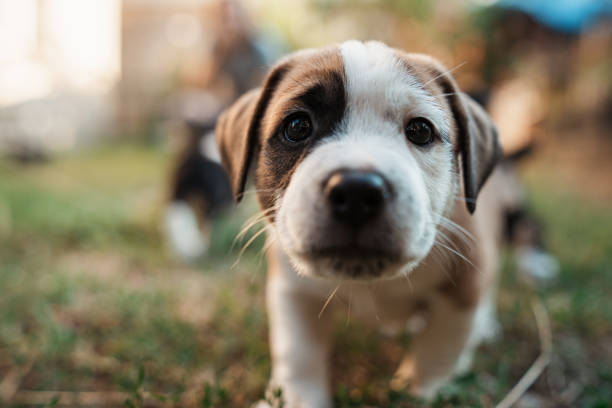
It’s wonderful that you’re thinking about preparing your puppy for alone time! This is a crucial step in raising a well-adjusted and confident dog. A poorly managed transition can lead to separation anxiety, destructive behaviors, and a stressed puppy. This comprehensive guide will walk you through everything you need to know to make this process as smooth and successful as possible.
Preventative Measures: Preparing Your Puppy for Alone Time
The goal is to teach your puppy that being alone is a normal, safe, and even enjoyable experience. This requires a gradual, positive, and patient approach.
I. Laying the Foundation: Before You Even Leave
This phase is all about building your puppy’s confidence in their environment and establishing a strong bond with you.
A. Socialization and Exposure:
- Early and Varied Exposure: Expose your puppy to a variety of sights, sounds, people, and other well-behaved dogs from a young age (after they’ve had appropriate vaccinations, as advised by your vet). This helps them feel more secure and less fearful in new situations, including when you’re not around.
- Positive Associations: Ensure all these new experiences are positive. Use treats, praise, and play to create good feelings.
B. Building Independence and Confidence:
- Independent Play: Encourage your puppy to entertain themselves with appropriate chew toys or puzzle feeders. Don’t always be the one initiating play; allow them to initiate and self-soothe.
- “Go to Your Place” Training: Teach your puppy to go to a designated safe spot (like a crate, bed, or mat) on command. This provides them with a sense of control and ownership over their space.
- Varied Environments: As they get older and more comfortable, allow them supervised exploration of different areas of your home. This broadens their understanding of their territory.
C. Establishing a Routine:
- Predictability is Key: Puppies thrive on routine. Establish consistent times for feeding, potty breaks, playtime, training, and sleep. This predictability helps them anticipate what’s coming next and reduces anxiety.
- Avoid Over-Stimulation: While socialization is important, don’t overwhelm your puppy. A calm and content puppy is more likely to be comfortable alone.
II. The Gradual Introduction to Alone Time: Step-by-Step Desensitization
This is where you actively start practicing leaving your puppy alone, in very small increments.
A. Creating a Safe and Comfortable Environment:
- The Crate (if using):
- Positive Association: Make the crate a positive place from the very beginning. Feed meals in the crate, give special treats only in the crate, and toss toys inside. Never use the crate for punishment.
- Comforts: Ensure the crate is the right size (just big enough for them to stand up, turn around, and lie down comfortably), with soft bedding.
- Start with the Door Open: Let them explore and settle in the crate with the door open.
- Designated “Safe Space”: If not using a crate, a puppy-proofed room or playpen can serve as a safe space. Equip it with their bed, water, a potty pad (if needed), and safe toys.
- Remove Triggers: Puppy-proof the area to remove anything they might chew on or get into that could cause distress or damage.
- Potty Breaks: Ensure they have had a recent potty break before you plan to leave them, no matter how short the absence.
B. Short, Successful Departures:
- Practice “Fake Exits”: Before you actually leave, practice walking towards the door, picking up your keys, putting on your coat, and then sitting back down. Do this multiple times a day without actually leaving. This helps decouple these pre-departure cues from your actual departure.
- The Mini-Departure (Seconds):
- Start by leaving for literal seconds. Walk out the door, close it behind you, and immediately come back in.
- Crucially: Do not make a fuss when you leave or return. This is vital. Act as if you’re just going to another room.
- Gradually Increase Duration:
- Once they are comfortable with seconds, increase to 30 seconds, then a minute, then 5 minutes, and so on.
- Go at your puppy’s pace. If they show any signs of distress (whining, barking, pacing), you’ve gone too fast. Go back to the previous duration they were comfortable with and try again.
- Positive Reinforcement on Return: When you return, a calm greeting is best. Avoid overwhelming them with excessive praise or attention. Once they have settled down, you can then offer calm affection or a treat.
C. Making Alone Time Enjoyable:
- High-Value Chew Toys/Puzzle Feeders: Before you leave, offer a special, long-lasting treat or puzzle toy that your puppy only gets when you’re gone. This creates a positive association with your absence. Examples include:
- KONGs stuffed with peanut butter (xylitol-free!), yogurt, or wet food and then frozen.
- Lick mats.
- Interactive puzzle toys with kibble or small treats inside.
- Avoid Over-Excitement Before Leaving: Don’t engage in a high-energy play session right before you leave. This can make it harder for your puppy to settle down. Instead, a calm potty break and a brief, gentle petting session is more appropriate.
D. Managing Departures and Arrivals:
- Calm Departures: Avoid long, drawn-out goodbyes. This can increase your puppy’s anxiety. Simply calmly go about your routine, and leave.
- Calm Arrivals: As mentioned, greet your puppy calmly. Wait until they have settled before giving them attention. This prevents them from associating your return with extreme excitement and reinforces that your leaving and returning are normal events.
III. Troubleshooting and Advanced Strategies
Even with the best preparation, some puppies may struggle.
A. Identifying Signs of Distress: Be observant of your puppy’s body language. Signs of distress can include:
- Excessive vocalization (whining, barking, howling)
- Pacing
- Destructive chewing (especially on doors, windows, or items associated with your departure)
- Potty accidents (even if house-trained)
- Panting, drooling, trembling
- Clinginess and following you everywhere
- Excessive licking or grooming
B. What to Do If Your Puppy Struggles:
- Go Back to Basics: If your puppy is showing signs of distress, you’ve likely moved too fast. Return to shorter durations of absence until they are comfortable again.
- Increase Enrichment: Ensure they have plenty of mental and physical stimulation when you are home. A tired puppy is a good puppy!
- Leave an Item with Your Scent: Sometimes, leaving a piece of your worn clothing (like a t-shirt) in their safe space can be comforting.
- White Noise or Calming Music: Leaving on a radio at a low volume or playing calming classical music designed for dogs can help mask external noises and create a more soothing atmosphere.
- Dog–Home Cameras: These can be invaluable for observing your puppy’s behavior when you’re away and understanding what triggers their anxiety. Some cameras even have two-way audio so you can calmly speak to your puppy.
- Professional Help: If your puppy’s distress is severe and persistent, don’t hesitate to consult a qualified professional:
- Veterinary Behaviorist: A veterinarian with specialized training in animal behavior who can diagnose and treat behavioral issues, sometimes prescribing medication if necessary.
- Certified Professional Dog Trainer (CPDT-KA or CPDT-KSA): A trainer with experience in separation anxiety. Look for those who use positive reinforcement methods.
C. Things to Avoid:
- Punishment: Never punish your puppy for behaviors that occur while they are alone. They are acting out of stress and anxiety, and punishment will only worsen the problem and damage your bond.
- Ignoring the Problem: Separation anxiety won’t resolve itself. It requires proactive and consistent intervention.
- Leaving Them for Too Long, Too Soon: This is the most common mistake. Pushing your puppy beyond their comfort level will set you back.
- Making a Big Deal Out of Departures/Arrivals: As emphasized, this fuels their anxiety.
IV. Long-Term Strategies and Maintenance
Once your puppy is successfully managing short periods alone, you can continue to build their confidence.
- Vary Your Schedule: Once your puppy is comfortable with a consistent schedule, occasionally vary your departure and arrival times. This helps them understand that your absence isn’t always at the exact same interval.
- Practice Longer Absences: Gradually increase the duration of your absences as your puppy demonstrates continued comfort and independence.
- Continue Enrichment: Keep offering puzzle toys and engaging activities to make alone time enjoyable and mentally stimulating.
- Reinforce Independence: Continue to encourage independent play and quiet time when you are home.
- Regular Vet Check-ups: Ensure your puppy is in good health, as medical issues can sometimes contribute to behavioral changes.
Conclusion
Preparing your puppy for alone time is a journey, not a race. It requires patience, consistency, and a deep understanding of your puppy’s needs. By implementing these preventative measures and gradually desensitizing them to your absence, you can help your puppy grow into a confident, well-adjusted dog who can happily and calmly spend time on their own. Remember, a strong foundation of trust and positive reinforcement is the key to success. Enjoy the process, and celebrate each small victory!







Add comment