
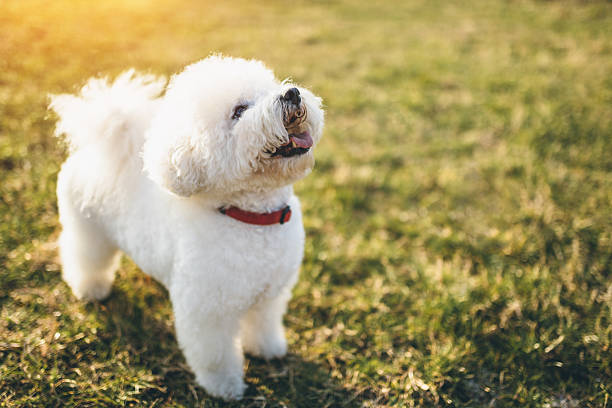
Bringing a baby into a home with a beloved dog is a joyous and exciting time, but it also introduces unique safety considerations. While dogs can be wonderful companions for children, their instincts, size, and strength can pose risks if not managed properly. This comprehensive guide will provide essential safety tips to ensure a harmonious and accident-free environment for both your baby and your furry friend.
A Comprehensive Guide: Preventing Accidents for Baby & Dog Owners
Introduction: The Joy and Responsibility of a Multi-Species Family
The bond between a child and a pet can be incredibly special, fostering empathy, responsibility, and unwavering companionship. However, this beautiful relationship requires proactive management, thorough understanding, and consistent effort from parents. Accidents, though often unintentional, can have severe consequences. By understanding the potential risks and implementing preventative measures, you can create a safe, happy, and loving environment where your baby and dog can thrive together.
Section 1: Understanding the Risks – Why Safety is Paramount
It’s crucial to acknowledge that even the most gentle and well-behaved dog can react unpredictably in certain situations, especially with the novel stimuli a baby presents.
Risks Posed by Dogs to Babies:
- Accidental Injury: A playful or excited dog, especially a larger one, can unintentionally knock over, scratch, or mouth a baby, leading to falls, scrapes, or more serious harm.
- Bites: The most severe risk. Bites can occur due to:
- Fear/Anxiety: A dog feeling cornered, startled, or stressed by a baby’s cries, sudden movements, or unpredictable touch.
- Resource Guarding: Protecting food, toys, sleeping spots, or even the owner from the perceived “threat” of the baby.
- Pain/Discomfort: Reacting to accidental poking, pulling of fur/ears, or touching a sensitive area by the baby.
- Prey Drive: A dog may perceive a crying or crawling baby as a small “prey” animal, especially if they have a strong prey drive.
- Lack of Understanding: Not knowing how fragile a baby is, or misinterpreting play signals.
- Disease Transmission: While less common with vaccinated and healthy dogs, parasites (worms), bacteria, or viruses can potentially transfer.
- Choking Hazards: Dogs often drop or leave behind their toys, chews, or even kibble, which can become choking hazards for curious babies.
Risks Posed by Babies to Dogs:
- Stress & Anxiety: The sudden noise, unpredictable movements, and shift in household routine can stress a dog, leading to behavioral issues or defensive reactions.
- Pain & Injury: Babies, especially toddlers, lack fine motor control and understanding of consequences. They may pull ears, tail, poke eyes, or hit the dog, causing pain and potentially eliciting a defensive bite.
- Exposure to Germs: Babies often put everything in their mouths, then touch the dog, potentially transferring human germs to the dog.
- Loss of “Safe Space”: A dog’s bed or crate might be invaded by a curious baby, removing their crucial retreat option.
Section 2: Preparing for the Arrival – Proactive Steps Before Baby Comes Home
Preparation is key to a smooth transition. Start these steps months before the baby’s due date.
- Veterinary Check-up:
- Ensure your dog is up-to-date on all vaccinations and parasite prevention (fleas, ticks, worms).
- Discuss any existing behavioral issues or anxieties with your vet. A healthy dog is a happier dog.
- Obedience Training & Behavior Modification:
- Reinforce Basic Commands: “Sit,” “Stay,” “Down,” “Come,” “Leave It” are crucial for control. “Stay” and “Leave It” are especially important when interacting with the baby or baby’s items.
- “Go to Your Place/Bed”: Teach your dog to calmly go to a designated spot on command and stay there until released. This provides a safe retreat and allows you to manage interactions.
- No Jumping: Consistently deter jumping, especially on people, as this can be dangerous around a baby.
- Loose-Leash Walking: Important for walks with a stroller.
- Desensitize to Baby Sounds & Smells:
- Play recordings of baby cries, coos, and gurgles at low volumes, gradually increasing. Reward your dog for calm reactions.
- Introduce baby lotions, powders, and clothes. Let your dog sniff them (supervised) and associate them with positive reinforcement.
- Set up baby furniture (crib, swing) early so your dog can get used to new objects in the environment.
- Establish “Safe Spaces” for Your Dog:
- Designate an area (crate, dog bed in a quiet room) where your dog can retreat and not be disturbed. This is their sanctuary.
- Practice having your dog go to this spot on command.
- Use baby gates to create physical barriers between the dog’s space and baby’s space.
- Adjust Routines Gradually:
- If your dog’s feeding, walking, or play schedule will change significantly after the baby arrives, start adjusting it before the birth. This minimizes the shock of a new routine.
- Spend time with your dog that doesn’t involve constant attention (e.g., quiet time together while you read). This prepares them for times when you’ll be occupied with the baby.
- Crate Training (If Not Already Done):
- A properly introduced crate can be an invaluable tool, providing a secure den for your dog and a reliable way to separate them from the baby when needed. It should never be used as punishment.
Section 3: The First Introduction & Ongoing Management
The first meeting sets the tone. Approach it calmly, patiently, and with control.
- Before the Baby Comes Home (Scent Introduction):
- Have a partner or friend bring a blanket or item of clothing with the baby’s scent home from the hospital before the baby arrives.
- Allow the dog to sniff it calmly, associating it with positive reinforcement (treats, praise). Don’t force interaction.
- The First Meeting (Controlled & Calm):
- Leash Your Dog: Keep your dog on a leash for the initial interactions, giving you immediate control.
- Calm Environment: Ensure the home is calm and quiet. Avoid excited greetings or a chaotic atmosphere.
- Parent Holds Baby: One parent should hold the baby while the other manages the dog.
- Allow Sniffing (Supervised): Let your dog approach and sniff the baby (feet, back of the head) cautiously. Keep the sniffing brief and positive.
- Positive Reinforcement: Lavishly praise and reward your dog for calm, appropriate behavior.
- Keep it Short: Initial interactions should be very brief, just a few minutes.
- No Forcing: Never force your dog to interact with the baby if they seem hesitant or stressed.
- The “Never Leave Unattended” Rule – The Golden Rule:
- NEVER leave your baby and dog unsupervised, even for a second. This is the single most important rule. Even if you step out of the room for a moment, use a baby gate or crate to separate them. Accidents happen incredibly quickly.
- Creating Physical Barriers:
- Baby Gates: Essential for separating spaces. Use them to create “baby zones” and “dog zones,” especially when you can’t actively supervise.
- Crates: Useful for containing your dog when you need to focus solely on the baby, or when your dog needs a break.
- Supervised Interactions – Quality Over Quantity:
- Short & Positive: Keep interactions brief and ensure they always end on a positive note for the dog.
- Always Be Present: Be physically close enough to intervene immediately if needed.
- Focus on Dog’s Body Language: Learn to recognize signs of stress in your dog (lip licking, yawning without being tired, whale eye – showing the whites of their eyes, stiff posture, head turn, tucked tail, growling, air snapping). These are warnings – respect them immediately.
- Prevent Resource Guarding: Never allow your dog’s food, water, toys, or bed to be accessible to the baby. Feed your dog in their crate or a separate room.
- “No-Go” Zones: Train your dog that certain areas (e.g., the crib, changing table) are off-limits for them.
- Teaching Gentle Interactions (As Baby Grows):
- For the Baby/Toddler: As your child grows, teach them to be gentle, to respect the dog’s space, and never to pull fur, ears, or tail. Show them how to gently pet the dog on the back or shoulder, not the face.
- “Doggy Nap Time”: Teach your child that when the dog is sleeping or in its bed/crate, they must not be disturbed.
- Maintaining Your Dog’s Well-being:
- Dedicated Time: Ensure your dog still receives individual attention, walks, playtime, and training sessions. A happy, well-exercised dog is less likely to develop behavioral issues.
- Mental Stimulation: Use puzzle toys, training sessions, and enrichment activities to keep your dog mentally engaged, especially if their physical exercise or direct attention from you temporarily decreases.
- Don’t Punish for Reactions: If your dog growls or shows stress signs, don’t punish them. This teaches them to suppress warnings, which can lead to a bite without warning. Instead, remove them from the stressful situation and re-evaluate why they reacted.
Section 4: Environmental Safety – Baby-Proofing & Dog-Proofing
Your home needs to be safe for both species.
- Secure All Food:
- Dog Food & Water: Keep your dog’s food bowl and water dish out of the baby’s reach. Babies can choke on kibble or contaminate water.
- Baby Food: Clean up all dropped baby food immediately. Many human foods are toxic to dogs, and even non-toxic ones can cause digestive upset.
- Dog Toys & Chews:
- Choking Hazards: Many dog toys (especially rawhides, small balls, or worn-down chews) are major choking hazards for babies.
- Resource Guarding: Keep all dog toys out of baby’s reach to prevent accidental grabbing by the baby and subsequent resource guarding by the dog.
- Supervise Chew Time: Only allow your dog to have high-value chews when they are in their crate or a separate room.
- Baby Toys & Gear:
- Dog-Proof: Keep baby toys off the floor when not in use. Dogs can chew on them, ingest small parts, or damage expensive baby items.
- Hygiene: Prevent dogs from licking or mouthing baby toys, bottles, or pacifiers.
- Chemicals & Medications:
- Store all cleaning supplies, medications (human and pet), and toxic substances securely out of reach of both baby and dog.
- Trash Cans:
- Use trash cans with secure lids that pets cannot open, or keep them behind closed cabinet doors. Ingesting rotting food or dangerous items from the trash is a common pet emergency.
- Electrical Cords:
- Secure all electrical cords and outlets. Babies can pull on them, and some dogs will chew them, creating electrocution hazards.
- Toxic Plants:
- Identify and remove any toxic houseplants from your home. Both babies and dogs are known to chew on plants.
Section 5: Emergency Preparedness
Even with the best precautions, accidents can happen. Be prepared.
- Emergency Contact List: Keep numbers for your veterinarian, emergency vet clinic, pediatrician, and nearest children’s hospital readily accessible.
- Pet First Aid Kit & Baby First Aid Kit: Have separate, well-stocked kits for each.
- Learn Pet CPR/First Aid: Consider taking a pet first aid course to know how to respond to choking, cuts, or other emergencies.
- Learn Baby CPR/First Aid: Crucial for any parent.
Section 6: When to Seek Professional Help
Don’t hesitate to seek expert advice if you observe concerning behaviors.
- Veterinary Behaviorist/Certified Professional Dog Trainer (CPDT): If your dog exhibits any of the following, consult a professional specializing in positive reinforcement and fear-free methods:
- Growling, snapping, or biting (even “air snaps”) in response to the baby.
- Excessive anxiety (shaking, panting, destructive behavior) when the baby is present.
- Strong resource guarding of items from the baby.
- Obsessive licking or fixating on the baby.
- Any behavior that makes you feel uneasy about their interaction.
Conclusion: Patience, Consistency, and Love
Creating a safe and happy home for both your baby and dog is a journey that requires patience, consistency, and a deep understanding of both species. By implementing these essential safety tips, being observant of your dog’s body language, and prioritizing supervision, you can foster a loving and secure environment where your child and pet can grow up together, creating cherished memories for years to come. Remember, you are the leader of your pack, and your diligent efforts will lay the foundation for a beautiful, safe, and lifelong friendship.






Add comment