
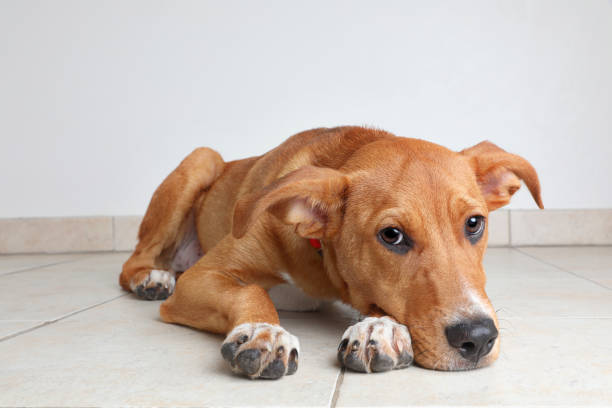
Navigating life with an ill dog brings unique challenges, especially when it comes to maintaining their quality of life through activities while diligently preventing injury. An underlying illness can significantly alter a dog’s physical capabilities, pain threshold, balance, and energy levels, turning seemingly innocuous activities into potential hazards.
This comprehensive guide aims to provide pet parents with the knowledge and strategies to ensure their furry companions can continue to enjoy modified activities safely and comfortably.
Navigating Canine Activities with Illness: A Comprehensive Guide to Injury Prevention
The overarching principle is collaboration: Always consult your veterinarian before making any significant changes to your ill dog’s activity routine. Their insights into your dog’s specific condition, progression, and medication effects are paramount.
I. Fundamental Principles: Understanding the Landscape
Before diving into specific activities, it’s crucial to establish a foundational understanding:
- Veterinary Consultation is Non-Negotiable:
- Specific Limitations: Ask your vet exactly what your dog can and cannot do. Are there specific movements to avoid (e.g., jumping, twisting, prolonged standing)?
- Pain Management: Ensure your dog’s pain is adequately controlled. Unmanaged pain is a primary driver of altered gait, compensatory movements, and subsequent injury. Discuss pain medication, supplements, and alternative therapies (e.g., acupuncture, laser therapy, physical therapy).
- Medication Side Effects: Understand if medications cause drowsiness, dizziness, weakness, or other effects that could impact balance or coordination.
- Disease Progression: How might the illness progress, and how should activities adapt over time?
- Warning Signs: What specific signs should you watch for that indicate pain, worsening condition, or an adverse reaction to activity?
- Know Your Dog’s Illness Inside Out:
- Arthritis/Orthopedic Issues: Increased stiffness, pain with movement, reduced range of motion, potential for lameness. Risk of falls, further joint damage.
- Cardiac Disease: Easily fatigued, shortness of breath, dizziness, potential for collapse. Risk of overexertion.
- Neurological Conditions (e.g., IVDD, Wobbler’s, ataxia): Imbalance, weakness, spasticity, altered proprioception (awareness of body position). High risk of falls, dragging limbs, self-trauma.
- Cancer: General weakness, pain (especially bone cancer), susceptibility to fractures, lethargy, compromised immune system.
- Kidney/Liver Disease: Weakness, lethargy, nausea, dehydration.
- Diabetes: Fluctuations in energy, neuropathy (nerve damage leading to weakness/numbness), vision impairment.
- Respiratory Illnesses: Difficulty breathing, limited stamina.
- Observe, Observe, Observe:
- Your dog cannot tell you they’re in pain or feeling unwell. Learn to read their subtle cues:
- Reluctance: Hesitation to move, jump, or play.
- Changes in Gait: Limping, stiffness, dragging paws, uncoordinated movements, “bunny hopping.”
- Behavioral Shifts: Increased irritability, panting without exertion, licking/chewing a specific area, restlessness, seeking isolation, change in appetite.
- Posture: Hunching, favoring a limb, head held low.
- Vocalization: Whining, yelping, growling when touched or moved.
- Your dog cannot tell you they’re in pain or feeling unwell. Learn to read their subtle cues:
- Embrace Adaptation, Not Elimination:
- The goal isn’t to stop all activities, but to modify them to fit your dog’s current capabilities. Mental stimulation and gentle physical activity are crucial for their well-being, even when ill.
II. Pre-Activity Preparation: Setting the Stage for Safety
- Assess Their Current State:
- Every day is different. Before any activity, check their energy levels, mood, and visible signs of discomfort. If they seem off, opt for a calmer, less demanding activity.
- Gentle Warm-Up:
- Like human athletes, ill dogs benefit from a gentle warm-up, especially those with orthopedic or neurological issues. A few minutes of slow, leashed walking on a flat surface can help loosen joints and prepare muscles.
- Hydration and Nutrition:
- Ensure your dog is well-hydrated before and during activity. Offer small amounts of water frequently. Maintain a consistent feeding schedule to prevent energy dips.
III. Activity Modifications: Tailoring the Fun
This section breaks down common dog activities and how to adapt them for an ill dog.
A. Walks & Outdoor Excursions
- Shorter, More Frequent: Instead of one long walk, opt for several shorter, gentler strolls throughout the day.
- Flat, Even Surfaces: Avoid hills, stairs, rough terrain, slippery surfaces (ice, wet leaves), or crowded areas where sudden movements might be required. Stick to paved paths or well-maintained grassy areas.
- Leash Control is Key: Always use a leash to prevent sudden sprints, jumps, or interactions that could lead to injury. Maintain a slow, steady pace.
- Avoid Extreme Weather: Hot pavement can burn paw pads and exacerbate cardiac/respiratory issues. Cold weather can stiffen joints and make breathing difficult.
- Supportive Harness: A comfortable, well-fitting harness (front-clip or full-body support) distributes pressure and helps you gently guide or support your dog without straining their neck or spine. Avoid neck collars if they have neck or spinal issues.
- Built-in Rest Breaks: Plan for frequent stops where your dog can rest, sniff, and rehydrate.
B. Playtime
- Gentle & Supervised: All playtime should be gentle, controlled, and closely supervised.
- Soft Toys: Use soft, lightweight toys that don’t require aggressive shaking, jumping, or hard fetching.
- Avoid High-Impact Activities: No jumping for toys, no fast turns, no roughhousing, no extended games of fetch that encourage sprinting and sudden stops.
- One-on-One Play: Avoid dog parks or group play where interactions can be unpredictable and potentially lead to injury.
- Mental Over Physical: Shift focus from physical exertion to mental engagement. Sniffing games (e.g., hiding treats in the yard) are excellent for mental stimulation with minimal physical strain.
C. Mental Stimulation & Enrichment (Often the Best Alternative)
- Puzzle Toys & Sniff Mats: These engage your dog’s brain as they work to get treats, providing mental exercise without physical stress.
- Gentle Training Sessions: Practice familiar, simple commands (sit, stay, down) in short bursts. This keeps their mind active and reinforces your bond.
- New Scents: Take them on a “sniff walk” in different, safe environments or bring interesting, safe objects (like a branch from a new tree) home for them to investigate.
- Car Rides: For some dogs, a gentle car ride (securely buckled in) can be a stimulating change of scenery.
D. Grooming & Handling
- Gentle & Frequent: Instead of infrequent, long sessions, opt for shorter, more frequent grooming to minimize stress and discomfort.
- Support Their Body: When brushing, bathing, or lifting, ensure full body support. Use non-slip mats in tubs.
- Watch for Discomfort: Pay close attention to their body language. If they flinch or show signs of pain, stop and consult your vet.
E. Travel & Car Rides
- Secure Restraint: Use a crash-tested car harness or a secure crate to prevent injury during sudden stops or accidents.
- Comfort & Support: Provide orthopedic bedding for comfort.
- Ramps: Use ramps for getting into and out of cars, especially for large breeds or dogs with mobility issues.
- Breaks: For longer trips, plan frequent breaks for potty and stretching.
IV. Environmental Safety: Making the Home a Sanctuary
The home environment can be a major source of injury for an ill dog if not adapted.
A. Indoor Safety
- Non-Slip Surfaces: Cover slippery floors (hardwood, tile) with rugs, yoga mats, or carpet runners, especially in high-traffic areas and around food/water bowls. This provides essential traction.
- Clear Pathways: Keep floors free of clutter, loose wires, and small objects that could cause trips or falls.
- Ramps & Steps: Invest in indoor ramps or sturdy pet stairs for access to furniture (beds, couches) they usually jump onto, or for navigating a few steps. Block access to full staircases if they pose a significant risk.
- Close Supervision: Never leave an ill dog unsupervised on elevated surfaces.
- Easy Access to Essentials: Ensure food, water, and their potty area (if using pads) are easily accessible without navigating obstacles or slippery floors.
- Comfortable Resting Spots: Provide supportive, orthopedic beds in quiet, easily accessible locations away from drafts and excessive foot traffic.
B. Outdoor Safety
- Secure Yard: Ensure fencing is secure to prevent escapes, especially if your dog’s judgment or mobility is impaired.
- Remove Hazards: Clear the yard of sharp objects, toxic plants, uneven paving stones, or anything that could cause injury.
- Accessibility: Provide ramps for any outdoor steps.
- Weather Protection: Ensure adequate shade in summer and shelter in winter.
V. Equipment and Aids: Tools for Support
Various products can significantly aid in preventing injury for ill dogs:
- Supportive Harnesses: Front-clip, back-clip, or full-body harnesses that offer gentle support and distribute pressure. Many come with handles for easy lifting and assistance.
- Lifting Slings/Towels: For dogs with hind-limb weakness, a sling (or even a towel wrapped under their belly) can help support them during walks or when navigating short steps.
- Ramps & Pet Stairs: Essential for accessing cars, furniture, or navigating small elevation changes.
- Orthopedic Beds: Provide superior joint support and comfort, reducing pressure points.
- Non-Slip Paw Grips/Boots: For dogs with poor paw grip on slick surfaces or those dragging their paws.
- Mobility Carts (Wheelchairs): For dogs with severe hind-limb paralysis or weakness, a cart can restore mobility and muscle function while preventing further injury from dragging.
- Therapeutic Clothing: Certain vests or wraps designed for support or warmth can aid in comfort and stability.
VI. Post-Activity Care & Monitoring
- Post-Activity Assessment: After any activity, closely observe your dog for signs of increased pain, stiffness, fatigue, or lameness. Check their paws for abrasions. These signs indicate you may have overdone it.
- Gentle Cool-Down: A few minutes of slow, leashed walking, followed by gentle massage, can aid in recovery.
- Rest & Recovery: Ensure your dog has ample time to rest in a comfortable, quiet spot after activity.
- Hydration: Offer fresh water.
VII. Recognizing Warning Signs & When to Seek Veterinary Help
Be vigilant for any of the following, which warrant immediate veterinary attention:
- Sudden or increased lameness/limping.
- New or worsening pain (whining, panting, reluctance to move, aggression).
- Changes in breathing (rapid, shallow, labored).
- Extreme lethargy or weakness.
- Loss of appetite or vomiting.
- Inability to stand or sudden collapse.
- Loss of balance or coordination (ataxia) that is worse than usual.
- Any new or unusual swelling, bruising, or open wounds.
- Changes in urination or defecation habits.
VIII. The Human Element: Patience and Understanding
Caring for an ill dog can be emotionally and physically taxing.
- Patience is Key: Your dog may be frustrated or confused by their limitations. Be patient, gentle, and understanding.
- Celebrate Small Victories: A good walk, a successful puzzle, or a comfortable rest are all successes.
- Maintain Routine (with Modifications): Dogs thrive on routine. While activities change, maintaining a predictable schedule for feeding, potty breaks, and rest can provide comfort and stability.
- Self-Care: Don’t forget to take care of yourself. Support groups, online forums, or simply talking to a trusted friend can help manage the stress.
Preventing injury in an ill dog is an ongoing process of assessment, adaptation, and proactive care. By working closely with your veterinarian, understanding your dog’s specific needs, and implementing thoughtful modifications to their environment and activities, you can help them maintain dignity, comfort, and a good quality of life for as long as possible.





Add comment