
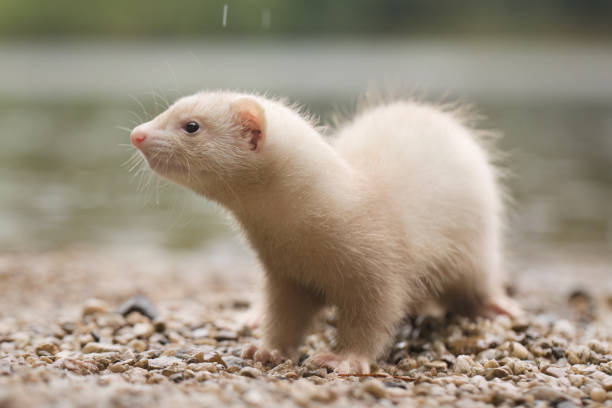
Ferrets are increasingly popular pets known for their playful and affectionate nature. However, like all animals, they are prone to certain health conditions, with adrenal disease being one of the most common endocrine disorders in middle-aged to older ferrets. One of the most significant complications of adrenal disease in ferrets is the development of prostatic cysts and abscesses, which can lead to severe morbidity and even mortality if not addressed promptly and appropriately. This comprehensive guide explores the causes, signs and symptoms, diagnosis, treatment, prognosis, complications, prevention, dietary management, and zoonotic risks associated with prostatic cysts and abscesses secondary to adrenal disease in ferrets.
Understanding Adrenal Disease in Ferrets
Before examining prostatic cysts and abscesses, it’s critical to understand adrenal disease, which serves as the underlying cause in the majority of these cases.
What Is Adrenal Disease?
Adrenal disease in ferrets refers to the hyperactivity or neoplasia (tumor formation) of the adrenal glands, which are located near the kidneys. These glands produce essential steroid hormones, including cortisol, mineralocorticoids, and sex hormones such as androgens and estrogens. In ferrets, the primary form of adrenal disease involves the overproduction of sex hormones due to either adenomas (benign tumors) or adenocarcinomas (malignant tumors) of the adrenal cortex.
Prevalence and Risk Factors
Adrenal disease is extremely common in ferrets over three years of age, with some studies suggesting over 70% of ferrets will develop it by age seven. The exact causes remain unclear but are believed to involve a combination of:
- Early spaying/neutering: Most pet ferrets are desexed before six weeks of age. This practice removes feedback mechanisms that regulate hormone production, leading to chronic stimulation of the adrenal glands.
- Extended photoperiods: Domestic ferrets are exposed to artificial lighting longer than the natural light cycles they would experience in the wild, which may disrupt melatonin production and contribute to hormonal imbalances.
- Genetics: Some bloodlines may be more susceptible to adrenal disease.
- Diet: Diets high in estrogenic compounds or inappropriate nutrients may exacerbate hormonal dysregulation.
Pathophysiology of Prostatic Cysts and Abscesses in Ferrets
Role of Sex Hormones
In male ferrets, excess sex hormones—particularly androgens and estrogens—produced by diseased adrenal glands stimulate prostate tissue. The prostate, although rudimentary in ferrets compared to other mammals, becomes pathologically enlarged and inflamed in response to hormonal overstimulation.
Over time, the hyperplastic (overgrown) prostate may develop fluid-filled cavities, known as cysts. These cysts can be solitary or multiple and may grow quite large, compressing surrounding structures such as the urethra and bladder.
If cysts become infected—usually due to ascending bacterial infections from the urethra—they can progress to prostatic abscesses, which are pockets of pus surrounded by inflamed tissue. These abscesses are painful, can lead to systemic illness, and are more challenging to treat than simple cysts.
Anatomical Considerations
The male ferret’s prostate is located near the bladder neck and surrounds the proximal urethra. Because of its position, prostate enlargement or cystic formation can obstruct urine flow, leading to urinary retention, straining to urinate, or complete blockage—a life-threatening emergency.
Interestingly, even neutered male ferrets have prostate tissue that remains responsive to sex hormones, explaining why neutered males are still susceptible to prostatic disease secondary to adrenal dysfunction.
Causes of Prostatic Cysts and Abscesses Secondary to Adrenal Disease
The primary cause of prostatic cysts and abscesses in ferrets is hormone-secreting adrenal disease, specifically:
- Adrenal Cortical Hyperplasia or Adenoma: These benign growths secrete excess sex hormones.
- Adrenal Carcinoma: Malignant tumors that often produce more aggressive hormone overproduction.
- Prolonged Exposure to Hyperadrenocorticism: Chronic excess of sex hormones leads to prostatic hyperplasia and cyst formation.
Secondary contributing factors include:
- Urinary tract infections (UTIs): Bacteria such as E. coli, Staphylococcus, or Proteus spp. can ascend from the urethra into prostatic tissue, especially when stagnant fluid is present in cysts.
- Immunosuppression: Chronic hormonal imbalances may impair immune function, increasing susceptibility to infection.
- Obstruction and Stasis: Enlarged prostate or cysts can prevent proper drainage, leading to stagnation and infection.
Signs and Symptoms
Clinical signs of prostatic cysts and abscesses can vary depending on the severity and chronicity. Symptoms are often initially subtle and may be mistaken for general signs of aging or other conditions.
Common Symptoms Include:
- Straining to urinate (stranguria): One of the earliest and most common signs. The ferret may spend prolonged time in the litter box, frequently attempting to urinate with little output.
- Hematuria (blood in urine): Blood may be visible in the urine due to inflammation or ulceration within the bladder or prostatic tissue.
- Dysuria (painful urination): Ferrets may vocalize or cry out while urinating.
- Urinary Incontinence or Dribbling: Due to incomplete bladder emptying or overflow incontinence from obstruction.
- Abdominal distension: Large prostatic cysts may fill the caudal abdomen, giving the ferret a swollen or “pot-bellied” appearance.
- Lethargy and anorexia: As the condition progresses, systemic illness sets in.
- Weight loss: Due to discomfort, reduced food intake, or underlying adrenal disease.
- Difficulty defecating: Rarely, large cysts can compress the rectum, causing constipation.
- Purulent urethral discharge: In cases of abscesses, pus may be seen exiting the urethra.
- Systemic infection signs: Fever, dehydration, and sepsis in advanced or untreated cases.
Signs of Underlying Adrenal Disease
Since prostatic pathology is almost always secondary to adrenal disease, ferrets will often present with additional endocrine-related symptoms:
- Alopecia (hair loss): Often starting at the tail base and progressing to the trunk.
- Pruritus (itching): Due to skin changes.
- Muscle atrophy: Especially in the hind limbs.
- Enlarged vulva in females: Due to estrogen exposure.
- Increased aggression or sexual behavior in neutered males.
- Thin, fragile skin.
Diagnosis
Accurate diagnosis is essential to differentiate prostatic cysts/abscesses from other urogenital and abdominal conditions, such as neoplasia, cystitis, or gastrointestinal obstruction.
1. History and Physical Examination
A thorough history is critical. The vet will ask about onset of symptoms, urination habits, diet, neuter status, and presence of skin or behavioral changes. During the physical exam:
- Abdominal palpation may reveal a large, fluid-filled mass in the caudal abdomen near the bladder.
- Digital rectal examination may detect an enlarged, painful prostate (though less practical in small ferrets).
- Signs of adrenal disease (e.g., alopecia, muscle wasting) support the diagnosis.
2. Imaging Studies
- Abdominal Ultrasound: The gold standard for detecting prostatic cysts and abscesses. Ultrasound can identify:
- Size, number, and location of cysts.
- Presence of fluid (anechoic for cysts, mixed echogenicity in abscesses).
- Urethral obstruction or bladder distension.
- Adrenal gland enlargement or nodularity.
- Radiographs (X-rays): Can show soft tissue opacity in the pelvic area or bladder distension but are less sensitive than ultrasound for soft tissue detail.
3. Laboratory Diagnostics
- Complete Blood Count (CBC) and Biochemistry Panel:
- May show leukocytosis (elevated white blood cells), indicating infection or inflammation.
- Elevated liver enzymes due to steroid hepatopathy from adrenal disease.
- Azotemia (elevated BUN/creatinine) if urinary obstruction leads to renal compromise.
- Urinalysis:
- Hematuria, pyuria (pus in urine), bacteriuria.
- Urine culture to identify pathogenic bacteria and guide antibiotic therapy.
- Sex Hormone Assays:
- Elevated levels of 17-hydroxyprogesterone, androstenedione, or estradiol confirm adrenal disease.
- These tests help confirm adrenal origin and guide treatment.
- Fine Needle Aspiration (FNA) or Cyst Fluid Analysis:
- Ultrasound-guided aspiration of prostatic cysts can differentiate sterile cysts from infected abscesses.
- Fluid examination: Cloudy, purulent fluid suggests abscess; culture identifies causative bacteria.
- Cytology shows inflammatory cells and bacteria in abscesses.
4. Differential Diagnoses
Conditions that mimic prostatic disease include:
- Bladder stones (urolithiasis)
- Prostatic or urinary tract neoplasia
- Cystitis (bladder inflammation)
- Peritoneal effusion (fluid in abdomen)
- Retroperitoneal tumors
- Gastrointestinal impaction
Imaging and lab tests are essential for accurate differentiation.
Treatment Options
Treatment must address both the prostatic cysts/abscesses and the underlying adrenal disease. A multi-modal approach is typically required.
1. Medical Management
Used in mild cases, stable patients, or when surgery is not an option.
- Antibiotics:
- Broad-spectrum antibiotics (e.g., enrofloxacin, amoxicillin-clavulanate) are started empirically and adjusted based on culture results.
- Long-term antibiotics (4–6 weeks) may be needed for abscess resolution.
- Anti-inflammatory and Analgesic Drugs:
- Meloxicam for pain and inflammation.
- Avoid NSAIDs in ferrets with renal or gastrointestinal compromise.
- Hormonal Therapy for Adrenal Disease:
- Deslorelin acetate implants (e.g., Suprelorin®): A GnRH agonist that suppresses pituitary stimulation of adrenal glands, reducing hormone overproduction. Effective in up to 90% of cases.
- Leuprolide acetate (Lupron®): Another GnRH analog, administered monthly via injection.
- Percorten-V (desoxycorticosterone pivalate): Rarely used.
- Trilostane: An adrenal steroidogenesis inhibitor, used off-label, though monitoring is required due to risk of Addisonian crisis.
- Supportive Care:
- Subcutaneous fluids for hydration.
- Appetite stimulants (e.g., mirtazapine) if anorexic.
- Nutritional support via syringe feeding if necessary.
2. Surgical Interventions
Often necessary for large cysts, abscesses, or urinary obstruction.
- Cyst Aspiration and Lavage:
- Ultrasound-guided drainage of cysts, followed by lavage with sterile saline or antimicrobial solutions.
- Provides rapid relief of pressure but carries high recurrence risk unless adrenal disease is controlled.
- Catheterization and Urethral Stenting:
- In cases of urinary obstruction, a urinary catheter may be placed temporarily to relieve bladder distention.
- Stents are less commonly used due to ferret anatomy.
- Prostatectomy:
- Surgical removal of the prostate. Rarely performed due to risk of urethral or neurovascular damage.
- Usually not curative without addressing adrenal disease.
- Adrenalectomy:
- Surgical removal of the affected adrenal gland.
- The definitive treatment for adrenal disease, especially for large tumors, bilateral disease, or when medical therapy fails.
- Left adrenal tumors are generally easier to remove than right-sided tumors, which are near the vena cava and more technically challenging.
- Success rates are high in experienced hands, with resolution of prostatic symptoms in most cases.
3. Combined Medical and Surgical Approach
The optimal strategy includes:
- Immediate relief via cyst drainage and antibiotics (if abscess).
- Stabilization with fluids and analgesics.
- Long-term control via deslorelin implant or adrenalectomy.
- Follow-up imaging to monitor cyst resolution.
Prognosis and Complications
Prognosis
- Favorable: With early diagnosis and appropriate intervention—especially when adrenal disease is controlled via surgery or long-term medical therapy—many ferrets can achieve full recovery and enjoy a good quality of life.
- Guarded to Poor: In cases of advanced abscesses, sepsis, urethral rupture, or bilateral adrenal carcinoma, prognosis is more guarded. Mortality increases significantly with delayed treatment.
Recurrence Risk
- Cysts and abscesses are likely to recur if adrenal disease is not properly managed.
- Deslorelin implants may need to be replaced annually.
- Surgical adrenalectomy offers the best chance for cure.
Potential Complications
- Urinary Obstruction: Can lead to bladder rupture, urinary peritonitis, and acute kidney injury.
- Sepsis: From ruptured abscesses or systemic infection.
- Chronic Kidney Disease: Secondary to prolonged urinary retention.
- Urethral Stricture: Scar tissue formation after inflammation or surgery.
- Anesthetic Risk: Especially in older or debilitated ferrets undergoing surgery.
- Post-operative Infection: After adrenalectomy or prostate drainage.
Prevention
While adrenal disease and its complications cannot always be prevented, risk can be minimized through proactive care.
1. Delay Spaying/Neutering
Some experts advocate delaying gonadectomy until ferrets are at least 6 months old to allow natural hormonal feedback to develop. However, this is controversial due to risks of breeding and aggression.
2. Maintain Natural Light Cycles
Provide ferrets with 12–14 hours of light and 10–12 hours of darkness daily to support normal melatonin production and circadian rhythm. Avoid constant artificial lighting.
3. Early Detection and Monitoring
- Annual veterinary checkups for ferrets over three years old.
- Regular abdominal palpation and screening ultrasound.
- Monitor for early signs of adrenal disease (e.g., hair loss, itching).
4. Use of Deslorelin Implants Prophylactically
Some vets recommend placing deslorelin implants in asymptomatic older ferrets to preempt adrenal disease progression, though more research is needed on its long-term preventive efficacy.
5. Optimal Husbandry
- Clean, stress-free environment.
- Routine parasite control and dental care.
- Avoid exposure to endocrine-disrupting chemicals.
Diet and Nutrition
Proper nutrition plays a supportive role in managing adrenal disease and preventing complications.
Key Dietary Principles for Ferrets with Prostatic Issues:
- High-Quality, High-Protein Diet:
- Ferrets are obligate carnivores requiring 30–40% protein and 15–20% fat.
- Choose premium ferret or kitten foods with named meat sources (e.g., chicken, turkey, lamb) as the first ingredient.
- Avoid high-carbohydrate diets, grains, corn, or plant proteins.
- Avoid Estrogenic Foods:
- Soy products contain phytoestrogens that may exacerbate hormonal imbalance.
- Limit or eliminate soy-based treats or foods.
- Support Urinary Health:
- Ensure constant access to fresh, clean water.
- Moist diets (e.g., soaked kibble, raw diets) may help promote urine dilution and reduce urinary stasis.
- Avoid excessive calcium, which may contribute to bladder stones.
- Supplements (With Caution):
- Omega-3 fatty acids (e.g., fish oil): May help reduce inflammation.
- Probiotics: Support gut health, especially during antibiotic therapy.
- Taurine: Important for cardiac and metabolic health, though ferrets synthesize it well.
- Weight Management:
- Obesity increases surgical risk and may worsen hormonal imbalance.
- Monitor body condition and adjust calorie intake accordingly.
Zoonotic Risk
Are Prostatic Cysts and Abscesses in Ferrets Zoonotic?
Generally, no. Prostatic cysts and abscesses themselves are not zoonotic—they are conditions specific to the ferret’s anatomy and hormonal physiology.
However, zoonotic concerns may arise from secondary bacterial infections:
- Bacteria such as E. coli, Staphylococcus, or Salmonella isolated from infected prostatic fluid can potentially infect humans, especially immunocompromised individuals.
- Risk of transmission: Through contact with pus, urine, or contaminated cage materials.
Preventive Measures:
- Practice strict hygiene when handling sick ferrets: wear gloves, wash hands thoroughly.
- Disinfect cages, litter boxes, and bedding regularly.
- Avoid contact between ferrets and infants, elderly, or immunocompromised people during illness.
- Proper disposal of biological waste.
Overall, the zoonotic risk is low with responsible care, but caution should be exercised during medical procedures or wound management.
Conclusion
Prostatic cysts and abscesses secondary to adrenal disease are serious but treatable conditions in ferrets. They result from the overproduction of sex hormones due to adrenal tumors or hyperplasia, leading to prostate enlargement, cyst formation, and potential infection. Early recognition of clinical signs—especially urinary difficulty, abdominal swelling, and concurrent symptoms of adrenal disease—is crucial.
Diagnosis relies on a combination of physical examination, ultrasound, hormone testing, and sometimes cyst aspiration. Treatment involves a dual approach: managing the immediate urogenital issue (drainage, antibiotics) and addressing the root cause (adrenalectomy or long-term medical suppression with GnRH analogs). Prognosis is generally favorable with timely and appropriate care.
Prevention through responsible light management, regular veterinary screening, and consideration of hormonal modulation in at-risk ferrets can reduce the incidence of this condition. Nutrition, hygiene, and vigilant monitoring further support long-term health.
While the condition itself is not zoonotic, potential bacterial pathogens involved in abscesses warrant caution in handling. With increasing awareness and advances in veterinary medicine, ferret owners and clinicians can collaborate to enhance the well-being and longevity of these beloved pets.
#FerretHealth, #AdrenalDiseaseInFerrets, #FerretCare, #ProstaticCysts, #FerretAbscess, #FerretVet, #FerretOwner, #ExoticPets, #FerretNutrition, #FerretSurgery, #PetFerrets, #FerretMedicine, #DeslorelinImplant, #FerretDiagnosis, #FerretTreatment, #Adrenalectomy, #FerretUTI, #FerretUrinaryHealth, #FerretLovers, #SmallMammalVet, #FerretCommunity, #FerretLife, #FerretProblems, #FerretAwareness, #HealthyFerrets, #ExoticPetCare, #FerretBehavior, #FerretGrooming, #FerretHousing, #FerretEnrichment




Add comment