
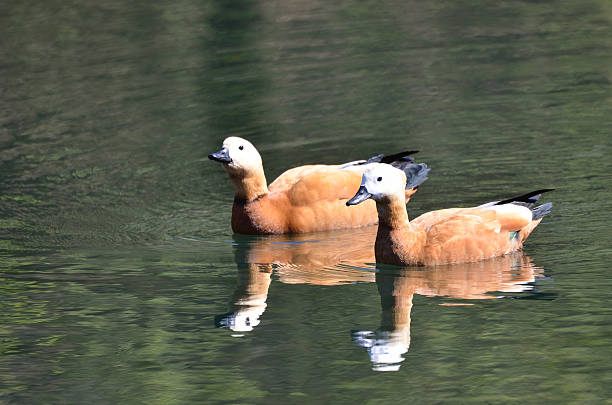
Protein is one of the most critical macronutrients required for the optimal health, growth, and productivity of ducks. Whether raised for meat, eggs, or as part of backyard flocks, ducks need a well-balanced diet rich in high-quality protein to support vital physiological processes such as tissue development, immune function, feathering, and reproductive performance. Protein deficiency in ducks is a common yet preventable nutritional disorder that can lead to significant health complications, reduced productivity, and even mortality if not addressed promptly. This comprehensive guide explores protein deficiency in ducks in great detail—covering causes, signs and symptoms, breeds at higher risk, affected life stages, diagnosis, treatment, prognosis, complications, prevention strategies, dietary management, and zoonotic considerations.
Understanding protein deficiency is essential for duck keepers, farmers, and veterinary professionals aiming to maintain flock health and optimize production. Early detection and intervention can make the difference between a thriving duck population and one compromised by preventable disease and stress.
Understanding Protein and Its Role in Duck Physiology
Proteins are complex organic compounds made of amino acids—building blocks that are essential for numerous biological functions. Ducks require 22 amino acids, 10 of which are considered essential and must be obtained through their diet. These include lysine, methionine, threonine, tryptophan, and valine, among others. Protein plays a central role in:
- Muscle development and repair: Particularly crucial during the growth phase in meat-producing ducks.
- Feather formation: Keratin, a protein, constitutes 90% of feathers; protein shortage disrupts molting and feather quality.
- Egg production: Egg whites (albumen) are predominantly protein; protein-deficient ducks lay fewer and smaller eggs.
- Immune function: Antibodies and immune cells are protein-based; deficiency increases susceptibility to infections.
- Enzyme and hormone synthesis: Vital for metabolic activities and growth regulation.
The dietary protein needs of ducks vary with life stage, breed, and production goals. For example, growing ducklings require 18–22% crude protein in their feed, whereas adult laying ducks need 14–16%. Meat-type ducks (like Pekins) have higher protein demands than ornamental or pet ducks. Failure to meet these protein requirements leads to protein deficiency.
Causes of Protein Deficiency in Ducks
Protein deficiency in ducks arises from an imbalance between protein intake and physiological requirements. The primary causes include:
1. Inadequate Diet Composition
Many duck owners feed ducks the same feed used for chickens, which is not protein-sufficient for ducks. Chicken layer mash typically contains 16% protein—acceptable for adult laying hens but insufficient for growing ducklings or highly productive ducks. Ducks also require more niacin and certain amino acids not adequately supplied in chicken feed.
2. Over-Reliance on Forage or Poor-Quality Feed
While ducks forage for insects, aquatic plants, and small invertebrates, these sources may not offer balanced amino acids. Over-reliance on low-protein forage, stale bread, or kitchen scraps without supplemental protein leads to deficiencies.
3. Poor Quality or Spoiled Feed
Wet or moldy feed loses nutritional value. Mycotoxins in spoiled feed can impair protein absorption and damage the liver, exacerbating deficiency symptoms.
4. High Production Demands
Laying ducks and fast-growing meat breeds have elevated protein needs. Egg-laying ducks require protein not only for body maintenance but also for daily egg production (each egg contains 6–8 grams of protein). Without dietary adjustments, reserves become depleted.
5. Parasitic Infestations
Internal parasites (e.g., gapeworms, roundworms) damage the gastrointestinal tract, impairing nutrient absorption—including protein. External parasites like mites can cause chronic blood loss, indirectly contributing to protein loss.
6. Disease and Stress
Chronic illness, especially liver or kidney disease, reduces protein synthesis and increases catabolism. Stress from overcrowding, poor ventilation, or extreme temperatures increases protein demand.
7. Imbalance of Amino Acids
Even if total protein in the diet is adequate, an imbalance of essential amino acids (e.g., low methionine or lysine) leads to functional protein deficiency. Ducks cannot synthesize essential amino acids, so their precise ratios matter.
8. Water Quality Issues
Ducks require clean drinking water to digest food properly. Contaminated or stagnant water discourages drinking and reduces feed intake, leading to indirect protein deficiency.
Signs and Symptoms of Protein Deficiency in Ducks
Early recognition of protein deficiency is crucial for effective intervention. Symptoms can be subtle at first but progressively worsen without correction. Common signs include:
1. Poor Growth and Stunted Development
Ducklings are especially vulnerable. Protein-deficient ducklings fail to gain weight, appear smaller than peers, and exhibit weak musculature. Growth retardation is irreversible if not addressed in the first few weeks.
2. Feather Abnormalities
Feathers may appear ruffled, brittle, dull, or fail to develop properly. Ducklings may show “penguin backs” due to underdeveloped wing muscles. Delayed or incomplete molting and poor feather coverage increase vulnerability to cold and injury.
3. Reduced or Ceased Egg Production
In laying ducks, protein deficiency causes a sharp drop in egg-laying frequency. Eggs laid may be smaller, lack strong shells, or have watery albumen. Some hens stop laying altogether.
4. Soft or Thin Eggshells
Low protein affects calcium binding in the shell gland. While calcium deficiency is more direct, inadequate protein compromises the structural matrix of the shell, leading to fragile eggs.
5. Poor Immune Function
Ducks become more susceptible to respiratory infections, bumblefoot, coccidiosis, and other diseases. Recurrent infections indicate compromised immunity due to insufficient antibody production.
6. Muscular Weakness and Lethargy
Weak leg and breast muscles impair mobility. Affected ducks may sit frequently, struggle to walk, or avoid swimming due to lack of energy and strength.
7. Swollen Abdomen (Ascites)
In severe cases, hypoalbuminemia (low blood albumin) reduces osmotic pressure, causing fluid leakage into the abdominal cavity. This results in a distended, swollen belly.
8. Poor Skin and Beak Condition
Skin may become thin, flaky, or prone to lesions. Beaks and claws may grow slowly or develop deformities due to impaired keratin synthesis.
9. Reduced Feed Intake
Paradoxically, chronically deficient ducks may lose appetite due to digestive inefficiency or discomfort, worsening the deficiency.
10. Feather Pecking and Cannibalism
Stressed or protein-deprived ducks may resort to pecking feathers of flock mates, a sign of behavioral distress.
Duck Breeds at Risk of Protein Deficiency
While all ducks can suffer from protein deficiency, certain breeds face higher risks due to genetics, growth rate, or production demands.
Pekin Ducks
Pekin ducks are the most common commercial meat breed, renowned for rapid growth and high feed conversion. However, their accelerated growth demands 20–22% crude protein in starter diets, dropping to 16–18% in grower and finisher phases. Due to their fast metabolism and muscle development rate, insufficient protein leads to severe stunting, leg deformities, and uneven flock development. Pekins are highly sensitive to amino acid imbalances—particularly lysine and methionine—making diet precision critical. Many backyard keepers unknowingly feed Pekin ducklings chick starter without niacin or adequate protein, quickly leading to deficiency.
Rouen Ducks
Rouens are large, dual-purpose ducks used for meat and show. They grow slower than Pekins but still require high protein during development. Their size and weight make them prone to leg and joint issues if muscles don’t develop properly due to low protein. Inadequate protein can also delay maturity and reduce egg output in hens.
Khaki Campbells and Indian Runners
These breeds are premier egg layers, capable of producing over 200–300 eggs per year. Sustaining such high output drains protein reserves rapidly. Without supplemented protein, especially during peak laying season, Khaki Campbells and Indian Runners suffer from egg-binding, soft-shelled eggs, molting issues, and burnout. They are particularly vulnerable to protein-calorie malnutrition.
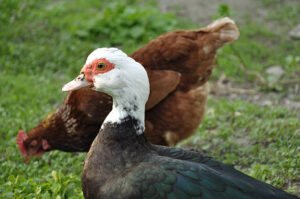
Muscovy Ducks
Muscovies have lower growth rates and protein needs than Pekins, but their unique biology requires careful amino acid balance. They are more susceptible to fatty liver disease when fed protein-deficient but calorie-dense diets. Additionally, Muscovies have a lower tolerance for certain mycotoxins, making spoiled, low-protein feed doubly dangerous.
Ornamental and Pet Ducks (Call, Welsh Harlequin, etc.)
While often kept for aesthetics, these ducks still require proper nutrition. Many pet owners feed bread or unbalanced scraps, ignoring protein demands. Though they grow slower and lay fewer eggs, chronic low protein leads to poor feathering, reduced vitality, and shortened lifespan.
Life Stages Affected by Protein Deficiency
Protein deficiency impacts different life stages in distinct ways due to varying physiological needs.
1. Ducklings (0–8 weeks)
This is the most critical phase. Ducklings grow rapidly, doubling or tripling their weight within 4–6 weeks. Their brains, organs, muscles, and feathers are developing at a high rate, demanding 18–22% crude protein. Deficiency during this stage results in irreversible stunting, weakened immune systems, and higher mortality. Niacin deficiency (often tied to poor protein sources) causes leg splaying, tremors, and inability to walk. Early weaning onto low-protein feed increases risks.
2. Grower Ducks (8–20 weeks)
At this stage, ducks continue growing and preparing for sexual maturity. Meat breeds are still building muscle mass, while layers begin follicular development. Protein needs decrease slightly (15–18%) but remain elevated. Deficiency disrupts puberty, delays egg-laying, and reduces final body size.
3. Adult Laying Ducks (20+ weeks)
Egg-laying hens require consistent protein to produce eggs and maintain body condition. Each egg contains approximately 6–8 grams of protein. A laying duck may need up to 20 grams of dietary protein daily. Without adequate supply, hens cease laying, lose muscle mass, and become thin and weak. Molting, which occurs annually, further increases protein demand.
4. Breeding Drakes and Hens
Breeding ducks need optimal protein for sperm and egg quality. Protein-deficient drakes produce less viable semen, while hens lay fewer fertile eggs. Embryo development within eggs may also be impaired if maternal protein is insufficient.
5. Senior Ducks (3+ years)
Older ducks require slightly less protein due to reduced activity and metabolism. However, poor-quality protein or inadequate intake still leads to muscle wasting, poor feathering, and frailty. Senior ducks may struggle to recover from illness without adequate protein support.
Diagnosis of Protein Deficiency in Ducks
Diagnosing protein deficiency requires a combination of clinical observation, history review, and laboratory testing.
1. Clinical Signs
Veterinarians or experienced keepers assess physical symptoms: poor growth, feather issues, reduced egg production, lethargy, or abdominal swelling.
2. Dietary History
A detailed review of feed type, protein percentage, feeding frequency, and supplementation is vital. Lack of waterfowl-specific feed or reliance on kitchen scraps often reveals the root cause.
3. Blood Tests
Plasma protein levels, especially albumin and globulin, are measured. Hypoalbuminemia (low albumin) is a hallmark of chronic protein deficiency. Liver enzymes (ALT, AST) may also be elevated if liver damage is present.
4. Fecal Examination
To rule out parasitic infections that mimic protein deficiency (e.g., worms impairing absorption), fecal floatation or sedimentation tests identify parasite eggs.
5. Post-Mortem Examination
In deceased ducks, necropsy may reveal pale muscles, fatty liver, peritoneal fluid (ascites), or intestinal lesions—signs consistent with malnutrition.
6. Feed Analysis
Laboratory analysis of the current diet can confirm protein content and amino acid profile, verifying if deficiencies exist.
Treatment of Protein Deficiency in Ducks
Treatment must be prompt and multifaceted to reverse effects and prevent complications.
1. Immediate Dietary Correction
Switch ducks to a waterfowl-specific starter or grower feed with appropriate protein levels:
- Starter (0–4 weeks): 18–22% protein
- Grower (4–8 weeks): 16–18% protein
- Layer (20+ weeks): 14–16% protein, supplemented with additional protein sources
Avoid chicken feed unless specially formulated for waterfowl.
2. Protein Supplementation
Supplement diets with high-protein foods:
- Live or dried mealworms, earthworms, crickets (25–50% protein)
- Boiled eggs (approx. 13% protein)
- Plain cottage cheese or yogurt (moderate protein, probiotics)
- Fish meal or poultry pellets (high in lysine/methionine)
Offer supplements in moderation—excessive protein can cause gout or kidney stress.
3. Amino Acid Fortification
Add essential amino acids using premixes. Methionine and lysine are commonly deficient. Products like “poultry amino acid boosters” can be added to feed or water.
4. Niacin Supplementation
Many protein-deficient ducks also lack niacin. Add brewer’s yeast (rich in B-vitamins) or a niacin supplement (50–100 mg per kg of feed).
5. Hydration and Gut Health
Ensure constant access to clean water. Probiotics can restore gut flora and improve nutrient absorption.
6. Environmental Management
Reduce stressors: overcrowding, poor sanitation, extreme temperatures. Provide shelter, clean bedding, and adequate swimming space.
7. Parasite Control
Treat internal and external parasites with safe, duck-approved dewormers (e.g., fenbendazole) and mite treatments.
8. Supportive Care
For severely affected ducks, isolate and hand-feed. Administer electrolytes and high-calorie supplements to boost energy.
Prognosis and Complications
Prognosis
The prognosis for mild to moderate protein deficiency is generally good with early intervention. Most ducks recover within 2–6 weeks when placed on a proper diet. Ducklings treated early show catch-up growth. Chronic or severe deficiency, especially in young birds, may result in permanent stunting or organ damage.
Complications
Untreated protein deficiency leads to serious complications:
- Fatty Liver Disease: Reduced lipoprotein synthesis leads to fat accumulation in the liver.
- Ascites: Fluid buildup in the abdomen due to low oncotic pressure.
- Immunosuppression: Increased incidence of respiratory, bacterial, and fungal infections.
- Reproductive Failure: Infertility, egg-binding, prolapse.
- Leg and Joint Disorders: In ducklings, weak bones and muscles cause splay leg or twisted tendons.
- Cannibalism and Feather Plucking: Behavioral disorders from stress and nutrient deficiency.
- Increased Mortality: Especially in young or sick birds.
Ducks that survive long-term deficiency often have shortened lifespans and reduced productivity.
Prevention of Protein Deficiency
Prevention is more effective and economical than treatment.
1. Use Waterfowl-Specific Feed
Always feed ducks with waterfowl starter, grower, or layer feed. These are formulated with correct protein, niacin, and amino acid levels.
2. Avoid Feeding Bread and Scraps
Bread lacks protein, vitamins, and minerals. Replace with healthier treats like chopped greens, peas, or mealworms.
3. Provide Balanced Diets
Ensure daily rations meet protein requirements based on age and purpose. Use feeding charts from reputable poultry suppliers.
4. Supplement with Protein-Rich Foods
Offer insects, worms, or cooked eggs 2–3 times per week as treats.
5. Regular Health Monitoring
Weigh ducklings weekly. Monitor egg production, feather quality, and behavior.
6. Practice Good Husbandry
Clean coops, fresh water, and proper stocking density reduce stress and disease risk.
7. Deworm Regularly
Implement a parasite control schedule (every 3–6 months, depending on environment).
8. Educate Owners and Farmers
Backyard duck keepers often lack knowledge about waterfowl nutrition. Outreach, labels on feed bags, and online resources are vital.
Diet and Nutrition for Optimal Protein Intake
A balanced duck diet should include:
1. Commercial Waterfowl Feed
- Starter Crumbles (0–4 wks): 18–22% protein, crumbled for small beaks
- Grower (4–20 wks): 16–18% protein
- Layer Pellets or Crumbles: 14–16% protein, calcium-rich for eggs
2. Natural Forage
Ducks consume insects, snails, aquatic plants, and algae—natural protein sources. Provide access to ponds or pastures for foraging.
3. Supplemental Foods
- Insects: Mealworms, crickets, black soldier fly larvae (up to 50% protein)
- Legumes: Cooked peas, lentils (moderate protein, high fiber)
- Dairy (in moderation): Cottage cheese, yogurt (good for calcium and protein)
- Grains: Barley, oats, corn (low in protein but energy-rich—balance with protein sources)
4. Avoid These
- Bread, chips, sweets – Empty calories
- Avocado, chocolate, onions, caffeine – Toxic
- Moldy or spoiled food – Health hazards
5. Water Quality
Provide clean, fresh water at all times. Ducks need water to swallow food and digest protein.
6. Calcium and Vitamin Balance
Ensure adequate calcium (3–4% in layer diet) and vitamin D3 for bone and eggshell health. Vitamin B complex supports protein metabolism.
Zoonotic Risk Associated with Protein Deficiency in Ducks
Protein deficiency in ducks is not directly zoonotic—it cannot be transmitted from ducks to humans. However, it can indirectly increase zoonotic risk through several pathways:
1. Weakened Immune System in Ducks
Protein-deficient ducks are more susceptible to pathogens like Salmonella, E. coli, and Avian Influenza. These diseases can spread to humans through:
- Contaminated eggs or meat
- Contact with feces
- Inhalation of dust or aerosols in coops
2. Poor Hygiene and Sanitation
Malnourished ducks may defecate excessively or have diarrhea, increasing environmental contamination. Campylobacter and Listeria thrive in dirty conditions.
3. Handling Ill Birds
People treating or handling chronically ill ducks risk exposure to secondary infections. Wearing gloves and washing hands is essential.
4. Consumption of Contaminated Eggs or Meat
Ducks with secondary infections due to protein deficiency may carry pathogens in their eggs or tissues. Undercooked duck meat is a known risk for Salmonella and Campylobacter.
5. Occupational Hazards
Farm workers handling large flocks of malnourished, sick ducks face higher respiratory and skin infection risks.
While protein deficiency itself doesn’t pose a direct zoonotic threat, it acts as a contributing factor to conditions that do. Proper nutrition is thus a crucial component of biosecurity and public health.
Conclusion
Protein deficiency in ducks is a silent but serious condition that undermines health, productivity, and welfare. It affects ducklings most severely but can impact birds at any life stage, especially high-producing breeds like Pekins, Khaki Campbells, and Indian Runners. Recognizing early symptoms—such as poor growth, feathering issues, or reduced egg production—is vital for timely intervention. Diagnosis combines clinical observation, dietary review, and laboratory testing. Treatment focuses on correcting the diet with waterfowl-specific feed and protein supplementation, while prevention hinges on education, proper feeding practices, and good husbandry.
Backyard duck keepers, commercial farmers, and veterinarians all share responsibility in ensuring ducks receive adequate nutrition. By providing balanced, protein-rich diets tailored to life stage and breed, duck enthusiasts can prevent this entirely avoidable condition. Ultimately, healthy ducks contribute to sustainable agriculture, food security, and enjoyable companionship. Investing in proper nutrition is not just an animal welfare imperative—it’s a cornerstone of responsible duck ownership.
#ProteinDeficiencyInDucks, #DuckNutrition, #HealthyDucks, #BackyardDucks, #DuckCare, #DuckHealth, #DuckFarming, #WaterfowlHealth, #DuckFeed, #Ducklings, #PekinDucks, #KhakiCampbell, #IndianRunnerDucks, #MuscovyDucks, #DuckDiet, #EggProduction, #FeatherHealth, #DuckGrowth, #DuckVet, #PoultryHealth, #SustainableFarming, #HomesteadLife, #UrbanFarming, #DuckOwner, #DuckEnthusiast, #FarmLife, #AnimalNutrition, #ZoonoticDiseases, #SalmonellaAwareness, #DuckHygiene, #DuckPrevention, #DuckTreatment, #DuckFlockManagement, #HighProteinFeed, #DuckSupplements, #DuckWellness
Add comment