
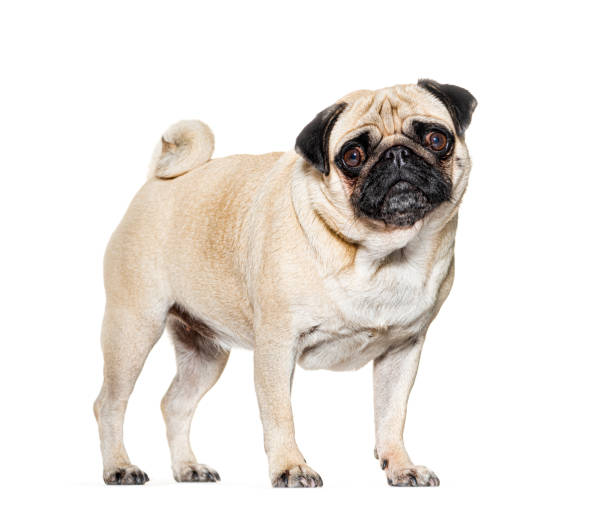
The Pug is an ancient and distinctive dog breed, instantly recognizable by its compact, muscular body, deeply wrinkled face, short muzzle, and characteristic curled tail. Often described as “multum in parvo” – a lot in a little – the Pug packs a significant personality into its small frame. These dogs are renowned for their playful, affectionate, and charming temperament, making them beloved companions worldwide. Originating from China, Pugs have a long and storied history, transitioning from laps of emperors to the couches of modern families, always retaining their unique appeal. Their expression, often described as human-like, conveys a range of emotions from mischievousness to solemnity, endearing them to all who meet them. Despite their sometimes-comical appearance and snorting sounds, Pugs are intelligent, sensitive, and deeply devoted dogs that thrive on human companionship and attention. They are indoor dogs through and through, preferring the comfort of a soft bed to the rigors of outdoor adventures, and they excel at being loving, loyal members of the family.
Other Names
Throughout history and in various cultures, the Pug has been known by several names, reflecting its origin, appearance, or lineage:
- Lo-Sze (羅思): An ancient Chinese term, often associated with the early ancestors of the Pug.
- Fau: A very old term for the Pug, possibly of Dutch origin.
- Mops: This name is widely used in Germany and Scandinavian countries. It derives from the Dutch word “moppen,” meaning “to grumble” or “to make a wry face,” perhaps referring to the Pug’s distinctive facial expression.
- Carlin: This name is prevalent in France and Italy, possibly named after an 18th-century Italian actor, Carlo Bertinazzi, who played Harlequin wearing a black mask, reminiscent of the Pug’s facial markings.
- Pug-dog: A more formal, though less common, variant of the breed name.
These various names highlight the breed’s widespread appeal and historical presence across different regions of the world.
Characteristics
Pugs are defined by a unique set of characteristics that make them stand out:
- Temperament: Pugs are typically amiable, good-natured, and adaptable. They are known for their charming, outwardly expressive, and sometimes mischievous personalities. They thrive on human companionship and generally get along well with children and other pets, provided they are socialized early. They are often described as “shadows” because they love to follow their owners from room to room.
- Intelligence: While not known for their obedience trial prowess, Pugs are intelligent and capable of learning commands and tricks. However, they can also be notoriously stubborn, which can make training a challenge requiring patience and positive reinforcement.
- Affectionate: Few breeds rival the Pug’s capacity for affection. They are truly companion dogs, happiest when snuggled up with their family members. They are known to be quite clingy and demand attention, often initiating cuddles.
- Playfulness: Despite their small stature and sometimes lazy demeanor, Pugs enjoy playtime. They can have bursts of energetic zoomies, chasing toys, or tumbling around. Their play is often punctuated by characteristic snorts and grunts.
- Adaptability: Pugs are highly adaptable dogs, well-suited to apartment living or larger homes. As long as they are kept indoors and have their family close, they are content. They do not require a large yard, but short walks are beneficial.
- Vocalizations: Pugs are not typically excessive barkers, but they communicate through a variety of sounds including snorts, grunts, snores, wheezes, and sometimes a distinctive “woo-woo” sound. These are a natural consequence of their brachycephalic (short-nosed) structure.
Breed History
The history of the Pug is as rich and fascinating as its distinctive appearance. The breed’s roots trace back to ancient China, predating 400 B.C., where flat-faced, short-nosed dogs were highly prized and kept as companions by emperors and aristocracy.
Ancient Origins in China: The earliest ancestors of the Pug are believed to be “Lo-Sze” dogs, small, short-nosed dogs owned by members of the imperial court during the Han Dynasty (206 BC – 220 AD). These dogs were revered, living lives of luxury, often guarded by soldiers, and fed the finest foods. They were selectively bred for their unique wrinkles, which the Chinese are said to have prized as resembling good luck symbols or characters. Three types of short-nosed dogs were known to exist in ancient China: the Lion Dog, the Pekingese, and the Lo-Sze, which is considered the forerunner of the modern Pug. Their flat faces, expressive eyes, and compact bodies were traits carefully cultivated over centuries.
Introduction to Europe (16th Century): Pugs made their way to Europe in the 16th century, primarily through Dutch traders who established routes with China. They quickly gained popularity among European royalty and nobility.
- The House of Orange: The Pug became the official dog of the House of Orange in the Netherlands when a Pug reportedly saved the life of William the Silent (Prince of Orange) in 1572 by barking to warn him of an approaching Spanish attack. This act cemented the breed’s place in Dutch history and earned it significant favor.
- England: When William III and Mary II ascended the English throne in 1688, they brought Pugs with them, solidifying the breed’s popularity in Great Britain. Queen Victoria was a devoted Pug owner, and her passion for the breed further boosted its status, even influencing its development by forbidding the cropping of their ears.
The Golden Age of Pugs (18th-19th Century): The 18th and 19th centuries saw the Pug’s popularity soar across Europe. They were fashionable accessories in aristocratic homes, depicted in countless paintings by famous artists like Goya and Hogarth, and became mascots of secret societies. Napoleon Bonaparte’s wife, Josephine, famously owned a Pug named Fortune, who reportedly carried secret messages hidden in his collar to Napoleon while Josephine was imprisoned. This era saw the breed’s conformation become more standardized, though variations in type still existed.
Decline and Resurgence: Towards the mid-19th century, the Pug’s popularity waned slightly. However, renewed interest in Chinese breeds led to new imports of Pugs from China to England in the 1860s and 1870s. These imports, including dogs named “Lamb” and “Moss,” are credited with refining the breed’s characteristics, especially the double curl in the tail and the black mask, and ensuring the continuity of the original Chinese bloodlines. These new dogs were instrumental in establishing the modern Pug breed standard.
Modern Day: The Pug was officially recognized by the American Kennel Club (AKC) in 1885. Today, the Pug remains a highly cherished companion dog, loved for its unique appearance, charming personality, and unwavering loyalty. While their history is illustrious, their purpose has always been simple: to be a beloved member of the family.
Origin
The Pug’s ultimate origin is unequivocally China. It is one of the oldest dog breeds, with its lineage traced back to ancient Eastern civilizations. The specific region within China is not precisely documented, but it is clear that they originated in the imperial courts, likely in the northern parts of the country, where small, compact, flat-faced dogs were bred and kept as treasured companions and symbols of status. Their journey from the palaces of Chinese emperors to the drawing rooms of European royalty and eventually into homes worldwide is a testament to their enduring appeal and adaptability.
Purebreds or Hybrids
The Pug, as recognized by major kennel clubs worldwide (like the AKC, KC, FCI), is strictly a purebred dog. This means that both parents of a Pug puppy must be Pugs listed in a recognized breed registry to be considered a purebred Pug. Purebred Pugs are bred to conform to a specific breed standard that outlines their physical appearance, temperament, and health predispositions.
However, like many popular purebreds, Pugs are also used in hybrid (or “designer dog”) breeding. A hybrid dog is the result of intentionally crossing two different recognized purebred dog breeds. The goal of these crosses is often to combine desirable traits from both parent breeds, sometimes with the hope of reducing certain health issues or achieving a specific look or temperament.
Common Pug hybrid breeds include:
- “Puggle” (Pug x Beagle): A mix known for its playful and energetic nature.
- “Chug” (Chihuahua x Pug): A mix that tends to be small, lively, and sometimes feisty.
- “Frug” or “Frenchton” (French Bulldog x Pug): A brachycephalic mix, often robust and affectionate.
- “Pomapug” (Pomeranian x Pug): A fluffy, spirited mix.
- “Pugapoo” or “Pugadoodle” (Pug x Poodle): A mix that might inherit the Poodle’s hypoallergenic coat (though not guaranteed) and intelligence.
It’s important to understand that while a purebred Pug breeding aims for consistency and predictability in traits, hybrid breeding can lead to more variability. A hybrid puppy can inherit any combination of traits from either parent breed, making their appearance, temperament, and health less predictable than a purebred. Owners considering a hybrid should research both parent breeds thoroughly.
Physical Characteristics
The Pug’s physical characteristics are distinctive and contribute significantly to its unique appeal.
- Size: Pugs are compact, small-to-medium-sized dogs falling into the “toy” group.
- Weight: Typically ranges from 14 to 18 pounds (6.3 to 8.2 kg). There isn’t a significant weight difference between males and females; both should be well-muscled and sturdy.
- Height: Usually measures between 10 to 13 inches (25 to 33 cm) at the shoulder.
- They are known for being “cobby” – short, stocky, and square-proportioned.
- Body Structure:
- Head: Large, round, and massive in proportion to the body, but not apple-headed. It is characterized by deep, clearly defined wrinkles. The muzzle is short, blunt, and square, but not upturned.
- Eyes: Large, dark, globular, and prominent (often described as “bug-eyed”), giving them a soft, solicitous, or sometimes mischievous expression. They are set wide apart and sparkle when excited.
- Ears: Thin, small, and soft like black velvet. There are two types: “rose” ears (small, folded, with the front edge against the side of the head) and “button” ears (folded forward with the tip lying close to the skull to cover the opening). Button ears are generally preferred in the breed standard.
- Tail: A distinctive feature, curled tightly over the hip. A double curl is considered ideal by breed standards.
- Body: Square and cobby, with good substance. The back is level, and the chest is broad. They have strong, straight legs.
- Neck: Strong, thick, and well-arched, allowing the head to be carried proudly.
- Gait: Characterized by a jaunty, rolling, and distinctive “Pug swagger.”
- Color: The most common and recognized Pug colors are:
- Fawn: This is the most prevalent color, ranging from a pale apricot fawn to a deeper, more golden fawn. Fawn Pugs have a distinct black mask on their face, black ears, and often a black trace (a strip of black hair) down their back.
- Black: Solid black Pugs are also very popular and recognized. They should have no fawn shading or markings.
- Apricot: A richer, more orange-toned fawn.
- Silver Fawn: A very light, almost silver-gray fawn. Other colors exist due to recessive genes (e.g., white, brindle), but these are not recognized by major kennel clubs as standard colors for purebred Pugs and are typically considered faults in the show ring.
- Coat Type: Pugs have a short, smooth, fine, and glossy coat. It feels soft to the touch and is neither harsh nor woolly. Despite its shortness, it is a double coat, meaning it has a soft undercoat beneath a coarser topcoat. This double coat contributes to their shedding.
- Hypoallergenic: No, Pugs are generally not considered hypoallergenic. Despite their short hair, Pugs shed moderately to heavily year-round, especially fawn Pugs with their double coat. Black Pugs tend to have a single coat and shed a bit less, but still more than a truly hypoallergenic breed. Dander (dead skin cells) and saliva are the primary culprits for allergies, and Pugs produce both. People with severe dog allergies are likely to react to Pugs.
Life Expectancy
The average life expectancy for a Pug is typically 12 to 15 years. However, with excellent care, proper nutrition, regular veterinary check-ups, and a bit of luck regarding genetic health, some Pugs can live into their late teens, occasionally reaching 16 or 17 years. Their brachycephalic nature and propensity for certain health issues can sometimes shorten this lifespan if not managed proactively.
Litter Size
Pugs typically have a small to moderate litter size. The average litter size for a Pug is usually between 4 to 6 puppies. However, it can vary:
- Smaller litters of 1 to 3 puppies are not uncommon.
- Larger litters of 7 or 8 puppies can occur but are less frequent. Due to their compact size and the relatively large heads of Pug puppies, many Pug mothers require C-sections for delivery, which is a factor to consider in breeding and veterinary care.
Health Issues
Pugs, while adorable, are prone to a range of health issues, many of which are directly related to their distinctive brachycephalic (short-nosed) skull structure and genetics. Responsible ownership involves being aware of these potential problems and taking proactive steps for prevention and early intervention.
1. Brachycephalic Obstructive Airway Syndrome (BOAS): This is the most significant health concern for Pugs. Their short snout, narrow nostrils (stenotic nares), elongated soft palate, and sometimes a hypoplastic trachea (narrow windpipe) obstruct airflow.
- Symptoms: Labored breathing, loud snoring, snorting, gasping, exercise intolerance, overheating (as dogs cool themselves by panting), bluish gums (cyanosis), and even collapse, especially in hot weather or during stress.
- Management: Weight management, avoiding strenuous exercise in heat, use of harnesses instead of collars. Surgical correction (widening nostrils, shortening soft palate) can significantly improve quality of life for severely affected Pugs.
2. Eye Problems: Pugs have large, prominent eyes that are vulnerable to injury and disease.
- Corneal Ulcers: Due to their prominent eyes, they are easily scratched or poked, leading to painful ulcers.
- Pigmentary Keratitis: A condition where black pigment spreads across the cornea, potentially leading to vision loss. It’s often linked to chronic irritation or dry eye.
- Entropion: Eyelids roll inward, causing eyelashes to rub against the cornea.
- Ectropion: Eyelids roll outward, exposing the conjunctiva and predisposing to dry eye and infections.
- Dry Eye (Keratoconjunctivitis Sicca – KCS): Insufficient tear production, leading to dry, irritated eyes.
- Proptosis: An emergency where the eyeball pops out of its socket, often due to trauma or restraint around the neck.
3. Skin Fold Dermatitis: The charming wrinkles on a Pug’s face and body can trap moisture, dirt, and bacteria, leading to infections.
- Symptoms: Redness, irritation, odor, itching, and discharge within the folds.
- Management: Regular cleaning and drying of the skin folds with appropriate wipes or solutions.
4. Patellar Luxation: A common orthopedic issue in small breeds where the kneecap (patella) slips out of place.
- Symptoms: Skipping, limping, sudden lameness in a hind leg.
- Management: Ranges from pain medication and exercise restriction to corrective surgery in severe cases.
5. Hemivertebrae: A congenital condition where vertebrae are malformed, often wedge-shaped. This can lead to spinal instability, nerve compression, and paralysis. It is particularly common in Pugs due to their screw tails, which are a visual manifestation of a malformed vertebra.
- Symptoms: Weakness, uncoordinated gait, pain, fecal or urinary incontinence, and paralysis. Can range from asymptomatic to severely debilitating.
- Management: Rest, anti-inflammatory drugs, or surgery in severe cases.
6. Pug Dog Encephalitis (PDE): Also known as Necrotizing Meningoencephalitis (NME), this is a fatal inflammatory disease of the central nervous system specific to Pugs. It is an inherited condition.
- Symptoms: Seizures, circling, blindness, ataxia (loss of coordination), and coma, typically affecting young Pugs (6 months to 7 years old).
- Management: There is no cure; treatment focuses on managing symptoms, but the prognosis is grave. A genetic test is available for breeders to screen for carrier status.
7. Demodectic Mange: Pugs can be predisposed to generalized demodectic mange, caused by an overgrowth of Demodex mites that are normally present on a dog’s skin. It’s often linked to a compromised immune system.
- Symptoms: Hair loss, red skin, scaling, and sometimes secondary bacterial infections.
- Management: Medicated shampoos, dips, or oral medications.
8. Allergies: Pugs can suffer from environmental allergies (atopy) or food allergies, leading to skin irritation and ear infections.
- Symptoms: Itching, scratching, licking paws, recurrent ear infections, hot spots.
- Management: Identifying and avoiding allergens, medications (antihistamines, steroids, immunomodulators), special diets.
9. Hip Dysplasia: While more common in larger breeds, Pugs can also be affected by hip dysplasia, a malformation of the hip joint.
- Symptoms: Lameness, difficulty rising, reluctance to exercise, pain.
- Management: Weight management, joint supplements, anti-inflammatory medications, and in severe cases, surgery.
10. Obesity: Pugs love to eat and have relatively low exercise needs, making them highly prone to obesity.
- Risks: Worsens BOAS, joint problems, diabetes, heart disease, and reduces overall lifespan.
- Management: Strict portion control, feeding a balanced diet, and regular (but moderate) exercise.
Preventative Care:
- Regular Vet Check-ups: Essential for early detection of issues.
- Genetic Screening: For breeders, screening for PDE and evaluating patellas and hips is crucial.
- Weight Management: Keep your Pug at a healthy weight to reduce strain on joints and respiratory system.
- Facial Fold Hygiene: Daily cleaning to prevent skin infections.
- Eye Care: Regular checks for irritation, prompt veterinary attention for any eye injury.
- Temperature Management: Avoid overheating, especially during warmer months.
Owning a Pug means being vigilant about their unique health needs. With dedicated care and attention, Pugs can live long, happy, and fulfilling lives as cherished family members.
Grooming Needs
Despite their short coats, Pugs have specific grooming needs that go beyond just a quick brush. Their unique features, particularly their wrinkles and potential for shedding, require regular attention.
1. Brushing:
- Frequency: Pugs shed moderately to heavily year-round, with seasonal peaks. Daily or every-other-day brushing is recommended to control shedding and keep their coat healthy. Black Pugs tend to shed a bit less than fawn Pugs as they often have a single coat.
- Tools: A rubber curry brush (like a ZoomGroom), a soft bristle brush, or a de-shedding tool (like a Furminator for short-haired breeds) works well to remove loose hair and stimulate the skin.
2. Bathing:
- Frequency: Bathe your Pug every 3-4 weeks, or as needed, depending on their activity level and how dirty they get. Over-bathing can strip natural oils, leading to dry skin.
- Procedure: Use a mild dog shampoo. Pay special attention to thoroughly rinsing out all shampoo residue, especially in the wrinkles.
3. Facial Fold Cleaning:
- Frequency: This is perhaps the most critical grooming task for a Pug and should be done daily or every other day.
- Procedure: Use a damp cotton ball, a soft cloth, or specialized pet wipes (unscented) to gently clean inside all the facial wrinkles (especially the nose rope and folds around the eyes and mouth). Afterward, ensure the folds are completely dry using a dry cotton ball or tissue. Moisture trapped in wrinkles can lead to bacterial or yeast infections (skin fold dermatitis). Look for any redness, odor, or discharge, which could indicate an infection.
4. Ear Cleaning:
- Frequency: Check and clean your Pug’s ears weekly.
- Procedure: Use a vet-recommended ear cleaner and a cotton ball or gauze. Gently wipe the visible parts of the ear canal. Never insert anything deep into the ear canal. If you notice redness, odor, excessive wax, or your Pug is scratching its ears, consult your vet.
5. Eye Care:
- Frequency: Check your Pug’s prominent eyes daily for any redness, discharge, irritation, or signs of injury.
- Procedure: Gently wipe away any sleep or discharge with a soft, damp cloth or specialized eye wipes. Due to their prominent eyes, Pugs are prone to corneal ulcers, so any squinting, excessive tearing, or cloudiness warrants immediate veterinary attention.
6. Nail Trimming:
- Frequency: Trim nails every 2-4 weeks, or as often as needed, typically when you hear them clicking on hard floors.
- Procedure: Use dog-specific nail clippers or a grinder. Be careful not to cut into the quick (the pink part containing blood vessels and nerves), as this is painful and can cause bleeding. If you’re unsure, ask your vet or a professional groomer for a demonstration.
7. Dental Hygiene:
- Frequency: Daily brushing is ideal, but at least 2-3 times a week is recommended.
- Procedure: Use dog-specific toothpaste and a toothbrush. Regular dental care helps prevent periodontal disease, which is common in small breeds. Vet dental cleanings under anesthesia may be necessary periodically.
Tips for Grooming:
- Start Early: Begin grooming routines when your Pug is a puppy to get them accustomed to the process.
- Positive Reinforcement: Make grooming a positive experience with treats and praise.
- Be Gentle: Pugs are sensitive; handle them gently, especially around their face and ears.
- Professional Help: If you’re uncomfortable with any aspect of grooming, don’t hesitate to consult a professional groomer or your veterinarian.
Consistent grooming not only keeps your Pug looking tidy but is also vital for their overall health and comfort, especially in preventing skin and eye infections.
Shedding Levels
Pugs are known for being moderate to heavy shedders year-round. Many people are surprised by the amount of hair a Pug can produce, given their short coat.
- Fawn Pugs: Typically have a double coat, consisting of a coarser outer coat and a soft, dense undercoat. This double coat contributes significantly to their shedding volume, especially during seasonal changes (spring and fall) when they blow their undercoat.
- Black Pugs: Often have a single coat, which tends to be slightly less dense than a fawn Pug’s double coat. As a result, black Pugs generally shed a bit less than their fawn counterparts, but they are by no means non-shedding.
Managing Shedding:
- Regular Brushing: This is the most effective way to manage Pug shedding. Daily or every-other-day brushing with a deshedding tool, rubber curry brush, or fine-toothed comb will help remove loose hairs before they end up on your furniture and clothes.
- Bathing: Regular bathing (every 3-4 weeks) can help loosen dead hair, but always follow up with thorough brushing.
- Nutrition: A high-quality diet rich in omega fatty acids can promote a healthy coat and potentially reduce excessive shedding caused by poor skin health.
- Vacuuming: Investing in a good pet hair vacuum cleaner is a must for Pug owners.
- Lint Rollers: Keep them handy!
While Pugs are not hypoallergenic and do shed, consistent grooming can keep the hair manageable.
Dog Group
The Pug belongs to the Toy Group (or Companion Group in some kennel clubs).
- Toy Group (AKC): This group comprises small companion dogs. Breeds in this group are typically bred for companionship and lap-sitting rather than for working tasks like hunting, herding, or guarding. They are primarily house pets, appreciated for their portability, charm, and affectionate nature.
- Companion Group (KC, ANKC, etc.): Similar to the Toy Group, emphasizing their role as companions.
Pugs perfectly embody the characteristics of this group: they are small, designed for domestic life, thrive on human interaction, and are known for their delightful personalities that make them ideal family pets.
Recognition by Kennel Clubs
The Pug is a widely recognized and well-established breed by all major international kennel clubs. This recognition signifies that the breed has a defined standard, a documented history, and has been consistently bred for specific traits.
Here are some of the key kennel clubs that recognize the Pug:
- American Kennel Club (AKC): Recognized in the Toy Group since 1885.
- The Kennel Club (KC – UK): Recognized in the Toy Group.
- Fédération Cynologique Internationale (FCI): The world canine organization, recognizing the Pug (Group 9, Section 11: Small Molossian type dogs, No. 253).
- Canadian Kennel Club (CKC): Recognized in the Toy Group.
- Australian National Kennel Council (ANKC): Recognized in the Toy Group.
- United Kennel Club (UKC): Recognized in the Companion Group.
Recognition by these organizations means that Pugs can participate in conformation shows, obedience trials, agility, and other dog sports organized by these clubs, provided they meet the breed standards and registration requirements. It also means there are established breed clubs (e.g., Pug Dog Club of America) dedicated to the preservation and well-being of the breed, which often provide resources for owners and breeders.
Exercise Requirements
Pugs have moderate to low exercise requirements. They are not dogs that need extensive, strenuous activity, but they do require regular, moderate exercise to maintain a healthy weight and mental well-being.
- Daily Walks: One or two short walks a day (15-20 minutes each) are usually sufficient for an adult Pug. These walks should be at a comfortable pace, allowing them to sniff around and explore.
- Playtime: Pugs enjoy playtime, which can include short bursts of “zoomies” around the house or yard, chasing toys, or engaging in interactive games with their owners. These play sessions can contribute to their daily exercise.
- Mental Stimulation: Beyond physical activity, Pugs benefit from mental exercise, such as puzzle toys, training sessions, or interactive games.
- Avoid Overheating: Due to their brachycephalic (short-nosed) nature, Pugs are highly susceptible to overheating.
- Hot Weather: Avoid exercising them during the hottest parts of the day. Early morning or late evening walks are best in summer months.
- Humidity: High humidity can be just as dangerous as high temperatures.
- Signs of Overheating: Excessive panting, drooling, lethargy, red gums, wobbliness. If you observe these symptoms, stop exercise immediately, get them into a cool environment, and offer water.
- Always use a harness: A harness distributes pressure across the chest rather than the neck, which is crucial for brachycephalic breeds prone to breathing difficulties. A collar can restrict airflow even further.
- Weight Management: Pugs are prone to obesity, which can exacerbate their breathing problems and put strain on their joints. Regular, appropriate exercise combined with a controlled diet is essential for maintaining a healthy weight.
- Puppies: Pug puppies have more energy than adults and benefit from more frequent, short play sessions. However, be mindful of their developing joints and avoid excessive jumping or stair climbing.
In summary, Pugs are not candidates for long runs, hiking, or intense sports. Their ideal exercise regimen is gentle, consistent, and always mindful of their unique respiratory challenges. Their companionship needs are often met by simply being with their family, even if it’s just a leisurely stroll around the block.
Energy Levels
Pugs generally have low to moderate energy levels. They are often described as being “couch potatoes” or “lap dogs,” which is largely true, but this doesn’t mean they are entirely sedentary.
- Puppyhood: Like most puppies, young Pugs tend to be more energetic and playful, engaging in bursts of activity and mischief.
- Adulthood: As they mature, their energy levels typically settle into a more relaxed rhythm. They enjoy short bursts of play, followed by long naps. A typical day for an adult Pug often involves waking up, a short walk, a period of interaction, several naps, another short walk or play session, and more naps, always preferring to be close to their human companions.
- “Zoomies”: Pugs are known for their occasional “zoomies” or “frapping” (Frenetic Random Activity Periods), where they suddenly explode into a playful, energetic dash around the house or yard for a few minutes, then just as quickly collapse for a nap.
- Adaptability: Their comfortable energy levels make them highly adaptable to various living situations, including apartments and homes without large yards. They are content with indoor life, as long as they receive their daily moderate exercise and plenty of human attention.
- Impact of Health: Their brachycephalic nature inherently limits their stamina. Overheating from excessive exertion can be dangerous, so their energy levels are naturally tempered by their physical capabilities. Pugs with well-managed BOAS might show slightly more sustained energy, but they will never be high-endurance dogs.
Their laid-back nature is part of their charm, making them excellent companions for individuals or families who prefer a less demanding activity level in a dog.
Training Tips
Training a Pug can be a unique experience. While intelligent and eager to please their beloved humans, Pugs are also known for their independent and sometimes stubborn streak. Patience, consistency, and positive reinforcement are key.
1. Start Early and Socialize Extensively:
- Puppyhood: Begin training as soon as you bring your Pug puppy home (around 8 weeks). Puppies are sponges and learn quickly.
- Socialization: Expose your Pug puppy to a wide variety of sights, sounds, people, and other friendly, vaccinated dogs in a positive and controlled manner. This helps them grow into well-adjusted, confident adults and reduces the likelihood of fear-based aggression or anxiety. Puppy classes are excellent for this.
2. Positive Reinforcement is Paramount:
- Motivation: Pugs respond best to positive reinforcement methods. They are highly food-motivated, so use small, high-value treats (like tiny pieces of cooked chicken or cheese) to reward desired behaviors.
- Praise and Affection: Combine treats with enthusiastic verbal praise (“Good dog!”) and gentle petting or belly rubs.
- Avoid Punishment: Harsh corrections, yelling, or negative reinforcement will only cause your Pug to shut down, become fearful, or become more stubborn. They won’t understand what they did wrong and will lose trust in you.
3. House Training (Potty Training):
- Consistency: Take your Pug out frequently – every 1-2 hours for puppies, after waking up, after eating/drinking, and before bedtime.
- Designated Spot: Take them to the same spot every time.
- Reward Immediately: When they relieve themselves outside, praise and reward them immediately.
- Crate Training: A crate can be an invaluable tool for house training, as dogs are less likely to soil their sleeping area. Ensure the crate is appropriately sized (just enough room to stand up, turn around, and lie down comfortably).
- Clean Accidents Thoroughly: Use an enzymatic cleaner to eliminate odors that might attract them back to the same spot.
4. Basic Obedience Commands:
- “Sit,” “Stay,” “Come,” “Down,” “Leave It”: These are fundamental commands that provide structure and safety. Keep training sessions short (5-10 minutes), fun, and frequent throughout the day.
- Leash Training: Start early, getting your Pug used to wearing a harness (never a collar, due to their breathing) and leash. Make walks a positive experience.
5. Dealing with Stubbornness:
- Patience: Pugs can be notoriously stubborn. If your Pug isn’t responding, it’s often not defiance but a lack of understanding or a momentary lapse in attention. Don’t get frustrated.
- Make it Fun: Keep training sessions engaging and positive. If a Pug thinks something is boring, they’ll check out.
- Short Sessions: Their attention span is not endless. Short, frequent sessions are more effective than long, drawn-out ones.
- End on a Success: Always try to end a training session on a positive note, with your Pug successfully performing a command and receiving a reward.
6. Crate Training:
- Safe Haven: Introduce the crate as a positive, safe den, not a punishment. Feed meals in the crate, offer treats for going in, and gradually increase the time they spend inside.
- Separation Anxiety: Proper crate training can help prevent separation anxiety, as Pugs are prone to becoming very attached to their owners.
7. Addressing Brachycephalic Needs in Training:
- Temperature: Avoid training during hot or humid weather. Pugs overheat easily.
- Breathing: Pay attention to their breathing during training. If they are panting heavily or making distressed sounds, take a break.
- Low-Impact: Focus on low-impact activities. Pugs are not well-suited for high-intensity agility or endurance training.
8. Consistency is Key:
- Family Involvement: Ensure everyone in the household uses the same commands and consistently reinforces good behavior.
- Routine: Pugs thrive on routine. A predictable schedule for feeding, potty breaks, and training helps them feel secure and understand expectations.
While Pugs may not be the easiest to train compared to some working breeds, with dedication, understanding, and a whole lot of love and treats, a well-trained Pug can be a truly delightful and obedient companion.
Nutrition & Diet
Proper nutrition is paramount for a Pug’s health and longevity, especially given their predisposition to obesity and certain health issues. A balanced diet tailored to their specific needs can help manage weight, maintain skin and coat health, and support overall well-being.
1. High-Quality Commercial Dog Food:
- Ingredients: Choose a high-quality commercial dog food that lists a named meat source (e.g., chicken, lamb, beef) as the first ingredient. Avoid foods with excessive fillers, artificial colors, flavors, or by-products.
- Life Stage Formula: Select a formula appropriate for your Pug’s life stage (puppy, adult, senior) and activity level. Puppy formulas are calorie-dense to support growth, while senior formulas may be lower in calories and higher in joint-supporting nutrients.
- Small Breed Specific: Some brands offer small breed formulas with kibble sizes appropriate for smaller mouths, which can be beneficial for Pugs.
2. Portion Control and Preventing Obesity:
- Obesity Risk: Pugs are notorious for their love of food and their tendency to become overweight very easily due to their lower energy levels. Obesity exacerbates their breathing problems (BOAS), puts strain on their joints (patellar luxation, hip dysplasia), and increases the risk of other serious health conditions like diabetes and heart disease.
- Feeding Guidelines: Follow the feeding guidelines on the dog food package as a starting point, but adjust based on your Pug’s individual metabolism, activity level, and body condition.
- Body Condition Score: Regularly assess your Pug’s body condition. You should be able to feel their ribs easily without seeing them, and they should have a discernible waist when viewed from above.
- Measure Food: Measure out each meal precisely. Don’t free-feed (leaving food out all day).
- Consult Your Vet: Your veterinarian is the best resource for recommending the appropriate amount of food and the ideal weight range for your individual Pug.
3. Feeding Schedule:
- Puppies: Typically require 3-4 small meals spread throughout the day.
- Adults: Can be fed 2 meals a day (morning and evening). This helps regulate metabolism and prevents them from getting too hungry between meals.
4. Treats:
- Moderation: Treats should be given sparingly and should not constitute more than 10% of your Pug’s daily caloric intake.
- Healthy Options: Opt for healthy, low-calorie treats like small pieces of fresh vegetables (carrots, green beans, cucumber) or veterinarian-approved dental chews. Avoid human foods that are high in fat, sugar, or toxic to dogs (e.g., chocolate, grapes, onions, xylitol).
- Training Aid: Treats can be very effective for training, but remember to factor them into the daily calorie count.
5. Water:
- Fresh Water: Always provide constant access to fresh, clean water. Clean their water bowl daily. Hydration is crucial for overall health and helps with digestion.
6. Special Dietary Considerations (Consult Your Vet):
- Food Allergies: If your Pug shows signs of food allergies (itching, skin issues, gastrointestinal upset), your vet may recommend an elimination diet or a hydrolyzed protein diet.
- Sensitive Stomachs: Some Pugs may do better on specific protein sources or limited-ingredient diets.
- Dental Health: Dental kibble or dental chews can help reduce plaque and tartar buildup, but good dental hygiene (brushing) is still essential.
- Joint Supplements: As they age, or if prone to joint issues, your vet might recommend supplements containing glucosamine and chondroitin.
7. Slow Feeders:
- Brachycephalic Breeds: Pugs can eat very quickly, sometimes gulping air, which can lead to bloating or discomfort. A slow feeder bowl can help them eat at a more measured pace.
Never make sudden, drastic changes to your Pug’s diet. If you need to switch foods, do so gradually over 7-10 days by mixing increasing amounts of the new food with decreasing amounts of the old food to prevent digestive upset. Always prioritize your veterinarian’s advice regarding your Pug’s specific dietary needs.
Family Pet?
Absolutely! The Pug is an excellent family pet and thrives in a family environment. Their temperament, size, and need for companionship make them ideally suited for domestic life.
Here’s why Pugs make wonderful family pets:
- Affectionate and Loving: Pugs are true “people dogs” who crave human interaction and affection. They thrive on being involved in family activities and will happily snuggle on the couch, follow you from room to room, or sit on your lap. Their sole purpose often seems to be to give and receive love.
- Good with Children: Pugs generally have a patient and gentle nature, making them good companions for children. However, as with all dog breeds, interaction between children and Pugs should always be supervised, especially with very young children, to ensure both the dog and child are treated respectfully. Children need to be taught how to interact gently with a small dog and understand not to pull ears or tails or disturb a sleeping dog. Pugs are sturdy for their size, but not indestructible.
- Get Along with Other Pets: Pugs typically get along well with other dogs and even cats, especially if properly socialized from a young age. Their easygoing nature means they’re usually happy to share their home with furry siblings.
- Adaptable to Living Situations: Their small size and relatively low exercise requirements make them perfect for apartment living or homes with small yards. As long as they are indoors with their family, they are content.
- Entertaining Personalities: Pugs are known for their charming, often comical, and sometimes mischievous personalities. They can bring a lot of laughter and joy to a household with their expressions, snorts, and “zoomies.”
- Low Barking Tendency: While they communicate through various grunts and snores, Pugs are generally not excessive barkers, which can be a plus for close-quarter living.
- Relatively Low Exercise Demands: For families who are not extremely active or those living in urban environments, the Pug’s moderate exercise needs are ideal.
Considerations for Families:
- Attention Needs: Pugs crave attention and can be prone to separation anxiety if left alone for very long periods. A family where someone is often home or where the dog can be taken along to appropriate places would be ideal.
- Health Issues: Families must be prepared for the potential health issues associated with the breed, particularly their brachycephalic challenges, which can incur significant veterinary costs. Awareness and proactive care are essential.
- Grooming: While not high-maintenance in terms of coat styling, regular cleaning of their facial folds is crucial and needs to be a consistent family responsibility. Shedding can also be a factor that some families might find challenging.
- Heat Sensitivity: Families must be mindful of the Pug’s sensitivity to heat and humidity, ensuring they are always kept cool and have access to shade and water, especially during outdoor activities.
Overall, for families willing to embrace their unique needs and shower them with love, a Pug offers boundless affection, loyalty, and entertainment, becoming a cherished and integral member of the household.
Right For You?
Deciding if a Pug is the right dog for you involves a careful consideration of your lifestyle, expectations, and willingness to accommodate their particular needs. While incredibly endearing, Pugs are not for everyone.
A Pug Might Be Right For You If:
- You’re Looking for a True Companion: Pugs are quintessential companion dogs. If you want a dog that will be your shadow, sit on your lap, and constantly seek your affection, a Pug fits the bill perfectly. They thrive on human companionship.
- You Live in an Apartment or Small Home: Their small size and relatively low exercise needs make them ideal for urban living or smaller spaces. A large yard is not a prerequisite.
- You Have a Moderate to Low Activity Level: Pugs are not jogging partners or hiking companions. If you prefer leisurely strolls over strenuous runs, and enjoy relaxed evenings at home, a Pug’s energy level will match yours.
- You’re Prepared for Specific Health Needs: You are fully aware of and financially and emotionally prepared to manage potential brachycephalic health issues (breathing difficulties, overheating), eye problems, skin fold infections, and potential orthopedic or neurological conditions. This means regular vet visits, potential specialty care, and a budget for veterinary expenses.
- You’re Willing to Commit to Daily Grooming: You’re prepared for daily facial fold cleaning, regular brushing to manage shedding, and consistent nail and ear care.
- You Appreciate Quirky Personalities: You enjoy a dog with character – the snorts, snores, grunts, expressive faces, and occasional bursts of “zoomies.” You find their unique vocalizations charming, not annoying.
- You Can Provide Consistent Training and Socialization: While stubborn, Pugs are trainable with patience, positive reinforcement, and consistency. You’re ready to invest time in gentle training and early socialization.
- You Can Deal with Shedding: You don’t mind dog hair on your furniture and clothes, or you’re committed to frequent cleaning and grooming to minimize it.
- You Have Time for Affection: You have enough time in your day to give your Pug the attention and cuddles they crave. They don’t do well being left alone for long periods.
- You’re Patient and Good-Natured: Pugs often mirror their owners’ temperament. A calm, patient owner will likely have a well-adjusted Pug.
A Pug Might NOT Be Right For You If:
- You Want an Exercise Buddy: If you’re looking for a dog to join you on long hikes, runs, or participate in high-intensity dog sports, a Pug is not suitable due to their respiratory limitations and heat sensitivity.
- You Are Outdoorsy and Live in a Hot Climate: While Pugs can adapt to different climates, a hot and humid environment poses a significant risk to their health if they spend much time outdoors. They are strictly indoor dogs in such conditions.
- You Have a Low Tolerance for Shedding: If a pristine, hair-free home is crucial to you, the Pug’s year-round shedding might be a deal-breaker.
- You Are Not Prepared for Potential Vet Bills: The potential for significant medical expenses related to their breed-specific health issues is a serious consideration.
- You Prefer a Highly Obedient, Easily Trainable Dog: While intelligent, Pugs can be stubborn. If you expect instant obedience or get frustrated easily during training, you might find a Pug challenging.
- You Value a Quiet Dog: Pugs are not typically excessive barkers, but they are far from silent. Their snorts, grunts, and snores are constant companions.
- You Travel Frequently or Are Away from Home for Long Hours: Pugs thrive on companionship and can develop separation anxiety or become destructive if left alone too often or for too long.
- You’re Not Prepared for the “Shadow” Aspect: If you prefer a dog that is more independent and doesn’t constantly seek your presence, the Pug’s clingy nature might be overwhelming.
Ultimately, bringing a Pug into your life is a significant commitment. If you are prepared to embrace their unique charm, manage their specific needs, and provide them with a lifetime of love and care, a Pug will undoubtedly reward you with unwavering devotion, endless entertainment, and a deep, loving bond.
Conclusion
The Pug, with its endearing wrinkled face, soulful eyes, and distinctive curly tail, is far more than just a cute canine. It is a breed steeped in history, originating from the imperial courts of ancient China, destined to be a loyal and cherished companion. Their journey through royal palaces of Europe to becoming a beloved fixture in homes worldwide speaks volumes about their timeless appeal.
Pugs are “multum in parvo” personified – a great deal of personality packed into a compact frame. They are characterized by their affectionate, playful, and often comical temperament, thriving on human interaction and showering their families with unwavering devotion. Their adaptability makes them suitable for a variety of living situations, from bustling city apartments to quiet suburban homes, as long as they are kept indoors and close to their loved ones.
However, owning a Pug comes with significant responsibilities. Their unique brachycephalic structure makes them prone to specific health challenges, requiring vigilant care, proactive veterinary attention, and an understanding of their sensitivity to heat. Their grooming needs, particularly daily facial fold cleaning, are non-negotiable for their health and comfort. While their low to moderate energy levels are a boon for many, their predisposition to obesity necessitates careful dietary management and consistent, gentle exercise. Training requires patience and positive reinforcement to navigate their charming stubbornness.
For the right individual or family, the rewards of Pug ownership are immense. They offer boundless love, endless entertainment, and a snuggly presence that fills a home with joy. They are true members of the family, integrating seamlessly into daily life and becoming a constant source of laughter and comfort. The distinctive snorts, grunts, and snores become not just part of their charm, but the comforting soundtrack of a life shared.
In conclusion, the Pug is a breed that demands understanding and dedicated care, but in return, it offers a depth of companionship and affection that is truly unparalleled. For those prepared to embrace their unique characteristics and commit to their well-being, the Pug is not just a pet, but a loyal, loving, and profoundly enriching presence in life, a little dog with a huge heart.
#PugLife, #PugLove, #PugsofInstagram, #PugWorld, #PugCuddles, #PugNation, #PugPuppy, #PugOwners, #DogBreedInfo, #PugCare, #BrachycephalicDogs, #WrinklyDog, #FlatFacedDogs, #DogEncyclopedia, #PetGuide, #CompanionDog, #ToyGroup, #PugFacts, #PugLover, #DogHealth, #PugTraining, #ChooseYourBreed, #AncientDogBreeds, #DogsofTheWorld, #PuppyLove, #DogTips, #CutePug, #ThePugWhisperer, #PugCommunity, #DogLifestyle





Add comment