
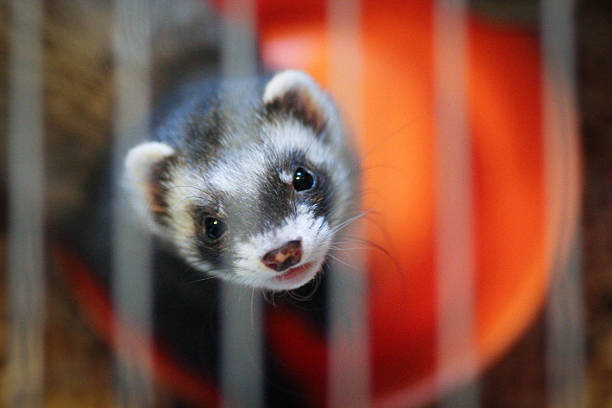
Fungal infections of the lungs, or pulmonary mycoses, are a serious and often overlooked health concern in ferrets. These infections can lead to severe respiratory distress, organ damage, and, if left untreated, even death. While less common than bacterial or viral respiratory infections in ferrets, pulmonary mycoses can be particularly challenging to diagnose and treat due to their insidious onset and the similarity of symptoms to other respiratory conditions. Understanding the causes, symptoms, and management strategies for these infections is crucial for ferret owners and veterinary professionals alike.
This article provides a comprehensive guide to pulmonary mycoses in ferrets, covering essential topics such as the common fungal pathogens responsible for these infections, the clinical signs and symptoms ferrets may exhibit, diagnostic methods, treatment options, and long-term prognosis. Additionally, the article explores prevention strategies, dietary considerations, and the risk of zoonotic transmission to humans. By addressing each aspect in detail, this guide aims to equip readers with the knowledge needed to recognize, prevent, and manage pulmonary mycoses in their ferret companions.
Understanding Pulmonary Mycoses in Ferrets
Pulmonary mycoses in ferrets refer to fungal infections that affect the respiratory system, particularly the lungs. These infections are caused by inhalation of fungal spores, which can colonize and proliferate in the delicate lung tissue. Ferrets, like other animals, are not immune to the wide array of fungal pathogens present in the environment. However, their unique anatomy, including a relatively high metabolic rate and susceptibility to stress, may predispose them to these infections under certain conditions.
The most common fungi associated with pulmonary mycoses in ferrets include Cryptococcus, Aspergillus, Blastomyces, and Histoplasma. These organisms are typically found in soil, decaying organic matter, or water sources, and their spores can become airborne, making inhalation a primary route of infection. While healthy ferrets may be able to clear minor infections through their immune system, those with compromised immunity—due to age, underlying diseases, or environmental stressors—may develop more severe, progressive illness.
The clinical presentation of pulmonary mycoses can vary widely, depending on the specific fungal pathogen involved and the ferret’s overall health status. Common symptoms include persistent coughing, labored breathing, nasal discharge, weight loss, and lethargy. In advanced cases, ferrets may experience cyanosis (bluish discoloration of the mucous membranes due to lack of oxygen) or even respiratory failure. Early recognition of these signs is critical, as delayed treatment can lead to irreversible lung damage and complications affecting other organs.
Causes of Pulmonary Mycoses in Ferrets
Pulmonary mycoses in ferrets are primarily caused by the inhalation of fungal spores from the environment. These spores may originate from contaminated soil, decaying vegetation, or bird droppings, particularly in damp or humid conditions. Ferrets with compromised immune systems are at a higher risk of developing invasive fungal infections, as their bodies are less capable of mounting an effective defense against the pathogens. Factors that can weaken a ferret’s immune system include chronic stress, poor nutrition, and concurrent illnesses such as insulinoma or adrenal disease.
Exposure to Cryptococcus neoformans, a common cause of pulmonary mycoses, often occurs in areas with high concentrations of bird droppings, especially from pigeons or chickens. This fungus thrives in warm, moist environments and can become airborne when disturbed. Ferrets living in or visiting such environments, particularly if exposed to poor ventilation or overcrowding, may inhale the spores and develop infection. Similarly, Aspergillus species, which are prevalent in soil and decaying plant material, can cause chronic respiratory infections when spores are inhaled in large quantities. These fungi are more likely to proliferate in environments with poor air quality, such as poorly maintained cages or enclosures with high humidity.
Environmental conditions play a significant role in the development of pulmonary mycoses. High humidity and temperatures can promote fungal growth, increasing the likelihood of infection. Additionally, ferrets living in areas with seasonal fungal outbreaks, such as in regions with high Histoplasma capsulatum prevalence, are at increased risk. Preventive measures, such as maintaining optimal environmental conditions and minimizing exposure to contaminated materials, are essential for reducing the risk of pulmonary mycoses in ferrets.
Other contributing factors include genetic predispositions and age. Young ferrets may have underdeveloped immune systems, making them more vulnerable to fungal infections. Conversely, older ferrets may experience immune system decline, which can also increase susceptibility. Stressful situations, such as changes in ownership, moving to a new home, or overcrowded living conditions, can further exacerbate the risk by suppressing immune function. By identifying and addressing these risk factors, ferret owners can take proactive steps to protect their pets from potentially life-threatening fungal infections.
Signs and Symptoms of Pulmonary Mycoses in Ferrets
Ferrets infected with pulmonary mycoses often exhibit a range of clinical signs that can vary in severity depending on the fungal pathogen involved and the ferret’s overall health. The most common symptoms include persistent coughing, which may produce mucus or blood, and difficulty breathing. Affected ferrets may also show signs of nasal discharge, particularly if the infection has spread to the upper respiratory tract. Weight loss and progressive lethargy are frequent indicators of chronic infection, as the body expends significant energy fighting the fungal invasion.
In addition to respiratory symptoms, ferrets with pulmonary mycoses may display systemic signs such as fever, poor appetite, and dehydration. As the infection progresses, ferrets may exhibit cyanosis—a bluish discoloration of the mucous membranes due to inadequate oxygenation. In advanced cases, the infection can compromise lung function to the point of respiratory failure, leading to sudden collapse or death if not promptly addressed.
It is important to note that the symptoms of pulmonary mycoses can overlap with those of other respiratory conditions, such as bacterial pneumonia or viral infections. This similarity often leads to delayed diagnosis, increasing the risk of complications. As a result, any ferret displaying persistent respiratory distress or unexplained weight loss should be evaluated by a veterinarian promptly. Early intervention is critical for improving the prognosis and preventing irreversible lung damage.
Diagnosis of Pulmonary Mycoses in Ferrets
Diagnosing pulmonary mycoses in ferrets requires a combination of clinical evaluation, imaging, and laboratory testing to confirm the presence of fungal infection and identify the specific pathogen involved. The diagnostic process typically begins with a thorough physical examination and a detailed history of the ferret’s recent activities and environment. Veterinarians will assess respiratory symptoms, check for signs of systemic illness, and evaluate the ferret’s overall condition.
Imaging techniques such as radiography (X-rays) and computed tomography (CT scans) play a crucial role in diagnosing pulmonary mycoses. Radiographs can reveal characteristic changes in lung tissue, such as nodular or miliary patterns, which are indicative of fungal infiltration. CT scans provide more detailed images and are particularly useful for identifying localized lesions or abscesses. These imaging methods help veterinarians determine the extent of the infection and monitor changes in the ferret’s lungs over time.
Laboratory tests are essential for confirming the presence of fungal pathogens. Fungal culture and sensitivity testing of respiratory secretions or tissue samples can identify the causative fungus and guide treatment decisions. In some cases, serological tests that detect specific antibodies may be useful, although their reliability varies depending on the type of fungus and the stage of infection. Bronchoscopy, in which a small camera is inserted into the airways, allows for direct visualization of the respiratory tract and the collection of biopsy samples for histopathological analysis. This method is particularly valuable for diagnosing aspergillosis.
Challenges in diagnosing pulmonary mycoses in ferrets include the non-specific nature of the symptoms, which can mimic other respiratory conditions, and the difficulty of obtaining adequate tissue samples. Additionally, some fungal infections may progress rapidly, necessitating prompt and accurate diagnosis to improve the chances of successful treatment. Veterinarians often employ a combination of diagnostic approaches to increase the likelihood of an accurate diagnosis and ensure appropriate management of affected ferrets.
Treatment Options for Pulmonary Mycoses in Ferrets
The treatment of pulmonary mycoses in ferrets typically involves a combination of antifungal medications and supportive care to address both the infection and the associated symptoms. The choice of antifungal therapy depends on the specific fungal pathogen identified, as well as the ferret’s overall health and response to treatment. Amphotericin B and itraconazole are commonly used antifungals for treating pulmonary mycoses in ferrets, particularly for infections caused by Aspergillus and Cryptococcus species. These medications work by inhibiting fungal cell membrane synthesis or altering cell wall integrity, thereby preventing the proliferation of the pathogen.
Amphotericin B is often used in more severe cases, as it has broad-spectrum activity against a variety of fungi. However, it can be nephrotoxic, requiring careful monitoring of kidney function during treatment. Itraconazole, on the other hand, is generally well-tolerated and is particularly effective against Cryptococcus, which may cause sinusitis or rhinitis in addition to pulmonary infection. Fluconazole and voriconazole may also be used in certain cases, depending on the susceptibility of the fungal strain. Veterinarians will typically perform fungal culture and sensitivity testing to determine the most effective antifungal agent for the specific infection.
In addition to antifungal therapy, supportive care is essential for improving the ferret’s prognosis and quality of life. Oxygen supplementation may be necessary for ferrets experiencing severe respiratory distress, as fungal infections can compromise lung function. Nebulization with antifungal agents or saline solutions can help alleviate airway inflammation and promote the clearance of mucus and debris. In cases where the infection has caused significant structural damage to the lungs or airways, surgical intervention may be required to remove fungal plaques or granulomas.
The treatment duration varies depending on the severity of the infection and the ferret’s response to therapy. Chronic cases may require extended antifungal treatment lasting several months to ensure complete eradication of the pathogen. Regular monitoring through follow-up imaging and laboratory tests is crucial for assessing treatment effectiveness and making necessary adjustments. With timely and appropriate intervention, many ferrets can achieve long-term remission, although the risk of recurrence remains without proper management.
Prognosis and Complications of Pulmonary Mycoses in Ferrets
The prognosis for ferrets with pulmonary mycoses depends on the timing of diagnosis, the severity of the infection, and the response to treatment. Early detection and aggressive intervention significantly improve the chances of a positive outcome, as prolonged fungal proliferation can lead to irreversible lung damage. In contrast, delayed treatment or misdiagnosis increases the risk of complications and mortality. Ferrets with severe respiratory distress, systemic symptoms, or concurrent illnesses have a more guarded prognosis and may require intensive care to support their recovery.
One of the most common complications associated with pulmonary mycoses is the development of chronic respiratory disease. Persistent inflammation and scarring of the lung tissue can impair gas exchange, leading to ongoing breathing difficulties and reduced exercise tolerance. Additionally, fungal infections may spread to other organs, particularly the central nervous system (CNS) in cases involving Cryptococcus neoformans. This can result in neurological symptoms such as seizures, ataxia, or depression, further complicating the ferret’s condition.
Another significant concern is the potential for secondary bacterial infections, which can occur when the immune system is weakened by the fungal infection and prolonged antibiotic use. These bacteria may exacerbate existing lung damage and delay recovery. Additionally, some antifungal medications, such as amphotericin B, can cause nephrotoxicity, requiring careful monitoring of kidney function throughout the treatment course.
In severe cases, ferrets with pulmonary mycoses may develop acute respiratory distress syndrome (ARDS), a life-threatening condition characterized by severe inflammation and fluid buildup in the lungs. This can lead to rapid deterioration of oxygenation and may require emergency interventions such as oxygen therapy, mechanical ventilation, or intensive supportive care. Unfortunately, the mortality rate for ferrets with ARDS remains high, even with aggressive treatment, underscoring the importance of early diagnosis and prompt management of pulmonary mycoses.
Despite these challenges, many ferrets can achieve long-term remission with appropriate therapy and environmental management. Regular follow-ups, including imaging and laboratory tests, are essential for monitoring disease progression and ensuring treatment efficacy. By addressing complications proactively and optimizing supportive care, veterinary professionals can improve the overall outlook for ferrets affected by pulmonary mycoses.
Prevention Strategies for Pulmonary Mycoses in Ferrets
Preventing pulmonary mycoses in ferrets involves a combination of environmental management, immune support, and early intervention strategies. One of the most effective ways to reduce the risk of fungal infections is by maintaining a clean and well-ventilated living environment. Ferrets should be housed in enclosures that are free from excess moisture, as fungal pathogens thrive in damp conditions. Regular cleaning of bedding, food bowls, and water sources is essential to minimize the presence of spores and other contaminants. Avoiding the use of moldy or decaying materials in the ferret’s habitat is also crucial, as these can serve as reservoirs for fungal growth.
Proper ventilation plays a key role in preventing pulmonary mycoses, as it helps reduce humidity and airborne fungal spores. Ferrets living in areas with high concentrations of bird droppings or decaying plant matter—common sources of Cryptococcus and Aspergillus—should be kept away from these environments as much as possible. If exposure is unavoidable, measures such as using air purifiers or HEPA filters can help reduce the risk of inhalation of fungal spores. Additionally, avoiding overpopulation in ferret enclosures is important, as overcrowding can increase stress and compromise immune function, making ferrets more susceptible to infections.
Adequate nutrition and healthcare are also essential for preventing pulmonary mycoses. Ferrets require a diet high in protein and low in carbohydrates to support optimal immune function. Feeding them high-quality ferret-specific kibble or a raw meat-based diet can help ensure they receive the necessary nutrients to combat infections. Regular veterinary check-ups are vital for early detection of any underlying health issues that may predispose a ferret to fungal infections. Vaccinations and parasite control should also be maintained to reduce the overall disease burden and support overall immune health.
Stress management is another important preventive measure, as chronic stress can weaken the immune system and increase susceptibility to infections. Ferrets should be provided with a stable, enriching environment that includes opportunities for social interaction, physical activity, and mental stimulation. Minimizing sudden changes in routine, avoiding prolonged exposure to cold or extreme temperatures, and ensuring adequate sleep can further support a strong immune response. By implementing these prevention strategies, ferret owners can significantly reduce the likelihood of pulmonary mycoses and promote long-term health for their pets.
Diet and Nutrition in Preventing and Managing Pulmonary Mycoses
Diet plays a crucial role in preventing and managing pulmonary mycoses in ferrets, as a well-balanced diet supports immune function and helps the body combat infections. Ferrets are obligate carnivores, meaning their diet should be high in protein and low in carbohydrates to meet their metabolic needs. Feeding them high-quality ferret-specific kibble or a raw meat-based diet ensures they receive essential nutrients such as taurine, arginine, and various vitamins that support respiratory and immune health. Deficiencies in these nutrients can weaken the immune system, increasing susceptibility to fungal infections.
Protein is particularly important for ferrets, as it provides the building blocks for antibodies and immune cells that fight off pathogens. High-quality protein sources such as chicken, turkey, and rabbit should form the basis of their diet. Conversely, diets high in carbohydrates—especially those from grains or fillers—can contribute to the overgrowth of fungi in the digestive tract and may compromise overall health. Owners should avoid feeding ferrets commercial foods designed for dogs or cats, as these often lack the necessary nutrient balance for ferret physiology.
Hydration is another key consideration, as adequate water intake helps maintain mucous membrane health and supports efficient oxygen exchange in the lungs. Ferrets should have access to clean, fresh water at all times, and owners can encourage hydration by offering water fountains or wet food as a supplement. In cases of pulmonary mycoses, increasing fluid intake can help thin mucus secretions and improve respiratory comfort. Additional nutritional support, such as probiotics or immune-boosting supplements, may also be recommended by veterinarians to strengthen the ferret’s defenses and aid in recovery.
By prioritizing a diet that supports overall health and immune function, ferret owners can reduce the risk of pulmonary mycoses and improve their pets’ ability to recover from illness. Regular monitoring of the ferret’s condition, in conjunction with veterinary guidance, ensures that dietary adjustments are made as needed to support long-term well-being.
Zoonotic Risk of Pulmonary Mycoses in Ferrets
Pulmonary mycoses in ferrets can pose a zoonotic risk, meaning these fungal infections have the potential to be transmitted from ferrets to humans. While the likelihood of transmission varies depending on the specific fungal pathogen involved, certain species such as Cryptococcus neoformans and Histoplasma capsulatum are known to infect both ferrets and humans. This risk is particularly relevant for individuals with weakened immune systems, such as those with HIV/AIDS, diabetes, or undergoing immunosuppressive therapy, as they are more susceptible to severe fungal infections.
Cryptococcus neoformans is a primary concern due to its ability to cause meningitis in both ferrets and humans when inhaled or introduced into the bloodstream. The spores of this fungus can become airborne when contaminated bird droppings are disturbed, leading to accidental inhalation by humans. Ferrets with active Cryptococcus infections may shed the fungus in their respiratory secretions, increasing the risk of transmission, especially if proper hygiene measures are not followed. Similarly, Histoplasma capsulatum, commonly found in soil enriched by bird or bat droppings, can cause histoplasmosis in both ferrets and humans, particularly after exposure to contaminated environments.
To minimize the zoonotic risk of pulmonary mycoses, ferret owners should practice good hygiene and take preventive measures when caring for potentially infected animals. Handling ferrets with respiratory symptoms should be done with gloves, and thorough handwashing with soap and water is essential after any contact. Avoiding direct exposure to the ferret’s nasal or oral secretions and cleaning cages or enclosures with caution to prevent the spread of fungal spores is also recommended. Individuals with compromised immune systems should exercise additional caution and consult a healthcare provider before handling ferrets with suspected fungal infections.
Healthcare professionals should be aware of the potential for zoonotic transmission when diagnosing and treating ferrets with pulmonary mycoses. Reporting any unusual fungal infections in ferrets to public health authorities may help identify and contain potential outbreaks. By understanding the zoonotic risk and implementing preventive strategies, ferret owners and veterinary professionals can protect both animal and human health while managing these potentially dangerous infections.
Frequently Asked Questions (FAQ) About Pulmonary Mycoses in Ferrets
1. What are the most common symptoms of pulmonary mycoses in ferrets?
Ferrets with fungal lung infections often exhibit persistent coughing, labored breathing, nasal discharge, weight loss, and lethargy. In severe cases, they may experience cyanosis (bluish discoloration of the mucous membranes) or respiratory failure. These symptoms can overlap with those of bacterial or viral infections, making early diagnosis critical for effective treatment.
2. How is pulmonary mycoses diagnosed in ferrets?
Diagnosis typically involves a combination of clinical evaluation, imaging (such as X-rays or CT scans), and laboratory testing. Fungal cultures, serological tests, and histopathological analysis of biopsy samples are common diagnostic tools. Bronchoscopy may also be used to collect samples from the respiratory tract for further analysis.
3. Can pulmonary mycoses in ferrets be treated at home?
No, pulmonary mycoses require veterinary intervention. Antifungal medications such as amphotericin B, itraconazole, or fluconazole are typically prescribed, along with supportive care like oxygen therapy or nebulization. Prompt and professional treatment is essential to improve the ferret’s prognosis and prevent complications.
4. What is the outlook for ferrets with pulmonary mycoses?
The prognosis varies depending on the severity of the infection, the ferret’s overall health, and the timeliness of treatment. Early diagnosis and aggressive therapy improve the chances of recovery, but chronic or advanced cases may result in long-term respiratory issues or even mortality. Regular follow-ups with a veterinarian are crucial to monitor progress.
5. Can humans get fungal infections from ferrets with pulmonary mycoses?
Yes, certain fungal infections, such as Cryptococcus neoformans, can be transmitted from ferrets to humans. This risk is higher for individuals with weakened immune systems. Practicing good hygiene, avoiding direct contact with respiratory secretions, and consulting a healthcare provider when necessary can reduce the zoonotic risk.
Conclusion and Final Thoughts on Managing Pulmonary Mycoses in Ferrets
Pulmonary mycoses in ferrets represent a complex and potentially life-threatening condition that requires prompt attention and comprehensive management. Understanding the underlying causes, recognizing the symptoms early, and seeking veterinary care are critical steps in ensuring the best possible outcome for affected ferrets. With the right combination of antifungal therapy, supportive care, and environmental management, many ferrets can recover from these infections and maintain a good quality of life.
Prevention plays a key role in reducing the incidence of pulmonary mycoses. Maintaining a clean, well-ventilated living environment, providing a balanced diet, and minimizing exposure to fungal sources such as contaminated soil or bird droppings are essential for long-term health. Regular veterinary check-ups can help catch early signs of infection or underlying conditions that may compromise a ferret’s immune system.
For ferret owners and veterinary professionals, staying informed about the latest treatments and diagnostic methods is vital in managing these infections. Continued research into antifungal resistance, immune-boosting strategies, and zoonotic risks will further improve the ability to treat and prevent pulmonary mycoses. By combining scientific advancements with proactive care, the risk of this condition can be significantly reduced, ensuring a safer and healthier future for ferrets around the world.
#FerretHealth #FungalInfections #FerretDisease #PetHealth #FerretCare #PreventiveVetCare #ZoonoticDiseases #FerretLungInfections #FerretOwnerTips #FerretDiet #FerretMedicine #FerretRespiratoryIssues #FerretTreatment #FerretWellness #VetScience #FerretSupport #FerretCommunity #AnimalHealthVet #FerretLovers #PetDiseaseAwarenessDay



Add comment