
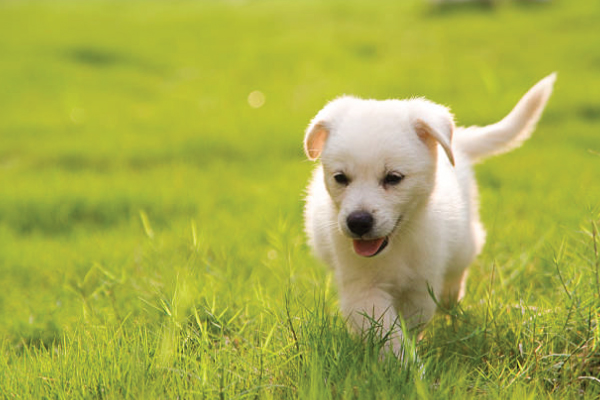
Bringing a new puppy home is an incredibly exciting time, filled with wagging tails, playful antics, and the promise of a loyal companion. However, this joyous occasion also marks the beginning of a crucial journey: obedience training. Early and consistent training is the cornerstone of a well-behaved dog, fostering a strong bond between you and your pup, and setting them up for a lifetime of good habits.
This comprehensive guide will walk you through the essential steps of puppy obedience training, providing a detailed week-by-week calendar to help you navigate this important phase. We’ll cover foundational commands, socialization, house-training, and common puppy challenges, empowering you with the knowledge and a structured plan to raise a happy, confident, and well-trained canine.
Why Early Obedience Training is Crucial
Puppies are like sponges, absorbing information and forming habits at an astonishing rate. This critical developmental period, often referred to as the “socialization window” (typically up to 16 weeks of age), is when they are most receptive to learning. Positive early training offers numerous benefits:
- Prevents Future Problems: Addressing behavioral issues like excessive barking, chewing, or jumping early on is significantly easier than trying to correct them later.
- Builds a Strong Bond: Training is a form of communication and interaction that deepens the connection between you and your puppy.
- Ensures Safety: A well-trained puppy is less likely to run into traffic, eat something harmful, or exhibit aggression.
- Facilitates Socialization: Early exposure to various sights, sounds, people, and other animals helps your puppy become a well-adjusted and confident adult dog.
- Makes Life Easier: A trained dog is a pleasure to live with, making vet visits, walks, and interactions with others much smoother.
Before You Begin: Essential Preparations
Before diving into the week-by-week schedule, ensure you have the following in place:
- Positive Reinforcement Tools: High-value treats (small, soft, and enticing), a clicker (optional but highly recommended), a regular leash, and a well-fitting collar or harness.
- A Calm and Consistent Environment: Minimize distractions during training sessions. Keep your puppy on a regular schedule for feeding, potty breaks, and sleep.
- Patience and Understanding: Every puppy learns at their own pace. Celebrate small victories and don’t get discouraged by setbacks.
- Veterinary Check-up: Ensure your puppy is healthy, up-to-date on vaccinations, and has been dewormed before starting intensive socialization.
- Basic Knowledge of Puppy Development: Understand that puppies have short attention spans and require frequent, short training sessions.
The Week-by-Week Training Calendar
This calendar is a guideline, and you may need to adjust the pace based on your puppy’s individual progress. Aim for short, frequent training sessions throughout the day (5-10 minutes, several times a day) rather than one long session.
Week 1: Arrival and Settling In – Building Trust and Foundation
The primary focus this week is helping your puppy adjust to their new home and building a positive association with you.
Goals:
- Introduce the puppy to their designated potty area.
- Start establishing a potty routine.
- Introduce the concept of a crate or designated safe space.
- Begin associating their name with positive experiences.
- Gentle handling and positive reinforcement for calm behavior.
Daily Focus:
- Potty Training:
- Take your puppy out to their designated potty spot immediately upon waking up, after every meal, after playing, and before bedtime.
- Use a consistent potty cue (e.g., “Go potty,” “Hurry up”).
- Praise and reward immediately with a high-value treat and enthusiastic praise when they eliminate in the correct spot.
- If accidents happen indoors, clean them up thoroughly with an enzymatic cleaner and do not punish your puppy. Simply interrupt them gently if you catch them in the act and take them outside.
- Crate/Safe Space Introduction:
- Make the crate (or designated bed area) a positive place. Feed meals inside it, toss treats in, and leave the door open initially.
- Never use the crate as punishment.
- Allow your puppy to explore it on their own terms.
- Name Recognition:
- When your puppy looks at you, say their name in a happy tone and immediately offer a treat.
- Repeat this frequently throughout the day.
- Handling:
- Gently touch their paws, ears, and mouth while offering treats. This helps prepare them for grooming and vet visits.
- Gentle Play:
- Engage in short, gentle play sessions with appropriate chew toys.
Week 2: Reinforcing Basics and Introducing “Sit”
Building on the foundation of week 1, we’ll reinforce potty training and introduce the fundamental “Sit” command.
Goals:
- Continue consistent potty training with increased success.
- Introduce and practice the “Sit” command.
- Strengthen name recognition.
- Introduce gentle leash pressure.
- Continue positive crate integration.
Daily Focus:
- Potty Training:
- Maintain the rigorous schedule. Observe for signs of needing to go (circling, sniffing).
- Gradually increase the time between supervised potty breaks as your puppy shows more control.
- “Sit” Command:
- Using a treat, hold it just above your puppy’s nose.
- Slowly move the treat up and slightly back over their head. As their head follows the treat, their rear end will naturally lower.
- As soon as their rear touches the ground, say “Sit” clearly and reward them with the treat and praise.
- Repeat in short sessions. If they jump up, you’re holding the treat too high. If they back up, you’re moving the treat too far back.
- Name Recognition:
- Continue practice, rewarding when they look at you on their name.
- Leash Introduction:
- Let your puppy wear their collar and leash for short periods indoors.
- Associate the leash with positive things by giving treats while it’s on.
- Gently encourage them to walk a few steps with the leash on, rewarding any forward movement. Don’t pull or yank.
- Socialization (Very Gentle):
- Expose them to the vacuum cleaner from a distance (rewarding calm behavior).
- Play calm music.
- Allow them to hear different household noises.
Week 3: Mastering “Sit,” Introducing “Down,” and Leash Walking
This week focuses on solidifying “Sit,” introducing “Down,” and making leash walks more enjoyable.
Goals:
- Improve reliability of the “Sit” command, adding a verbal cue.
- Introduce and practice the “Down” command.
- Progress leash walking, reducing pulling.
- Continue successful potty training.
- Begin exploring new, safe environments.
Daily Focus:
- “Sit” Command Refinement:
- Once your puppy reliably sits when you lure them, start adding the verbal cue “Sit” just before you lure.
- Gradually fade the lure, using a hand motion without the treat in your hand, rewarding after they sit.
- Practice in different rooms of the house.
- “Down” Command:
- With your puppy in a sit, hold a treat at their nose.
- Slowly lower the treat towards the floor and then slightly away from them, between their front paws.
- As they follow the treat down, say “Down.”
- When their elbows touch the ground, reward with the treat and praise.
- If they stand up, you might be moving too fast or too far away.
- Leash Walking:
- Start practicing short walks in a quiet, enclosed area like your backyard.
- Reward your puppy for walking beside you without pulling.
- If they pull, stop walking. Only resume when the leash slackens.
- Make walks a positive experience.
- Potty Training:
- Continue the routine diligently. You should be seeing a significant improvement now.
- Consider introducing the puppy to a playpen or confined area for short periods when you can’t supervise directly.
- Socialization (Controlled):
- If your puppy is fully vaccinated, introduce them to a few calm, vaccinated adult dogs in a controlled environment.
- Expose them to different surfaces (grass, gravel, carpet).
Week 4: Introducing “Stay” and “Come,” Socialization Expansion
This week expands your puppy’s repertoire of commands and introduces crucial socialization experiences.
Goals:
- Introduce and practice the “Stay” command.
- Introduce and practice the “Come” command (recall).
- Increase duration and distance of “Sit” and “Down.”
- Continue positive leash walking experiences.
- Introduce novelty and controlled social interactions.
Daily Focus:
- “Stay” Command:
- Start with your puppy in a “Sit” or “Down” position.
- Hold your hand out flat (like a stop sign) and say “Stay.”
- Take one small step back. If they stay, return to them, reward, and release them with a release word (e.g., “Okay,” “Free”).
- Gradually increase the number of steps and the duration they can stay. Always return to your puppy to reward, don’t call them to you for a stay reward.
- If they break the stay, simply return them to their original position and try again with less distance/duration.
- “Come” Command (Recall):
- This is a vital safety command. Make it incredibly rewarding!
- Start in a quiet, enclosed space. Get down low, open your arms, and say your puppy’s name followed by “Come!” in an enthusiastic tone.
- When they come to you, shower them with praise and high-value treats.
- Never call your puppy to you for something they don’t like (e.g., nail trim, bath, going into their crate if they’re reluctant).
- Practice frequently with different people.
- Leash Walking:
- Practice in slightly busier environments if your puppy is confident.
- Reward loose-leash walking. If they lunge or pull, stop and wait for slack.
- Socialization:
- Continue with well-behaved, vaccinated dogs.
- Introduce your puppy to different types of people (men, women, children if appropriate and supervised).
- Visit pet-friendly stores (once fully vaccinated) for short periods. Let them observe.
- Expose them to different sights and sounds (traffic, bicycles, etc.) from a safe distance.
Week 5: Solidifying Commands, Addressing Nipping, and Bite Inhibition
This week is about reinforcing learned behaviors and tackling the common puppy challenge of nipping.
Goals:
- Increase the reliability of all taught commands in various environments.
- Introduce and practice impulse control games.
- Teach bite inhibition and discourage hard mouthing.
- Continue positive socialization.
Daily Focus:
- Command Reinforcement:
- Practice “Sit,” “Down,” “Stay,” and “Come” in increasingly distracting environments.
- Use random rewards to keep them engaged.
- Introduce short “Sit” or “Down” before their meals or before going outside.
- Bite Inhibition:
- When your puppy nips you during play, give a loud “Ouch!” and immediately stop playing. Pull your hand away.
- If they continue to mouth, calmly get up and leave the room for 10-20 seconds. This teaches them that biting makes the fun stop.
- Redirecting to an appropriate chew toy is also effective. If they bite the toy, praise them.
- Impulse Control:
- “Leave It”: Place a low-value treat on the floor and cover it with your hand. Let your puppy sniff or paw at it. When they back away, say “Yes!” and give them a higher-value treat from your other hand. Gradually remove your hand and say “Leave it.” Reward when they disengage.
- “Wait” at Food Bowls: Before putting down their food bowl, have them “Sit” and “Wait.” Only place the bowl down when they are calm.
- Socialization:
- Continue positive interactions with people and calm dogs.
- Expose them to grooming activities (brushing, teeth brushing, nail trimming practice) with positive reinforcement.
Week 6: Expanding Distractions, Crate Training Refinement, and Problem Solving
This week focuses on making commands reliable even with distractions and refining crate training.
Goals:
- Proof commands against common distractions.
- Ensure comfortable and safe crate use.
- Address any emerging problem behaviors (e.g., jumping, excessive barking).
- Continue building confidence through varied experiences.
Daily Focus:
- Proofing Commands:
- Practice commands with increasing distractions: other people walking by, other dogs at a distance, toys being moved, etc.
- Reward heavily for successful responses in these situations.
- If your puppy struggles, reduce the distraction level and work back up.
- Crate Training for Independence:
- Gradually increase the time your puppy spends in the crate while you are home but out of sight.
- Leave them with a safe chew toy or puzzle feeder.
- Ensure they are not left in the crate for excessively long periods (rule of thumb: age in months + 1 hour, up to a maximum of 4-5 hours for puppies).
- Addressing Jumping:
- When your puppy jumps on you, turn away and fold your arms. Ignore them.
- Only give attention and praise when all four paws are on the floor.
- Ask visitors to do the same.
- Addressing Barking:
- Identify triggers. If it’s attention-seeking, ignore it.
- If it’s alarm barking, teach them a “Quiet” cue. When they bark, let them bark a few times, then toss a treat. When they stop to sniff the treat, say “Quiet” and reward.
- Socialization:
- Continue to expose your puppy to new sights, sounds, and experiences in a positive and controlled manner.
Week 7 & 8 (and beyond): Generalization, Advanced Skills, and Maintenance
By this stage, your puppy should have a good grasp of the foundational commands. The focus shifts to generalizing these skills to all situations and introducing more advanced training.
Goals:
- Generalize all commands to a wide variety of environments and distractions.
- Introduce more complex tricks or commands (e.g., “Roll Over,” “Fetch”).
- Maintain consistency and positive reinforcement.
- Continue socialization and exposure.
- Address individual behavioral needs.
Daily Focus:
- Generalization:
- Take your training on the road! Practice commands at the park, at a friend’s house, or on different walking routes.
- Continue to reward successful execution generously.
- Advanced Skills/Tricks:
- Introduce new commands like “Fetch” (using a toy they love), “Paw,” or “Spin.” Keep sessions short and fun.
- Loose-Leash Walking Mastery:
- Practice in increasingly challenging environments. Reward excellent heeling.
- Off-Leash Recall (with caution and safety first):
- Once reliably recalled on leash and in secure, fenced areas, you can begin practicing off-leash recall in safe, enclosed spaces with your puppy. Always be prepared with a long line initially.
- Canine Good Citizen (CGC) Prep (Optional):
- If interested, you can start working towards the AKC Canine Good Citizen program, which tests basic obedience and good manners.
- Ongoing Socialization:
- Never stop socializing! Continue to expose your puppy to new people, places, and dogs.
- Consider puppy classes or obedience school for structured training and socialization.
Important Considerations and Troubleshooting
- Consistency is Key: Ensure everyone in the household uses the same cues and follows the same rules.
- Short, Frequent Sessions: Puppies have short attention spans. Multiple short sessions are more effective than one long one.
- End on a High Note: Always try to end training sessions with a success, even if it’s just a simple “Sit” for a treat.
- Don’t Punish Fear or Anxiety: If your puppy is scared of something, don’t force them. Work on desensitization and counter-conditioning at their pace.
- Common Issues & Solutions:
- Barking: Identify the cause (boredom, attention, fear, territoriality) and address it accordingly.
- Chewing: Provide appropriate chew toys, redirect chewing behavior, and ensure they’re not bored or anxious. Puppy-proof your house.
- Jumping: Ignore the behavior, reward four-on-the-floor.
- Leash Pulling: Stop moving when they pull, reward slack leash.
- When to Seek Professional Help: If you’re struggling with aggression, extreme fear/anxiety, or consistent behavioral issues, consult a certified professional dog trainer or a veterinary behaviorist.
Conclusion: The Lifelong Journey
Puppy obedience training is not a sprint; it’s a marathon. The structured approach outlined in this week-by-week calendar provides a solid foundation, but the learning and bonding process continues throughout your dog’s life. By investing time, patience, and positive reinforcement into these early weeks, you are setting your puppy up for a happy, well-adjusted life and building an unbreakable bond with your furry family member. Enjoy the journey, celebrate every success, and relish the incredible companionship that a well-trained dog offers.
#puppytraining #dogtraining #puppyoftheday #puppylife #newpuppy #dogsofinstagram #puppylove #puppytrainingtips #obedience #dogtrainingtips #positivereinforcement #puppysocialization #puppytrainingcalendar #weekbyweekpuppy #dogtrainer #cratetraining #pottytraining #leashtraining #puppytips #doglover #rescuserpuppy #workingpuppy #familydog #wellbehaveddog #happypuppy #dogbehavior #dogadvice #doghealth #puppytraining101







Add comment