
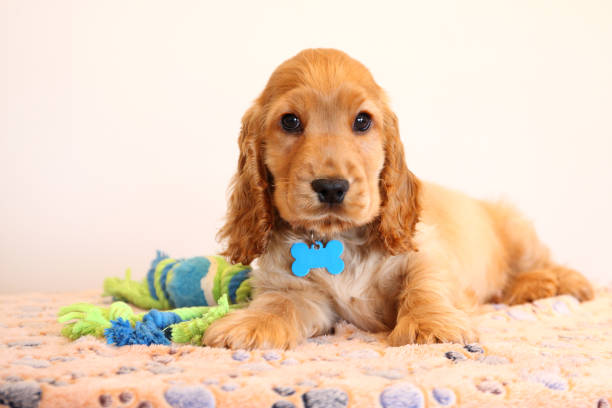
Bringing a new puppy home is an exciting and joyful time! Their boundless energy, playful antics, and unconditional love can fill your home with happiness. However, puppies are also incredibly curious, instinctive chewers, and masters of exploration. Without proper precautions, your home can quickly become a minefield of potential dangers.
Puppy-proofing isn’t just about protecting your belongings; it’s fundamentally about ensuring your puppy’s safety and well-being. A swallowed object, an electric shock, or exposure to toxins can lead to serious injury, illness, or even death. This comprehensive guide will walk you through everything you need to know to create a safe haven for your new furry family member.
The Puppy-Proofing Mindset: Think Like a Puppy!
Before diving into specific areas, adopt the “puppy perspective.” Get down on your hands and knees and crawl around your house. What looks inviting to chew? What’s within reach? Where could a small, curious creature get stuck? This exercise will reveal hazards you might never notice from an adult’s height.
Key Principles:
- If it fits in their mouth, it’s a potential choking hazard or ingestion risk.
- If they can reach it, they will investigate it.
- If it moves, they will play with it.
- If it smells interesting, they will try to eat it.
- If it dangles, they will chew on it.
The Room-by-Room Puppy-Proofing Checklist
Let’s go through your home, area by area, to identify and mitigate risks.
1. Living Room & Family Room
This is often where your puppy will spend a lot of time.
- Electrical Cords:
- Hazard: Chewing live wires can cause severe burns, electrocution, or death.
- Solution: Unplug unused electronics. Secure all active cords (TV, lamps, chargers) out of reach using cord protectors, cable ties, or by running them behind furniture. Consider wireless alternatives where possible.
- Small Objects:
- Hazard: Choking or intestinal blockage if swallowed.
- Solution: Keep remotes, cell phones, keys, coins, pens, batteries, craft supplies, children’s small toys (Legos, marbles), and decorative items off low tables and shelves. Train family members to pick up after themselves.
- Houseplants:
- Hazard: Many common houseplants are toxic to dogs (e.g., lilies, sago palms, azaleas, philodendrons, snake plants).
- Solution: Research all your plants. Remove toxic ones entirely, or place them in inaccessible areas (hanging baskets, high shelves your puppy cannot reach).
- Furniture:
- Hazard: Puppies love to chew on furniture legs or fabric. Unstable furniture could tip over.
- Solution: Use bitter apple spray (test in an inconspicuous area first) on areas they might chew. Secure wobbly furniture to the wall with anchors.
- Fireplaces:
- Hazard: Hot embers, soot, loose logs, or cleaning chemicals.
- Solution: Use a sturdy fireplace screen or gate. Store logs and tools securely away from the fireplace. Ensure the fireplace is clean before your puppy arrives.
- Valuables & Breakables:
- Hazard: Puppies can knock over lamps, vases, or picture frames.
- Solution: Place all breakable or cherished items on high shelves or in secure cabinets until your puppy is older and trained.
2. Kitchen
The kitchen is a high-risk area due to food, chemicals, and sharp objects.
- Food:
- Hazard: Many human foods are toxic (chocolate, xylitol/artificial sweeteners, grapes/raisins, onions, garlic, avocado, macadamia nuts, alcohol, caffeine). Even non-toxic foods can cause digestive upset.
- Solution: Never leave food unattended on counters or low tables. Keep all human food in sealed containers or high cabinets. Educate family members about toxic foods.
- Cabinets & Drawers:
- Hazard: Access to cleaning supplies, sharp utensils, small appliances, or pantry items.
- Solution: Install childproof latches on all lower cabinets and drawers, especially those containing cleaning products, medications, or breakable items.
- Trash Cans:
- Hazard: Food scraps, bones, dental floss, plastic bags – all potential choking or ingestion hazards.
- Solution: Use a heavy-duty trash can with a secure, lockable lid. Keep it inside a locked pantry or under the sink with a childproof latch if possible.
- Cleaning Supplies:
- Hazard: Bleach, detergents, floor cleaners, drain cleaners are highly toxic.
- Solution: Store ALL cleaning products in locked cabinets or on high, inaccessible shelves. Never leave a bucket of cleaning solution unattended.
- Appliances:
- Hazard: Cords (toaster, coffee maker), the heat from an oven or stove.
- Solution: Unplug small appliances when not in use. Keep your puppy away from the stove during cooking, consider a baby gate for the kitchen if needed.
3. Bathroom
Another room filled with tempting toxins and small hazards.
- Medications:
- Hazard: Human medications (prescription and over-the-counter) are extremely dangerous.
- Solution: Store ALL medications in a locked cabinet or a medicine cabinet high above the counter. Never leave pills on counters or accessible shelves.
- Cleaning Supplies:
- Hazard: Toilet bowl cleaners, bleach, bathroom sprays.
- Solution: As with the kitchen, store all cleaning products in locked cabinets or on high shelves.
- Toilet:
- Hazard: Drowning risk for small puppies, or ingestion of toilet bowl cleaner chemicals.
- Solution: Always keep the toilet lid down.
- Small Objects & Personal Care Products:
- Hazard: Razors, dental floss, cotton swabs, soap, shampoo, lotions, cosmetics can be toxic or cause blockages.
- Solution: Keep all personal care items in drawers or cabinets, off the counter. Ensure the trash can has a secure lid, as used cotton balls or tissues can be tempting.
4. Bedroom
Puppies love to snuggle, but bedrooms also contain hidden dangers.
- Clothing & Laundry:
- Hazard: Socks, underwear, pantyhose, and small clothing items can cause severe intestinal blockages if swallowed.
- Solution: Keep laundry hampers covered or inside a closet. Keep closet doors closed.
- Jewelry & Accessories:
- Hazard: Small earrings, rings, hair ties, or hairpins are choking hazards.
- Solution: Store all jewelry and accessories in closed boxes or high drawers.
- Cords:
- Hazard: Lamps, phone chargers, alarm clocks.
- Solution: Secure or hide all electrical cords as described for the living room.
- Shoes:
- Hazard: Puppies love to chew on shoes.
- Solution: Keep shoes in a closet or on a high shelf.
5. Laundry Room / Utility Room
- Detergents & Chemicals:
- Hazard: Laundry detergent pods, fabric softener, bleach, other cleaning chemicals are highly toxic.
- Solution: Store all laundry products in locked cabinets or on high, inaccessible shelves.
- Appliances:
- Hazard: Curious puppies can get trapped inside open washers or dryers.
- Solution: Always keep washer and dryer doors closed. Check inside before running a cycle.
- Small Items:
- Hazard: Fabric softener sheets can cause intestinal upset if ingested.
- Solution: Dispose of used sheets immediately in a secure trash can.
6. Office / Craft Room
- Office Supplies:
- Hazard: Paper clips, rubber bands, thumbtacks, pens, markers, staples, glue sticks are all ingestion risks.
- Solution: Store all office supplies in closed drawers. Keep desks clear when not in use.
- Cords:
- Hazard: Computer, printer, lamp cords.
- Solution: Secure all electrical cords.
- Shredders:
- Hazard: Can be a paw trap if left on and accessible.
- Solution: Unplug paper shredders when not in use and store them out of reach.
7. Garage / Basement / Shed
These areas are often forgotten but contain some of the most dangerous chemicals.
- Automotive Fluids:
- Hazard: Antifreeze (highly toxic and attractive due to its sweet taste), motor oil, gasoline, windshield wiper fluid.
- Solution: Store all automotive products in securely sealed containers on high shelves or in locked cabinets. Clean up any spills immediately and thoroughly.
- Tools & Equipment:
- Hazard: Sharp tools, small nails, screws, heavy equipment that could tip.
- Solution: Store all tools, nails, screws, and hardware in locked toolboxes or high cabinets. Secure heavy equipment.
- Paints & Solvents:
- Hazard: Toxic if ingested or inhaled.
- Solution: Store in sealed containers in locked cabinets.
- Pesticides & Fertilizers:
- Hazard: Extremely toxic.
- Solution: Store in securely sealed containers in locked cabinets or a shed.
8. Outdoor Areas (Yard, Patio, Balcony)
Don’t forget the exterior of your home!
- Fencing & Gates:
- Hazard: Escapes, access to dangerous areas.
- Solution: Thoroughly inspect your fence for any holes, gaps, or weak spots. Ensure gates are secure and have sturdy, self-latching mechanisms. Check for areas where a puppy could dig underneath.
- Toxic Plants:
- Hazard: Many outdoor plants are toxic (e.g., rhododendrons, azaleas, oleander, certain mushrooms, cocoa bean mulch).
- Solution: Research all plants in your yard. Remove toxic plants, or fence them off to prevent access. Be vigilant about wild mushrooms.
- Garden Chemicals:
- Hazard: Fertilizers, pesticides, herbicides, slug bait.
- Solution: Store all garden chemicals securely. Use pet-safe alternatives whenever possible. Read labels carefully.
- Water Features:
- Hazard: Drowning risk in pools, ponds, or even large water barrels.
- Solution: Securely cover pools. Fence off ponds or other water features. Always supervise your puppy near water.
- Yard Debris:
- Hazard: Rocks (choking/intestinal blockage), sharp branches, foreign objects.
- Solution: Keep your yard free of debris.
- Patios/Balconies:
- Hazard: Falls from heights, small objects left on the ground.
- Solution: Ensure railings are secure and the puppy cannot squeeze through or jump over. Keep all small items off the patio floor.
Essential Puppy-Proofing Tools
- Baby Gates: Indispensable for restricting access to certain rooms (kitchen, bathroom, stairs).
- Childproof Cabinet/Drawer Latches: For all lower cabinets with hazardous contents.
- Cord Protectors/Wraps: To cover and secure electrical cords.
- Outlet Covers: To prevent puppies from licking or chewing exposed outlets.
- Secure Trash Cans: With heavy bases and locking lids.
- Enzymatic Cleaner: For accident clean-up (essential for eliminating odor and preventing re-marking).
- Heavy-Duty Chew Toys: Provide appropriate outlets for chewing to redirect them from inappropriate items.
- Crate: A properly sized crate can be a safe, puppy-proof haven for your puppy when you can’t actively supervise them.
Ongoing Vigilance & Training
Puppy-proofing isn’t a one-time task; it’s an ongoing process.
- Regular Checks: Periodically re-evaluate your home for new hazards as your puppy grows and becomes more adventurous.
- Supervision is Key: The best puppy-proofing measure is active supervision. Never leave your puppy unattended for long periods, especially in areas not fully puppy-proofed.
- Training: Teach commands like “Leave It” and “Drop It” early on. This can be a lifesaver if your puppy grabs something dangerous.
- Age-Appropriate Adjustments: What’s safe for a 2-month-old might not be safe for a 6-month-old who can jump higher or reach more places.
Emergency Preparedness
Even with the best puppy-proofing, accidents can happen. Be prepared:
- Veterinarian Contact Information: Keep your vet’s number prominently displayed.
- Emergency Vet Clinic: Know the location and contact number of the nearest 24-hour animal emergency hospital.
- Pet Poison Control: Save the numbers for the ASPCA Animal Poison Control Center (1-888-426-4435) or the Pet Poison Helpline (1-855-764-7661). Be aware that calls may incur a fee.
- Pet First Aid Kit: Assemble a basic kit with essentials like gauze, antiseptic wipes, vet wrap, and tweezers.
Conclusion
Puppy-proofing your home is an act of love and responsibility. It provides peace of mind for you and ensures a happy, healthy, and safe environment for your new companion. While it might seem like a lot of work initially, the effort you put in now will pay dividends in preventing costly vet visits, property damage, and, most importantly, potential tragedy. Enjoy your new puppy – safely!







Add comment