
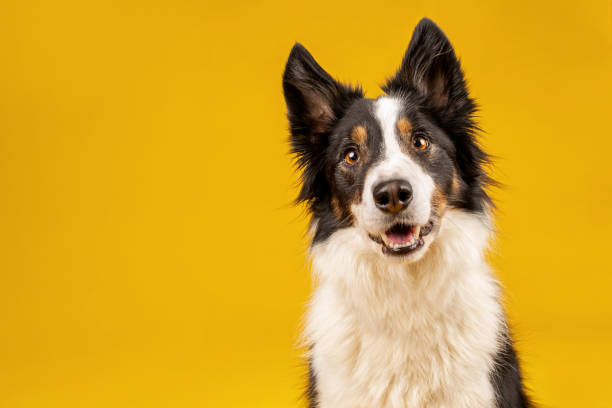
Bringing a new puppy into your life is an exciting time, filled with boundless joy and a healthy dose of responsibility. Among the most crucial aspects of puppyhood is socialization, the process of exposing your young dog to a wide variety of people, places, sounds, and experiences in a positive and controlled manner. Proper socialization is the foundation for a well-adjusted, confident, and well-behaved adult dog, significantly reducing the likelihood of fear-based aggression, anxiety, and phobias later in life.
This comprehensive guide will walk you through the importance of puppy socialization, the critical window for this development, and provide you with robust, actionable puppy socialization checklists to ensure you don’t miss a beat.
Why is Puppy Socialization So Critical?
Puppies have a critical socialization window, typically from 3 to 16 weeks of age. During this period, their brains are like sponges, absorbing information about the world around them. Experiences during this time have a profound and lasting impact on their emotional development and behavior.
Positive experiences during this window teach puppies that:
- New things are not scary: They learn to approach novel stimuli with curiosity rather than fear.
- Different is okay: They develop tolerance and acceptance of various types of people, animals, and environments.
- The world is safe: They build confidence and resilience, enabling them to handle future challenges.
Conversely, negative or insufficient socialization can lead to:
- Fear and anxiety: This can manifest as timidity, hiding, shaking, or even aggression when faced with unfamiliar situations.
- Behavioral problems: Escaping, destructive chewing, excessive barking, and difficulty training can stem from a lack of confidence and coping skills.
- Aggression: Fear is a primary driver of aggression, and a poorly socialized dog may lash out to defend itself.
- Phobias: Loud noises (fireworks, thunderstorms), specific objects, or certain types of people can become deeply frightening.
The Critical Socialization Window: A Timeline
Understanding the window is key to maximizing its benefits.
- 3 Weeks: Puppies are still with their mother and littermates, beginning to learn bite inhibition and basic social cues from their family.
- 4-5 Weeks: They become more mobile and start exploring their immediate environment, interacting with littermates and their mother.
- 6-8 Weeks: This is a peak sensitive period. Puppies are often weaned and moving to their new homes, and this is when dedicated socialization efforts should be most intense.
- 8-12 Weeks: Continue to expose them to a variety of positive experiences. This is also a crucial time for basic obedience training.
- 12-16 Weeks: The intensity of the critical window begins to wane, but continued positive exposure is still vital. Beyond 16 weeks, socialization becomes more about reinforcing good habits and overcoming any lingering fears.
Important Note: Always prioritize your puppy’s well-being and safety. Never force interactions that cause distress. The goal is positive association, not overwhelming your puppy. Consult your veterinarian about vaccination schedules and when it’s safe to expose your puppy to public places outside of controlled environments.
Puppy Socialization Checklists: A Categorized Approach
To make this process manageable, we’ve broken down socialization into key categories. Remember that quality over quantity is paramount. A brief, positive encounter is far more beneficial than a long, stressful one.
Checklist 1: PEOPLE
Introducing your puppy to a diverse range of humans is fundamental. Aim for gentle, positive interactions where the puppy feels safe and in control.
- [ ] Different Ages:
- Adults (male and female)
- Children (various ages, supervised closely and taught how to interact appropriately)
- Teenagers
- Elderly individuals
- [ ] Different Appearances/Attire:
- Hats and caps
- Glasses
- Uniforms (e.g., mail carrier, construction worker, doctor/vet)
- Coats and jackets
- Umbrellas (opened and closed)
- Bags and briefcases
- People with beards or mustaches
- People of different ethnicities and cultural backgrounds
- [ ] Different Movement/Sounds:
- People walking with canes or walkers
- People in wheelchairs
- People with crutches
- People with strollers or baby carriers
- People carrying objects
- People speaking with different accents or volumes
- [ ] Gentle Handling:
- Being petted gently by strangers (with your permission)
- Being offered a treat by strangers
- Having their paws, ears, and mouth gently touched (as part of handling and grooming practice)
Tips for People Socialization:
- Start with people the puppy knows and trusts.
- Ask people to approach your puppy calmly, without direct eye contact initially.
- Have strangers offer treats or toys.
- Keep interactions short and positive, ending on a good note before the puppy gets overwhelmed.
- For children, supervise all interactions and teach them gentle petting and how to read a dog’s body language.
Checklist 2: SOUNDS
Exposing your puppy to a variety of everyday sounds can prevent them from becoming fearful of loud or sudden noises.
- [ ] Household Sounds:
- Vacuum cleaner (at a distance initially, gradually closer)
- Blender/food processor
- Washing machine/dryer
- Dishwasher
- Blinds/shutters opening and closing
- Doors opening and closing
- Water running (faucets, toilet flushing)
- Oven timer
- Microwave beeping
- [ ] Outdoor Sounds:
- Traffic (cars, trucks, motorcycles – at a distance)
- Lawn mowers
- Sirens (fire truck, ambulance, police – at a distance)
- Thunderstorms (use recordings if natural ones are infrequent)
- Construction noise (jackhammers, saws – at a distance)
- Children playing
- Birds chirping
- Dogs barking (at a distance)
- [ ] Playful Sounds:
- Squeaky toys
- Balls bouncing
- Rattles
- Jingling keys
- [ ] Specific Recordings:
- Use a “Sounds of the World” CD or online resources to play a variety of challenging sounds at a low volume, paired with treats.
Tips for Sound Socialization:
- Start with sounds at a very low volume and gradually increase it as your puppy becomes comfortable.
- Pair sounds with positive reinforcement: treats, praise, or playtime.
- If your puppy shows fear, reduce the volume and try again later. Never force exposure.
- Play sounds while your puppy is engaged in a positive activity, like eating or playing.
Checklist 3: PLACES & ENVIRONMENTS
The more varied environments your puppy experiences, the more adaptable they will become.
- [ ] Different Indoor Locations:
- Living room, kitchen, bedroom, bathroom routine areas
- Garage
- Basement/attic
- Staircases (going up and down)
- Different types of flooring (carpet, tile, wood, linoleum, rugs)
- [ ] Different Outdoor Locations (Post-Vaccination/Vet Approval):
- Backyard
- Front yard
- Paved sidewalks
- Grassy areas
- Dirt paths
- Gravel areas
- Parks (quiet areas initially)
- Pet-friendly stores (e.g., pet supply stores, hardware stores)
- Walking on different surfaces (e.g., wooden decks, patios)
- Car rides (short, positive experiences)
- Vet’s waiting room (brief, positive visits BEFORE appointments)
- Quiet neighborhood streets
- Areas with mild slopes or uneven terrain
- [ ] Different Types of Buildings:
- Friends’ homes
- Pet-friendly cafes (outdoor seating)
- Vet clinic (for positive “hello and go” visits)
Tips for Place Socialization:
- Start in familiar, safe environments and gradually introduce new ones.
- Keep early visits short and positive.
- Carry your puppy if they are not fully vaccinated or if the environment is overwhelming.
- Reward calm behavior, curiosity, and confidence.
- Observe your puppy’s body language and retreat if they show signs of stress.
Checklist 4: OBJECTS & SURFACES
Familiarizing your puppy with different textures and objects can prevent them from becoming afraid of everyday items.
- [ ] Various Surfaces:
- Different types of flooring (as mentioned above)
- Grates or drains (walking over them if safe)
- Mats and rugs of varying textures
- Sand or fine gravel (if accessible and safe)
- [ ] Everyday Objects:
- Brooms and mops
- Buckets
- Garden tools (at a distance)
- Toys (various shapes, sizes, and textures)
- Furniture (different heights and types)
- Boxes and crates
- Tents or play tunnels
- Bicycles and skateboards (stationary initially, then moving at a distance)
- Umbrellas (as mentioned in People)
- Trash cans
- [ ] Handling Objects:
- Gentle introduction to leash and collar/harness
- Being touched with different textured items (e.g., a washcloth, a soft brush)
Tips for Object Socialization:
- Place objects in their environment and let the puppy investigate at their own pace.
- Don’t force interaction.
- Reward any positive curiosity or investigation.
- Ensure objects are safe and do not pose a choking hazard.
Checklist 5: ANIMALS (Post-Vaccination/Vet Approval)
Introducing your puppy to other well-behaved, vaccinated animals is crucial for developing good social skills.
- [ ] Other Dogs:
- Calm, well-socialized adult dogs (known to you)
- Puppies of similar age and temperament (in a controlled setting like a puppy class)
- Dogs of different breeds, sizes, and energy levels
- [ ] Other Species (with extreme caution and supervision):
- Calm, non-predatory cats (if introduced very slowly and positively)
- Rabbits or other small animals (observed from a distance initially, ensuring no prey drive is triggered)
Tips for Animal Socialization:
- This is the most critical area requiring caution. Only introduce your puppy to healthy, vaccinated, and well-socialized animals.
- Meet on neutral territory if possible.
- Keep initial interactions short and supervised.
- Watch for warning signs from either animal (stiff body, growling, snarling, tail tucking, whale eye).
- NEVER force an interaction.
- Puppy socialization classes are excellent for structured dog-to-dog interaction.
- Avoid dog parks until your puppy is older, fully vaccinated, and has basic obedience skills.
Checklist 6: EXPERIENCES & HANDLING
This category covers a range of experiences that build confidence and make veterinary visits and grooming easier.
- [ ] Handling & Grooming:
- Gentle ear cleaning practice
- Gentle nail trimming practice (touching clippers to nails)
- Gentle teeth brushing practice
- Brushing with different types of brushes
- Bathing (in a calm manner, gradually introducing water)
- Blow dryer (at a low setting and distance initially)
- Towel drying
- [ ] Veterinary Experiences:
- Positive “hello and go” visits to the vet clinic (no procedures)
- Being handled by veterinary staff
- Being placed on examination tables
- [ ] Travel:
- Short, positive car rides
- Getting in and out of the car
- [ ] Routine:
- Consistent feeding times
- Potty training routine
- Crate training (if applicable)
- [ ] Problem-Solving:
- Simple puzzle toys
- Learning to navigate mild obstacles
Tips for Experiences & Handling:
- Make all handling and grooming sessions short and rewarding.
- Use high-value treats and praise.
- Stop before your puppy becomes uncomfortable.
- Desensitize them to the tools used for grooming and vet visits.
The Importance of Positive Reinforcement
Throughout the entire socialization process, positive reinforcement is your best friend. This means rewarding desired behaviors (curiosity, calmness, engagement) with treats, praise, toys, or anything else your puppy finds motivating. Avoid any form of punishment, as this can create fear and mistrust, undermining all your socialization efforts.
When to Seek Professional Help
While these checklists provide a comprehensive guide, remember that every puppy is an individual. If your puppy is showing extreme fear, anxiety, or aggression, don’t hesitate to:
- Consult your veterinarian: Rule out any underlying medical issues.
- Work with a certified professional dog trainer or behaviorist: They can provide tailored guidance and support.
Conclusion
Puppy socialization is not a one-time event; it’s an ongoing process that lays the foundation for a happy, well-adjusted dog. By diligently using these puppy socialization checklists and focusing on positive, controlled experiences, you are investing in a lifetime of companionship with a confident, resilient, and loving canine family member. Remember to be patient, observant, and celebrate every small victory along the way! Your pup (and your future self) will thank you for it.





Add comment