
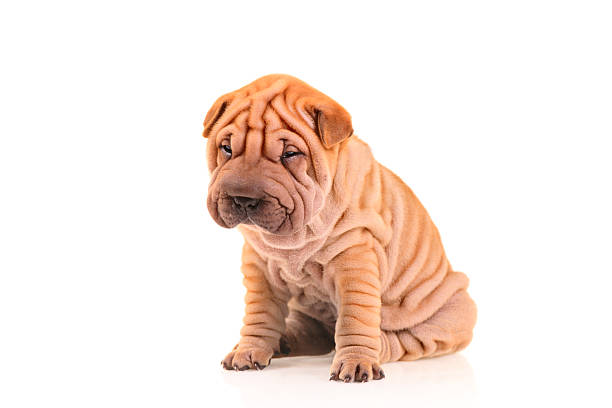
Bringing a new puppy into your home is an incredibly exciting and rewarding experience. Those first few weeks are a whirlwind of tiny paws, curious eyes, and endless energy. However, beyond the adorable antics, this initial period is arguably the most critical time in your puppy’s life for shaping their future behavior, temperament, and overall well-being. The foundation laid during these formative weeks, particularly between 3 and 16 weeks of age, will profoundly influence whether your puppy grows into a confident, well-adjusted, and obedient adult dog, or one plagued by fear, anxiety, or behavioral issues.
This comprehensive guide will delve deep into the interwoven processes of puppy socialization and obedience training, emphasizing their critical importance during these foundational weeks. We’ll explore developmental stages, provide actionable strategies for effective socialization, outline essential early obedience commands, troubleshoot common challenges, and empower you to build a strong, positive relationship with your new canine companion that will last a lifetime.
Part 1: Understanding Puppy Development & Critical Periods
To effectively socialize and train your puppy, it’s crucial to understand the different developmental stages they pass through. Each period brings unique sensitivities and learning opportunities.
The Stages of Puppy Development:
- Neonatal Period (Birth – 2 Weeks):
- Characteristics: Puppies are completely dependent on their mother for survival. Their eyes and ears are closed. They primarily eat, sleep, and crawl.
- Significance: Early neurological stimulation (ENS) by the breeder or caretaker during this time can have profound positive effects on a puppy’s stress coping mechanisms and resilience later in life. Gentle handling is beneficial.
- Transitional Period (2-3 Weeks):
- Characteristics: Eyes and ears begin to open, and puppies start to react to light and sound. They take their first wobbly steps, begin to vocalize, and may start to interact with littermates. Teeth begin to emerge.
- Significance: Introduction to solid food, development of motor skills, and the very first stirrings of independence. Interaction with the environment becomes possible.
- Socialization Period (3-16 Weeks):
- Characteristics: This is the most critical period for rapid learning and developing social skills. Puppies are highly receptive to new experiences and learning appropriate interactions with their world. Their brains are like sponges, eagerly soaking up information.
- Significance:
- 3-5 Weeks: Puppies begin playing with littermates, learning bite inhibition, and understanding canine communication. They become aware of their breeders and humans.
- 5-7 Weeks: Improved coordination, house-training principles can begin. They learn social boundaries from littermates and mother. Strong bond formation with humans begins.
- 8-16 Weeks (The “Fear Imprint” Periods): This is when puppies are typically rehomed. While still highly impressionable for positive experiences, they also become more sensitive to frightening events. Negative experiences during this time can have lasting impacts, often manifesting as fear responses. This period is crucial for exposure to novel stimuli in a positive, controlled manner.
- Juvenile Period (4-6 Months):
- Characteristics: Often likened to human pre-adolescence. Puppies continue to grow rapidly, lose their puppy teeth, and enter a phase of increased exploration and testing boundaries.
- Significance: Continued socialization and obedience training are vital to solidify good habits and manage emerging “teenage” behaviors.
- Adolescence (6 Months – 1.5/2 Years, depending on breed):
- Characteristics: Sexual maturity, continued growth, and a phase of increased independence and potential “forgetfulness” of previously learned commands. Hormonal changes can lead to new behaviors.
- Significance: Consistency in training is paramount. This is where owners often give up due to frustration, but persevering through adolescence is key to a well-behaved adult.
Why the 3-16 Week Window is So Crucial:
During this window, a puppy’s brain is primed to form associations and develop coping mechanisms. Positive, controlled exposure to a wide variety of stimuli creates neural pathways that foster confidence and adaptability. Conversely, a lack of exposure, or exposure to frightening situations, can lead to fear, anxiety, and behavioral problems that are much harder to address later. While socialization is a lifelong process, the foundation built in these first weeks is irreplaceable.
Part 2: The Pillars of Early Socialization (3-16 Weeks)
Socialization is far more than just letting your puppy play with other dogs. It’s a deliberate, ongoing process of safely and positively exposing your puppy to the world they will live in. The goal is for your puppy to develop positive associations with new sights, sounds, smells, people, environments, and other animals.
Key Principle: Always ensure experiences are positive, controlled, and not overwhelming. Use treats, praise, and gentle reassurance. If your puppy shows signs of fear (tail tucked, cowering, trying to escape), you’ve gone too far too fast. Retreat and try a milder version of the exposure later.
1. People Socialization:
Your puppy needs to learn that humans of all shapes, sizes, and dispositions are generally safe and good.
- Variety is Key: Expose your puppy to:
- Different Ages: Infants, toddlers, children, teenagers, adults, seniors. Supervise all interactions closely, especially with young children who might not understand gentle handling.
- Different Genders: Men, women.
- Different Appearances: People wearing hats, glasses, sunglasses, uniforms (postal workers, delivery drivers), people with beards, people using canes, wheelchairs, or crutches.
- Different Movements: People walking, running, cycling, carrying bags, pushing strollers.
- Positive Interactions:
- Encourage people to offer high-value treats (given by them, not you) and gentle petting.
- Teach people to approach calmly, not to loom or stare directly.
- Avoid overwhelming your puppy with too many new people at once.
- Enroll in a well-run puppy class, where supervised interactions with various people are common.
2. Dog Socialization:
Learning to interact appropriately with other dogs is vital for play, communication, and avoiding fear or aggression.
- Safety First: Before allowing interactions, ensure all dogs involved are fully vaccinated, healthy, and have a good temperament. Avoid dog parks until your puppy is fully vaccinated and has learned appropriate play skills.
- Puppy Classes: These are invaluable. They offer a safe, supervised environment for puppies to play and learn from each other under the guidance of a professional trainer.
- Known, Calm Adult Dogs: Arrange playdates with adult dogs you know are friendly, patient, and well-socialized. Adult dogs can teach puppies important social cues (e.g., when play is too rough).
- Reading Canine Body Language: Learn to recognize signs of good play (bows, loose bodies, taking turns, self-handicapping) versus bad play (one dog constantly retreating, yelping, stiffness, persistent mounting, growling without playful context). Intervene and separate if play becomes unbalanced or aggressive.
- Avoid Overwhelm: Don’t force interactions. If your puppy seems overwhelmed or scared, gently remove them from the situation.
3. Environmental Socialization:
Familiarity with various environments prevents future anxieties.
- Sounds: Gradually expose your puppy to common household sounds (vacuum cleaner, doorbell, washing machine, TV, blender), outdoor sounds (traffic, sirens, construction, children playing, birds chirping), and unusual sounds (thunder, fireworks—use desensitization tracks if appropriate). Start at low volume and reward calm behavior.
- Surfaces: Walk your puppy on different textures: grass, concrete, asphalt, gravel, carpet, wood floors, tile, grates, sand.
- Objects: Introduce them to umbrellas opening, strollers, bicycles, skateboards, plastic bags rustling, flags flapping, different types of toys.
- Novelty:
- Car rides: Make car rides positive with treats and short durations initially.
- Vet visits: Pop into the vet’s office just for treats and praise (no pokes or prods) so it doesn’t always equal fear.
- Different locations: Take your puppy to local pet-friendly stores, parks, quiet street corners, even just sit on a bench and observe the world go by.
4. Handling & Grooming Socialization:
Teaching your puppy to tolerate and even enjoy being handled is critical for vet visits, grooming, and general care.
- Gentle Touch: Regularly and gently touch paws, ears, tail, mouth, and belly. Pair this with treats and praise.
- Grooming Tools: Introduce brushes, combs, nail clippers, and toothbrushes. Let them sniff, touch, and then gently use for short periods, always rewarding.
- Bath Time: Make initial baths quick, warm, and positive. Use treats and cheerful encouragement.
- Practice restraint: Gently hold your puppy for short periods, simulating a vet exam. Always keep it positive and brief.
5. Preventing Fear & Reactivity:
- Gradual Exposure: Never throw your puppy into a scary situation. Introduce new things slowly, at a distance, and for short durations.
- Choice and Control: Allow your puppy to approach new things at their own pace. Don’t force interactions.
- Positive Reinforcement: Always reward calm, curious, or brave behavior with high-value treats and praise.
- Recognize Stress Signals: Yawning, lip licking, averting gaze, freezing, trembling, tail tucked, cowering, trying to hide are all signs of stress. If you see them, ease up on the situation.
- Never Punish Fear: Punishing a fearful puppy will only intensify their fear and damage your bond.
Part 3: Foundation Obedience Training (3-16 Weeks)
Obedience training during these critical weeks isn’t about creating a robot; it’s about establishing clear communication, building trust, and teaching your puppy the rules of your household. Positive reinforcement is the cornerstone of effective puppy training. Keep sessions short (5-10 minutes), frequent, and fun!
The Philosophy of Positive Reinforcement:
- Reward Desired Behaviors: When your puppy does something you like (sits, comes when called, chews their toy), immediately mark the behavior (with a verbal marker like “Yes!” or a clicker) and follow with a high-value treat, praise, or a favorite toy.
- Ignore or Redirect Undesired Behaviors: Don’t punish mistakes. Instead, prevent them where possible, or redirect your puppy to a more appropriate activity. For example, if they chew furniture, redirect them to a chew toy.
- Build a Positive Association: Training should be an enjoyable interaction that strengthens your bond, not a chore or a source of fear.
Key Commands & Concepts:
- Name Recognition:
- Goal: Your puppy should associate their name with positive things and look at you when called.
- Method: Say your puppy’s name in a happy tone. The moment they look at you, mark and reward. Repeat many times throughout the day, in various locations and with different distractions. Avoid using their name only when you’re scolding them.
- Potty Training (House Training):
- Goal: Teach your puppy to eliminate outside.
- Method:
- Schedule: Take your puppy out frequently: first thing in the morning, last thing at night, after waking from naps, after playing, after eating, and every 1-2 hours in between.
- Supervision: Keep your puppy tethered to you or in a confined, puppy-proofed area when indoors. This enables you to spot warning signs (sniffing, circling, squatting).
- Crate Training (as part of potty training): Puppies naturally avoid soiling their den. A properly sized crate can be an invaluable tool. Take the puppy directly from the crate to their potty spot.
- Potty Spot & Command: Take them to the same designated outdoor spot. Use a consistent potty command (“Go potty,” “Get busy”). Reward immediately after they finish eliminating outside with high-value treats and praise.
- Accident Management: If an accident happens indoors, clean it thoroughly with an enzymatic cleaner (to eliminate odors that attract them back) and don’t scold your puppy. They don’t understand punishment after the fact. Focus on preventing future accidents.
- Crate Training:
- Goal: Teach your puppy that their crate is a safe, comfortable den and a positive place to be.
- Method:
- Introduction: Place the crate in a central, quiet area. Leave the door open. Toss treats and toys inside. Feed meals in the crate.
- Positive Association: Never use the crate for punishment. Make it comfortable with soft bedding and cover it to create a den-like feel.
- Short Periods: Start with very short durations, gradually increasing the time. Build up to leaving them for longer periods and overnight.
- When to Use: For naps, quiet time, potty training assistance, safety when unsupervised, and as a travel den.
- Bite Inhibition:
- Goal: Teach your puppy to control the force of their bite, realizing that human skin is fragile. This is one of the most important lessons a puppy learns from its littermates and mother.
- Method:
- “Ow!” Method: When your puppy bites too hard during play, yelp loudly (“Ow!”), let your hand go limp, and immediately withdraw all attention. Stop playing for 30-60 seconds. This mimics what another puppy would do.
- Redirection: If your puppy continues to mouth or bite, redirect them to an appropriate chew toy. Reward them when they chew the toy.
- Consistency: Everyone in the household must follow the same rules. If one person allows hard biting, the puppy will be confused.
- Recognizing Play Biting: Puppy biting, while sometimes painful, is usually a form of exploration and play. Distinguish this from truly aggressive biting (which is rare in young puppies but would require professional intervention).
- “Sit” & “Down”:
- Goal: Teach basic control commands for calmness and polite greetings.
- Method (Lure and Reward):
- Sit: Hold a treat at your puppy’s nose. Slowly move it up and back over their head. As their nose follows the treat, their rear will naturally lower. The moment their bum touches the ground, mark (“Yes!”) and reward. Add the verbal cue “Sit” just as they’re performing the action.
- Down: From a sit, hold a treat at their nose and slowly move it towards the floor and then directly away from them, along the floor. Their body should naturally follow into a down. Mark and reward. Add the verbal cue “Down.”
- Practice: Short, frequent sessions. Fade the lure over time (using an empty hand gesture) and eventually rely only on the verbal cue.
- “Come” (Recall):
- Goal: A life-saving command! Your puppy should reliably return to you when called.
- Method:
- Make it a Game: Start in a distraction-free environment. Get low, use an excited voice, say “Puppy’s Name, Come!” As they move towards you, encourage them enthusiastically.
- High-Value Rewards: When they reach you, give them the best treats they’ve ever had, along with lots of praise and gentle petting. Make coming to you the most wonderful thing in the world.
- Never Punish: Never call your puppy to you to scold them or do something they dislike (e.g., end playtime, trim nails). This will poison the recall.
- Practice Frequently: Practice in different rooms, then in the yard, gradually adding mild distractions.
- “Leave It” & “Drop It”:
- Goal: Teach impulse control and safety, preventing your puppy from ingesting dangerous items or taking things they shouldn’t.
- “Leave It”:
- Place a low-value treat on the floor. Cover it with your hand. Say “Leave It.” When your puppy looks away from the treat or makes eye contact with you, immediately reward them with a different, high-value treat from your other hand. Gradually uncover the treat, increasing the temptation and duration before rewarding.
- “Drop It”:
- When your puppy has a toy in their mouth, offer a high-value treat next to their nose. As they open their mouth to take the treat, say “Drop It.” When they drop the toy, give them the treat. Immediately pick up the toy and re-engage in play or give it back. The goal is to teach them that dropping something leads to something better or renewed play.
- Leash Training:
- Goal: Teach your puppy to walk politely on a leash without pulling.
- Method:
- Collar/Harness Introduction: Start by simply putting on the collar or harness for short periods indoors, paired with treats and praise. Make it a normal, positive accessory.
- Indoor Practice: Attach a lightweight leash and let your puppy drag it around (supervised!). Then, hold the leash loosely and encourage your puppy to walk beside you with treats and praise.
- Loose-Leash Walking Basics: The leash should always be slack. If your puppy pulls, stop walking. Wait for the leash to go slack, then praise and resume walking. Reward for walking beside you.
- Impulse Control & Polite Greetings:
- Goal: Teach patience and appropriate behavior around exciting stimuli.
- Methods:
- Doorway Manners: Start teaching your puppy to sit and wait before going through a doorway or exiting the crate.
- Waiting for Food: Make your puppy sit before putting their food bowl down.
- Polite Greetings: Teach “Four on the Floor.” When guests arrive, or if your puppy jumps, turn your back, say “Off,” and only give attention when all four paws are on the ground. Reward calm greetings.
Part 4: Common Challenges & Troubleshooting
Even with the best intentions, puppies can present challenges. Early intervention and understanding are key.
- Separation Anxiety (Prevention):
- Challenge: Puppies can develop distress when left alone.
- Prevention: Practice short, positive departures from day one. Leave for 1 minute, return, no fuss. Gradually increase the time. Provide high-value, long-lasting chews (like a Kong stuffed with frozen peanut butter) before leaving. Ensure the crate is a positive place. Avoid making departures and arrivals overly dramatic.
- Nipping/Biting (Advanced Strategies):
- Challenge: Persistent, painful puppy biting beyond what’s expected.
- Strategies:
- Continued Bite Inhibition: Be unwavering with the “Ow!” and withdrawal method.
- Redirection is Crucial: Always have appropriate chew toys available and redirect before the biting gets out of hand.
- Enforced Naptime: Overtired puppies are often nippy. Ensure your puppy gets enough sleep in their crate.
- Bitter Sprays: For furniture or clothing, a safe bitter apple spray can deter chewing.
- Professional Help: If biting seems excessively aggressive or doesn’t improve, consult a professional trainer or veterinary behaviorist.
- Fear/Shyness:
- Challenge: A puppy who is consistently fearful of new people, dogs, or environments.
- Strategies:
- Gentle Desensitization & Counter-Conditioning: Slowly expose the puppy to the trigger at a distance where they are comfortable. Pair the trigger with high-value treats (counter-conditioning). Gradually decrease the distance over many sessions.
- Never Force: Do not push a fearful puppy into a situation they are not ready for. This will only worsen the fear.
- Build Confidence: Focus on positive experiences. Enroll in a positive reinforcement puppy class with a sensitive instructor.
- Consult a Professional: Shyness can escalate to reactivity or aggression if not managed correctly.
- House Training Setbacks:
- Challenge: Accidents continue despite consistent training.
- Strategies:
- Re-evaluate Schedule: Are you taking them out often enough? After every trigger (eating, playing, sleeping)?
- Increased Supervision: Are they getting too much unsupervised freedom? Use a leash indoors.
- Clean Appropriately: Are you using enzymatic cleaners to eliminate residual odor from accidents?
- Medical Check: Rule out urinary tract infections or other medical issues with your vet.
- Over-Excitement/Jumping:
- Challenge: Puppy gets overly excited and jumps on people.
- Strategies:
- “Four on the Floor” (for people): Turn away, ignore, and only reward when all four paws are on the ground. Consistency is key with everyone who interacts with the puppy.
- Manage Environment: Prevent jumping by holding the leash and keeping the puppy at a distance from exciting stimuli until they can offer a calm sit.
- Impulse Control: Continue practicing “sit” and “stay” in increasingly distracting environments.
When to Seek Professional Help: Don’t hesitate to consult a certified professional dog trainer (CPDT-KA) or a board-certified veterinary behaviorist (Dip ACVB) if you encounter persistent behavioral issues, aggression, extreme fear, or separation anxiety that you cannot manage on your own. Early intervention is always best.
Part 5: Continuing the Journey Beyond 16 Weeks
The critical first weeks lay an essential foundation, but socialization and obedience training are lifelong commitments.
- Consistency is Key: Your puppy will continue to learn and test boundaries. Maintain a consistent routine, uphold the rules, and continue practicing commands.
- Adolescence & “Extinction Bursts”: Be prepared for the adolescent phase (around 6 months to 1.5-2 years). Your dog may seem to “forget” commands, become more independent, or push boundaries. This is normal! Double down on training, proof commands in new environments, and remember that patience and positive reinforcement are still your best tools. These “extinction bursts” often occur right before a behavior improves, so don’t give up!
- Continued Socialization: Keep exposing your dog to new, positive experiences throughout their life. Visit new places, meet new people, and engage in supervised play with well-mannered dogs.
- Advanced Training & Dog Sports: Consider enrolling in advanced obedience classes, agility, rally, canine good citizen (CGC) programs, or other dog sports. These activities provide mental and physical enrichment, strengthen your bond, and keep your dog engaged.
- The Bond: Every positive interaction, every successful training session, every moment of shared joy strengthens the incredible bond between you and your dog. Cherish it.
Conclusion
The first few weeks of a puppy’s life are a golden opportunity, a precious window where your efforts in socialization and obedience training will yield the most profound and lasting results. By understanding their developmental stages, providing a rich tapestry of positive experiences, and consistently applying force-free, positive reinforcement training methods, you are not just teaching commands – you are building confidence, fostering resilience, and nurturing a well-adjusted, happy companion.
This critical period demands your attention, patience, and love. Embrace the challenges, celebrate the successes, and remember that every moment invested in your puppy’s early development is an investment in a lifetime of companionship, joy, and a truly beloved family member. The journey is long, but the foundation you lay now will empower your puppy to navigate the world with confidence and grace, making them a joy to live with for years to come.
#PuppySocialization, #DogObedience, #PuppyTraining, #CriticalFirstWeeks, #NewPuppy, #PuppyLife, #DogTrainingTips, #PositiveReinforcement, #PuppyDevelopment, #HappyDog, #WelldonePuppy, #PuppyLove, #DogsofInstagram, #Puppiesofinstagram, #TrainYourPuppy, #EarlyTraining, #SocializeYourPuppy, #PetParent, #DogBehavior, #PuppyLessons, #ForeverHome, #DogCare, #PuppyAdventures, #ObedienceTraining, #CanineCompanion







Add comment