
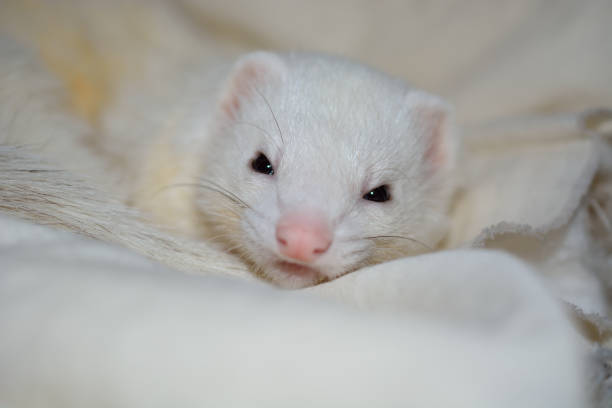
Pyometra is a severe, life-threatening uterine infection that primarily affects unspayed female ferrets (jills) of reproductive age. This condition arises due to hormonal imbalances, particularly from prolonged exposure to estrogen, which leads to structural and functional changes in the uterus. If left untreated, pyometra can result in systemic infection, organ failure, and even death. Ferrets are especially susceptible to this condition during their estrus (heat) cycles, making early detection and prompt veterinary intervention critical. This guide provides a comprehensive overview of pyometra in ferrets, including its causes, clinical signs, diagnostic methods, treatment options, prognosis, complications, prevention strategies, dietary considerations, and zoonotic risks.
1. Causes of Pyometra in Ferrets
Pyometra in ferrets is primarily driven by hormonal fluctuations and anatomical factors unique to mustelid physiology. The condition is most common in intact jills (unspayed females) due to the cyclical nature of their reproductive system. Key causes include:
1.1 Estrus Cycles and Hormonal Imbalances
Ferrets, like other mustelids (e.g., badgers, minks), have a long-lasting estrus cycle that can persist for several weeks or even months if the jill does not mate. During estrus, high levels of estrogen are released. If the jill remains unreceptive to mating, the prolonged estrogen exposure leads to cystic endometrial hyperplasia and adenomyosis, which weaken the uterine lining and create a conducive environment for bacterial proliferation.
1.2 Bacterial Infection
The compromised uterine lining allows opportunistic bacteria (e.g., E. coli, Staphylococcus, Streptococcus) to invade the uterus, leading to inflammation, pus accumulation, and systemic infection. Bacteria can ascend from the vagina or be introduced during mating, especially in sexually active jills.
1.3 Pseudopregnancy and Hormonal Therapy
Ferrets produce high levels of progesterone during pseudopregnancy or after the administration of exogenous hormones (e.g., for breeding management). This mimics pregnancy and causes uterine structural changes, increasing the risk of pyometra.
1.4 Age and Immune Status
While pyometra can occur at any age, older jills (typically over 3–4 years old) are at higher risk due to reduced immune function. Additionally, jills with concurrent health conditions (e.g., diabetes, obesity) are more susceptible.
2. Signs and Symptoms of Pyometra in Ferrets
The clinical signs of pyometra in ferrets can vary depending on whether the cervix is open or closed. Early recognition is crucial for successful treatment.
2.1 Open-Cervix Pyometra
In this form, the cervix remains open, allowing pus to drain from the uterus. Symptoms include:
- Vaginal discharge (yellow or greenish, foul-smelling).
- Swollen or enlarged abdomen (due to uterine distension).
- Lethargy, depression, or decreased activity.
- Loss of appetite or reduced food intake.
- Increased thirst and urination (due to systemic infection).
2.2 Closed-Cervix Pyometra
Here, the cervix is closed, preventing drainage and leading to rapid uterine enlargement. This form is more severe and life-threatening. Symptoms include:
- Abdominal distension (visible as a “potbelly”).
- Severe systemic signs: fever, vomiting, diarrhea, and shock.
- Toxemia (toxins in the bloodstream due to infection).
- Death within days if left untreated.
2.3 Behavioral Changes
- Aggression or irritability (due to discomfort).
- Avoidance of social interaction.
- Restlessness or pacing.
2.4 Laboratory and Clinical Clues
- Lethargy and weight loss despite normal activity.
- Elevated white blood cell count (indicating infection).
- Abdominal distension on physical examination.
3. Diagnosis of Pyometra in Ferrets
Diagnosing pyometra requires a combination of clinical evaluation, imaging, and laboratory tests to confirm the condition and assess its severity.
3.1 Physical Examination
A veterinarian will perform a thorough physical exam, focusing on:
- Abdominal palpation to detect uterine enlargement.
- Rectal temperature to check for fever.
- Vaginal discharge (if present).
3.2 Diagnostic Imaging
- Ultrasound: The gold standard for diagnosing pyometra. It reveals a fluid-filled, enlarged uterus with a “bull’s eye” appearance.
- Radiography (X-rays): May show uterine enlargement or fluid accumulation in advanced cases.
3.3 Laboratory Tests
- Complete blood count (CBC): Reveals elevated white blood cells (leukocytosis) and neutrophils.
- Biochemistry panel: Shows elevated globulins (indicating infection) and possible electrolyte imbalances.
3.4 Pregnancy Test
Since pyometra mimics pregnancy, a relaxin test (using a specific antibody kit) can distinguish between true pregnancy and pyometra.
4. Treatment Options for Pyometra in Ferrets
Treatment depends on the severity of the infection, the jill’s overall health, and whether she is intended for breeding. The two main approaches are surgical intervention and medical management (in rare cases).
4.1 Surgical Treatment: Ovariohysterectomy (Spaying)
This is the most effective and definitive treatment for pyometra. The procedure involves removing the uterus and ovaries to eliminate the source of infection.
- Success rate: Over 90% in healthy jills.
- Timing: Surgery is often delayed until the jill is stabilized (e.g., with intravenous fluids) but should occur as soon as possible.
- Risks: Anesthesia risks in older or ill jills require pre-anesthetic blood work and monitoring.
4.2 Medical Management (Controversial and Rare)
Medical treatment is occasionally attempted in jills intended for breeding or in cases where surgery is not feasible. Options include:
- Prostaglandin F2α (PGF2α): Stimulates uterine contractions to expel pus and restore cervical patency. Requires close monitoring.
- Antibiotics: Broad-spectrum antibiotics (e.g., enrofloxacin) to combat infection.
- Oxytocin: May aid in uterine evacuation if the cervix is open.
Important Note: Medical management carries a higher risk of complications (e.g., sepsis) and is not a long-term solution. Spaying remains the safest option.
5. Prognosis and Complications of Pyometra in Ferrets
The prognosis depends on the stage of the disease and the timeliness of treatment.
5.1 Prognosis
- Untreated pyometra: Mortality rate approaches 90% due to septicemia, uterine rupture, or kidney failure.
- Treated pyometra:
- Surgical spaying: Prognosis is excellent (80–90% survival) in jills without systemic complications.
- Medical therapy: Poorer prognosis due to recurrence and incomplete resolution.
5.2 Potential Complications
- Sepsis: Systemic infection leading to organ failure.
- Uterine torsion or rupture: Sudden abdominal pain, shock, and death.
- Renal damage: Toxins from the infection may impair kidney function.
- Anesthetic risks: Especially in debilitated jills.
6. Prevention of Pyometra in Ferrets
Prevention is the best strategy for avoiding pyometra, as the condition is almost always fatal if untreated.
6.1 Spaying (Ovariohysterectomy)
- Optimal time for spaying: Before the jill’s first estrus (around 6–9 months of age).
- Benefits: Eliminates the risk of pyometra, uterine tumors, and reduces estrus-related stress.
- Note: Spaying is not an option for breeding jills, but they should be closely monitored during estrus.
6.2 Breeding Management
- Controlled breeding programs: Mate jills promptly after detecting signs of receptivity (e.g., a soft, flaccid vulva).
- Hormonal monitoring: Use relaxin tests to confirm pregnancy and avoid prolonged exposure to progestins.
6.3 Avoiding Pseudopregnancy
- Administer synthetic progestins only under veterinary supervision, as even short-term use can predispose to pyometra.
- Monitor jills for signs of prolonged pseudopregnancy (e.g., nesting behavior, milk production).
7. Dietary and Nutritional Considerations
While diet is not a direct cause of pyometra, a balanced diet supports immune function and overall health, reducing susceptibility to infections.
7.1 Recommendations
- High-quality ferret food: Choose pelleted diets formulated for ferrets (e.g., Harrison’s, Oxbow).
- Protein and fat: Ferrets require 30–40% protein and 15–20% fat in their diet.
- Hydration: Ensure fresh water is available at all times, especially in jills with pyometra.
- Avoid plant-based ingredients: Ferrets are obligate carnivores and cannot thrive on diets containing fruits, vegetables, or grains.
7.2 Supplements and Vitamins
- Taurine: Supports heart and vision health.
- Vitamin E and C: May help combat oxidative stress in ill jills.
- Probiotics: Promote gut health and immune function.
7.3 Feeding During Illness
Ferrets with pyometra often refuse food due to pain or systemic illness. A high-calorie, palatable diet (e.g., raw meat or egg-based supplements) may be necessary during recovery.
8. Zoonotic Risk and Human Health Considerations
Pyometra itself is not zoonotic, but the bacteria involved in the infection (e.g., E. coli, Staphylococcus aureus) can pose risks to humans, particularly those with weakened immune systems. Owners should:
- Practice good hygiene: Wash hands after handling the jill or her waste.
- Avoid direct contact with discharge: Use gloves when cleaning soiled litter or bedding.
- Dispose of waste safely: Do not allow the jill’s feces or pus to come into contact with children, elderly, or immunocompromised individuals.
9. Case Studies and Real-World Examples
- Case 1: A 4-year-old jill presented with a swollen abdomen and listlessness. Ultrasound confirmed pyometra, and she underwent emergency spaying. Post-surgery care included fluids and antibiotics, resulting in full recovery.
- Case 2: A jill in closed-cervix pyometra was found in shock. Despite aggressive treatment, she succumbed to septicemia within 24 hours, highlighting the urgency of surgical intervention.
10. Conclusion and Final Recommendations
Pyometra is a severe, time-sensitive condition that demands immediate veterinary attention. Key takeaways include:
- Spaying is the most effective preventive measure.
- Early signs (e.g., vaginal discharge, abdominal swelling) should not be ignored.
- Medical therapy is only a temporary solution and carries risks.
- A balanced diet and routine health checks support overall ferret wellness.
Ferret owners must prioritize spaying and educate themselves on the signs of pyometra to ensure their pets’ well-being.
#FerretHealth #PyometraInFerrets #UnspayedJill #AnimalHealth #VeterinaryCare #FerretDiseases #FerretCare #PreventativeVetCare #PetHealth #MustelidMedicine #ZoonoticRisks #FerretNutrition #SpayingFerrets #StrayFerretHelp #FerretOwnership #FerretSurgery #FerretCommunity #FurryFriends #PetHospital #AnimalHospital #VetEssentials #FerretOwners


Add comment