

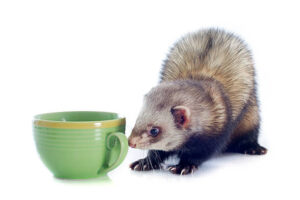
Ferrets, with their insatiable curiosity and mischievous nature, are notorious for exploring every nook and cranny of their environment – often with their mouths. This endearing trait, however, can quickly turn into a life-threatening situation when they ingest foreign objects. Among the most common and dangerous items a ferret might swallow is foam, found in everything from furniture to toys to packaging materials. Foam ingestion poses significant risks, ranging from immediate choking hazards to severe gastrointestinal obstructions and even toxicity.
As a ferret owner, understanding the gravity of this situation and knowing precisely how to react can mean the difference between life and death for your beloved companion. This comprehensive guide will equip you with the knowledge and actionable steps required to handle a foam ingestion emergency, from immediate first aid to advanced veterinary care, and most importantly, how to prevent such incidents from occurring in the first place.
1. Introduction: The Ferret’s Curious World and the Dangers of Foam
Ferrets are obligate carnivores, but their instinct to “mouth” everything is strong. Their keen sense of smell and their ability to squeeze into tight spaces often lead them to discover objects that are not meant for consumption. Pica, the persistent craving and compulsive eating of non-nutritive substances, can also contribute to foreign body ingestion, though simple curiosity is often the driving factor in ferrets.
Foam, in its various forms, is particularly appealing to ferrets due to its soft texture, chewability, and sometimes interesting scents. However, its properties—the ability to expand, break into sharp pieces, and resist digestion—make it exceptionally hazardous once swallowed. This guide serves as your immediate reference and in-depth resource for navigating this critical emergency.
2. Understanding the Threat: Why Foam is So Dangerous
Not all foams are created equal, but almost all pose a significant threat to a ferret’s delicate digestive system and respiratory tract. Let’s delve into why foam ingestion is such a grave concern.
Types of Foam Ferrets Might Encounter:
- Styrofoam (Expanded Polystyrene): Commonly found in packaging peanuts, disposable cups, and insulation. It breaks easily into small, often sharp, pieces and can expand when wet.
- Polyurethane Foam: Used extensively in furniture (cushions, padding), mattresses, car seats, and some toys. It’s soft and spongy, making it easy for ferrets to tear and swallow. It can also expand and absorb liquids.
- Memory Foam (Viscoelastic Polyurethane Foam): A type of polyurethane foam found in high-end mattresses and pillows. While denser, it can still be chewed and swallowed, posing similar risks.
- EVA Foam (Ethylene-vinyl Acetate): Used in craft sheets, floor mats, and some children’s toys. It’s flexible and durable but can be chewed into smaller pieces.
- Latex Foam: Derived from natural rubber or synthetic latex, found in some bedding and toys. It can be more elastic but presents similar choking and obstruction risks.
- Cleaning Product Foam: While not structural foam, residual foam from soaps, detergents, carpet cleaners, or household chemicals can also be ingested. This adds the significant risk of chemical toxicity and irritation to the digestive tract.
Mechanisms of Harm: How Foam Affects Your Ferret:
- Choking and Suffocation (Immediate and Critical):
- A piece of foam, especially if larger or irregularly shaped, can get lodged in the ferret’s trachea (windpipe) or pharynx (throat).
- This immediately restricts airflow, leading to acute respiratory distress, cyanosis (blue gums due to lack of oxygen), and rapid loss of consciousness. This is the most urgent and life-threatening scenario.
- Gastrointestinal Obstruction (Most Common Long-Term Risk):
- Once swallowed, foam does not digest. It travels through the esophagus into the stomach and intestines.
- Impaction: The foam can clump together, especially if it expands with digestive fluids, forming a solid mass that physically blocks the passage of food and water.
- Partial Obstruction: Allows some material to pass, but causes chronic discomfort, poor nutrient absorption, and gradual decline.
- Complete Obstruction: A full blockage is a medical emergency. It prevents anything from passing, leading to severe vomiting, dehydration, electrolyte imbalances, and potentially rupture of the intestinal wall.
- Peristalsis Failure: The gut attempts to push the foreign body through, leading to increased contractions, pain, and eventually exhaustion of the intestinal muscles.
- Ischemia: Prolonged pressure from an obstruction can cut off blood supply to parts of the intestine, leading to tissue death (necrosis).
- Toxicity and Chemical Irritation:
- Some foams contain flame retardants or other chemicals (e.g., in cleaning product foams) that can be toxic if ingested.
- Even non-toxic foams can cause severe irritation to the mucous membranes of the esophagus, stomach, and intestines, leading to inflammation, ulcers, and bleeding.
- Cleaning product foams can cause chemical burns, severe gastroenteritis, and systemic toxicity depending on their ingredients.
- Sharp Edges/Abrasions:
- Foam, especially Styrofoam, can break into pieces with sharp edges. These can cause lacerations or abrasions to the delicate lining of the esophagus, stomach, or intestines as they pass, increasing the risk of perforation, bleeding, and infection.
3. Immediate Action: The “Quick Guide” – What to Do First
Remaining calm is paramount. Panicking will hinder your ability to think clearly and act effectively. Take a deep breath. Your rapid and informed response can be life-saving.
Step 1: Stay Calm and Assess the Situation
- Observe your ferret: Is it actively choking? Are there signs of distress?
- Identify the object (if possible): What type of foam? How much? When did it happen? Did you see them swallow it, or are you just suspecting?
- Look for signs of active choking: Pawing at the mouth, gagging, retching, difficulty breathing, exaggerated swallowing, drooling, distressed vocalizations (hissing, squeaking), blue or pale gums, collapsing.
Step 2: If Choking is Imminent or Active (Immediate First Aid)
This is a critical emergency requiring immediate intervention. If your ferret is showing severe signs of choking, you have only moments to act.
- Ferret Heimlich Maneuver (Modified Abdominal Thrusts):
- Positioning: Gently but firmly pick up your ferret by the scruff of the neck with one hand. This straightens their body and helps open the airway. Support their hind end with your other hand or allow them to dangle.
- Invert: While holding the scruff, quickly turn the ferret upside down, so their head is pointing towards the floor. This uses gravity to help dislodge the object.
- Thrusts: With your ferret still inverted, use the palm of your hand to give 3-5 quick, sharp thrusts to the ferret’s abdomen, just behind the rib cage, pushing upwards and forwards towards their head. Imagine you’re trying to push air out of their lungs. The motion should be similar to administering the Heimlich maneuver to a human baby.
- Check: After a few thrusts, quickly check the mouth to see if the object has been dislodged. If it’s visible and easily accessible, try to remove it carefully.
- Repeat: If the object is not dislodged, carefully repeat the process (invert, thrusts, check).
- Be Gentle but Firm: You need enough force to dislodge the object, but avoid excessive force that could cause internal injury.
- DO NOT shake the ferret vigorously. The goal is controlled pressure.
- Finger Sweep (Use Extreme Caution!):
- Only attempt this if you can clearly see the foam piece in the ferret’s mouth or throat and it appears easily accessible.
- NEVER blindly stick your fingers down your ferret’s throat. You could push the object further down, injure the ferret (or get bitten), or cause the object to rupture.
- If visible, gently try to hook the foam out with your finger (a clean, gloved finger is ideal).
- If Unsuccessful and Choking Continues:
- Rush to the Vet: If you cannot dislodge the object, immediately transport your ferret to the nearest emergency veterinary clinic. Call them on the way to alert them and allow them to prepare.
Step 3: If Not Choking, But Foam Was Swallowed (Potential Obstruction/Toxicity Risk)
Even if your ferret isn’t actively choking, any ingestion of foam is a serious emergency because of the high risk of internal obstruction or toxicity.
- DO NOT Induce Vomiting:
- Why not? Inducing vomiting in a ferret who has swallowed a foreign object is generally discouraged and can be extremely dangerous.
- Aspiration: The foam could get stuck in the esophagus on the way back up, or pieces could enter the lungs, causing aspiration pneumonia.
- Further Obstruction: A large piece of foam could become lodged in the esophagus during vomiting, causing an even more severe blockage than it would in the stomach.
- Damage: Foam with sharp edges could cause further damage to the esophagus as it comes back up.
- Toxicity: If the foam is toxic, vomiting could spread the toxins more widely.
- Ineffectiveness: Ferrets rarely vomit in response to common emetics.
- Why not? Inducing vomiting in a ferret who has swallowed a foreign object is generally discouraged and can be extremely dangerous.
- Call Your Veterinarian IMMEDIATELY:
- This is the single most crucial step. Do not wait to see if your ferret develops symptoms. The sooner a foreign body is addressed, the better the prognosis.
- Provide Details:
- Your ferret’s age, breed (type), and any existing medical conditions.
- What type of foam was ingested (if known).
- Rough estimate of the amount swallowed.
- When it happened.
- Any symptoms you are observing (even subtle changes).
- Follow their instructions: They may advise you to bring your ferret in immediately, or in rare cases, if the amount is tiny and non-toxic, they might suggest monitoring, but this is uncommon with foam.
- Transport Safely:
- Place your ferret in a secure, comfortable carrier.
- Ensure the carrier has soft bedding.
- Drive carefully and directly to the veterinary clinic.
4. The Veterinary Visit: What to Expect
Once you arrive at the veterinary clinic, the team will spring into action. The diagnostic and treatment approach will depend on your ferret’s condition and the details you provide.
Triage and History Taking:
- The veterinary staff will immediately assess your ferret’s vital signs and overall condition.
- Be prepared to answer questions about the incident: what was swallowed, when, how much, and any symptoms observed. This information is vital for guiding diagnostics and treatment.
Diagnostic Procedures:
- Physical Examination:
- The vet will perform a thorough physical exam, checking for abdominal pain or distension, dehydration, mucous membrane color, heart rate, respiratory rate, and overall demeanor.
- They may palpate (feel) the abdomen for any obvious foreign bodies or signs of pain.
- Imaging:
- X-rays (Radiographs): These are often the first line of diagnostic imaging. However, foam is typically “radiolucent,” meaning it does not show up clearly on standard X-rays, making it difficult to visualize directly. X-rays can still be useful for:
- Detecting signs of obstruction (e.g., gas patterns in the intestines, dilated bowel loops, fluid accumulation).
- Ruling out other issues.
- Identifying metallic or dense objects if other things were swallowed.
- Barium Studies: If X-rays are inconclusive, your vet might recommend a barium contrast study. The ferret swallows a liquid barium solution, and serial X-rays are taken. The barium coats the digestive tract, outlining any blockages or abnormalities as it passes (or fails to pass) through. This is more time-consuming but highly effective.
- Ultrasound: This is often more effective than X-rays for visualizing soft tissue foreign bodies like foam. Ultrasound can detect the presence of an object, assess its size, location, and the condition of the surrounding intestinal wall (e.g., thickening, inflammation, loss of layered structure), and identify free fluid in the abdomen (suggesting perforation).
- X-rays (Radiographs): These are often the first line of diagnostic imaging. However, foam is typically “radiolucent,” meaning it does not show up clearly on standard X-rays, making it difficult to visualize directly. X-rays can still be useful for:
- Blood Work:
- Blood tests (Complete Blood Count – CBC and Biochemistry Profile) are crucial for assessing your ferret’s overall health.
- CBC: Can indicate infection, inflammation, anemia, or stress.
- Biochemistry Profile: Evaluates organ function (kidneys, liver), electrolytes (which can be severely imbalanced with vomiting and dehydration), and glucose levels. These help determine the ferret’s stability and readiness for anesthesia/surgery.
- Blood tests (Complete Blood Count – CBC and Biochemistry Profile) are crucial for assessing your ferret’s overall health.
Treatment Options (Based on Severity and Location):
The treatment approach depends heavily on the foam’s size, location, and whether it’s causing a complete or partial obstruction, and the ferret’s overall condition.
- Monitoring (Rare for Foam):
- This might be considered only in very specific, rare circumstances where a ferret has ingested a minuscule, non-toxic amount of foam, and shows no symptoms. Even then, close monitoring and repeat exams/imaging would be necessary. This is not typically recommended for foam due to its obstructive potential.
- Endoscopy:
- Procedure: If the foam is located in the esophagus or stomach and is of a manageable size and shape, your vet might perform an endoscopy. This involves sedating your ferret and inserting a thin, flexible tube with a camera and grasping tools (endoscope) down the esophagus into the stomach.
- Retrieval: The endoscope allows the veterinarian to visualize the foam and, if possible, grasp and carefully remove it through the mouth.
- Benefits: It’s minimally invasive, avoiding surgery.
- Limitations: Not suitable for objects in the intestines, large or awkwardly shaped objects, or if there’s significant inflammation or perforation.
- Surgery (Exploratory Laparotomy):
- Necessity: This is often the necessary treatment for foam obstructions in the intestines or large foreign bodies in the stomach that cannot be removed endoscopically. It is also indicated if there are signs of intestinal damage (e.g., perforation, necrosis).
- Pre-operative Care: Before surgery, your ferret will be stabilized with IV fluids (to correct dehydration and electrolyte imbalances), pain medication, and sometimes antibiotics.
- Surgical Procedure (Enterotomy or Gastrotomy):
- The ferret is anesthetized, and an incision is made in the abdomen.
- The veterinarian will carefully explore the gastrointestinal tract to locate the foam.
- If in the stomach, a gastrotomy (incision into the stomach) is performed to remove the object.
- If in the intestines, an enterotomy (incision into the intestine) is performed.
- If a section of the intestine has been severely damaged (necrotic), it may need to be removed (resection and anastomosis), and the healthy ends reconnected.
- The incisions are then meticulously closed.
- Post-operative Care: Your ferret will require extensive post-operative care, including pain management, IV fluids, antibiotics, and strict monitoring in the hospital.
- Supportive Care:
- Regardless of the primary treatment, supportive care is crucial. This includes:
- Intravenous (IV) Fluids: To correct dehydration, maintain blood pressure, and deliver medications.
- Pain Management: Essential to keep your ferret comfortable, often with opioid or NSAID medications.
- Anti-nausea Medications: To reduce vomiting and improve comfort.
- Antibiotics: To prevent or treat infections, especially if surgery is performed or if there’s a risk of perforation.
- Gastroprotectants: Medications to protect the stomach lining.
- Regardless of the primary treatment, supportive care is crucial. This includes:
5. Potential Complications and What to Watch For
The journey after foam ingestion, whether before diagnosis or during recovery, can be fraught with potential complications. Knowing what to look for can help you identify problems early.
Before a Vet Visit (If you suspect ingestion but haven’t seen a vet yet):
- Continued Choking or Respiratory Distress: If initial first aid was unsuccessful or the ferret starts choking later.
- Aspiration Pneumonia: If foam or stomach contents were inhaled into the lungs during choking or vomiting. Symptoms include coughing, difficulty breathing, lethargy, fever.
- Deteriorating Condition: Rapid decline in energy, consciousness, or overall health.
After Ingestion (Without Immediate Choking, leading to potential obstruction):
Symptoms usually appear within 24-72 hours, but can be delayed if it’s a partial obstruction.
- Gastrointestinal Obstruction Symptoms: These are the most common and critical signs:
- Lethargy and Weakness: Your ferret is unusually tired, inactive, and weak.
- Anorexia (Loss of Appetite): Refusal to eat or drink. This is a very serious sign in ferrets.
- Decreased Water Intake: Or excessive thirst if partially obstructed.
- Vomiting: May be regurgitation (undigested food shortly after eating) or true vomiting (bile, digested food). Frequent or projectile vomiting is a severe sign.
- Diarrhea or Absence of Stool: Stool may be dark and tarry (melena) if there’s internal bleeding, or there may be no stool at all in complete obstructions.
- Abdominal Pain: Ferrets may hunch their back, guard their abdomen, grind their teeth (a sign of pain in ferrets), or cry out when touched.
- Bloating/Distended Abdomen: The belly may feel hard or swollen.
- Weight Loss: Due to malabsorption and lack of intake.
- Dehydration: Sunken eyes, tacky gums, skin tenting.
- Perforation of the Intestine: This is a life-threatening complication where the foam creates a hole in the intestinal wall, allowing gut contents to leak into the abdominal cavity.
- Symptoms: Sudden, severe abdominal pain, rapid deterioration, shock (pale gums, rapid shallow breathing, weak pulse, collapse), sepsis (systemic infection). This requires immediate emergency surgery.
- Dehydration and Electrolyte Imbalance: From vomiting and inability to absorb fluids.
- Toxicity Symptoms: Depending on the type of foam, may include drooling, tremors, seizures, liver or kidney damage, severe gastroenteritis.
- Anemia: If there’s chronic internal bleeding.
Post-Surgery Complications:
- Incision Infection or Dehiscence: The surgical wound opens or becomes infected.
- Anastomotic Dehiscence (Leak): If a section of intestine was removed and reconnected, the surgical site can leak, leading to peritonitis. This is a very serious complication.
- Ileus: Decreased or absent gut motility after surgery.
- Peritonitis: Inflammation or infection of the abdominal cavity, often due to leakage from the gut.
- Stricture: Narrowing of the intestine at the surgical site over time.
- Recurrence: If preventive measures are not taken, the ferret may ingest another foreign body.
6. Recovery and Aftercare
The recovery period after foam ingestion, especially following surgery, requires meticulous care and patience. Your veterinarian will provide specific instructions, but here’s a general overview.
Hospitalization:
- Your ferret will likely remain hospitalized for several days, depending on the severity of the obstruction and the extent of the surgery.
- During this time, they will receive continuous IV fluids, pain medication, antibiotics, anti-nausea drugs, and close monitoring of their vital signs, appetite, and stool production.
Dietary Management:
- NPO (Nothing By Mouth) Initially: After surgery, the gut needs time to rest and heal. Your ferret will likely be kept NPO for a period (e.g., 12-24 hours or more).
- Gradual Reintroduction of Food:
- When the vet determines the gut is ready, food will be gradually reintroduced.
- Start with small amounts of highly digestible, soft foods. Critical care formulas (like Oxbow Critical Care for Carnivores), rehydrated ferret kibble, or plain cooked chicken/turkey baby food (without onion or garlic) are often recommended.
- Small, frequent meals are better than large ones initially.
- Monitor for vomiting, diarrhea, or discomfort.
- Transition to Regular Diet: Slowly transition back to your ferret’s normal, high-quality kibble over several days to a week, as advised by your vet.
Medication:
- Pain Relievers: Continue all prescribed pain medications (e.g., NSAIDs like meloxicam, or opioids like buprenorphine) for the full duration specified by your vet. Pain control is crucial for comfort and promoting healing.
- Antibiotics: Administer all antibiotics as prescribed to prevent or treat bacterial infections. Complete the entire course, even if your ferret appears better.
- Prokinetics: Medications to stimulate gut motility (like cisapride) may be prescribed to encourage normal bowel function, especially after surgery.
- Gastroprotectants: May be continued to protect the stomach and intestinal lining.
Monitoring at Home:
Once your ferret is discharged, your role in their recovery becomes critical.
- Appetite and Water Intake: Closely monitor how much your ferret is eating and drinking. Any decrease should be reported to your vet.
- Urination and Defecation: Note the frequency, consistency, and amount of urine and stool. Report any absence of stool, diarrhea, straining, or changes in color.
- Energy Levels and Behavior: Observe for lethargy, weakness, hunched posture, teeth grinding, or any signs of discomfort.
- Incision Site (if surgery):
- Check daily for redness, swelling, discharge, heat, or opening of the incision.
- Prevent your ferret from licking or chewing the incision (an Elizabethan collar or specialized recovery suit may be necessary).
- Medication Administration: Ensure all medications are given on time and as directed.
Follow-up Vet Appointments:
- Schedule and attend all follow-up appointments. These are essential for your vet to monitor your ferret’s progress, check the incision site, ensure proper healing, and address any concerns.
- Your vet may recommend repeat imaging or blood work to confirm full recovery.
7. Prevention: The Best Medicine
Preventing foam ingestion is exponentially easier and safer than treating it. Ferrets are perpetually curious and resourceful; you must think like a ferret to ferret-proof your home effectively.
Ferrets Are Curious Explorers: “If It Fits, It’s Fair Game”
This adage is profoundly true for ferrets. They will investigate anything, and if they can fit their head into an opening, the rest of their body will follow. If they can chew it, they likely will.
Ferreting-Proof Your Home:
- Regular “Ferreteer” Inspections:
- Get down on your hands and knees and crawl around your home from a ferret’s perspective. Look under furniture, behind appliances, and into small spaces. Identify any potential hazards.
- Regularly inspect your ferret’s cage and play areas.
- Secure Storage:
- Store all potential hazards in secure, ferret-proof cabinets or containers. This includes:
- Cleaning Supplies: Detergents, soaps, carpet cleaners, bleach, pesticides – all are highly toxic. Ensure they are out of reach and sealed.
- Medications: Human and other pet medications are often dangerous.
- Small Objects: Buttons, beads, rubber bands, hair ties, paper clips, coins, magnets, batteries (especially button batteries), small children’s toys (Lego bricks, doll parts).
- Craft Supplies: Glue, glitter, foam sheets, yarn, string, needles.
- Toxic Plants: Research common houseplants; many are toxic to ferrets.
- Store all potential hazards in secure, ferret-proof cabinets or containers. This includes:
- Supervised Playtime:
- Never leave your ferret unsupervised in an un-ferret-proofed area. Even in a ferret-proofed room, supervision is still the best defense.
- This allows you to intervene immediately if they try to chew something inappropriate.
- Eliminate Foam Access (Specific to Foam Prevention):
- Furniture with Exposed Foam: Block access to chair cushions, sofa bottoms, and mattresses if the foam is exposed. Use blankets, plywood, or furniture covers to create barriers. Consider replacing foam-filled furniture with safer alternatives if your ferret is a persistent chewer.
- Ferret-Safe Toys:
- Avoid: Soft rubber, latex, sponges, foam toys, children’s “chew toys” not designed for heavy, destructive chewing. Many dog and cat toys are not safe for ferrets.
- Choose: Hard plastic toys, stainless steel toys, some very durable rubber toys specifically designed for strong chewers (check labels carefully), golf balls (some ferrets love them, but watch for chewing). Sisal rope or hemp toys may be okay if tightly woven and monitored, but string ingestion is also a risk.
- Packaging Materials: Immediately dispose of all Styrofoam peanuts, foam sheets, and bubble wrap from packages. Do not let your ferret play with them.
- Bedding: Regularly inspect ferret bedding, hammocks, and sleep sacks for holes or tears that expose foam or batting material. Repair or replace them promptly.
- Insulation: Ensure no exposed insulation (often foam boards) in walls or attic spaces that your ferret can access.
- Shoes and Slippers: Many contain foam or soft padding that ferrets love to tear apart. Keep them in closets.
- Avoid Scented Products:
- Ferrets are attracted to interesting smells. Avoid using strong-smelling cleaning products or air fresheners where your ferret plays, as these can draw their attention to potentially harmful items.
- Dietary Management and Enrichment:
- While less common for foam, ensuring your ferret is on a complete and balanced, high-quality ferret-specific diet can help reduce pica behavior related to nutritional deficiencies.
- Provide plenty of appropriate enrichment: a variety of safe toys, tunnels, supervised outdoor time (in a secure harness and leash or predator-proof enclosure), and ample interaction with you. A bored ferret is a destructive ferret.
8. Conclusion
Ingesting foam is one of the most serious emergencies a ferret owner can face. The potential for immediate choking, severe gastrointestinal obstruction, and even toxicity makes it a life-threatening situation demanding your swift and decisive action. While understanding immediate first aid like the modified Heimlich maneuver is crucial, the overarching and most important step is always to contact your veterinarian immediately. They are the only ones who can accurately diagnose the problem and provide the necessary medical or surgical intervention.
Ultimately, prevention remains the most effective strategy. By diligently ferret-proofing your home, choosing safe toys and bedding, and providing constant supervision during playtime, you can significantly reduce the risk of your curious companion encountering and ingesting dangerous foam. Your vigilance, preparedness, and commitment to their safety are the best gifts you can give your ferret, ensuring they live a long, happy, and healthy life free from preventable accidents.
#Ferrets #FerretsOfInstagram #FerretCare #FerretHealth #FerretEmergency #SwallowedFoam #PetSafety #ExoticPetVet #FerretMom #FerretDad #Ferretoftheday #PetFirstAid #FerretLife #FerretLove #EmergencyVet #PetHealth #PreventativeCare #FerretsAreWeasels #FerretsRule #PetParenting #VeterinaryCare #FerretsRock #BlockageInFerrets #ForeignBody #FerretTips #FerretsAreFamily #FerretsWorldwide #AnimalRescue #WeaselWords #MustelidLove


Add comment