
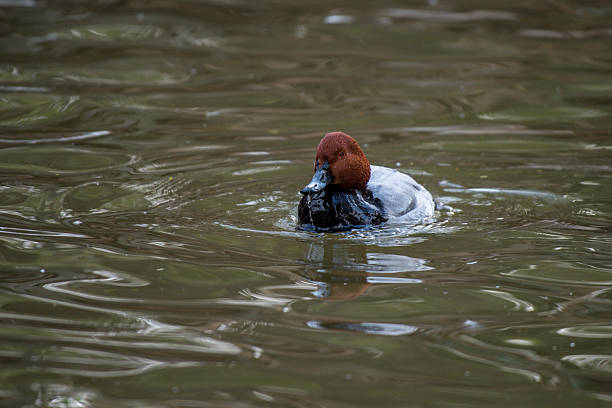
In recent years, urban and suburban homesteading has experienced a surge in popularity. More people are embracing backyard farming, not only as a sustainable lifestyle choice but also as a way to reconnect with nature, produce fresh food, and reduce their environmental footprint. Chickens have long been the go-to poultry for city dwellers, thanks to their relatively quiet nature and egg-laying capabilities. But what about ducks?
Ducks, often overlooked in favor of chickens, offer numerous benefits: they’re hardy, excellent foragers, produce rich eggs, and are highly entertaining to observe. However, one of the most common concerns preventing urbanites from keeping ducks is noise. A common stereotype—one echoed by popular culture—is that ducks are loud, particularly the females. While certain breeds can be noisy, many duck breeds are surprisingly quiet and well-suited for urban or suburban environments.
This comprehensive guide explores the world of quiet duck breeds, offering everything you need to know about selecting, housing, and caring for ducks in close-quarter living situations. From understanding duck vocalizations to choosing the right breed, managing noise levels, and ensuring neighborly harmony, this guide will equip you with the tools and knowledge to successfully keep ducks without becoming the “noisy neighbor.”
Why Choose Ducks Over Chickens?
Before diving into noise management, it’s important to understand why someone might prefer ducks in the first place. Ducks offer several compelling advantages over chickens:
- Higher Egg Production: Many duck breeds lay more eggs annually than the average chicken. For instance, Khaki Campbells and Indian Runners can lay over 300 eggs per year.
- Hardiness in Wet Conditions: Ducks thrive in damp environments and love water, making them ideal for areas with frequent rain or poor drainage—conditions that can be challenging for chickens.
- Natural Pest Control: Ducks are voracious eaters of slugs, snails, mosquitoes, and other garden pests, making them excellent allies in organic gardening.
- Lower Predation Risk: Due to their lower body weight and ability to flatten into grass, ducks are less likely to attract predators like hawks than chickens.
- No Dust Bathing Required: Unlike chickens, ducks don’t create dust baths, which reduces mess in small urban yards.
- Longer Lifespan: Ducks often live 8–12 years (or longer) compared to 5–7 years for most chickens.
However, the primary concern remains noise. A loud duck, especially a female in full quack, can carry for blocks, potentially violating local ordinances or upsetting neighbors. This is where selecting quiet breeds—and understanding duck behavior—becomes crucial.
Understanding Duck Vocalizations: Why Are Ducks Noisy?
To manage noise effectively, it’s important to understand why ducks vocalize in the first place. Unlike chickens, which mostly cluck and crow, ducks communicate through a range of sounds, from the classic quack to whistles, grunts, and honks.
- Females Quack: The loud “quack” commonly associated with ducks is produced almost exclusively by female ducks (hens). Males (drakes) typically make softer, raspy calls.
- Purpose of Quacking:
- Mating Calls: Females often quack loudly after mating.
- Egg-Laying: Many hens quack repeatedly after laying an egg—a behavior known as the “egg song.”
- Attention Seeking: Ducks are social animals and may quack to get attention from humans or flockmates.
- Alarm Calls: When startled, threatened, or sensing danger (a predator, unfamiliar animal, or sudden noise), ducks will alarm-quack.
- Social Bonding: Flock members may vocalize to maintain group cohesion, especially when separated.
It’s worth noting that not all female ducks quack with the same intensity or frequency. Some breeds are inherently quieter, and individual temperaments vary. Quiet breeds have been selectively bred not just for egg production or meat, but for docile, calm dispositions that naturally result in less vocalization.
Factors That Influence Duck Noise Levels
Several factors affect how noisy a duck will be, even within the same breed:
- Breed: Obviously, the most significant factor. Some breeds are genetically predisposed to be quieter.
- Gender: Drakes are almost always quieter than females. If noise is a top concern, consider keeping only drakes—though this means no eggs.
- Number of Ducks: Ducks are social creatures. A single duck may become excessively vocal due to loneliness. However, a group of ducks may also engage in “chorus quacking,” where one starts and others join in.
- Environment: Stressful, confined, or predator-prone environments can increase vocalization. A calm, secure setup promotes quieter behavior.
- Time of Day: Most duck noise occurs in the morning (around egg-laying time) and evening (returning to the coop). Some hens quack for several minutes post-lay.
- Human Interaction: Ducks that are frequently handled, fed on schedule, and have strong bonds with their owners may be quieter due to reduced anxiety.
Top Quiet Duck Breeds for Urban and Suburban Living
Here’s a detailed overview of the quietest duck breeds suitable for city or suburban backyards:
1. Crested Duck
- Origin: Europe
- Temperament: Calm, gentle, and curious
- Noise Level: Low
- Laying Capacity: 100–125 eggs per year
- Egg Color: White to pale blue
- Weight: 5–6 lbs
The Crested Duck stands out not only for its signature feather tuft on the head but also for its exceptionally quiet demeanor. Hens do lay eggs and quack, but the vocalizations are typically soft, brief, and infrequent. Crested ducks are excellent for small spaces and are known to be friendly with children.
Note: The gene responsible for the crest can be lethal in embryos when inherited from both parents. Responsible breeders avoid breeding two crested ducks together.
2. Call Duck
- Origin: Netherlands
- Temperament: Playful, social, and affectionate
- Noise Level: Surprisingly low for a small breed
- Laying Capacity: 60–100 eggs per year
- Egg Color: White
- Weight: 1–1.5 lbs
Despite their tiny size, Call Ducks were historically bred for hunting (to lure in wild ducks), which required loud calls. However, modern domesticated Call Ducks—especially pets and show strains—are much quieter. They do make high-pitched peeping sounds, but nothing that carries far. Their small size makes them ideal for urban coops with limited space. Caution: Some lines can be vocal, so choose breeders known for calm stock.
3. East Indie
- Origin: England
- Temperament: Calm, shy, and discreet
- Noise Level: Very low
- Laying Capacity: 125–150 eggs per year
- Egg Color: White to tinted
- Weight: 3.5–4.5 lbs
The East Indie is a small, compact breed known for its glossy black plumage and quiet disposition. Hens rarely quack loudly and tend to lay eggs without fanfare. They are excellent foragers and adapt well to confined spaces. Their calm nature makes them unobtrusive neighbors—ideal for town lots.
4. Cayuga
- Origin: New York, USA
- Temperament: Peaceful, cold-hardy, and quiet
- Noise Level: Low to moderate
- Laying Capacity: 100–150 eggs per year
- Egg Color: Initially black or dark gray, fading to white
- Weight: 6–7.5 lbs
Cayugas are a classic American breed often described as “gentle giants.” While they can make some noise, especially in spring, their quacks are deeper and less piercing than those of Mallard-derived breeds. They are also quiet foragers and rarely alarm-call without reason. Their striking iridescent black feathers turn silvery with age, adding visual appeal.
5. Magpie Duck
- Origin: England
- Temperament: Friendly, inquisitive, and calm
- Noise Level: Very quiet
- Laying Capacity: 225–275 eggs per year
- Egg Color: White
- Weight: 4.5–6 lbs
The Magpie Duck is a standout for urban keepers: highly productive, small-bodied, and exceptionally quiet. Hens lay prolifically but do so with minimal vocalization. Bred primarily for utility rather than show, Magpies are efficient foragers and thrive in confined runs. Their distinct black-and-white markings make them attractive and easy to identify.
6. Ancona Duck
- Origin: Italy (developed in England)
- Temperament: Active, hardy, and sociable
- Noise Level: Low to moderate
- Laying Capacity: 200–250 eggs per year
- Egg Color: White
- Weight: 5–6 lbs
Anconas are splash-patterned ducks known for their calm egg-laying habits. While not completely silent, their quacks are brief and infrequent. They are excellent foragers and handle confinement well. Their mottled plumage helps them blend into gardens and coops, adding to their unobtrusive nature.
7. Buff Duck
- Origin: England
- Temperament: Sweet-natured, docile, and quiet
- Noise Level: Very low
- Laying Capacity: 150–200 eggs per year
- Egg Color: White
- Weight: 5–6 lbs
The Buff Duck is a golden-colored breed prized for its gentle temperament and minimal noise. Hens are especially quiet and rarely participate in group quacking. Buff ducks are excellent mothers and thrive in backyard settings. Their soft coloration and quiet habits make them a favorite among suburban homesteaders.
8. Welsh Harlequin
- Origin: Wales, UK
- Temperament: Calm, intelligent, and sociable
- Noise Level: Exceptionally quiet (one of the quietest)
- Laying Capacity: 200–300 eggs per year
- Egg Color: White
- Weight: 4–5.5 lbs
Perhaps the quietest breed recommended for urban settings, the Welsh Harlequin is a derivative of the Mallard but selectively bred for docility and silence. Famed for their high egg production and minimal vocalizations, Welsh Harlequins are ideal for noise-sensitive areas. Both males and females are soft-spoken, and hens rarely “sing” after laying. Their light-colored plumage (females are buff-silver, males are pale gray) gives them an elegant appearance.
Breeds to Avoid in Urban Settings
While many ducks are quiet, some are notoriously loud and should be avoided in cities or suburbs:
- Mallards: Wild-type instincts; females quack loudly and frequently.
- Indian Runner Ducks: Exceptionally loud, with a distinctive “yodel” that can carry far.
- Khaki Campbells: Excellent layers, but females can be quite vocal, especially post-lay.
- Pekin Ducks: While common, Pekins are known for loud, raspy quacks that are intrusive in close quarters.
If you’re attracted to high-egg-producing breeds like Khaki Campbells, consider quieter varieties such as the Welsh Harlequin or Magpie as alternatives.
Tips for Minimizing Duck Noise in Urban Environments
Even with a quiet breed, proper management can further reduce noise. Consider the following strategies:
1. Keep Only Drakes (Males)
Drakes are naturally quieter and do not lay eggs (so no post-lay quacking). While you won’t get eggs, drakes can be delightful pets. They often form strong bonds with humans and are less likely to call out needlessly.
2. Provide a Secure, Comfortable Coop
A stressed or anxious duck is a noisy duck. Ensure your coop is:
- Predator-proof (use hardware cloth, secure locks)
- Well-ventilated but draft-free
- Dark and quiet inside to encourage calm laying
- Equipped with nesting boxes filled with straw or shavings
Ducks prefer privacy when laying, so enclosed nesting areas reduce stress and the urge to call for attention.
3. Offer a Water Source, But Manage It Wisely
Ducks love water for drinking, bathing, and feeding. However, a large pond or pool can attract wild birds, which may startle your ducks and provoke alarm calls. Use small, movable kiddie pools that can be emptied daily (to prevent mosquitoes).
Ensure water is available during the day but consider removing it at night to reduce nighttime noise from splashing or feeding.
4. Establish a Routine
Ducks thrive on routine. Feed them at consistent times, collect eggs regularly, and maintain a predictable schedule. A predictable environment reduces stress-induced vocalizations.
5. Avoid Overcrowding
Overcrowding leads to stress and aggression, which can trigger loud calling. Provide at least 4–5 square feet per duck inside the coop and 10–15 square feet in the run.
6. Use Sound Barriers
Plant hedges, build wooden fences, or install sound-absorbing panels around your duck area. Dense vegetation like bamboo or privacy trees can muffle sound significantly.
7. Collect Eggs Frequently
Hens are more likely to quack after laying if the egg remains in the nest. Daily (or twice-daily) egg collection reduces the “egg song” and discourages loud behavior.
8. Avoid Mixed Flocks with Loud Breeds
Even a single loud duck can trigger chain reactions. Keep quiet breeds together and avoid mixing with noisy species like Indian Runners or Mallards.
9. Train with Positive Reinforcement
Believe it or not, ducks can be conditioned. When a duck starts to quack excessively, calmly distract them with food or a change of environment. Over time, they may associate silence with positive outcomes.
10. Monitor for Health Issues
Sick or injured ducks may vocalize more due to discomfort. Regular health checks can prevent noise caused by underlying problems.
Legal and Neighborly Considerations
Before getting ducks, research your local zoning laws and HOA (Homeowners Association) rules. Many cities allow chickens but restrict or prohibit ducks. Others have noise ordinances that may apply to poultry.
Check for:
- Permits or licenses required
- Limits on the number of birds
- Coop placement (distance from property lines)
- Noise restrictions (especially early morning)
Even if legal, neighbor relations are key. Consider the following:
- Talk to Neighbors First: Inform them of your plans, emphasize that you’re choosing quiet breeds, and assure them you’ll manage noise.
- Share Eggs: Building goodwill goes a long way. A dozen fresh duck eggs can be a great peace offering.
- Install Fencing: A well-built, attractive fence keeps ducks in and reduces visual and noise impact.
- Limit Morning Noise: Since most quacking occurs in the morning, ensure your coop is insulated and ducks are fed early to reduce vocal demands.
Coop and Run Design for Noise Reduction
A thoughtfully designed duck space can minimize noise and maximize comfort:
Coop Features:
- Insulated Walls: Use wood or straw bales to muffle sound.
- Dark, Private Nesting Boxes: Place boxes in corners or behind partitions to encourage quiet laying.
- Solid Roof: Prevents rain noise and overhead disturbances that trigger quacking.
- Automatic Door: Opens at sunrise, reducing early-morning human interaction that might stimulate noise.
Run Design:
- Partially Covered Run: A roofed section protects from rain and overhead predators, reducing alarm calls.
- Grass or Mulch Flooring: Softer than bare ground, reduces noise from movement.
- Water Station in a Corner: Locate it away from property lines to minimize splashing noise reaching neighbors.
Sound-Dampening Additions:
- Wooden Windbreaks: Install panels between the coop and neighbor’s yard.
- Waterfall or Fountain: Mask duck noises with pleasant white noise (if permitted).
Feeding and Care for Quiet, Happy Ducks
A balanced diet reduces stress and supports health:
- Starter Feed: 18–20% protein for ducklings (crumbles or mash, not medicated chick feed).
- Grower and Layer Feed: 16–18% protein for adults; add niacin (from brewer’s yeast) for leg health.
- Grit and Calcium: Provide free-choice oyster shell and insoluble grit.
- Fresh Greens and Forage: Let ducks graze on grass, weeds, and safe garden scraps.
- Clean Water: Always have fresh, clean water—shallow dishes are safest for ducklings.
Limit treats like bread; instead, offer mealworms, peas, or chopped vegetables.
Ducks need about 14 hours of light to lay eggs consistently. In winter, consider a low-wattage red heat lamp or timer-controlled light—but avoid bright white lights that may disturb neighbors.
Health and Hygiene
Quiet ducks are often healthy ducks. Monitor for:
- Bumblefoot: A bacterial infection caused by rough surfaces; keep bedding dry and clean.
- Respiratory Infections: Ensure good ventilation without drafts.
- Internal Parasites: Deworm every 6–12 months.
- Wet Feather: Caused by lack of preen gland oil; ensure access to water for bathing.
Clean the coop weekly and deep-litter monthly. Remove wet bedding promptly to prevent ammonia buildup, which can irritate respiratory systems and increase vocalizations.
Special Considerations: Raising Ducklings in the City
Raising ducklings requires extra attention to noise and safety:
- Indoor Brooder: Use a spare room, garage, or shed with a plastic tub and heat lamp.
- Noise: Ducklings peep constantly. Use a towel over the brooder to muffle sound.
- Heat and Space: Maintain 90°F initially, dropping 5°F weekly. Provide space to move.
- Water Access: Use shallow dishes to prevent drowning.
Once they’re feathered (6–8 weeks), they can move outside—but only if temperatures are warm and predators are controlled.
The Emotional and Psychological Benefits of Quiet Ducks
Beyond eggs and pest control, quiet ducks can enhance quality of life:
- Companionship: Ducks are affectionate and can form deep bonds with humans.
- Stress Relief: Watching ducks waddle and forage is calming and therapeutic.
- Educational Value: Great for teaching children responsibility and animal care.
- Sustainability: Reduce food waste by feeding scraps and produce eggs without factory farming.
Quiet ducks integrate seamlessly into urban life, offering rewards without disruption.
Real-Life Success Stories
Case Study 1: In Portland, Oregon, a couple kept four Welsh Harlequin ducks in a 300 sq ft backyard. With a fully enclosed, insulated coop and a daily egg-collection routine, neighbors reported hearing only occasional soft quacks. The ducks produced over 900 eggs in a year with zero noise complaints.
Case Study 2: A Toronto family raised three Buff Ducks in a suburban cul-de-sac. By placing the run behind a cedar hedge and removing the water bowl at night, they maintained harmony with neighbors. Their 8-year-old daughter bonded with the drake, who followed her around like a puppy.
Conclusion
Ducks don’t have to be loud. With the right breed, proper setup, and attentive care, you can enjoy the many benefits of backyard ducks—even in dense urban or suburban neighborhoods. Quiet breeds like the Welsh Harlequin, Magpie, and East Indie are not only peaceful companions but also productive, hardy, and delightful to keep.
The key is education, preparation, and respect for your environment. By choosing quiet ducks, managing their habitat, and building strong community relationships, you can create a peaceful, sustainable homestead that enriches your life—and doesn’t disturb your neighbors.
Whether you’re drawn to ducks for their eggs, personality, or ecological benefits, don’t let noise myths hold you back. With this guide, you’re ready to raise a quiet, thriving duck flock in any city backyard.
#QuietDuckBreeds, #UrbanDucks, #BackyardDucks, #SuburbanHomesteading, #DuckKeeping, #QuietPoultry, #BackyardFarm, #DuckEggs, #SustainableLiving, #UrbanHomesteader, #DuckCoop, #DuckCare, #DuckLife, #PetDucks, #DuckLovers, #CityChickensAlternative, #DuckForaging, #DuckNoiseControl, #EcoFriendlyLiving, #DuckMom, #DuckKeeper, #DuckLove, #DuckRoutine, #DuckHabitat, #DuckTips, #DuckTraining, #DuckHealth, #DuckBehavior, #DuckBreeds, #WelshHarlequinDucks
Add comment