
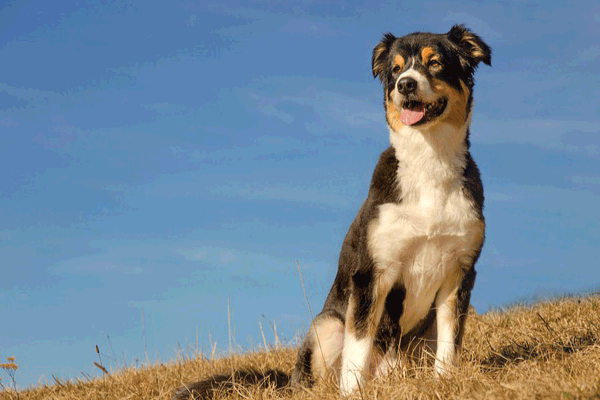
Ragweed, a common and widespread plant, is a notorious trigger for seasonal allergies in humans. What many dog owners may not realize is that their canine companions can also suffer from the same environmental irritants. Ragweed pollen, released into the air during the late summer and fall months, can wreak havoc on a dog’s immune system, leading to a range of uncomfortable and sometimes severe allergic reactions. This comprehensive guide will delve deep into the world of ragweed allergies in dogs, providing owners with the knowledge and tools to identify, manage, and alleviate their pet’s suffering.
Understanding Ragweed and Its Allergenic Properties
Ragweed (Ambrosia spp.) is a genus of annual herbaceous plants native to the Americas. There are several species of ragweed, all of which produce abundant amounts of lightweight, wind-borne pollen. This pollen is easily inhaled by animals and humans, and for individuals with a predisposition, it can trigger an overreaction by the immune system.
The immune system’s role is to protect the body from harmful invaders like bacteria and viruses. However, in allergic individuals, the immune system mistakenly identifies harmless substances, such as ragweed pollen, as threats. This triggers a cascade of inflammatory responses. Antibodies, specifically IgE (immunoglobulin E), are produced against the ragweed allergen. When the dog is re-exposed to ragweed pollen, these IgE antibodies bind to mast cells, which are immune cells found in connective tissues. This binding causes the mast cells to release histamine and other inflammatory mediators. These chemicals are responsible for the classic allergy symptoms we associate with hay fever, and in dogs, they manifest as skin irritation, itching, and respiratory issues.
The peak season for ragweed pollen typically runs from August through October, though this can vary depending on geographical location and specific weather patterns. Dry, windy days are particularly conducive to pollen dispersal, making those days the most challenging for allergic dogs.
Recognizing the Signs and Symptoms of Ragweed Allergies in Dogs
Ragweed allergies in dogs often present with a constellation of symptoms, primarily affecting the skin and respiratory system. It’s crucial for dog owners to be observant and recognize these signs to seek timely veterinary attention.
Dermatological Manifestations (Skin-Related Symptoms):
- Intense Itching (Pruritus): This is the hallmark symptom of environmental allergies in dogs. The itching is often generalized, meaning it affects the entire body, but it can also be localized to specific areas. Dogs may scratch incessantly, chew at their paws, lick their flanks, rub their faces on furniture, or scoot their hindquarters on the ground. This relentless itching can lead to secondary infections and further discomfort.
- Redness and Inflammation of the Skin (Erythema): The skin, particularly in areas where the dog excessively scratches or licks, will often appear red and inflamed. This is a direct result of the inflammatory response triggered by histamine and other mediators.
- Hair Loss (Alopecia): Chronic scratching and licking can cause hair to break off or be pulled out, leading to bald patches. This can be unsightly and further expose the irritated skin to allergens and potential infection.
- Hot Spots (Acute Moist Dermatitis): These are localized areas of intense inflammation, redness, and moisture, often with oozing and crusting. Hot spots can develop rapidly and are extremely painful for the dog. They are commonly found on the face, neck, chest, hips, and paws.
- Secondary Skin Infections: The compromised skin barrier due to scratching and inflammation makes dogs susceptible to bacterial and yeast infections. These infections can exacerbate itching and inflammation, creating a vicious cycle. Look for pustules, crusts, greasy fur, and a foul odor.
- Paw Licking and Chewing: Paws are a common target for allergens and subsequent itching. Dogs may incessantly lick or chew their paws, leading to redness, swelling, and even open sores. The saliva itself can also cause irritation.
- Ear Infections (Otitis Externa): The inflammation associated with allergies can extend to the ear canals, leading to recurrent or chronic ear infections. Symptoms include head shaking, scratching at the ears, redness inside the ear canal, an unusual odor, and discharge.
- Facial Itching and Rubbing: Dogs with ragweed allergies often experience intense itching around their face, muzzle, and eyes. This leads to rubbing their face on carpets, furniture, or the owner’s legs.
Respiratory Manifestations (Less Common but Possible):
While skin issues are more prevalent, some dogs can experience respiratory symptoms due to ragweed pollen inhalation:
- Sneezing: Frequent or persistent sneezing, especially during periods of high pollen count.
- Runny Nose (Rhinorrhea): A clear or mucous discharge from the nose.
- Watery Eyes (Conjunctivitis): Red, irritated eyes with a clear discharge.
- Coughing or Wheezing: In more severe cases, inflammation of the airways can lead to coughing or wheezing, although this is less common than in human allergies.
Distinguishing Ragweed Allergies from Other Conditions
It’s crucial to remember that many of the symptoms of ragweed allergies can overlap with other canine health issues. Therefore, a definitive diagnosis by a veterinarian is essential. Some conditions that can mimic ragweed allergies include:
- Flea Allergy Dermatitis: This is an allergic reaction to flea saliva. It is one of the most common allergies in dogs and can cause intense itching, hair loss, and skin lesions, often concentrated around the hindquarters and tail base.
- Food Allergies: Reactions to ingredients in a dog’s diet can manifest with similar skin and gastrointestinal symptoms. This is diagnosed through an elimination diet trial.
- Contact Allergies: Reactions to substances the dog directly touches, such as certain fabrics, cleaning products, or plants.
- Parasitic Infestations: Mites (like scabies or demodex) and lice can cause intense itching and skin irritation.
- Bacterial or Fungal Infections: As mentioned, these can occur secondarily to allergies or as primary conditions.
- Other Environmental Allergens: Pollen from other plants (grasses, trees), mold spores, and dust mites can also cause similar allergic reactions.
The Diagnostic Process: How Veterinarians Identify Ragweed Allergies
Diagnosing ragweed allergies in dogs involves a systematic approach by a veterinarian. The process typically includes:
- Thorough Medical History and Physical Examination: Your veterinarian will ask detailed questions about your dog’s symptoms, diet, environment, and any previous health issues. A comprehensive physical examination will assess the skin, coat, ears, and overall health of your dog, looking for specific patterns of lesions, inflammation, and signs of secondary infections.
- Ruling Out Other Causes: Before concluding it’s an environmental allergy, the veterinarian will systematically rule out other potential causes. This may involve:
- Flea Comb and Skin Scrape: To check for fleas, flea dirt, and skin mites.
- Fungal Culture/Microscopic Examination: To identify or rule out ringworm or yeast infections.
- Bacterial Culture and Sensitivity: To identify specific bacteria and determine the most effective antibiotics.
- Allergy Testing: If environmental allergies are suspected, allergy testing is the next step. There are two primary methods:
- Intradermal Allergy Testing (Skin Testing): This is considered the gold standard for diagnosing environmental allergies. Under sedation or light anesthesia, small amounts of various allergens, including ragweed, are injected just under the skin. The veterinarian then observes the skin for reactions (redness and swelling) at the injection sites. This test helps identify specific allergens that trigger a reaction in your dog.
- Serum Allergy Testing (Blood Testing): A blood sample is taken and sent to a laboratory to measure the levels of IgE antibodies specific to various allergens, including ragweed. While generally less precise than intradermal testing, it is less invasive and can be a good option for some dogs.
- Response to Treatment as a Diagnostic Tool: Sometimes, a veterinarian might initiate treatment for suspected allergies and observe the dog’s response. For example, if a dog shows significant improvement on a hypoallergenic diet, food allergies might be suspected. If symptoms worsen during ragweed season and improve outside of it, environmental allergies are strongly considered.
Management and Treatment Strategies for Ragweed Allergies
Once ragweed allergies are diagnosed, the goal of management is to control symptoms, improve the dog’s quality of life, and prevent complications. There is no cure for allergies, but they can be effectively managed. Treatment strategies are multifaceted and often involve a combination of approaches:
1. Allergen Avoidance (Where Possible):
While complete avoidance of ragweed pollen is impossible, owners can implement strategies to minimize exposure:
- Limit Outdoor Exposure During Peak Pollen Times: Keep your dog indoors as much as possible during the late summer and fall, especially on dry, windy days when pollen counts are high.
- Avoid Exercising During Peak Pollen Hours: The highest pollen concentrations are typically in the morning. Consider walks in the early evening or after rain.
- Close Windows and Use Air Conditioning: If possible, keep your home’s windows closed during ragweed season to prevent pollen from entering. Air conditioning with a HEPA filter can help trap pollen.
- Wipe Down Your Dog After Outdoor Excursions: Use a damp cloth or pet-specific wipes to remove pollen from your dog’s fur and skin after they’ve been outside. Pay special attention to their paws, face, and belly.
- Bathe Your Dog Regularly: Frequent bathing with a hypoallergenic or medicated shampoo can help remove allergens from the skin and soothe irritation.
2. Medical Management:
Veterinarians have a range of medications to control the inflammatory response and alleviate symptoms:
- Antihistamines: While not as effective in dogs as in humans, some antihistamines can be helpful for mild allergies. Your vet will recommend specific types and dosages.
- Corticosteroids (Steroids): These are potent anti-inflammatory medications that can provide rapid relief from severe itching and inflammation. They can be administered orally, topically, or via injection. However, long-term steroid use is associated with significant side effects, so they are typically used for short-term relief or in conjunction with other therapies.
- Apoquel (Oclacitinib): This is a targeted medication that specifically blocks the itch signals in the skin, offering relief without the widespread side effects of steroids. It is often a first-line treatment for allergic itching.
- Cytopoint (Canine Monoclonal Antibody Therapy): This is an injectable medication that targets a key protein in the itch pathway. It provides long-lasting relief for many dogs, often administered every 4-8 weeks.
- Immunosuppressants (e.g., Cyclosporine): For severe allergies that don’t respond well to other treatments, immunosuppressants can be used to modulate the immune system’s response. These medications require careful monitoring.
- Topical Treatments: Medicated shampoos, conditioners, sprays, and lotions containing oatmeal, anti-itch ingredients, or antimicrobials can provide localized relief and help manage secondary infections.
3. Immunotherapy (Allergy Shots or Oral Drops):
This is the most targeted and long-term treatment for environmental allergies. Based on the results of allergy testing, a customized series of injections (allergy shots) or oral drops containing small amounts of the identified allergens is created. The goal is to gradually desensitize the dog’s immune system to the allergens, reducing the severity of their allergic reactions over time. This is a commitment, as it often takes several months to a year to see significant improvement, and ongoing maintenance therapy is usually required.
4. Managing Secondary Infections:
Since skin infections are common, prompt treatment is crucial:
- Antibiotics: For bacterial infections.
- Antifungals: For yeast infections.
- Antiseptic shampoos and wipes: To help cleanse and disinfect the skin.
5. Nutritional Support and Supplements:
- Omega-3 Fatty Acids: These essential fatty acids have anti-inflammatory properties and can help improve skin barrier function and reduce itching. They are often recommended as a supplement.
- Probiotics: A healthy gut microbiome can play a role in overall immune health, and some believe probiotics may indirectly benefit allergy sufferers.
Living with a Dog with Ragweed Allergies: Tips for Owners
Managing a dog with ragweed allergies requires patience, commitment, and a proactive approach. Here are some tips to help you navigate this challenge:
- Be a Detective: Keep a log of your dog’s symptoms, noting when they worsen or improve, and correlating it with pollen counts, weather, and your dog’s activities. This information is invaluable for your veterinarian.
- Communicate with Your Vet: Maintain an open and honest dialogue with your veterinarian. Don’t hesitate to ask questions or express concerns.
- Administer Medications as Prescribed: It’s crucial to follow your vet’s instructions for all medications. Don’t skip doses or stop treatment prematurely, even if your dog seems better.
- Be Patient with Treatment: Allergy management is often a journey, not a sprint. It can take time to find the right combination of treatments that works best for your dog.
- Maintain a Clean Environment: Regularly vacuum carpets and furniture, wash bedding, and keep your dog’s living areas clean to minimize dust and other potential allergens.
- Consider Professional Grooming: Regular professional grooming can help keep your dog’s coat clean and free of allergens.
- Recognize the Signs of Relapse: Be vigilant for any return of symptoms and contact your vet promptly.
- Focus on Quality of Life: While allergies can be frustrating, remember that with proper management, your dog can still live a happy and comfortable life. Celebrate the good days and focus on providing them with love and support.
Prevention: Can Ragweed Allergies in Dogs Be Prevented?
Unfortunately, genetic predisposition plays a significant role in the development of allergies, making it difficult to “prevent” ragweed allergies altogether. If a dog is genetically prone to allergies, exposure to ragweed pollen will likely trigger a reaction.
However, for puppies, early and consistent grooming practices and maintaining a healthy diet rich in omega-3 fatty acids might contribute to a healthier skin barrier, potentially making them slightly more resilient. But these are not guaranteed preventative measures. The focus remains on early identification and management once symptoms appear.
The Impact of Ragweed Allergies on a Dog’s Well-being
Ragweed allergies can significantly impact a dog’s quality of life and, if left untreated, can lead to serious health issues.
- Physical Discomfort: The constant itching, skin lesions, and potential ear infections cause significant physical discomfort and pain.
- Emotional Distress: Chronic discomfort can lead to anxiety, irritability, and a reduced willingness to engage in activities they once enjoyed.
- Behavioral Changes: Dogs may become withdrawn, lethargic, or even aggressive due to their discomfort. Destructive behaviors like excessive chewing or scratching can also arise.
- Secondary Health Problems: Untreated skin infections can become chronic and difficult to manage, potentially leading to systemic infections in severe cases.
- Financial Burden: Managing chronic allergies can be expensive, involving regular vet visits, medications, specialized foods, and ongoing treatments.
Conclusion: A Partner in Your Dog’s Comfort
Ragweed allergies in dogs are a common and challenging condition, but with a comprehensive understanding and a proactive approach, owners can significantly improve their canine companion’s well-being. By recognizing the signs, working closely with a veterinarian for accurate diagnosis, and diligently implementing management strategies, you can help your dog navigate the itchy, uncomfortable world of seasonal allergies. Remember that you are your dog’s advocate, and your commitment to their health will ensure they can enjoy their lives to the fullest, even during the height of ragweed season.
#RagweedAllergiesInDogs, #CanineAllergies, #DogAllergies, #DogHayFever, #SeasonalAllergiesInDogs, #ItchyDog, #DogSkinProblems, #DogDermatology, #DogHealth, #PetHealth, #CanineHealth, #AllergySeason, #DogOwners, #DogLove, #VetMed, #VeterinaryCare, #DogWellness, #Apoquel, #Cytopoint, #ImmunotherapyForDogs, #AllergyShots, #DogTips, #PetCare, #PuppyLove, #DogLife, #RagweedPollen, #ManagingDogAllergies, #HelpMyDogStopItching, #SummerAllergies, #FallAllergies.







Add comment