
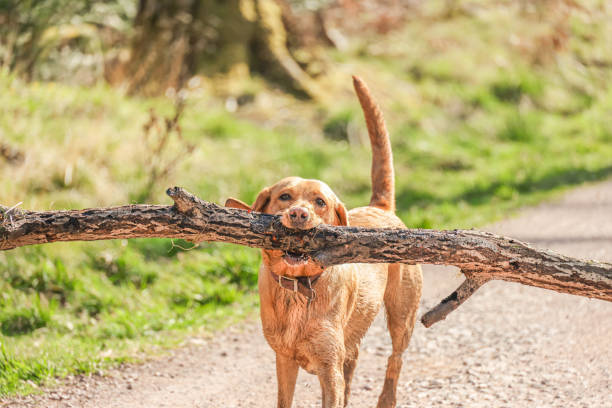
The joyous wag of a tail, the eager glint in their eyes, the perfect execution of a “sit” – these are the hallmarks of a well-trained dog. But what if you could elevate that training, transforming everyday commands into a thrilling, collaborative sport that strengthens your bond and challenges your canine companion? Welcome to the captivating world of Rally Obedience.
Rally Obedience, often simply called “Rally,” is a relatively new dog sport that has rapidly gained popularity for its accessibility, fun factor, and emphasis on positive reinforcement. It’s a fantastic bridge between basic obedience and more complex canine activities, making it an ideal pursuit for dogs of all breeds, ages, and skill levels. This comprehensive guide will delve into the heart of Rally Obedience, exploring its core principles, how to get started, and how to master the skills that will have you and your dog navigating the course with confidence and joy.
What is Rally Obedience?
At its essence, Rally Obedience is a canine sport that combines elements of traditional obedience with navigation and teamwork. Unlike traditional obedience trials where exercises are performed in a static pattern, Rally features a course of numbered “stations” – typically 10 to 20 – laid out in a ring. Each station presents a specific obedience exercise or a directional command. The handler and dog team navigate the course, performing the exercise at each station in the order indicated by a sign.
The beauty of Rally lies in its positive and encouraging atmosphere. While precision is rewarded, the focus is on clear communication, teamwork, and having fun. Handlers are encouraged to praise and encourage their dogs throughout the course, creating a joyous and collaborative experience. It’s not about harsh corrections or robotic execution, but rather about a partnership where both dog and handler understand and anticipate each other’s cues.
The Philosophy Behind Rally Obedience
Rally Obedience was developed by Charles L. (Bud) Kramer in 2000 as a way to make obedience training more engaging and accessible to the average dog owner. His vision was to create a sport that:
- Emphasized Positive Reinforcement: Rally heavily relies on positive training methods, rewarding desired behaviors with praise, treats, and toys. This approach builds trust and strengthens the bond between dog and handler.
- Made Obedience Fun: Traditional obedience can sometimes feel repetitive. Rally injects an element of playfulness and excitement, turning training into an enjoyable activity.
- Promoted Communication and Teamwork: Navigating the course requires clear communication between handler and dog. They must work together, anticipating each other’s moves and understanding the subtle cues that lead to success.
- Was Accessible to All: Rally can be adapted for dogs of various breeds, ages, and physical abilities. It doesn’t require highly specialized skills or equipment, making it a sport that almost any dog and owner can participate in.
- Introduced Dogs to Trialing: For owners interested in competing in dog sports, Rally provides a gentle introduction to the trial environment, helping dogs become comfortable with crowds, judges, and flowing sequences of commands.
Key Principles of Rally Obedience
Understanding the core principles of Rally will lay a strong foundation for your training journey. These include:
- Positive Reinforcement: As mentioned, this is paramount. Reward every correct response with enthusiastic praise, a favorite treat, or a brief play session. The goal is to make training a positive experience for both dog and handler.
- Clear Communication: Rally relies on precise verbal cues and body language. Your dog needs to understand your commands, and you need to be able to deliver them clearly and consistently.
- Teamwork: Rally is a partnership. You and your dog are a team, working together to achieve a common goal. This involves building trust, understanding each other’s signals, and enjoying the process together.
- Progressive Training: Start with basic exercises and gradually build up complexity. Don’t rush the process. Celebrate small victories and ensure your dog understands each step before moving on.
- Fun and Engagement: The ultimate goal of Rally is to have fun! Keep training sessions short, upbeat, and engaging for your dog. If either of you is becoming frustrated, it’s time to take a break.
Getting Started with Rally Obedience
Embarking on your Rally Obedience journey is an exciting prospect. Here’s a step-by-step guide to help you begin:
1. Assess Your Dog’s Current Obedience Level:
While Rally can be adapted for all dogs, a basic understanding of foundational obedience commands is beneficial. Does your dog reliably:
- Sit?
- Stay?
- Down?
- Come when called?
- Walk on a loose leash?
If your dog has these basics down, you’re already well on your way! If not, start by reinforcing these fundamental commands using positive reinforcement methods.
2. Find a Rally Obedience Class or Instructor:
The best way to learn Rally is under the guidance of an experienced instructor. Look for classes offered by:
- Local Dog Training Clubs: Many clubs offer Rally classes for various levels.
- Professional Dog Trainers: Certified professional dog trainers often incorporate Rally into their curriculum.
- Kennel Clubs: Organizations like the American Kennel Club (AKC) often have lists of affiliated clubs that offer training.
A good instructor will:
- Teach you the specific Rally exercises and rules.
- Help you develop effective training techniques.
- Provide feedback on your progress.
- Introduce you to the trial environment in a supportive way.
3. Understand the Rally Levels and Exercises:
Rally is typically divided into multiple levels, each increasing in difficulty and introducing new exercises. The most common levels are:
- Level 1 (Novice): Focuses on basic obedience exercises performed at a walk. Examples include:
- Station 1: Sit – Stay: Dog sits and stays while the handler walks a short distance away, then returns.
- Station 2: Down – Stay: Dog lies down and stays while the handler walks a short distance away, then returns.
- Station 3: Right Turn/Left Turn: Dog performs a standard turn.
- Station 4: Sit – Proceed: Dog sits when cued, then proceeds when cued.
- Station 5: 180 Degree Turn: Dog turns 180 degrees with the handler.
- Station 6: Halt – Sit: Dog halts, then sits.
- Loose Leash Walking: Dog walks on a loose leash without pulling.
- Level 2 (Advanced): Introduces more complex exercises and deviations from the straight path. Examples might include:
- Forward, Sit, Down, Stay: A sequence of commands.
- Send Away to Down: Dog is sent to a designated spot and told to lie down.
- Pivot Right/Left: Handler pivots, and the dog follows.
- Single Jump: Dog jumps over a low jump.
- Level 3 (Excellent): Features challenging sequences, longer stays, and more demanding exercises. Examples might include:
- Multiple Jumps: A sequence of jumps.
- Retrieve on Command: Dog retrieves a dumbbell.
- Stand for Examination: Dog stands calmly for a simulated examination.
- Long Down Stay: A longer duration down stay.
Each organization that sanctions Rally trials (e.g., AKC, UKC, Canine Good Citizen) might have slight variations in their exercise lists and specific rules. It’s important to familiarize yourself with the rules of the organization you intend to compete with.
4. Gather Essential Equipment:
You won’t need much to start:
- A Well-Fitting Collar or Harness: Choose something comfortable and secure for your dog. A flat buckle collar or a comfortable harness is usually ideal. Avoid choke chains or prong collars, as they are counterproductive to the positive reinforcement philosophy of Rally.
- A Leash: A standard 6-foot leash is typically used for Rally. Avoid retractable leashes, as they can be difficult to control and can create a loose leash.
- High-Value Treats: Small, soft, and highly palatable treats that your dog loves. These are your primary reward tools.
- A Treat Pouch: A convenient way to keep treats readily accessible.
- A Clicker (Optional but Recommended): If you use clicker training, a clicker can be a precise way to mark desired behaviors.
5. Practice Rally Exercises at Home:
Once you have a grasp of the exercises, start practicing them in a familiar environment.
- Break Down Exercises: Don’t try to do a full Rally course right away. Focus on one or two exercises at a time. Break them down into smaller, manageable steps.
- Use Cones: Set up cones to mimic stations and practice navigating the imaginary course.
- Practice Loose Leash Walking: This is a foundational skill that is crucial for all Rally levels.
- Reward Effort: Even if your dog doesn’t perform perfectly, reward their effort and willingness to try.
- Keep it Fun: Short, frequent training sessions are more effective than long, infrequent ones. End each session on a positive note.
Mastering Key Rally Skills
While each Rally exercise has its own nuances, several core skills are essential for success across all levels:
1. Loose Leash Walking:
This is the cornerstone of Rally. Your dog should walk beside you on a loose leash, without pulling ahead or lagging behind.
- How to Train: Start by rewarding your dog for walking with a loose leash. If they pull, stop moving. Only resume walking when the leash slackens. Gradually increase the duration and distance. Use verbal cues like “Heel” or “With Me” once they understand the concept.
2. Sit, Down, and Stay:
These are fundamental obedience commands that form the basis of many Rally exercises.
- How to Train:
- Sit: Lure your dog into a sit position with a treat. As they sit, say “Sit” and reward them. Gradually fade the lure and rely on the verbal cue and hand signal.
- Down: From a sit, lure your dog down by moving a treat from their nose towards the floor between their paws. As they lie down, say “Down” and reward them.
- Stay: Once your dog reliably sits or lies down, introduce the “Stay” cue. Start with short durations and minimal distance. Gradually increase both. Use a clear hand signal (e.g., an open palm facing your dog) and the verbal cue “Stay.”
3. Turns and Pivots:
Rally courses involve a variety of turns, from simple 45-degree turns to 180-degree pivots.
- How to Train:
- Turns: With your dog on leash, practice guiding them through gentle turns. Reward them when they follow your movement smoothly.
- Pivots: Teach your dog to move around your body. Start by luring them in a small circle. Gradually increase the size of the circle and associate it with a verbal cue like “Pivot” or “Around.”
4. Coming When Called (Recall):
A reliable recall is vital for safety and for certain Rally exercises like “Send Away to Down.”
- How to Train: Make coming to you the most rewarding thing your dog can do. Use high-value treats and enthusiastic praise. Never call your dog to punish them. Start in a quiet area and gradually increase distractions.
5. Engagement and Focus:
This is perhaps the most crucial element of Rally. Your dog needs to be engaged with you and focused on the task at hand, even with distractions.
- How to Train:
- Eye Contact: Reward your dog for looking at you.
- Interactive Games: Play games that encourage focus, like “find it” or “tug.”
- Vary Training Locations: Practice in different environments to help your dog generalize their training.
- Keep Sessions Short and Fun: End training before your dog gets bored or frustrated.
Understanding Rally Signs and Navigation
Each Rally course is marked by numbered signs that indicate the exercises. Understanding these signs is critical for successful navigation.
- Sign Placement: Signs are typically placed at an angle, facing the handler.
- Reading the Course: Before starting, you’ll usually have a chance to walk the course without your dog to familiarize yourself with the order of the signs.
- Execution of Exercises: The sign clearly depicts the exercise to be performed. For example, a sign might show a dog in a sit position, indicating that you should have your dog sit at that station.
- Directional Cues: Many signs also include directional arrows, indicating whether to turn right, left, or proceed straight.
Rally Trials: The Thrill of Competition
Once you and your dog have a solid understanding of the exercises and are consistently performing well, you might consider entering a Rally trial.
- What to Expect:
- Pre-Trial Preparation: Familiarize yourself with the specific rules and guidelines of the sanctioning organization.
- The Course Walk-Through: You’ll typically have an opportunity to walk the course without your dog to plan your route and strategy.
- The Performance: You and your dog will enter the ring and proceed through the course, performing the exercises at each station.
- Judging: A judge will observe your performance, assessing your execution of the exercises, your teamwork, and your dog’s overall attitude.
- Scoring: Each exercise has a point value. Penalties are given for errors, such as incorrect execution, barking, pulling, or not performing an exercise.
- Positive Atmosphere: Rally trials are generally more relaxed and encouraging than traditional obedience trials. Judges understand that it’s a team effort and will often offer gentle guidance to novice handlers.
- Benefits of Trialing:
- Goal Setting: Trials provide a tangible goal for your training.
- Experience: They offer valuable experience in a trial environment, helping your dog become desensitized to the setup.
- Feedback: You receive objective feedback on your progress from a judge.
- Community: You’ll meet like-minded individuals and build connections within the dog training community.
- Fun and Accomplishment: The satisfaction of completing a course with your dog is immense.
Common Challenges and How to Overcome Them
Even with the best intentions, you might encounter some common hurdles in your Rally training:
- Dog Lacks Focus:
- Solution: Increase the value of your rewards. Shorten training sessions. Practice in less distracting environments first. Use attention-building games.
- Dog Pulls on the Leash:
- Solution: Go back to basics with loose leash walking training. Stop and wait for slack. Reward for correct walking. Use a front-clip harness if necessary.
- Difficulty with Specific Exercises:
- Solution: Break down the exercise into smaller steps. Seek guidance from a Rally instructor. Focus on building the foundational skills needed for that exercise.
- Handler Anxiety:
- Solution: Practice, practice, practice! The more comfortable you are with the exercises, the more confident you will be. Remember that Rally is about having fun and building your partnership. Focus on your dog, not the judge or other competitors.
Advancing Your Rally Journey
Once you’ve mastered the basics and perhaps earned some titles, you can continue to advance your Rally journey:
- Higher Levels: Progress through Novice, Advanced, and Excellent levels.
- Different Organizations: Consider competing with different sanctioning bodies (e.g., AKC, UKC) to experience their unique rules and exercises.
- Rally FrEe Style: A more creative and freestyle version of Rally where handlers choreograph sequences and music is often used.
- Rally Obedience Champion Titles: Aim for championship titles that signify mastery of the sport.
Conclusion: A Rewarding Path for You and Your Dog
Rally Obedience offers a remarkably rewarding and enjoyable path for dog training. It’s a sport that celebrates the bond between humans and their canine companions, transforming everyday obedience into an active, engaging, and collaborative adventure. Whether you aspire to compete at the highest levels or simply want to strengthen your relationship with your dog through fun and positive training, Rally provides a welcoming and accessible arena.
By understanding the core principles, dedicating time to practice, and embracing the positive and encouraging spirit of the sport, you and your dog can embark on a thrilling journey of teamwork, communication, and shared success. So, leash up, grab those treats, and get ready to turn those household commands into the foundation of your next great adventure – Rally Obedience!
#RallyObedience #DogTraining #CanineSports #ObedienceTraining #PositiveReinforcement #DogSports #DogLife #DogHandler #DogTeam #RallyDog #DogCommunity #AKCRally #UKCRally #DogTricks #FunWithDogs #DogLove #TrainingMyDog #DogAdventures #CanineCompanion #DogSkills #SmartDog #DogGoals #BestDog #DogsofInstagram #InstaDog #Dogstagram #YouTubeDogs #DogTrainingTips





Add comment