
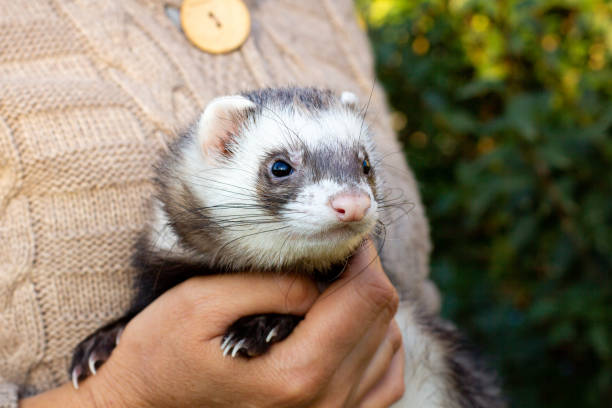
Ferrets (Mustela putorius furo) are curious, energetic, and intelligent pets known for their playful behavior. However, they are also prone to hiding signs of pain and discomfort until these issues become severe due to their wild ancestry. This behavior can delay early diagnosis and treatment, making it essential for owners to recognize subtle indicators of distress. Pain in ferrets can stem from a variety of causes, including infections, injuries, or age-related conditions, and can manifest through both behavioral and physical changes.
Understanding and addressing pain in ferrets requires a proactive approach. Unlike many mammals, ferrets often do not vocalize discomfort readily, making it challenging for owners to detect issues. This guide aims to equip ferret owners with the knowledge to identify, diagnose, and address pain and discomfort in their pets, ensuring timely intervention and improved quality of life.
2. Common Causes of Pain and Discomfort in Ferrets
Pain in ferrets can arise from multiple sources, often intertwining with their unique physiology and common health conditions. Below are the primary causes:
2.1. Infectious Diseases
Ferrets are susceptible to various infections that can cause pain. Common examples include:
- Adenovirus (Infectious Hepatitis): Leads to liver inflammation, jaundice, and systemic pain.
- SSP (Spleenic Hemangiosarcoma): A fatal blood-borne bacterial infection causing organ enlargement and pain.
- Dental Infections: Poor oral hygiene can result in abscesses, tooth root infections, and chewing difficulties.
- Ear Mites or Otitis: Infestations or infections of the ear canal cause intense itching and discomfort.
2.2. Gastrointestinal (GI) Issues
GI problems are prevalent in ferrets:
- GI Stasis: A life-threatening condition where the gastrointestinal tract becomes paralyzed, leading to abdominal pain, vomiting, and loss of appetite.
- Gastric Ulcers: Chronic pain from ulcers, often caused by Helicobacter mustelae.
- Bladder Stones and Cystitis: Painful urination and lower abdominal discomfort.
2.3. Trauma and Musculoskeletal Pain
Ferrets are playful and inquisitive, but their delicate bones and joints make them vulnerable to injuries:
- Fractures or Broken Bones: Often occur from falls or collisions with objects.
- Arthritis: Age-related joint degeneration causing stiffness and reluctance to move.
- Sprains or Strains: Common during active play.
2.4. Hormonal and Reproductive Disorders
Unaltered ferrets are prone to specific conditions:
- Insulinoma: A pancreatic tumor causing hypoglycemia, which may lead to weakness, tremors, and seizures.
- Ovarian or Testicular Tumors: Painful masses or hormonal imbalances.
- Pyometra (Uterine Infection): A life-threatening condition in unspayed females.
2.5. Environmental and Behavioral Stressors
Stress can manifest as physical discomfort:
- Poor Housing Conditions: Overcrowding, cold, or lack of enrichment.
- Aggression or Bites: From other ferrets or accidental injuries.
- Noise or Sudden Changes: Disruption of routine can cause anxiety-induced discomfort.
2.6. Age-Related Pain
Senior ferrets (6+ years) may experience:
- Dental Disease: Worn teeth or periodontal issues.
- Degenerative Joint Disease: Arthritis affecting mobility.
- Kidney or Heart Disease: Systemic pain and fatigue.
3. Behavioral and Physical Signs of Pain in Ferrets
Ferrets exhibit subtle signs of pain, often requiring keen observation. The following behaviors or symptoms may indicate discomfort:
3.1. Behavioral Changes
- Reduced Activity: Lethargy, reluctance to play, or hiding.
- Altered Social Behavior: Avoiding interaction with humans or other ferrets.
- Aggression or Irritability: Uncharacteristic biting or snapping.
- Pacing or Restlessness: Inability to settle or sleep.
- Clenching of Jaws or Teeth Grinding: A common sign of oral pain or GI discomfort.
3.2. Appetite and Elimination Changes
- Loss of Appetite: Sudden refusal to eat or reduced food consumption.
- Weight Loss: Unexplained shedding of condition.
- Changes in Urination or Defecation: Frequent, straining, or inappropriate elimination.
- Vomiting or Diarrhea: Especially if associated with GI issues.
3.3. Physical Symptoms
- Limping or Lameness: Indicates musculoskeletal pain.
- Abdominal Tenderness: Guarding or arching of the back.
- Posture Changes: Hunched position or reluctance to lie flat.
- Vocalization When Touched: Crying, growling, or hissing when handled.
- Respiratory Signs: Panting, labored breathing, or sneezing (if lung-related pain is present).
3.4. Skin and Coat Changes
- Licking or Chewing at the Skin: May indicate pain or irritation from trauma or infection.
- Hair Loss or Mats: Stress-related grooming issues.
- Swelling or Lesions: Bumps, ulcers, or abscesses on the body.
3.5. Vocalization and Restlessness
- Whining or Purring in Pain: Unlike the happy purr, pain-related vocalizations are often high-pitched or strained.
- Excessive Vocalization During Sleep: May suggest nocturnal discomfort.
4. Diagnostic Methods for Identifying Pain in Ferrets
Prompt diagnosis is critical in managing pain in ferrets. A combination of approaches is typically used:
4.1. Physical Examination
A veterinarian will:
- Palpate the abdomen, joints, and limbs for tenderness.
- Check for swelling, lesions, or abnormalities in posture.
- Assess overall body condition and hydration status.
4.2. Laboratory Tests
- Blood Tests: Complete blood count (CBC) and biochemistry panel to detect infections, organ dysfunction, or hypoglycemia.
- Urine Analysis: Identifies bladder infections, stones, or protein loss.
- Serology: Tests for Adenovirus, distemper, or other specific pathogens.
4.3. Imaging Studies
- X-rays: Detect fractures, tumors, bladder stones, or dental issues.
- Ultrasound: Evaluates internal organs for abnormalities (e.g., adrenal tumors, GI stasis).
- MRI or CT Scan: Used in complex cases, such as spinal or brain-related pain.
4.4. Dental Evaluation
A thorough oral exam can reveal periodontal disease, abscesses, or fractured teeth. Sedation may be necessary for a closer look.
4.5. History and Observation
The vet will ask about:
- Recent injuries, changes in behavior, or dietary shifts.
- Environmental factors (e.g., new toys, cage setup).
- The ferret’s age, gender, and reproductive status.
4.6. Pain Assessment Tools
Veterinarians may use scoring systems like the Ferret Pain Scale to objectively measure discomfort levels.
5. Treatment and Pain Management Options
Treatment depends on the underlying cause of pain. Effective strategies include:
5.1. Medications
- Anti-inflammatory Drugs: Meloxicam (a COX-2 inhibitor) is commonly used for pain and inflammation.
- Antibiotics/Antifungals: For infections (e.g., Clindamycin for dental abscesses).
- Antiemetics: To manage vomiting in GI disorders.
- Steroids: For adrenal disease or inflammatory conditions.
5.2. Surgical Interventions
- Bladder Stone Removal: Cystotomy or laser procedures.
- Spaying/Neutering: Prevents reproductive diseases and reduces tumors.
- Dental Surgery: Extraction of damaged teeth or abscess drainage.
5.3. Supportive Care
- Fluid Therapy: Subcutaneous or intravenous fluids for dehydration or GI stasis.
- Nutritional Support: High-protein, high-fat diet (e.g., Ferretone or raw meat) for weak animals.
- Wound Care: Cleaning and bandaging for traumatic injuries.
5.4. Environmental Adjustments
- Provide a quiet, warm space for rest.
- Limit handling and stress-inducing stimuli.
- Use soft bedding and avoid cold exposure.
5.5. Alternative Therapies
- Acupuncture or Chiropractic Care: For chronic pain (consult a certified exotic vet).
- Herbal Supplements: Under veterinary guidance, some herbs (e.g., turmeric) may aid inflammation.
6. Prognosis and Complications
The outcome of a ferret’s pain management depends on the cause, onset, and treatment:
6.1. Acute Pain Prognosis
- Good: Trauma, infections, or GI stasis treated early often result in full recovery.
- Fair: Chronic conditions like insulinoma may improve with medication and diet but require lifelong monitoring.
6.2. Chronic Pain Prognosis
- Guarded: Failing organs (e.g., kidneys or heart) may lead to progressive decline despite treatment.
- Poor: Untreated diseases like SSP or advanced cancers can be fatal.
6.3. Complications of Untreated Pain
- Secondary Infections: Weakened immune system from stress.
- Dehydration and Malnutrition: Linked to anorexia.
- Organ Failure: Prolonged stress accelerates systemic deterioration.
7. Prevention Strategies for Ferret Pain
Preventing pain is cost-effective and improves long-term health:
7.1. Regular Veterinary Checkups
- Annual exams to detect early signs of disease.
- Dental cleanings and parasite control.
7.2. Spaying/Neutering
- Prevents reproductive tumors and reduces aggression-related injuries.
7.3. Safe Environment
- Ferret-proof cages to avoid falls, chewing hazards, or electrical cords.
- Maintain a temperature range of 70–75°F (21–24°C).
7.4. Balanced Diet
- High-quality, meat-based food (avoid grains and fruits).
- Provide fresh water and treats like raw chicken heart.
7.5. Enrichment and Exercise
- Interactive toys and supervised playtime to prevent stress.
- Climbing structures for healthy weight and joint mobility.
8. Diet and Nutrition for Pain Prevention and Management
A proper diet is foundational to preventing pain-related issues:
8.1. Essential Nutrients
- Protein: Minimum 30% (from animal sources: chicken, turkey, rabbit).
- Fat: 15–20% (for energy and joint health).
- Low Fiber: Ferrets lack the digestive enzymes to process plant fibers.
- Calcium and Phosphorus: Balanced ratios for bone health.
8.2. Foods to Avoid
- High-Fiber Foods: Cooked grains, vegetables, or fruits (except occasional raw pumpkin).
- Processed Foods: Commercial ferret kibble (often low in protein and high in carbs).
- Sweet Treats: Ferrets lack sweet receptors and are prone to tooth decay.
8.3. Feeding Guidelines
- Offer small, frequent meals (3–4 per day).
- Provide fresh, clean water daily.
- Avoid overfeeding to prevent obesity-related joint pain.
9. Zoonotic Risks and Precautions
Ferrets can transmit certain diseases to humans:
9.1. Common Zoonotic Diseases
- Ringworm: A fungal infection transmitted through direct contact.
- Salmonellosis: From contaminated food or feces.
- Leptospirosis: Rare but possible in ferrets with outdoor exposure.
9.2. Prevention for Handlers
- Wash hands thoroughly after handling ferrets or their waste.
- Avoid kissing or sharing food with them.
- Disinfect cages and toys regularly.
- Wear gloves during medical procedures or cleaning.
10. Conclusion and Key Takeaways
Recognizing and addressing pain in ferrets requires vigilance and a proactive approach. By understanding behavioral cues, seeking timely veterinary care, and maintaining a healthy lifestyle, owners can ensure their pets live comfortably. Early intervention, a balanced diet, and environmental enrichment are key to preventing and managing pain. Always consult an exotic or ferret-savvy veterinarian for personalized guidance.
#FerretHealth, #FerretPainAwareness, #FerretCare101, #ExoticPetHealth, #FerretOwnerTips, #FerretDiet, #FerretDiseases, #FerretWellness, #FerretBehavior, #FerretVetTips, #PetHealth, #SmallPetCare, #FerretNutrition, #FerretSafety, #ZoonoticDiseases




Add comment