
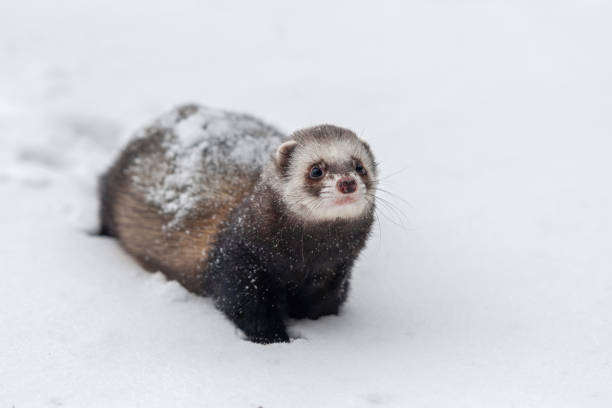
Ferrets possess bilateral, bean‑shaped kidneys positioned retroperitoneally, similar in size to a human thumb. Key physiological features include:
| Feature | Relevance to Disease |
|---|---|
| High metabolic rate (≈ 50–70 kcal kg⁻¹ day⁻¹) | Generates large urea and waste loads, increasing renal workload. |
| Limited renal reserve – only ~30 % functional nephrons lost before creatinine rises markedly | Early subclinical disease can be missed without sensitive testing. |
| Obligate carnivores – high‑protein diet | Protein catabolism produces nitrogenous waste; excess protein can aggravate renal workload. |
| Efficient water conservation – concentrated urine (up to 1,200 mOsm kg⁻¹) | Dehydration can precipitate pre‑renal AKI quickly. |
Understanding these baseline characteristics helps clinicians interpret laboratory results and design appropriate therapeutic plans.
3. Acute Kidney Injury (AKI) in Ferrets
3.1 Definition
AKI is a sudden decline (hours to days) in glomerular filtration rate (GFR) leading to accumulation of nitrogenous waste, electrolyte disturbances, and often oliguria or anuria. In ferrets, AKI is frequently reversible if identified promptly and managed aggressively.
3.2 Etiologic Classification
| Category | Typical Ferret Causes | Pathophysiologic Mechanism |
|---|---|---|
| Pre‑renal | Dehydration (heat stress, diarrhoea, vomiting), hypovolemia (hemorrhage, severe parasitism), shock (trauma, sepsis) | ↓Renal perfusion → ischemia → functional nephron loss |
| Intrinsic | Nephrotoxic agents (e.g., NSAIDs, aminoglycosides, certain herbicides), ischemic injury, acute interstitial nephritis (immune‑mediated, drug‑induced), acute tubular necrosis (ATN), uremic nephropathy from severe hyperuricemia, renal neoplasia, infectious agents (Salmonella, Streptococcus, Leptospira) | Direct damage to glomeruli, tubules, interstitium, or vasculature |
| Post‑renal | Urolithiasis (struvite, calcium oxalate), urethral obstruction (rare but possible in neutered males), bladder neoplasia, severe prostatomegaly (in males) | Outflow obstruction → increased back‑pressure → decreased GFR |
Key point: In ferrets, pre‑renal causes dominate because of their small body size and propensity for rapid fluid loss, but nephrotoxicity (particularly from inappropriate drug dosing) is a frequent iatrogenic factor.
3.3 Clinical Signs
| Sign | Frequency | Comment |
|---|---|---|
| Lethargy / weakness | 80‑100 % | Often the earliest sign |
| Anorexia / reduced water intake | 70‑90 % | May mask dehydration |
| Polyuria / polydipsia (early) → oliguria/anuria (late) | 50‑70 % | Monitor urine output closely |
| Vomiting &/or diarrhoea | 40‑60 % | Can exacerbate dehydration |
| Abdominal distension (due to ascites) | 20‑30 % | Late sign, indicates severe hypoalbuminemia |
| Weight loss | Variable | May be rapid in AKI |
| Neurological signs (tremors, ataxia) | 10‑20 % | Result of uremic encephalopathy or electrolyte imbalance |
Red‑flag: Sudden collapse, severe weakness, or inability to urinate warrants immediate emergency care.
3.4 Diagnostic Work‑up
- History & Physical Exam
- Onset & duration of signs
- Exposure to toxins, recent surgeries, or stressful events
- Medications (e.g., NSAIDs, antibiotics)
- Baseline Laboratory Panel
- Complete Blood Count (CBC) – anemia (normocytic, normochromic) common, leukocytosis if infection present.
- Serum Chemistry – focus on:
- Creatinine (reference ≈ 0.6–1.2 mg/dL) – rises 48–72 h after injury.
- Blood Urea Nitrogen (BUN) – rises earlier than creatinine.
- Phosphorus – hyperphosphatemia >5 mg/dL typical in AKI.
- Electrolytes – hyperkalemia (life‑threatening), hyponatremia, metabolic acidosis (decreased bicarbonate).
- Urinalysis – specific gravity (SG) <1.010 suggests renal concentrating defect; presence of casts, proteinuria, hematuria.
- Imaging
- Radiographs – evaluate for urolithiasis, abdominal masses, fluid accumulation.
- Abdominal Ultrasound – assess renal size, echogenicity, cortical thickness, presence of calculi or obstruction.
- Advanced Diagnostics (if needed)
- Blood gas analysis – detect severe acid‑base derangements.
- Renal biomarkers – SDMA (symmetric dimethylarginine) is more sensitive than creatinine for early GFR decline, but reference ranges for ferrets are still being refined.
- Staging (IRIS AKI Staging adapted for ferrets)
| IRIS AKI Stage | Serum Creatinine (mg/dL) | Clinical Features |
|---|---|---|
| Stage 1 | 1.5‑2.0 | Mild increase; generally oliguric, minimal systemic signs |
| Stage 2 | 2.1‑3.0 | Moderate azotemia; polyuria/polydipsia, mild electrolyte abnormalities |
| Stage 3 | >3.0 | Severe azotemia; oliguria/anuria, marked hyperkalemia, acidosis, uremic signs |
| Stage 4 (rare) | >5.0 | Life‑threatening, often irreversible |
3.5 Immediate Treatment (Emergency Phase)
| Goal | Intervention | Dose/Details (Ferret) |
|---|---|---|
| Restore perfusion & fluid balance | IV crystalloid therapy – Lactated Ringer’s or Plasma‑Lyte | 30–50 mL kg⁻¹ over 1‑2 h, then titrate to urine output (target 1‑2 mL kg⁻¹ h⁻¹). |
| Correct electrolyte disturbances | Hyperkalemia – Calcium gluconate 10 % (0.5 mL kg⁻¹ IV) + regular insulin (0.1 U kg⁻¹ IV) + dextrose (0.5 g kg⁻¹). | Acidosis – Sodium bicarbonate (1‑2 mmol kg⁻¹ IV) if pH < 7.2. |
| Promote diuresis | Furosemide 1 mg kg⁻¹ IV q12h (if fluid overload). | Dopamine (2‑5 µg kg⁻¹ min⁻¹) – renal dose to increase RBF (optional). |
| Minimize further nephrotoxicity | Discontinue all potentially nephrotoxic drugs (NSAIDs, certain antibiotics). | |
| Analgesia & anti‑inflammation | Buprenorphine 0.01‑0.02 mg kg⁻¹ IM/SC q8‑12h. | Avoid NSAIDs. |
| Antibiotics (if infection suspected) | Enrofloxacin 5‑10 mg kg⁻¹ PO q24h (or alternative). | Base choice on culture when possible. |
| Nutritional support | Enteral feeding – high‑calorie, low‑protein diet (see Section 7). | Use feeding tubes if anorexic. |
Monitoring: Hourly urine output, blood pressure, cardiac rhythm (EKG for hyperkalemia), serial blood gases, and electrolytes every 4‑6 h initially.
3.6 Ongoing Management (Stabilization Phase)
- Fluid therapy – transition to subcutaneous (SQ) fluids if oral intake improves.
- Renal‑protective agents – Omega‑3 fatty acids (EPA/DHA 30 mg kg⁻¹ PO q24h) may attenuate inflammation.
- Phosphate binders – Aluminum hydroxide 100 mg kg⁻¹ PO q8h (if hyperphosphatemia persists).
- Antioxidants – N‑acetylcysteine 50 mg kg⁻¹ IV q24h for 3‑5 days (experimental).
- Serial evaluation – re‑check creatinine, BUN, electrolytes every 24‑48 h until stable.
3.7 Prognosis
- Stage 1–2 AKI: 70‑85 % survival with aggressive therapy; many ferrets return to baseline renal function.
- Stage 3: Survival drops to 30‑50 %; risk of irreversible nephron loss, progression to CKD.
- Factors influencing outcome: time to presentation, severity of hyperkalemia/acidosis, presence of concurrent infection or sepsis, and owner compliance with home care.
3.8 Common Complications
| Complication | Mechanism | Management |
|---|---|---|
| Hyperkalemia‑induced cardiac arrhythmias | Elevated K⁺ depolarizes myocardial cells | Immediate calcium gluconate, insulin/dextrose, anti‑arrhythmic monitoring |
| Fluid overload/ pulmonary edema | Aggressive IV fluids in oliguric kidneys | Diuretics (furosemide), careful fluid titration |
| Uremic gastritis/ulceration | Mucosal irritation from toxins | Proton pump inhibitors (omeprazole 1 mg kg⁻¹ PO q24h) |
| Secondary infections | Immunosuppression, catheter‑related | Broad‑spectrum antibiotics, aseptic technique |
| Progression to CKD | Persistent nephron loss | Transition to CKD management protocol (Section 4) |
4. Chronic Kidney Disease (CKD) in Ferrets
4.1 Definition & Staging
CKD is a progressive, irreversible loss of renal function lasting ≥ 3 months. The International Renal Interest Society (IRIS) staging system, adapted for ferrets, utilizes serum creatinine (or SDMA when available) and the presence of clinical signs.
| IRIS CKD Stage | Serum Creatinine (mg/dL) | Clinical Indicators |
|---|---|---|
| Stage 1 | 1.3‑1.8 | Non‑azotemic, proteinuria, early polyuria |
| Stage 2 | 1.9‑2.5 | Mild azotemia, intermittent anorexia |
| Stage 3 | 2.6‑3.5 | Moderate azotemia, weight loss, anemia |
| Stage 4 | >3.5 | Severe azotemia, uremic encephalopathy, refractory hypocalcemia |
Note: Ferrets normally have lower creatinine than dogs; reference ranges may vary by laboratory.
4.2 Etiology
| Category | Typical Causes in Ferrets |
|---|---|
| Congenital | Polycystic kidney disease (rare), renal dysplasia |
| Degenerative/Age‑related | Progressive nephron loss with advancing age (most common after 4 years) |
| Nephrotoxic | Chronic NSAID use, long‑term aminoglycoside therapy, exposure to heavy metals, certain herbal supplements |
| Inflammatory/Immune | Chronic interstitial nephritis (immune‑mediated, bacterial, fungal) |
| Metabolic | Hyperuricemia (gout), hyperphosphatemia, hypercalcemia |
| Obstructive | Recurrent urolithiasis, ureteral strictures |
| Neoplastic | Renal carcinoma, lymphoma infiltrating kidney |
| Systemic disease | Hypertension, diabetes mellitus (rare), endocrine disorders (e.g., hyperadrenocorticism) |
4.3 Clinical Presentation
| Sign | Frequency | Comments |
|---|---|---|
| Polyuria & polydipsia | > 80 % | Early hallmark; monitor water bowl consumption. |
| Weight loss despite normal appetite | 60‑70 % | Catabolic state due to uremic toxins. |
| Decreased appetite / intermittent anorexia | 50‑60 % | May become chronic; feeding strategies essential. |
| Lethargy / exercise intolerance | 40‑50 % | Worsens with disease progression. |
| Vomiting / occasional diarrhoea | 30‑40 % | Often secondary to uremia. |
| Abdominal palpation – enlarged kidneys | 20‑30 % | May feel firm or nodular on exam. |
| Anemia | 30‑50 % | Normocytic, normochromic due to decreased EPO. |
| Hypertension | 15‑25 % | Secondary to renal disease; can cause retinal detachment. |
| Ulcerative skin lesions | 10‑15 % | Related to uremic pruritus and scratching. |
Owner cue: Increased water intake > 100 mL kg⁻¹ day⁻¹, or wetting of bedding, should prompt veterinary evaluation.
4.4 Diagnostic Approach
- Comprehensive History & physical exam.
- Baseline Lab Panel – CBC, serum chemistry, urinalysis (including urine protein:creatinine ratio – UPC).
- Blood Pressure Measurement – using Doppler technique; > 150 mm Hg suggests hypertension.
- Imaging – renal ultrasound is gold standard: look for cortical thinning, medullary cysts, calculi, or masses.
- Renal Biomarkers – SDMA (if available), urinary neutrophil gelatinase-associated lipocalin (NGAL) for early detection (research level).
- Specific Tests – urine culture (if infection suspected), serum uric acid (gout), parathyroid hormone (when calcium/phosphorus imbalance present).
4.5 Treatment & Long‑Term Management
| Therapeutic Objective | Recommended Intervention | Details |
|---|---|---|
| Fluid balance | SQ or PO fluids (0.5‑2 mL kg⁻¹ h⁻¹) | Adjust based on hydration status and urine output. |
| Dietary modification | Renal diet – reduced protein (12‑14 % DM), restricted phosphorus (≤ 0.3 % DM), low sodium, high‑quality omega‑3 fatty acids. | See Section 7 for specific formulations and feeding schedules. |
| Phosphate control | Aluminum hydroxide or lanthanum carbonate 250 mg kg⁻¹ PO q12h (if hyperphosphatemia persists). | Monitor serum phosphorus weekly initially. |
| Anemia management | Erythropoietin (EPO) analogues (e.g., darbepoetin) 0.5 µg kg⁻¹ SC weekly (off‑label) + iron supplementation (iron dextran 5 mg kg⁻¹ IM q2‑4 weeks). | Consider after ruling out bleeding. |
| Hypertension control | Amlodipine 0.05 mg kg⁻¹ PO q24h; ACE inhibitors (benazepril 0.25 mg kg⁻¹ PO q24h) to reduce proteinuria. | Serial BP checks every 2‑4 weeks. |
| Uremic symptom relief | Anti‑emetics (maropitant 1 mg kg⁻¹ PO q24h), antacids (ranitidine 1 mg kg⁻¹ PO q12h), tranexamic acid for GI bleeding if needed. | Adjust based on response. |
| Antioxidant support | S‑acetyl‑glutathione 10 mg kg⁻¹ PO q24h; Vitamin E 5 IU kg⁻¹ PO q24h. | May slow progression (limited data). |
| Pain & pruritus | Buprenorphine low dose q12h; tricyclic antidepressants (amitriptyline 0.5 mg kg⁻¹ PO q24h) for chronic itch. | Monitor for sedation. |
| Quality‑of‑life monitoring | Weight, BCS, activity level; owner‑reported wellbeing scales. | Adjust therapy if QoL declines sharply. |
4.5.1 Fluid Therapy Nuances
- Dehydrated CKD: Use isotonic crystalloids (Lactated Ringer’s) at 10 mL kg⁻¹ h⁻¹ until urine output normalizes.
- Fluid overload: Switch to SQ (e.g., 5‑10 mL kg⁻¹ SQ q24h of 0.9 % NaCl) and employ diuretics if pulmonary edema develops.
4.5.2 Nutrition – The Cornerstone
Renal diets for ferrets should:
- Limit high‑biological‑value protein to reduce uremic toxin production without causing muscle catabolism.
- Restrict phosphorus to ≤ 0.3 % DM; use renal‑specific phosphate binders when needed.
- Provide adequate calories (≈ 50 kcal kg⁻¹ day⁻¹) to prevent weight loss; supplement with medium‑chain triglycerides (MCT) if appetite is poor.
- Include omega‑3 EPA/DHA (≈ 30 mg kg⁻¹ day⁻¹) for anti‑inflammatory and renal‑protective effects.
- Maintain palatability — ferrets are finicky; warming food slightly or adding a small amount of ferret‑safe broth can improve intake.
Commercial options: Royal Canin Veterinary Diet Renal Support (ferret‑adjusted formula) or Hill’s Prescription Diet k/d (modified for ferret protein requirement). Homemade: Cooked chicken breast (boiled, skinless) + cooked white rice + a spoonful of canned pumpkin + omega‑3 oil; all portions calculated to meet the nutrient targets.
4.6 Prognosis
| Stage | Median Survival (with optimal care) | Typical Complications |
|---|---|---|
| 1 | > 2 years (often stable) | Occasional proteinuria, mild anemia |
| 2 | 12‑24 months | Hypertension, progressive weight loss |
| 3 | 6‑12 months | Anemia, uremic gastritis, episodic AKI |
| 4 | < 6 months | End‑stage renal disease, refractory hyperphosphatemia, severe uremia |
Key determinants: early detection, strict dietary adherence, control of hypertension and phosphorus, and owner willingness to administer subcutaneous fluids as disease advances.
4.7 Common Complications
| Complication | Pathogenesis | Management |
|---|---|---|
| Hyperphosphatemia | Reduced excretion → secondary renal osteodystrophy | Phosphate binders + diet |
| Secondary hyperparathyroidism | Phosphorus excess stimulates PTH | Monitor calcium/phosphate; treat underlying phosphate. |
| Hypertension | Renin‑angiotensin system activation | Amlodipine ± ACEI; periodic BP checks |
| Anemia | Decreased EPO + chronic inflammation | EPO analogues + iron; transfusion if severe |
| Urolithiasis | Crystalluria from altered urine pH | Stone analysis, diet modification, possible lithotripsy |
| Uremic encephalopathy | Accumulation of toxins | Low‑protein diet, dialysis (rare, experimental) |
| Gastrointestinal ulceration | Gastric mucosal irritation by uremic toxins | Proton pump inhibitors, anti‑emetics |
5. Acute vs. Chronic Kidney Disease – How to Differentiate
| Parameter | AKI | CKD |
|---|---|---|
| Onset | Hours‑days | Weeks‑months |
| Creatinine trend | Rapid rise (≥ 0.5 mg/dL within 24 h) | Gradual increase over weeks |
| Urine specific gravity | Often low (< 1.010) early, may improve | Consistently low; may fluctuate |
| Presence of proteinuria | May be absent | Often persistent (UPC > 0.5) |
| Renal ultrasound | May show echogenicity, but kidneys usually normal size | Cortical thinning, reduced size, fibrosis |
| Response to therapy | Potential for full recovery | Progressive despite treatment |
A thorough history (e.g., recent toxin exposure) and serial labs are essential to avoid misclassification, which influences therapeutic intensity and client counseling.
6. Prevention Strategies
- Hydration Maintenance
- Provide fresh water at all times; consider multiple water stations.
- Offer wet diets or water‑rich foods (cooked pumpkin, low‑salt broth).
- Avoid Nephrotoxins
- Never administer NSAIDs (e.g., meloxicam, carprofen) unless specifically prescribed by a veterinarian experienced with ferrets.
- Use cautious dosing of antibiotics; avoid aminoglycosides unless absolutely required and monitor renal function.
- Regular Health Checks
- Bi‑annual physical exam with CBC/chemistry panel starting at age 2 years.
- Annual urinalysis (including UPC) and blood pressure measurement.
- Dietary Vigilance
- Feed high‑quality, species‑appropriate commercial diets; avoid “human” treats high in sodium or phosphorus.
- Transition gradually to any renal‑support diet to prevent GI upset.
- Weight Management
- Maintain ideal body condition score (BCS 3‑4/9); obesity predisposes to hypertension and renal strain.
- Environmental Safety
- Keep ferrets away from household chemicals (cleaners, rodenticides) and plants toxic to mammals (e.g., lilies).
- Prompt Treatment of Infections
- Early antibiotic therapy for urinary tract infections or systemic bacterial disease reduces the risk of pyelonephritis and subsequent CKD.
- Genetic Screening (if available)
- In breeding colonies, screen for inherited renal anomalies (e.g., polycystic kidney disease) to reduce propagation of susceptibility genes.
7. Nutrition & Dietary Management
7.1 Nutrient Targets for Renal‑Compromised Ferrets
| Nutrient | Recommended Range | Rationale |
|---|---|---|
| Protein (DM) | 12‑14 % | Sufficient for tissue maintenance but low enough to reduce uremic toxin production. Use highly digestible animal proteins (e.g., boiled chicken, turkey). |
| Phosphorus (DM) | ≤ 0.3 % | Limits secondary hyperparathyroidism and renal osteodystrophy. |
| Sodium (DM) | < 0.2 % | Prevents fluid overload and hypertension. |
| Calorie Density | 45‑55 kcal kg⁻¹ day⁻¹ | Counteracts catabolic state; adjust based on body condition. |
| Omega‑3 EPA/DHA | 30‑40 mg kg⁻¹ day⁻¹ | Anti‑inflammatory, may improve GFR. |
| Potassium | 0.2‑0.4 % DM (adjust if hyperkalemia) | Maintain cellular function; avoid excess if K⁺ already high. |
| Fiber (soluble) | 2‑3 % DM | Helps regulate gastrointestinal transit and may bind phosphorus. |
| Water | Unlimited access; aim for > 100 mL kg⁻¹ day⁻¹ intake | Essential for renal clearance. |
7.2 Commercial Renal Diets
| Brand | Product | Key Features |
|---|---|---|
| Royal Canin Veterinary Diet | Renal Support Ferret | 13 % protein, 0.25 % phosphorus, added omega‑3, palatable kibble. |
| Hill’s Prescription Diet | k/d Ferret Formula (adjusted) | 14 % protein, low phosphorus, vitamin‑E fortified. |
| Purina Pro Plan Veterinary Diets | Renal Health (small‑animal version) | Moderate protein, antioxidants, easy to mash for picky eaters. |
Tip: Warm the kibble in warm water for 1–2 minutes to enhance aroma and acceptance.
7.3 Homemade/“Fresh” Options
- Protein base: Boiled, skinless chicken breast or lean turkey (50 % of diet by weight).
- Carbohydrate: Cooked white rice or boiled sweet potato (30 %).
- Fiber & Micronutrients: Pureed pumpkin or cooked carrots (10‑15 %).
- Fat source: Fish oil or salmon oil (1‑2 % of total diet).
- Supplements (as advised):
- Renal‑specific multivitamin (low phosphorus, high B‑complex)
- Potassium gluconate only if serum K⁺ low
- Vitamin E 5 IU kg⁻¹ day⁻¹
Preparation notes:
- Cook all ingredients thoroughly; avoid added salt, garlic, onions, or spices.
- Cool to room temperature before serving.
- Portion into small meals 3‑4 times daily to improve intake.
7.4 Feeding Frequency & Monitoring
| Situation | Feeding Frequency | Monitoring Parameters |
|---|---|---|
| Stable CKD (Stage 1‑2) | 2‑3 meals/day (total 40‑50 kcal kg⁻¹) | Body weight, BCS, water intake, urination pattern. |
| Advanced CKD (Stage 3‑4) | 4‑6 small meals/day (higher caloric density) | Daily weight, appetite, serum creatinine, phosphorus. |
| Post‑AKI recovery | 3 meals/day + scheduled SQ fluids | Urine output, electrolytes, creatinine trend. |
8. Zoonotic Risk & Infection Control
8.1 Pathogens of Concern
| Pathogen | Transmission to Humans | Clinical Relevance in Ferrets |
|---|---|---|
| Salmonella spp. | Fecal‑oral (handling of soiled litter) | Can cause enteritis, septicemia, secondary renal involvement. |
| Campylobacter spp. | Fecal‑oral | GI disease; rare renal sequelae. |
| Leptospira interrogans | Contact with contaminated urine | Causes leptospirosis; may lead to AKI in ferrets. |
| Cryptosporidium spp. | Oocyst ingestion | Diarrhoea, dehydration → pre‑renal AKI. |
| Dermatophytes (e.g., Microsporum canis) | Direct skin contact | Not renal, but overall zoonotic burden. |
| MRSA / other resistant bacteria | Direct contact | May colonize wounds; caution with invasive procedures. |
8.2 Preventive Measures for Owners & Veterinary Staff
- Hand Hygiene – Wash hands with soap and water after handling ferrets, cleaning cages, or disposing of waste.
- Protective Gloves – Use disposable gloves when cleaning litter boxes or performing invasive procedures.
- Litter Management – Change litter daily; use low‑dust, non‑clumping substrates to minimize aerosolized pathogens.
- Environmental Disinfection – Employ a diluted bleach solution (1 % sodium hypochlorite) for cage surfaces, avoiding harsh chemicals that could harm the ferret.
- Vaccination – No specific vaccines for renal pathogens in ferrets, but routine influenza and rabies (if local law requires) reduce overall disease burden.
- Regular Veterinary Screening – Annual fecal exams and urine cultures for asymptomatic carriers in multi‑ferret households.
- Isolation Protocol – Separate any ferret with acute GI signs or suspected infection until testing confirms non‑contagious status.
Important note: Ferrets are not a major source of zoonotic disease for most humans, but immunocompromised individuals should practice extra caution, especially with fecal or urinary exposure.
9. Monitoring & Follow‑Up Protocol
| Time Point | Evaluation | Key Parameters |
|---|---|---|
| Initial Diagnosis | Full physical, labs, imaging | Baseline creatinine, BUN, electrolytes, UPC, BP, US findings |
| 24 h post‑AKI stabilization | Re‑check chemistry, electrolytes, urine output | Creatinine trend, K⁺, acid‑base status |
| 7 days post‑AKI | CBC, chemistry, urinalysis | Assess recovery, detect early CKD signs |
| 3‑month intervals (CKD) | Physical, weight, BCS, labs, BP | Creatinine/SDMA progression, phosphorus, anemia, hypertension |
| 6‑month intervals | Ultrasound (if indicated) | Renal size, cysts, calculi |
| Whenever clinical change noted | Immediate re‑evaluation | Adjust fluids, diet, meds |
Owner logs – Encourage owners to keep a daily log of water consumption, urine output (wetness of bedding), appetite, and activity level. This data aids early detection of decompensation.
10. Quality of Life (QoL) & End‑of‑Life Considerations
- Assessing QoL – Use a simple scoring system (1‑10) covering pain, appetite, mobility, interaction, and mental status. Scores ≤ 3 generally indicate poor QoL.
- Palliative Care – Low‑dose analgesics, anti‑emetics, and fluid support can keep ferrets comfortable during terminal stages.
- Euthanasia Decision – Discuss openly with owners when disease is refractory, pain is uncontrolled, or QoL drops markedly. Provide compassionate guidance and after‑care options (burial, cremation).
11. Summary
Renal disease in ferrets is a multifactorial challenge encompassing acute, potentially reversible injury and chronic, progressive decline. Prompt identification of pre‑renal, intrinsic, or post‑renal insults, diligent fluid and electrolyte management, and a renally appropriate diet are the pillars of successful therapy. Long‑term stewardship involves regular monitoring, hypertension control, phosphate restriction, and owner education to sustain an acceptable quality of life.
By integrating preventive measures—adequate hydration, avoidance of nephrotoxic agents, routine health checks, and safe husbandry—veterinarians can markedly reduce the incidence and severity of renal failure in ferrets. Finally, while zoonotic transmission is low, adherence to basic infection‑control protocols safeguards both human caretakers and the animal patients.
#FerretKidneyHealth, #FerretRenalFailure, #FerretAKI, #FerretCKD, #FerretVeterinaryCare, #FerretNutrition, #RenalDietForFerrets, #FerretHealthTips, #FerretOwnerGuide, #RenalSupport, #FerretWellness, #FerretHydration, #FerretKidneyDisease, #FerretZoonosis, #FerretInfectionControl, #FerretKidneyStone, #FerretBloodWork, #FerretBloodChemistry, #FerretUrinalysis, #FerretFluidTherapy, #FerretSubQFluids, #FerretVeterinaryMedicine, #FerretLife, #FerretLovers, #FerretCommunity, #PetRenalHealth, #SmallMammalMedicine, #FerretCare, #FerretDiet, #FerretHealth, #FerretSafety, #FerretWellbeing, #FerretLifeExpectancy, #FerretEuthanasia, #FerretCompassion

Add comment