
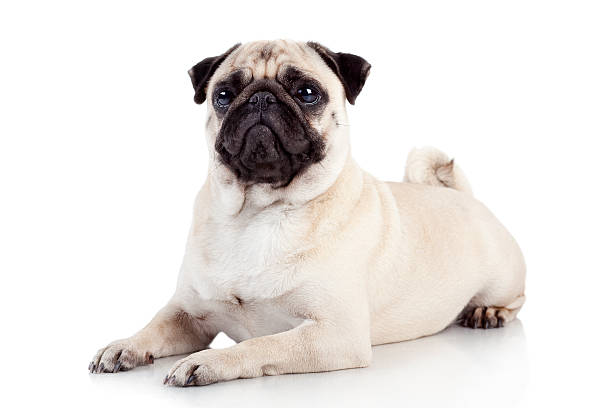
Resource guarding is a common and often distressing behavior observed in domestic dogs. It manifests as a dog’s attempt to prevent perceived competitors from accessing or taking away something the dog values, such as food, toys, a resting spot, or even a person. This behavior ranges from subtle body language to overt aggression, including growling, snarling, snapping, and even biting. Understanding the roots of resource guarding, recognizing its early signs, and implementing effective training strategies are crucial for fostering a harmonious relationship between dogs and their human families, as well as ensuring the safety of other animals and people.
Understanding the Nature of Resource Guarding
Resource guarding is not inherently malicious or a sign of a “bad” dog. Instead, it’s an intrinsically motivated behavior rooted in evolutionary survival instincts. In the wild, animals must protect their resources to ensure their survival and the survival of their offspring. Dogs, as descendants of wolves, retain these instincts. While domestication has softened many of these primal drives, resource guarding can still emerge, especially when a dog feels insecure about its access to valuable items.
Several factors can contribute to or exacerbate resource guarding:
- Genetics and Breed Predispositions: While any dog can resource guard, certain breeds may have a higher genetic predisposition due to their historical roles (e.g., herding breeds protecting their flock, guarding breeds protecting their territory).
- Past Experiences and Trauma: A dog that has experienced scarcity, hunger, or had resources taken away forcefully in the past may develop a stronger instinct to guard what it has. Rescue dogs, in particular, might exhibit resource guarding due to previous neglect or unpredictable environments.
- Insecure Attachment and Anxiety: Dogs with insecure attachment to their owners or general anxiety may guard more intensely as they fear losing their source of comfort and security.
- Learned Behavior: If a dog has successfully guarded a resource in the past and prevented another dog or person from getting it, the behavior can be reinforced and become more frequent.
- Competition: In multi-dog households, competition for resources like food, toys, or attention from owners can trigger guarding behaviors.
- Perceived Threat: A dog might guard simply because it perceives a threat, even if that threat is not real. A human or another animal approaching while the dog is eating can be interpreted as a threat.
Types of Resource Guarding:
Resource guarding can manifest in various ways and towards different “resources”:
- Food Guarding: This is one of the most common forms. Dogs may guard their food bowls, treats, chews, or even dropped food on the floor.
- Toy Guarding: Dogs may guard specific toys, a collection of toys, or even inanimate objects they deem valuable.
- Object Guarding: Beyond toys, dogs might guard bones, stolen items (like socks or shoes), or even items they have found.
- Space Guarding: This can include guarding beds, couches, specific spots on the floor, or even their owner (preventing others from interacting with them).
- People Guarding: A dog might position themselves between their owner and another person or animal, or react aggressively when someone attempts to approach their favored person.
Recognizing the Subtle Signs of Resource Guarding:
It’s crucial to identify the early, subtle signs of resource guarding. Overt aggression is a later stage; recognizing the preceding signals allows for intervention before escalation. These subtle signs are often a dog’s way of communicating discomfort and attempting to deter a perceived threat without resorting to biting.
- Stiffening of the body: The dog becomes tense and rigid.
- Freezing: The dog stops all movement, becoming unnaturally still.
- Hard stare/whale eye: The dog’s eyes widen, and you can see the whites of their eyes, often accompanied by a sideways glance.
- Lip licking: A quick lick of the lips when no food is present.
- Yawning: A yawn out of context, not when tired or sleepy.
- Head turn/avoidance: The dog turns its head away, averting eye contact.
- Ears pinned back or forward intently: Ears can become flattened against the head or pricked forward with intense focus.
- Slow tail wag/tucked tail: A slow, stiff wag can indicate tension, not happiness, and a tucked tail signifies fear or apprehension.
- Grunting or low growl: A soft, guttural sound that serves as a warning.
- Showing teeth: A subtle baring of teeth, often without a full snarl.
- Moving away with the resource: The dog picks up the item and moves to a safer location.
If you observe these signs, it’s a clear indication that your dog is feeling uneasy and that the situation needs to be managed and addressed.
The Dangers of Mismanaging Resource Guarding:
Improperly handling resource guarding can exacerbate the problem and lead to dangerous situations. Common mistakes include:
- Punishing the growl/snarl: This is a dangerous approach because it punishes the warning, not the underlying cause of the dog’s anxiety. The dog learns not to warn, making them more likely to bite without prior indication. This is akin to disarming a smoke detector.
- Forcing interaction: Trying to take the resource away from the dog or forcing them to share can escalate aggression.
- Ignoring the behavior: Hoping it will go away on its own is rarely effective and allows the dog’s anxiety to solidify.
- Creating competition: In multi-dog households, allowing dogs to fight over resources or making them compete for food can worsen guarding.
Preventing Resource Guarding:
Prevention is always easier than treatment. For puppies and dogs without established guarding behaviors, implementing proactive strategies can significantly reduce the likelihood of it developing.
- “Trade Up” Game (Value Exchange): This is a foundational exercise for puppies and young dogs.
- Start with a low-value item the dog has.
- Offer a high-value treat or toy (something the dog finds irresistible).
- As the dog approaches, offer the treat. When they drop the item to take the treat, praise them.
- Once they’ve eaten the treat, they’ll likely forget or lose interest in the original item.
- The goal is to teach the dog that humans approaching their possessions leads to good things (better items, treats), not loss.
- Gradually increase the difficulty by approaching when the dog is holding an item, then eventually trading for the item itself.
- Positive Associations with Proximity:
- When your dog is eating, periodically walk by and toss a high-value treat into their bowl.
- Do the same when they are chewing a toy.
- This teaches them that your presence near their resources is positive and predicts good things.
- Controlled Feeding Environments:
- Feed puppies their meals in a calm, quiet environment, free from distractions or perceived competition.
- If you have other pets, ensure they are separated during feeding times.
- Teach “Leave It” and “Drop It”: These commands are essential for impulse control and can be invaluable in managing situations where a dog might guard. Practice them regularly with various objects, always rewarding the dog for compliance.
- Gradual Socialization: Expose puppies to a variety of people, dogs, and environments in a positive, controlled manner to build confidence and reduce general anxiety, which can be a precursor to resource guarding.
Treating Established Resource Guarding:
If your dog is already exhibiting resource guarding behaviors, it’s crucial to approach treatment with patience, consistency, and a focus on changing the dog’s emotional response. This often requires professional guidance.
Key principles for treatment:
- Management: This is the first and most critical step. Prevent the dog from practicing the guarding behavior.
- Separate Feeding: Feed the guarded dog separately from other pets.
- Remove High-Value Items: Limit access to items the dog is known to guard intensely. Store favorite chew toys or bones out of reach when not supervised.
- Supervise Interactions: Closely monitor your dog when they have access to items they guard. Intervene before guarding starts.
- Safe Spaces: Provide a designated safe space (like a crate or bed) where the dog can rest undisturbed.
- Desensitization and Counter-Conditioning (DSCC): This is the cornerstone of treating resource guarding. The goal is to change the dog’s emotional response from anxiety/fear to positive anticipation when a stimulus (the “threat”) approaches their resource.
- Identify the Trigger: Determine precisely what triggers the guarding (e.g., human approaching food bowl, another dog walking by, someone reaching for a toy).
- Establish Threshold: Find the distance or intensity of the trigger at which your dog does not guard. This is their “no-response” threshold.
- The Process:
- Introduce the trigger at a sub-threshold level (e.g., person walks very far away from the dog with food).
- Immediately pair the presence of the trigger with something highly positive for the dog (e.g., a special treat the dog only gets during these sessions).
- The trigger appears, fades away, and the treat is given. The dog learns: “The human appearing far away means I get a super treat!”
- Gradually, over many sessions, decrease the distance of the trigger. Each time, the trigger appears briefly, and the dog receives a high-value treat.
- The dog starts to associate the approach of others with good things.
- Examples of DSCC:
- Food Guarding: While the dog is eating, have a helper walk by at a distance. Toss a super-tasty treat into the dog’s bowl as the helper passes. The helper moves away, and the treat stops. Repeat this, gradually decreasing the distance the helper walks past.
- Toy Guarding: Play with a toy the dog guards. Have a helper walk by at a distance. Toss a treat for the dog as the helper passes. The helper moves away. Gradually decrease the distance.
- “Look at That” (LAT) Game: A generalized DSCC game. When a dog sees something that might trigger guarding (e.g., another dog, a person), click or say “yes” the moment they look at it, and then immediately give them a high-value treat. This teaches them to look at triggers and expect rewards.
- “Trade Up” (for established guarding): While it’s a preventative tool, it can also be used carefully in treatment.
- Never try to take something from a dog that is actively guarding.
- Instead, approach with a high-value trade item. Let the dog see it.
- When the dog voluntarily relinquishes the guarded item to take the trade, calmly pick up the original item and give the dog the new, more desirable item.
- This reinforces that trading is beneficial.
- Teaching Alternative Behaviors:
- “Go to Mat/Place”: Train your dog to go to a designated mat or bed and stay there. This is useful during meal times or when guests are over.
- “Leave It” / “Drop It”: Reinforce these commands with high-value rewards for voluntary compliance.
Working with a Professional:
Resource guarding, especially when it involves aggression or has a history of bites, is a serious issue that requires expert guidance. Never attempt to treat severe resource guarding alone.
A certified professional dog trainer (CPDT-KA, CPDT-KSA), a veterinary behaviorist (DACVB), or an experienced behavior consultant can:
- Accurately assess the severity and underlying causes of the guarding.
- Develop a tailored behavior modification plan.
- Guide you through DSCC exercises safely and effectively.
- Help manage the environment to prevent further incidents.
- Advise on potential medication if anxiety is a significant factor.
- Provide safety recommendations for your household.
Specific Scenarios and Strategies:
- Food Guarding During Meal Times:
- Management: Feed the dog in a separate room or crate.
- DSCC: Practice the “toss a treat” game as described above.
- “Trade Up”: If the dog has a treat or chew, approach with something even better and wait for them to drop the item.
- Toy Guarding:
- Management: Put away high-value toys when not in use. Supervise play.
- DSCC: Practice walking past the dog while they have a toy, tossing treats.
- “Take Away” Game (Careful Application): For milder cases and with professional guidance. Approach the dog with a toy. When they are holding it securely, present an even better toy or a very high-value treat. When they drop the original toy to investigate the new item, calmly pick up the original toy. This teaches them that people approaching their toys can lead to exciting new things.
- Multi-Dog Households:
- Management: Strict separation during feeding times. Ensure enough toys and resources so dogs don’t feel they have to compete.
- Individual Training: Work with each dog individually on DSCC principles.
- Supervised Play: Monitor play sessions closely and intervene if tension arises.
Important Considerations:
- Safety First: Always prioritize the safety of humans and other animals. If your dog has bitten or shown intense aggression, seek professional help immediately.
- Consistency is Key: All household members must be on board with the training plan and management strategies. Inconsistency will confuse the dog and hinder progress.
- Patience and Realistic Expectations: Behavior modification takes time. Some dogs may improve significantly, while others may always need careful management. Celebrate small victories.
- Never Punish Aggression: Punishing a growl or snarl will only suppress the warning, making the dog more dangerous.
- Rule Out Medical Issues: In rare cases, sudden onset of resource guarding can be linked to pain or neurological issues. A veterinary check-up is always a good idea.
Conclusion:
Resource guarding is a complex behavioral issue driven by instinct and influenced by environment and experience. While it can be challenging and frightening, it is often manageable and treatable with the right approach. By understanding the motivations behind it, recognizing early warning signs, implementing consistent management strategies, and utilizing positive reinforcement-based training techniques like desensitization and counter-conditioning, owners can work towards resolving resource guarding. For severe cases, seeking guidance from a qualified professional is paramount to ensure the safety and well-being of everyone involved. The ultimate goal is to build a trusting relationship where the dog feels secure and confident, no longer needing to guard their valued possessions.
#ResourceGuarding #DogAggression #FoodAggression #ToyAggression #DogBehavior #DogTraining #CanineBehavior #DogTrainingTips #PositiveReinforcement #Desensitization #CounterConditioning #DogBehaviorModification #DogTrainingAdvice #PuppyTraining #RescueDog #DogSafety #DogLife #DogLovers #PetBehavior #BehaviorConsultant #VeterinaryBehaviorist #DogCoach #AggressiveDog #GrowlingDog #SnappingDog #DogCommunication #DogBodyLanguage #ResponsibleDogOwner #DogTips #DogHealth #HappyDog #WellBehavedDog #PreventAggression #TreatAggression #DogProblems #DogSolutions #PetCare #DogEducation #DogMind #CanineCompanion





Add comment