
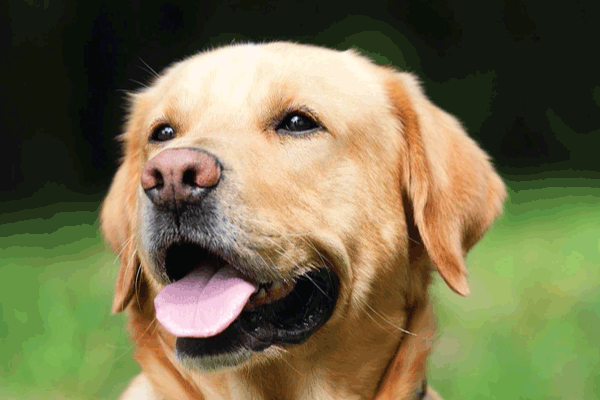
Resource guarding is a natural canine behavior where a dog protects items it perceives as valuable (food, toys, resting spots, even people/attention) from potential threats or competitors. While normal in the wild, it can be dangerous and unacceptable in a home environment, especially with the unpredictable presence of a baby or small child.
When dogs and babies share a home, preventing resource guarding is not just recommended, it’s absolutely non-negotiable for the safety of the child. This guide will provide comprehensive strategies to prevent resource guarding issues with food, toys, attention, and space.
Understanding Resource Guarding in Dogs
Resource guarding (RG) is a dog’s attempt to control access to a valued item or space. It stems from an instinctual drive to protect resources necessary for survival. It’s not about being “mean” or “dominant” in a malicious way, but often arises from insecurity or a learned belief that they must protect their belongings.
Signs of Resource Guarding (The Escalation Ladder):
It’s crucial to recognize the subtle, early warning signs before they escalate:
- Subtle Warnings:
- Freezing, stiff body posture
- Staring at the person/object intensely (“whale eye” – showing the whites of the eyes)
- Moving their body to cover the resource
- Fast lip licking, yawning (stress signals)
- Growling softly, deep in the chest
- Moderate Warnings:
- Low, audible growling
- Snarling, baring teeth
- A quick lunge towards the intruder (without making contact)
- Air snapping (snapping teeth without biting, a clear warning)
- Severe Warnings:
- Biting (can range from a quick nip to a serious bite)
The Goal: Address at the lowest rung of the ladder. Never punish growling, as it removes a crucial warning signal. A dog that has learned that growling leads to punishment may go straight to biting without warning.
Why Prevention is Paramount with Dogs and Babies
- Baby’s Vulnerability: Babies are small, fragile, and their faces are often at dog muzzle level. Any bite, even a small one, can have catastrophic consequences.
- Lack of Understanding: Babies and toddlers cannot understand canine body language or boundaries. They are naturally curious and will reach for, fall on, or try to “pet” anything within reach, including a dog’s food bowl or toy.
- Unpredictability: Babies move erratically, make sudden noises, and their actions can be perceived as threatening by a dog, even if unintentional.
- Learning Ability: A dog that successfully guards a resource from a baby will learn that the behavior works, reinforcing it.
- Risk Assessment: The risks associated with a resource-guarding dog and a baby are too high to be managed without extreme vigilance and professional intervention if issues arise.
Core Principles for Preventing Resource Guarding
- Build Trust: Your dog needs to trust that you are the provider of all good things and that their valued resources are safe with you (and by extension, others in the home).
- Positive Reinforcement: Always use reward-based training. Never scold, punish, or take things away by force, as this can create or worsen guarding.
- Management is Key: While training is essential, environmental management (using barriers, supervision) is your primary safety tool, especially with babies.
- No Competition: Eliminate any situation where the dog feels it needs to compete with the baby for resources.
- Professional Help: If you observe any signs of resource guarding, even subtle ones, seek help from a certified professional dog trainer (CPDT) or a veterinary behaviorist immediately.
Specific Prevention Strategies: Dogs and Babies
1. Preventing Food Guarding
Food is a primary resource, and guarding an easily accessible food bowl near a baby is a recipe for disaster.
- Separate Feeding Zones (Non-Negotiable):
- Always feed your dog in a separate, secure room (e.g., a laundry room, crate, another bedroom) where the baby cannot access them. Close the door.
- This eliminates any possibility of the baby approaching the food bowl during meal times.
- Feed on a consistent schedule; avoid free-feeding, as food left out all day is a constant temptation for a curious baby.
- Positive Associations with Approach (Adults Only):
- Regularly practice approaching your dog while they are eating and drop a higher-value treat into their bowl. This teaches them that people approaching their food means more good things, not a threat.
- NEVER allow the baby to do this, or even be near the dog during this exercise. This is solely to build a strong positive association with human presence around food.
- “Trade Up” Game (Adults Only):
- If you need to take something from your dog (e.g., they pick up something dangerous), immediately offer something much more valuable (e.g., a piece of chicken for a regular toy). Say “trade” as you do this.
- Once they drop the item for the treat, immediately pick it up. This teaches them that giving up an item leads to a better reward.
- Supervision:
- Never leave food bowls (or food-filled enrichment toys like Kongs) on the floor where a baby might crawl or walk.
- Always put away food bowls once the dog has finished eating.
2. Preventing Toy Guarding
Dogs can guard toys, chew bones, or even sticks found outside.
- Manage Toy Access:
- Keep high-value toys (favorite balls, chew bones, squeaky toys) put away and only bring them out for supervised play sessions.
- When the session is over, put the toys away. This prevents the dog from feeling the need to constantly guard them.
- No shared toys. The baby has their toys, the dog has theirs. Keep them distinct.
- Teach “Drop It” and “Leave It”:
- “Drop It”: Practice this using the “trade up” method. When your dog has a toy, offer a higher-value treat, say “drop it,” and when they release the toy, give them the treat. Practice frequently.
- “Leave It”: Teach your dog to ignore an item on command. Start with low-value items and gradually increase distractions. This is crucial if the baby drops something enticing near the dog.
- Supervised Play:
- All play with toys should be supervised by an adult.
- If your dog is playing with a high-value chew, ensure the baby is safely in another room or a playpen.
- Designated Dog Toys:
- Ensure your dog has their own specific toys that are clearly distinct from baby toys.
- Prevent your dog from having access to baby toys, as this can lead to guarding or destruction.
3. Preventing Attention Guarding
Often overlooked, attention guarding occurs when a dog becomes possessive of a person (usually the owner) and displays guarding behaviors when another person (or baby) approaches.
- Build Independence and Self-Soothe:
- From early on, teach your dog to be comfortable and calm on their own. Have them lie on a “place” bed or mat away from you while you go about your business. Reward them for staying there calmly.
- Practice short periods of separation.
- Positive Associations with Baby:
- When the baby is getting attention (e.g., feeding, cuddling), quietly reward your dog for calm behavior nearby (or even better, for being on their mat).
- This teaches the dog that the baby’s presence means good things happen to them too, rather than a loss of attention.
- Dedicated Dog Time:
- Ensure your dog still receives dedicated one-on-one attention, walks, and play, even with a baby in the house. This helps them feel secure in their bond with you and reduces the need to compete.
- This attention should be separate from when the baby is present, at least initially.
- Teach “Go to Your Place/Bed”:
- This command is invaluable for safely redirecting your dog when the baby needs your full attention, or if the dog is becoming agitated. Reward generously for compliance.
4. Preventing Space/Location Guarding
Dogs can guard their bed, crate, a favorite spot on the couch, or even a specific person (couch guarding).
- Designated Safe Zones for Dog:
- Ensure your dog has a secure, comfortable, baby-free zone (e.g., a crate, a dog bed in a gated-off room) where they can retreat and not be disturbed. This is their safe haven.
- Never allow the baby to approach a dog in its crate or bed. Teach this rule to the baby as soon as they are old enough to understand (“Leave the dog alone when it’s in its bed”).
- Teach “Off”:
- If your dog guards furniture, teach them an “off” command. Reward them for getting off the furniture when asked.
- Consider restricting furniture access if guarding is an issue, especially if it involves guarding you on the furniture.
- Respect Sleep:
- Never allow a baby to disturb a sleeping dog. A startled dog can bite instinctively.
General Management and Training Strategies for Dogs and Babies
- CONSTANT, ACTIVE SUPERVISION: This is the most critical rule. Never leave your dog and baby unsupervised, even for a second. This means no quick trips to the bathroom, no answering the door, no turning your back. If you cannot give 100% active supervision, use physical barriers.
- Physical Barriers: Utilize baby gates, crates, and playpens liberally.
- Gates: Separate dog and baby in different rooms or sections of the house.
- Crates: Provide a safe, den-like space for your dog.
- Playpens: Create a safe zone for the baby on the floor, keeping the dog at a respectful distance.
- “Leave It” and “Come” are Essential Lifesaving Commands:
- Practice these until they are rock-solid, even with distractions.
- “Leave It” can prevent your dog from approaching a dropped baby toy or food.
- “Come” can quickly recall your dog away from a potentially risky situation.
- Positive Associations with Baby’s Presence:
- Pair the baby’s arrival with good things for the dog: special treats, a favored chew, a walk.
- For example, every time the baby enters the room, give the dog a small, high-value treat for being calm.
- Exercise and Mental Stimulation: A tired dog is generally a well-behaved dog. Ensure your dog is getting adequate exercise and mental enrichment to reduce anxiety and destructive behaviors that can lead to guarding.
- Teach Children Respect: As your baby grows into a toddler and child, teach them how to interact respectfully with the dog:
- Gentle petting (no pulling tails or ears).
- “Leave the dog alone when it’s eating, sleeping, or in its bed.”
- Never hover over the dog.
- Always approach a dog calmly, and only if the dog chooses to engage.
What If You See Signs of Resource Guarding?
If you observe any signs of resource guarding – even a subtle stiffening, a stare, or a low growl – take it extremely seriously.
- Prioritize Safety Immediately: Separate the dog and baby using physical barriers.
- Do NOT Punish Warning Signals: Never scold or punish your dog for growling or snarling. This only teaches them to skip the warning and go straight to biting.
- Contact a Professional:
- Immediately consult a Certified Professional Dog Trainer (CPDT) who specializes in positive reinforcement and fear-free methods, or a Veterinary Behaviorist (Dip ACVB).
- Do not attempt to address resource guarding on your own, especially with a baby in the home. A professional can assess the severity, identify triggers, and develop a safe, effective modification plan.
- Be prepared for the possibility that the professional may recommend rehoming the dog if the risk to the child cannot be safely mitigated.
Key Takeaways & Non-Negotiables
- NEVER leave a dog and baby unsupervised, even for a second.
- Use physical barriers (gates, crates, playpens) liberally.
- Feed dogs and babies separately.
- No shared toys or chew items.
- Do not punish growls or warning signals.
- Seek professional help immediately at the first sign of trouble.
- Always be an advocate for both your dog and your baby, prioritizing safety above all else.
By implementing these comprehensive strategies with vigilance and consistency, you can significantly reduce the risk of resource guarding issues and foster a safe, harmonious home for both your dog and your baby.
#ResourceGuarding #DogTraining #PetBehavior #CanineBehavior #DogAggression #PositiveReinforcement #DogBehavior #PuppyTraining #DogTips #PetSafety #ResponsiblePetOwnership #DogLife #DogLovers #AnimalBehavior #DogBehaviorist #DogHealth #DogEducation #TrainingTips #DogCommunity #PetCare





Add comment