
Reticuloendotheliosis (REV), a lesser-known but significant viral disease in poultry, poses a serious threat to duck farming operations worldwide. Though often overshadowed by more widely discussed avian diseases such as avian influenza and Newcastle disease, REV is a retroviral infection that leads to immunosuppression, lymphoid neoplasia (tumors), and various systemic complications in ducks and other avian species. This comprehensive guide aims to provide a detailed examination of Reticuloendotheliosis in ducks, covering causes, clinical signs and symptoms, susceptible duck breeds, affected life stages, diagnostic methods, treatment options, prognosis, complications, prevention strategies, nutritional management, and zoonotic potential. This information is vital for poultry farmers, veterinarians, researchers, and duck enthusiasts aiming to maintain flock health and productivity.
Causes of Reticuloendotheliosis (REV) in Ducks
Reticuloendotheliosis is caused by the Reticuloendotheliosis virus (REV), a member of the Retroviridae family, subfamily Orthoretrovirinae, and genus Gammaretrovirus. REV is an oncogenic (cancer-causing) retrovirus closely related to other retroviruses such as murine leukemia virus and avian leukosis virus. The virus is enveloped and contains a single-stranded RNA genome that is reverse-transcribed into double-stranded DNA upon entry into host cells. This DNA integrates into the host’s genome and can remain latent or cause active disease, depending on various factors.
Transmission of REV in ducks occurs through multiple routes. The primary mode of spread is horizontal transmission, which happens when virus particles from infected birds contaminate feed, water, or the environment. Vertical transmission—passage of the virus from infected hens to their offspring via eggs—is less common but still possible. Additionally, mechanical transmission through vectors such as insects (especially blood-feeding insects like mosquitoes) and contaminated equipment or personnel can contribute to the spread of the virus.
Another significant cause of REV outbreaks is contaminated vaccines. Historical evidence shows that certain poultry vaccines, particularly those for Marek’s disease and fowlpox, were contaminated with REV proviral DNA. This iatrogenic (medically-induced) transmission has led to large-scale REV outbreaks, reinforcing the importance of stringent vaccine quality control. Once introduced into a flock, the virus can spread rapidly, particularly in high-density rearing conditions. The virus targets the immune system, primarily affecting lymphoid tissues and leading to immunosuppression and tumor development.
REV exists in several strains, including exogenous (freely circulating) and endogenous (integrated into the host genome) forms. Some avian species, including game birds and wildfowl, are natural reservoirs of the virus, posing a risk to domestic duck populations when kept in proximity. The persistence of REV in poultry environments underscores the need for biosecurity and early detection systems.
Signs and Symptoms of Reticuloendotheliosis in Ducks
Clinical manifestations of Reticuloendotheliosis in ducks are highly variable and depend on the viral strain, host age, immune status, and concurrent infections. Many ducks infected with REV may initially appear asymptomatic but later develop severe disease. The disease typically presents in three main forms: acute, chronic (neoplastic), and immunosuppressive.
In the acute form, which is more common in young ducklings, symptoms include sudden death without prior signs, depression, ruffled feathers, anorexia (loss of appetite), diarrhea, and weakness. This form often affects birds under three weeks of age and can result in high mortality within days of exposure.
The chronic or neoplastic form is characterized by the development of tumors, particularly in lymphoid organs such as the spleen, liver, bursa of Fabricius, and thymus. Affected ducks may show progressive weight loss, emaciation, lethargy, and uneven growth rates. Visible tumors are rare externally, but upon necropsy, grossly enlarged organs with nodular lesions are typical. Ducks may also exhibit lameness, respiratory distress, or neurological signs if tumors affect bones, lungs, or the central nervous system.
The immunosuppressive form is often the most insidious. Although no overt tumors are present, REV-infected ducks exhibit compromised immune function, making them highly susceptible to secondary infections. These secondary bacterial, viral, or parasitic infections—such as Escherichia coli, Salmonella, coccidiosis, and aspergillosis—can cause significant morbidity and mortality. Birds may display poor growth, increased vaccine failure, and chronic respiratory issues.
Other clinical signs include pale combs and wattles (anemia), abnormal feathering, and changes in behavior such as isolation from the flock. In severe cases, sudden death can occur due to organ failure or secondary infections.
It is important to note that REV symptoms overlap with those of other avian diseases, such as avian leukosis, Marek’s disease, and lymphoid leucosis, making clinical diagnosis alone insufficient. Hence, laboratory confirmation is crucial.
Duck Breeds at Risk
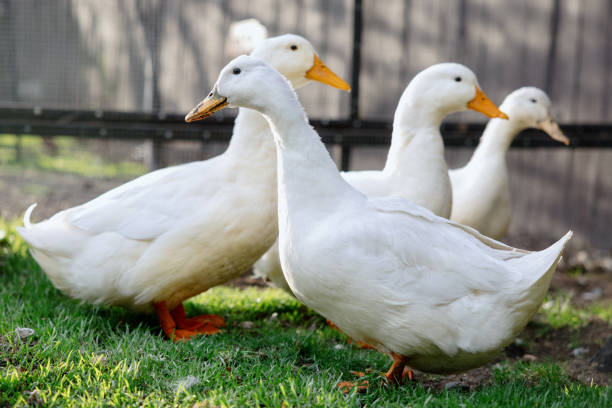
While Reticuloendotheliosis can affect all duck breeds, certain breeds are more susceptible due to genetic predispositions, rearing conditions, or exposure levels. Pekin ducks are among the most commonly affected breeds, primarily because they dominate commercial duck farming operations worldwide. Their high-density rearing environments and rapid growth rates make them especially vulnerable to infectious diseases, including REV.
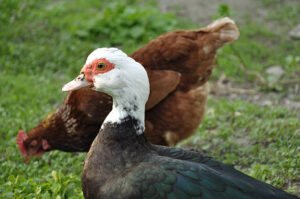
Muscovy ducks are also at significant risk due to their use in hybrid production (e.g., mule ducks from Muscovy drakes and Pekin hens) and their susceptibility to retroviral infections. They often serve as reservoirs and can silently spread the virus within mixed-species flocks.
Rouen, Indian Runner, and Khaki Campbell ducks are also susceptible, particularly in backyard or semi-intensive farming systems where biosecurity measures may be inadequate. These breeds are often raised in rural areas where contact with wild birds—natural carriers of REV—is more frequent.
One of the reasons certain breeds are more affected is linked to genetic susceptibility to retroviruses. Ducks with less robust immune responses or those with inherited immunodeficiencies may experience more severe outcomes following REV infection. Additionally, breeds reared in environments with poor sanitation, high population density, or frequent contact with wild birds are at increased risk due to higher exposure to the virus.
Moreover, imported duck breeds or those introduced from infected flocks can inadvertently introduce REV into previously unexposed populations. This is especially true in regions where surveillance and quarantine protocols are not strictly enforced. Therefore, all duck breeds—regardless of type—are potentially at risk if biosecurity and monitoring practices are not maintained. However, commercial breeds like Pekin and Muscovy remain the most reported cases due to large-scale farming practices and economic importance.
Affected Life Stages
Reticuloendotheliosis can affect ducks at various life stages, but the severity and manifestation of the disease differ significantly based on age.
Young Ducklings (0–4 weeks): Ducklings are particularly vulnerable to the acute form of REV. Infection at this stage often leads to rapid immunosuppression and high mortality. The immature immune system in ducklings cannot respond adequately to the virus, allowing uncontrolled viral replication. Early infection may also disrupt normal organ development, including the bursa of Fabricius and thymus, resulting in lifelong immunodeficiency.
Growing Ducks (5–16 weeks): This stage is critical for tumor development in the chronic form of REV. Ducks infected earlier may begin showing signs of lymphoid tumors, poor weight gain, and uneven flock performance. This period is also when immunosuppression becomes evident, leading to secondary infections that further hinder growth and feed efficiency.
Adult Ducks (17 weeks and older): Adult ducks may carry the virus asymptomatically or develop chronic neoplasms. While mortality may be lower in adults, reproductive performance can be affected, with decreased egg production, poor hatchability, and vertical transmission risks. Older ducks with tumors may exhibit lethargy, respiratory distress, or neurological signs due to organ involvement.
It’s important to recognize that ducks infected at a young age may not show clinical signs until weeks or months later, by which time the virus has already caused irreversible damage. Early detection and monitoring are thus essential, especially in commercial hatcheries and breeding flocks.
Diagnosis of Reticuloendotheliosis in Ducks
Accurate diagnosis of REV is challenging due to overlapping symptoms with other avian diseases. A definitive diagnosis requires a combination of clinical observation, post-mortem examination, and laboratory testing.
1. Clinical and Post-Mortem Examination: Veterinarians observing sick ducks may note emaciation, depression, and poor flock uniformity. During necropsy, enlarged spleen, liver, and other lymphoid organs with white or gray nodular lesions are indicative of neoplasia. However, similar lesions are seen in avian leukosis and Marek’s disease, necessitating further testing.
2. Histopathology: Microscopic examination of affected tissues reveals infiltration of abnormal lymphoid cells, mitotic figures, and tissue destruction. Lymphoma or reticuloendothelial hyperplasia confirms neoplastic involvement.
3. Serological Tests: Enzyme-linked immunosorbent assay (ELISA) can detect REV-specific antibodies in the blood. While useful for flock screening, serological tests may yield false negatives in immunosuppressed birds unable to mount an antibody response.
4. Molecular Diagnosis (PCR): Polymerase Chain Reaction (PCR) is the gold standard for REV detection. It identifies REV proviral DNA in blood, tissues, or feather pulp. Real-time quantitative PCR (qPCR) allows for viral load measurement and early detection, even in subclinical cases.
5. Virus Isolation: Though technically demanding, virus isolation from blood or tissues in cell culture confirms active infection. This method is primarily used in research settings.
6. Immunohistochemistry (IHC): This technique uses specific antibodies to detect REV antigens in tissue sections, helping differentiate REV from other oncogenic viruses.
7. Differential Diagnosis: Distinguishing REV from avian leukosis virus (ALV), Marek’s disease virus (MDV), and reticuloendotheliosis-like viruses in game birds is crucial. ALV and MDV are alpharetroviruses and herpesviruses, respectively, with different transmission routes and pathologies.
Given the complexity, a multimodal diagnostic approach—combining PCR, histopathology, and serology—is recommended for accurate diagnosis, especially in outbreak investigations or breeding stock certification.
Treatment of Reticuloendotheliosis in Ducks
Unfortunately, there is no effective treatment for Reticuloendotheliosis in ducks. As a retroviral disease, REV integrates into the host DNA, making it impossible to eliminate with current antiviral therapies. Antiretroviral drugs used in human medicine (e.g., AZT for HIV) are not approved or effective in poultry due to cost, regulatory restrictions, and lack of safety data.
Once clinical signs appear, the disease is usually irreversible. Supportive care, such as providing clean water, easily digestible feed, and isolating sick birds, may help improve comfort but does not alter disease progression. Antibiotics may be used to manage secondary bacterial infections but do not target the underlying viral cause.
Culling infected birds is the most practical approach in commercial settings to prevent further spread. In valuable breeding stock, PCR screening and isolation of positive individuals may be considered, but eradication from the flock remains difficult due to the risk of latent infections.
The absence of treatment underscores the importance of prevention and early detection to avoid economic losses and maintain flock health.
Prognosis and Complications
The prognosis for ducks infected with REV is generally poor, especially once clinical signs develop. Ducks showing acute symptoms often die within days, while those with chronic tumors may survive for weeks but remain unthrifty and non-productive.
Key complications associated with REV include:
- Tumor formation in vital organs, leading to organ failure.
- Severe immunosuppression, increasing susceptibility to opportunistic pathogens.
- Reduced growth rates and feed conversion efficiency, affecting meat production.
- Decreased egg production and hatchability in breeding ducks.
- Spread of virus to other birds, potentially leading to widespread outbreaks.
- Vaccination failures due to impaired immune response.
- Economic losses from mortality, culling, and reduced productivity.
In addition, REV-infected flocks may face movement restrictions and trade bans, especially in regions with strict avian disease regulations. Chronic infections can persist in flocks for years, silently spreading the virus through contaminated environments or carrier birds.
The long-term prognosis for a REV-positive flock typically involves depopulation, thorough disinfection, and restocking with verified uninfected birds.
Prevention of Reticuloendotheliosis in Ducks
Given the lack of treatment, prevention is the cornerstone of REV control. Effective prevention requires a multi-layered biosecurity and management strategy.
1. Biosecurity Measures:
- Restrict access to the farm by visitors, vehicles, and wild birds.
- Use footbaths with disinfectants at entry points.
- Implement all-in/all-out flock management to prevent carryover infections.
- Separate age groups to minimize vertical transmission risks.
2. Hygiene and Sanitation:
- Regularly clean and disinfect housing, feeders, and waterers.
- Use effective disinfectants such as formaldehyde, sodium hypochlorite, or quaternary ammonium compounds, which inactivate REV.
- Allow downtime between flock cycles for thorough cleaning.
3. Source Control:
- Obtain ducklings and breeding stock from REV-free sources.
- Require health certifications and test results from suppliers.
- Quarantine newly introduced birds for at least 30 days and test them before integration.
4. Vector Control:
- Implement mosquito and insect control programs, especially in warm climates.
- Use screened enclosures and insecticides to reduce insect-borne transmission.
5. Vaccine Safety:
- Ensure all vaccines administered are certified free of REV contamination.
- Avoid using live vaccines that have not undergone rigorous screening.
6. Surveillance and Testing:
- Conduct routine PCR or ELISA screening of flocks, especially breeders and layers.
- Monitor for poor performance, mortality spikes, or tumor-like symptoms.
7. Genetic Resistance:
- Although not yet commercially available, research into breeding ducks with genetic resistance to REV is ongoing and promising.
8. Education and Training:
- Train farm staff on disease recognition, biosecurity protocols, and safe handling practices.
A comprehensive prevention plan significantly reduces the risk of REV introduction and establishment in duck populations.
Diet and Nutrition in Managing REV-Affected Flocks
While diet cannot cure REV, optimal nutrition plays a critical supportive role in maintaining immune function and minimizing secondary complications.
1. Balanced Nutrition: Provide a well-formulated diet rich in essential amino acids (lysine, methionine), vitamins (A, D, E, B complex), and minerals (selenium, zinc). These nutrients support immune cell production and antioxidant defense.
2. Immune-Boosting Supplements:
- Vitamin E and selenium enhance immune responses and reduce oxidative stress.
- Probiotics and prebiotics improve gut health and compete with pathogenic bacteria.
- Beta-glucans and yeast derivatives can stimulate innate immunity.
- Omega-3 fatty acids (from flaxseed or fish oil) have anti-inflammatory effects.
3. High-Energy and High-Protein Diets: For growing ducks, ensure sufficient energy and protein to support growth despite reduced feed intake. Easily digestible feed formulations can help maintain body condition.
4. Clean Water: Ensure constant access to clean, fresh water. Water medicated with electrolytes may help during stress periods.
5. Avoid Mycotoxins: Moldy feed can suppress immunity and exacerbate REV-related immunosuppression. Use mycotoxin binders if feed quality is questionable.
6. Feeding Management: Feed smaller, frequent meals to encourage intake in sick or weak birds. Avoid overcrowding at feeders.
While proper nutrition cannot eliminate the virus, it can improve overall resilience, reduce the severity of secondary infections, and support the health of uninfected birds in the flock.
Zoonotic Risk of Reticuloendotheliosis
One of the reassuring aspects of Reticuloendotheliosis is that there is currently no evidence of zoonotic transmission. REV is host-specific to birds and does not infect humans under natural conditions.
The virus primarily replicates in avian lymphoid tissues and has not been shown to adapt to mammalian cells. Extensive research on retroviruses, including REV, has not found any link between REV in poultry and human disease.
However, indirect zoonotic risks exist:
- Handling infected birds or tissues without proper protection (gloves, masks) may expose individuals to secondary pathogens like Salmonella or E. coli.
- Contaminated environments may pose biohazard risks, especially in backyard flocks with close human contact.
Therefore, while REV itself is not zoonotic, good hygiene practices are essential when handling sick ducks. Farmers and veterinarians should wear protective gear, wash hands thoroughly, and disinfect tools after use.
Public health agencies, including the World Organisation for Animal Health (WOAH) and the CDC, do not classify REV as a zoonotic concern, but ongoing surveillance is important given the evolving nature of viruses.
Conclusion
Reticuloendotheliosis (REV) is a serious viral disease affecting ducks globally, with significant economic and animal welfare implications. Caused by a retrovirus, REV leads to tumors, immunosuppression, and increased mortality, particularly in young and commercially raised ducks. Breeds such as Pekin and Muscovy are most at risk due to their widespread use and susceptibility.
The disease affects all life stages but is most devastating in ducklings. Diagnosis requires laboratory confirmation through PCR, histopathology, or serology, as clinical signs overlap with other diseases. Unfortunately, no treatment exists, making prevention the only effective strategy.
Key preventive measures include strict biosecurity, sourcing from clean flocks, vector control, and routine screening. Nutrition plays a supportive role in mitigating disease impact, while the zoonotic risk remains negligible.
For sustainable duck farming, awareness, early detection, and proactive management of REV are essential. By implementing science-based practices, the poultry industry can reduce the burden of this silent but destructive disease and ensure healthier, more productive flocks.
#Reticuloendotheliosis, #REVInDucks, #DuckHealth, #PoultryDiseases, #AvianVirus, #DuckFarming, #FarmBiosecurity, #PoultryHealth, #VeterinaryCare, #BirdDiseases, #DuckCare, #Retrovirus, #DuckFarmers, #SustainableFarming, #AnimalHealth, #PoultryScience, #BackyardDucks, #DuckVaccination, #Immunosuppression, #AvianHealth, #PoultryManagement, #ViralDiseases, #FarmSafety, #DuckNutrition, #ZoonoticRisk, #OneHealth, #DuckProducers, #VeterinarianTips, #PoultryVaccines, #DuckProduction




Add comment