
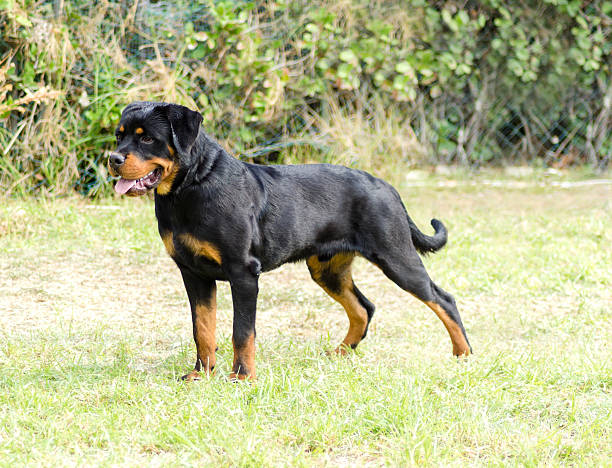
The Rottweiler, often affectionately referred to as a “Rottie,” is a breed steeped in history, renowned for its formidable physical presence, unwavering loyalty, and inherent protective instincts. Originating from ancient Roman drover dogs, these powerful canines were historically bred to drive cattle and guard property, a legacy that continues to define their character today. Beneath their powerful musculature and imposing demeanor lies a deeply devoted, intelligent, and often playful companion. However, their strength and protective nature necessitate responsible ownership, thorough training, and extensive socialization from puppyhood. A well-bred and properly raised Rottweiler is a confident, calm, and courageous dog, capable of being a cherished family member and a steadfast guardian. They are not merely pets; they are partners, requiring mental stimulation, physical exercise, and consistent guidance to thrive.
Other Names
Throughout history and in various regions, the Rottweiler has been known by several names, reflecting its origin and purpose:
- Rottweiler Metzgerhund: This translates to “Rottweil Butcher’s Dog,” a direct reference to their role in the German town of Rottweil, where they drove cattle for butchers to market and guarded their money bags.
- Rottie: A common, affectionate nickname used among enthusiasts and owners.
- Rott: A shortened, less common informal term.
Characteristics
Rottweilers possess a unique blend of physical prowess and mental acuity, making them distinct among dog breeds. Understanding their core characteristics is crucial for potential owners.
Temperament
A well-bred and properly socialized Rottweiler is characterized by a calm, confident, and courageous demeanor. They are inherently protective of their family and territory, a trait that makes them excellent guard dogs but also demands careful management. They are not typically aggressive without cause but will not back down if they perceive a threat to their loved ones. Towards their family, Rottweilers are deeply loyal, affectionate, and can even be quite goofy and playful. They enjoy being close to their owners, often leaning on them or following them from room to room. They are known for their “wait-and-see” attitude towards strangers, observing new people with an intelligent gaze before deciding if they are trustworthy. This discerning nature is part of their guardian instinct.
Intelligence
Rottweilers are highly intelligent dogs. They are quick learners and eager to please their handlers, which makes them highly trainable. However, their intelligence also means they can become bored or destructive if not sufficiently challenged mentally. They excel in various dog sports and activities that require problem-solving, such as obedience, agility, tracking, and even protection sports. Their ability to assess situations and act independently, a trait from their herding and guarding roots, combined with their intelligence, means they need consistent and firm, yet fair, leadership.
Drive
Rottweilers possess several strong drives:
- Prey Drive: While not as high as some hunting breeds, Rottweilers can have a moderate prey drive, especially when young. This means they might chase small animals or fast-moving objects, necessitating secure leashes and fences.
- Guard Drive: This is perhaps their most defining drive. They have a natural inclination to protect their family and property. This drive needs to be channeled correctly through socialization and training, ensuring they distinguish between genuine threats and everyday occurrences.
- Pack Drive: Rottweilers are highly social and thrive on being part of their human “pack.” They do not do well with isolation and prefer to be involved in family activities. This strong pack drive contributes to their loyalty and desire to please.
- Work Drive: Historically working dogs, Rottweilers maintain a strong work ethic. They enjoy having a job to do, whether it’s formal training, carrying a backpack on a hike, or engaging in mentally stimulating games. This drive contributes to their responsiveness during training.
Breed History, Origin
The history of the Rottweiler is a fascinating journey that stretches back nearly two millennia, intertwined with the expansion of the Roman Empire.
Roman Roots
The ancestors of the modern Rottweiler were likely powerful, mastiff-type dogs used by the Roman Legions during their conquests across Europe. These formidable canines served multiple purposes: driving the cattle that fed the legions, guarding encampments, and even participating in combat. As the Romans marched across the Alps and into what is now southern Germany, they established military outposts. One such outpost, a small settlement, was eventually named “Rottweil” – derived from “das Rote Wil,” referring to the red tile roofs of the Roman villas discovered there.
The Butcher’s Dogs of Rottweil
When the Roman Empire eventually collapsed, the Roman dogs were left behind and interbred with local breeds. In the fertile Neckar Valley, around the town of Rottweil, these dogs found a new purpose. For centuries, the town of Rottweil became a thriving cattle market center. Local butchers, known as “metzgers,” needed strong, resilient dogs to drive their herds of cattle long distances from pastures to market. These dogs also served as invaluable protectors. They would guard the butcher’s money bags, often tied around their necks, from bandits and thieves, and protect the cattle from rustlers. This crucial role earned them the moniker “Rottweiler Metzgerhund” – the Rottweil Butcher’s Dog. Their strength, intelligence, and protective instincts were honed through generations of rigorous work.
Decline and Revival
With the advent of railroads in the 19th century, the need for cattle-driving dogs significantly diminished. The Rottweiler breed faced a severe decline, almost to the point of extinction. By 1900, only a handful of Rottweilers could be found in Rottweil. Fortunately, dedicated fanciers recognized the breed’s incredible qualities and began efforts to revive it. In 1901, the first Rottweiler and Leonberger Club was founded, albeit short-lived. More successful attempts followed, with the establishment of the Deutscher Rottweiler-Klub (DRK) in 1907 and the Süddeutscher Rottweiler-Klub (SDRK) in 1907, which later merged to form the Allgemeiner Deutscher Rottweiler-Klub (ADRK) in 1921. The ADRK remains the leading authority for the breed in Germany today, defining the breed standard and promoting responsible breeding.
Modern Era
The Rottweiler’s inherent intelligence, courage, and trainability soon led to its adoption for other working roles. They were among the first breeds used as police dogs and military dogs, roles they continue to excel in globally. Their introduction to the United States occurred in the early 20th century, with the first Rottweiler registered with the American Kennel Club (AKC) in 1931. The breed’s popularity steadily grew, peaking in the 1990s, where they often ranked among the top AKC breeds. Today, the Rottweiler is admired worldwide for its versatility, loyalty, and protective nature, serving as cherished family companions, service dogs, police dogs, and participants in various dog sports.
Purebreds or Hybrids
The Rottweiler, as recognized by major kennel clubs worldwide, is a distinct purebred dog breed. This means that both parents must be registered Rottweilers for the offspring to be considered a purebred Rottweiler. Purebred breeding aims to maintain consistent characteristics, temperament, and appearance defined by a breed standard.
However, like many popular breeds, Rottweilers are sometimes crossbred with other breeds, resulting in hybrids or “designer dogs.” These crosses are not recognized as purebreds by kennel clubs. Some common Rottweiler hybrids include:
- Rottweiler-German Shepherd Mix (Shepweiler or Rottie Shepherd): Combines the protective instincts of both breeds, often resulting in a highly intelligent and energetic dog.
- Rottweiler-Labrador Retriever Mix (Labrottie): Aims to blend the Rottweiler’s guarding instincts with the Labrador’s friendly and outgoing nature.
- Rottweiler-Pitbull Mix (Pitweiler): A powerful combination, typically resulting in a strong, muscular dog with high energy and protective traits.
- Rottweiler-Husky Mix (Rottsky): An unusual cross, combining the Rottweiler’s guarding nature with the Husky’s independent, energetic, and often vocal personality.
While these hybrids can inherit desirable traits from both parent breeds, their temperament, appearance, and health are often less predictable than purebreds. Potential owners considering a hybrid should research both parent breeds thoroughly and understand the potential range of characteristics their mixed-breed dog might exhibit.
Physical Characteristics
The Rottweiler is a medium to large-sized, robust, and powerful dog, built for strength, endurance, and agility. Its imposing presence is a key part of its appeal and historical function.
Size
Rottweilers exhibit sexual dimorphism, with males generally larger and more substantially built than females.
- Males:
- Height: 24-27 inches (61-69 cm) at the shoulder.
- Weight: 95-135 pounds (43-61 kg), sometimes more for exceptionally large individuals.
- Females:
- Height: 22-25 inches (56-63 cm) at the shoulder.
- Weight: 80-100 pounds (36-45 kg).
They possess a broad chest, a well-muscled body, and powerful limbs, indicating their strength and athleticism. Their gait should be strong, firm, and free, with good reach and drive.
Color
The Rottweiler’s coat color is a hallmark of the breed and strictly defined by breed standards.
- Main Color: Always black. This black covers the majority of their body.
- Markings: They have clearly defined tan (or mahogany) markings. These markings are typically found in specific locations:
- Above each eye.
- On the cheeks.
- On the muzzle (creating a “mask”).
- On the throat.
- On the chest (two triangles).
- On the legs (front of the forelegs, inside of the rear legs).
- Under the tail.
- On the pasterns and paws (often described as “pencil markings” on the toes). The black should be a rich, profound hue, and the tan markings should be clean and clear, not muddy or faded. Any other coat color, such as red, blue, or solid black without markings, is a disqualifying fault in purebred Rottweilers and indicates a deviation from the breed standard.
Coat Type
Rottweilers have a distinctive double coat, designed to provide protection against various weather conditions.
- Outer Coat: This layer is medium-length, coarse, straight, and lies flat against the body. It should be neither too long nor too wavy.
- Undercoat: A soft, downy undercoat is present on the neck and thighs, and its thickness varies with climate. In colder environments, the undercoat will be denser, while in warmer climates, it might be sparse or non-existent. The coat provides insulation from cold and heat and offers a degree of water resistance.
Hypoallergenic
No, Rottweilers are not considered a hypoallergenic breed. While no dog breed is 100% hypoallergenic, breeds that are typically labeled as such shed very little hair and dander (dead skin cells) which are the primary culprits for triggering allergies in sensitive individuals. Rottweilers, with their double coat, do shed, especially seasonally, and they produce dander. Therefore, they are not suitable for individuals with moderate to severe dog allergies.
Life Expectancy
The average life expectancy for a Rottweiler is generally 8 to 10 years. Some individuals may live slightly shorter or longer, with some robust Rottweilers reaching 11 or 12 years. Factors such as genetics, diet, exercise, overall health care, and the prevention/management of common health issues significantly influence an individual dog’s lifespan. Responsible breeding practices that screen for genetic diseases can contribute to healthier, longer-lived dogs.
Litter Size
The average litter size for a Rottweiler is typically 6 to 8 puppies. However, litter sizes can vary. It’s not uncommon for a Rottweiler litter to range from as few as 4 puppies to as many as 12 or even more. Factors influencing litter size include the age and health of the mother, the sire, genetics, and nutrition.
Health Issues
Like all purebred dogs, Rottweilers are predisposed to certain genetic and breed-specific health issues. Responsible breeders screen their breeding stock for these conditions to minimize their incidence. Potential owners should be aware of these common issues:
- Hip Dysplasia: A genetic condition where the hip joint doesn’t form properly, leading to looseness and eventual arthritis. It can cause pain, lameness, and difficulty moving. Screening via X-rays (OFA or PennHIP) is crucial for breeding dogs.
- Elbow Dysplasia: Similar to hip dysplasia, this involves abnormal development of the elbow joint, leading to pain and lameness. X-ray screening is also used for elbows.
- Osteosarcoma (Bone Cancer): Rottweilers have a significantly higher incidence of this aggressive form of bone cancer compared to other breeds. It often affects the long bones of the limbs and is highly metastatic.
- Aortic Stenosis (AS): A congenital heart defect where the aortic valve (between the left ventricle and the aorta) is narrowed, restricting blood flow from the heart. It can range from mild to severe, with severe cases potentially leading to sudden death. Heart murmurs often indicate its presence, and definitive diagnosis requires echocardiography.
- Subvalvular Aortic Stenosis (SAS): A specific type of AS where there is a fibrous ring or ridge below the aortic valve, causing the narrowing. This is a common and serious concern in Rottweilers.
- Progressive Retinal Atrophy (PRA): A group of degenerative eye diseases that affect the photoreceptor cells in the retina, eventually leading to blindness. There are genetic tests available for certain forms of PRA.
- Entropion and Ectropion:
- Entropion: A condition where the eyelid rolls inward, causing eyelashes to rub against the cornea, leading to irritation, pain, and potentially corneal ulcers.
- Ectropion: The opposite, where the eyelid rolls outward, exposing the conjunctiva and making the eye prone to dryness and irritation. Both conditions usually require surgical correction.
- Hypothyroidism: An underactive thyroid gland, resulting in insufficient production of thyroid hormones. Symptoms include lethargy, weight gain, hair loss, and skin problems. It is manageable with daily medication.
- Bloat (Gastric Dilatation-Volvulus – GDV): A life-threatening condition common in deep-chested breeds like Rottweilers. The stomach fills with gas (dilatation) and then twists (volvulus), cutting off blood supply. It requires immediate veterinary invention and is often fatal if not treated quickly. Feeding smaller, more frequent meals, avoiding exercise around meal times, and potentially prophylactic gastropexy surgery can reduce risk.
- Canine Leukocyte Adhesion Deficiency (CLAD – Type 1): A rare genetic immune deficiency that primarily affects Irish setters but has been found in some Rottweiler lines. It impairs the ability of white blood cells to fight infection, leading to recurrent, severe bacterial infections.
- Von Willebrand’s Disease (vWD): An inherited bleeding disorder caused by a deficiency in Von Willebrand factor, a protein necessary for normal blood clotting. Symptoms can range from mild bruising to severe, life-threatening hemorrhaging. Genetic testing is available.
Regular veterinary check-ups, a balanced diet, appropriate exercise, and maintaining a healthy weight are essential for promoting a Rottweiler’s overall health and longevity.
Grooming Needs
Rottweilers are relatively low-maintenance when it comes to grooming, primarily due to their short, coarse coats. However, regular care is still essential to keep them healthy and looking their best.
- Brushing: Weekly brushing with a rubber curry brush, shedding blade, or a firm-bristled brush is usually sufficient. This helps remove loose hair, distribute skin oils, and stimulate circulation. During shedding seasons (typically twice a year in spring and fall), daily brushing may be necessary to manage the increased hair loss.
- Bathing: Rottweilers do not require frequent bathing. Bathing every 1-3 months, or when they get particularly dirty, is generally sufficient. Over-bathing can strip natural oils from their skin and coat, leading to dryness or irritation. Use a dog-specific shampoo.
- Nail Trimming: Regular nail trimming is crucial. If a dog’s nails grow too long, they can cause discomfort, alter their gait, and lead to paw injuries or infections. Aim to trim nails every 2-4 weeks. If you hear their nails clicking on hard floors, they are too long. Start nail care early in puppyhood to desensitize them to the process.
- Ear Care: Weekly ear checks are important. Look for redness, odor, or discharge, which can indicate an ear infection. Clean their ears with a veterinarian-approved ear cleaner as needed, using a cotton ball or gauze. Never use cotton swabs deep inside the ear canal.
- Dental Hygiene: Like all dogs, Rottweilers benefit from regular dental care. Daily tooth brushing with dog-specific toothpaste is ideal to prevent plaque and tartar buildup, which can lead to periodontal disease. Dental chews and professional cleanings, as recommended by your vet, also contribute to good oral health.
Shedding Levels
Rottweilers are considered moderate to heavy shedding dogs. They have a double coat, and while their individual hairs are short, they do shed year-round, with two periods of more intense shedding (known as “blowing coat”) in the spring and fall. During these seasonal shedding events, the undercoat comes out in clumps, and daily brushing is highly recommended to control the amount of hair around the house. Their short, stiff hairs can also weave themselves into carpets and upholstery, making them somewhat challenging to remove. Regular grooming, as mentioned above, is the best way to manage shedding.
Dog Group
The Rottweiler belongs to the Working Group in kennel club classifications worldwide.
- American Kennel Club (AKC): Working Group
- Fédération Cynologique Internationale (FCI): Group 2 (Pinscher and Schnauzer – Molossoid Breeds – Swiss Mountain and Cattle Dogs), Section 2.1 (Molossoid, Mastiff-type)
Dogs in the Working Group were historically bred to perform specific tasks such as guarding property, pulling sleds, and performing water rescues. The Rottweiler’s original purpose as a cattle drover and guardian perfectly aligns with the characteristics of this group – strength, intelligence, and a strong work ethic.
Recognition by Kennel Clubs
The Rottweiler is a globally recognized and highly esteemed breed, acknowledged by all major international and national kennel clubs.
- American Kennel Club (AKC): Recognized
- Fédération Cynologique Internationale (FCI): Recognized
- The Kennel Club (UK): Recognized
- Canadian Kennel Club (CKC): Recognized
- United Kennel Club (UKC): Recognized
- Australian National Kennel Council (ANKC): Recognized
- New Zealand Kennel Club (NZKC): Recognized
- Allgemeiner Deutscher Rottweiler-Klub (ADRK): The official breed club in Germany, serving as the international authority for the breed standard.
This widespread recognition underscores the breed’s consistent characteristics and adherence to a defined standard across the globe.
Exercise Requirements
Rottweilers are powerful and athletic dogs with moderate to high exercise requirements. They need regular physical activity to maintain their muscular physique, stay mentally stimulated, and prevent boredom or destructive behaviors.
- Daily Exercise: An adult Rottweiler needs at least 60-90 minutes of vigorous exercise per day. This isn’t just a leisurely stroll around the block; it needs to include activities that burn energy and engage their minds.
- Types of Exercise:
- Brisk Walks/Jogging: Long, fast-paced walks or jogs are excellent for physical conditioning.
- Running: Once their growth plates have closed (around 18-24 months of age), Rottweilers can make good running companions.
- Hiking: They enjoy exploring new trails and can handle challenging terrain.
- Swimming: Many Rottweilers enjoy swimming and it’s a great low-impact exercise.
- Fetch/Frisbee: Short bursts of high-intensity play are good for burning off energy.
- Dog Sports: Agility, obedience, rally, tracking, weight pulling, and Schutzhund (IPO) are excellent outlets for their physical and mental energy.
- Interactive Play: Tug-of-war (with rules), hide-and-seek, and puzzle toys can provide mental stimulation.
- Importance of Mental Stimulation: Physical exercise alone is not enough. Rottweilers are intelligent and thrive on mental challenges. Training sessions, puzzle toys, and interactive games are crucial to prevent boredom and destructive behaviors.
- Puppies and Adolescents: Younger Rottweilers have delicate growth plates. Over-exercising puppies, especially activities involving excessive jumping or hard impacts, can lead to orthopedic problems later in life. Keep exercise sessions shorter and less impactful for puppies, focusing on controlled play and short walks. As they mature, gradually increase intensity and duration.
A Rottweiler that doesn’t get sufficient exercise is likely to become restless, anxious, and destructive, leading to unwanted behaviors like excessive barking, chewing, or digging. Consistent and appropriate exercise is fundamental to a well-balanced Rottweiler.
Energy Levels
Rottweilers generally have moderate to high energy levels. They are not hyperactive dogs that constantly bounce off the walls, but they are not couch potatoes either. Their energy is often described as “purposeful” or “sustained.” When they are awake, they are typically alert and ready for action, especially if there’s a perceived job to do or an opportunity for play or training.
- Puppies: Young Rottweilers are bundles of energy, full of typical puppy exuberance. Their play sessions can be quite intense.
- Adolescents: This phase (from about 6 months to 2 years) is often characterized by very high energy and a need for consistent outlets. They might test boundaries and require diligent training and management.
- Adults: Once mature (around 2-3 years of age), their energy tends to become more settled. They can be calm and relaxed indoors, often choosing to lounge near their owners, but they still require their daily dose of vigorous activity to be content. If they don’t get it, that pent-up energy will manifest in undesirable ways.
- Senior Dogs: As they age, their energy naturally decreases, and exercise needs will shift to gentler activities.
Understanding their energy levels is vital. A Rottweiler who is bored and under-exercised will invent its own ways to burn energy, which often means destructive chewing, digging, or excessive barking. Properly channeled energy, however, results in a calm, well-behaved, and happy companion.
Training Tips
Training a Rottweiler is not merely optional; it is absolutely essential. Given their size, strength, intelligence, and protective instincts, a well-trained Rottweiler is a joy, while an untrained one can be a liability. Their eagerness to please, combined with their intelligence, makes them highly trainable.
1. Start Early and Socialize Extensively
- Puppyhood (8-16 weeks): This is the most critical period for socialization. Expose your Rottweiler puppy to a wide variety of sights, sounds, people (of all ages and appearances), places, and other friendly, vaccinated dogs. Enroll in puppy kindergarten classes. Positive experiences during this phase build a confident, well-adjusted adult dog.
- Ongoing Socialization: Socialization is not a one-time event. Continue to expose your Rottweiler to new experiences throughout their life, always ensuring these encounters are positive and controlled.
2. Positive Reinforcement is Key
- Rottweilers respond best to positive reinforcement methods. Use treats, praise, toys, and affection to reward desired behaviors. Avoid harsh corrections or punishment, as these can damage their trust, lead to fear, or provoke defensiveness.
- Make training fun and engaging. Rottweilers thrive on having a “job” and will enjoy the mental stimulation and bonding that training provides.
3. Establish Clear Leadership (Not Dominance)
- Rottweilers need a confident, consistent, and fair leader. This doesn’t mean being aggressive or dominant; it means setting clear rules and boundaries, and consistently enforcing them. Your Rottweiler should see you as a reliable guide they can trust.
- Consistency is paramount. Everyone in the household must use the same commands and expectations.
4. Basic Obedience (The Foundations)
- Sit, Stay, Come, Down, Leave It, Drop It: These commands are non-negotiable for a large, powerful dog. “Come” (recall) can be life-saving.
- Leash Training: Start early with a well-fitting collar/harness and leash. Teach them to walk politely without pulling. A Rottweiler pulling on a leash can be incredibly challenging to control for even a strong adult.
- Crate Training: A crate can be a safe den for your dog, aid in house-training, and provide a secure travel space.
- House Training: Establish a consistent schedule for potty breaks and reward success.
5. Advanced Training and Mental Stimulation
- Once basic obedience is mastered, move on to more advanced commands and activities. Rottweilers excel in advanced obedience, rally, agility, tracking, and protection sports (like Schutzhund/IPO, but only under expert guidance).
- Puzzle toys, interactive games (like scent work or “find it”), and learning new tricks provide valuable mental exercise.
6. Address Nipping and Biting in Puppies
- Rottweiler puppies are mouthy. Teach bite inhibition immediately. If they nip too hard, yelp and withdraw attention. Redirect their chewing to appropriate toys.
7. Professional Help
- If you’re a first-time dog owner or encountering training challenges, don’t hesitate to seek help from a professional dog trainer experienced with large, working breeds. Group classes offer socialization opportunities in a structured environment.
Remember, training is an ongoing process throughout a Rottweiler’s life. It strengthens the bond between you and your dog, ensures their safety and the safety of others, and unlocks their full potential as a magnificent companion.
Nutrition, Diet
Proper nutrition is fundamental for the health, growth, and longevity of a Rottweiler. Given their size, muscle mass, and susceptibility to certain health issues, their diet requires careful consideration.
1. High-Quality Dog Food
- Commercial Kibble: Choose a high-quality commercial dog food that lists a named meat source (e.g., chicken meal, lamb meal, beef) as the first ingredient. Avoid foods with excessive fillers (corn, soy, wheat as primary ingredients) or artificial preservatives, colors, and flavors.
- Life Stage Formulas: Feed a food appropriate for your dog’s life stage:
- Large Breed Puppy Formula: Crucial for Rottweiler puppies. These formulas are specifically designed with controlled calcium and phosphorus levels to support slow and steady bone growth, helping to prevent orthopedic problems like hip and elbow dysplasia.
- Adult Formula: Transition to an adult formula around 12-18 months of age, depending on the individual dog’s maturity.
- Senior Formula: For older dogs, a senior formula might be beneficial, often lower in calories and higher in joint-supporting ingredients.
- Grain-Free vs. Grains: The debate around grain-free diets continues. Consult your veterinarian. For most healthy dogs, quality grains are a beneficial source of nutrients. Some studies have suggested a potential link between grain-free diets (especially those high in legumes like peas and lentils) and dilated cardiomyopathy (DCM) in some breeds, including Rottweilers, though the exact relationship is still under investigation.
2. Feeding Schedule and Portions
- Puppies: Usually require 3-4 meals a day.
- Adults: Typically do well on 2 meals a day (morning and evening). This can also help reduce the risk of bloat (GDV).
- Portion Control: Follow the feeding guidelines on the dog food bag as a starting point, but adjust based on your dog’s activity level, age, and metabolism to maintain an ideal body weight. Regularly assess your dog’s body condition score – you should be able to feel their ribs easily but not see them prominently, and they should have a discernible waist.
- Avoid Free-Feeding: Rottweilers can be prone to obesity if allowed to free-feed, which puts stress on their joints and can exacerbate health issues.
3. Preventing Bloat (GDV)
- Feed Smaller, More Frequent Meals: Instead of one large meal, split the daily ration into two or three smaller meals.
- Slow Down Eating: Use slow-feeder bowls or puzzle feeders to prevent rapid ingestion of food and air.
- Avoid Exercise Around Meals: Do not let your Rottweiler engage in vigorous exercise (running, jumping, intense play) an hour before or two hours after eating.
- Limit Water Intake Around Meals: Don’t allow them to gulp large quantities of water immediately before or after eating.
- Elevated Bowls: The effectiveness of elevated bowls in preventing bloat is debated, with some studies suggesting they might increase risk. Consult your vet for the latest recommendations.
4. Supplements
- Joint Supplements: Many Rottweiler owners proactively give joint supplements containing glucosamine, chondroitin, and MSM, especially as their dogs age or if they have a predisposition to orthopedic issues. Consult your vet before starting any supplements.
- Omega-3 Fatty Acids: Fish oil can benefit skin, coat, and overall health, including joint and cognitive function.
5. Hydration
- Always ensure your Rottweiler has access to fresh, clean water.
6. Treats
- Use treats sparingly and ensure they are healthy. Reserve high-value treats for training. Account for treats in their daily caloric intake to prevent overfeeding.
Always consult your veterinarian for specific dietary recommendations tailored to your individual Rottweiler’s age, health status, and activity level.
Family Pet?
The question of whether a Rottweiler makes a good family pet is complex, and the answer is a resounding yes, but with significant caveats and conditions. A properly bred, well-socialized, and consistently trained Rottweiler can be an exceptionally loving, loyal, and protective family member. However, they are not suitable for every household.
With Children
- Potential for Excellent Companions: Rottweilers can be wonderful with children they are raised with, often displaying a patient and protective nature. They adore their “pack” members, and children are definitely part of that pack.
- Supervision is Non-Negotiable: Due to their size and strength, accidental knocking over or rough play is a risk, even if unintentional. All interactions between a Rottweiler and children (especially young children) must be supervised.
- Teach Children Respect: Children must be taught how to interact respectfully with dogs, including not pulling tails or ears, not disturbing them while eating or sleeping, and understanding dog body language.
- Socialization is Key: A Rottweiler must be socialized with children from a young age to ensure they view them as part of their family, not as strange, unpredictable beings.
With Other Pets
- Early Introduction is Best: Rottweilers generally do well with other pets if raised with them from puppyhood. They learn to accept them as part of their family.
- Same-Sex Aggression (Especially Males): Some Rottweilers, particularly unneutered males, can exhibit same-sex aggression towards other dogs, even if well-socialized. Introductions to new dogs should always be controlled and supervised.
- Prey Drive: While generally controllable, their historical background as cattle drovers means some individuals may have a higher prey drive, which could pose a risk to smaller, fast-moving pets like cats or rabbits if not properly introduced and managed.
- Consistency: Establishing a clear hierarchy and consistent rules helps ensure peaceful cohabitation.
Overall Suitability as a Family Pet
- Devoted and Affectionate: Rottweilers bond deeply with their families and thrive on companionship. They are known for their “lean” – pushing their body against their owner as a sign of affection.
- Protective Instincts: Their natural guardian instincts mean they will fiercely protect their family if they perceive a threat. This can be comforting but also requires careful training to ensure they differentiate between real threats and benign situations.
- Not a “Hands-Off” Dog: Rottweilers require a significant investment of time, effort, and commitment. They are not dogs that can be left alone for long periods or simply put in the backyard. They need to be integrated into family life.
- Size and Strength: Their sheer size and power mean they are not suitable for frail or inexperienced owners who cannot physically manage them, especially during adolescence.
In conclusion, a Rottweiler can be an exceptional family pet for the right family – one that is committed to early and ongoing socialization, consistent training, proper exercise, and responsible ownership. They thrive on love, structure, and being an integral part of their human pack.
Right For You?
Deciding if a Rottweiler is the right dog for you is a significant decision that requires honest self-assessment of your lifestyle, experience, and commitment. This breed is not for everyone.
A Rottweiler might be right for you if:
- You have experience with large, strong breeds: You understand the commitment required for training, socialization, and management of a powerful dog.
- You are a confident, consistent, and calm leader: Rottweilers thrive under clear, fair leadership. You must be able to set and enforce boundaries consistently.
- You are committed to early and ongoing socialization: You are willing to expose your puppy to a wide variety of people, places, sounds, and other dogs in a positive and controlled manner, and continue this throughout their life. This is absolutely critical for a well-adjusted Rottweiler.
- You can provide ample exercise: You are prepared to dedicate at least 60-90 minutes daily to vigorous physical activity, such as brisk walks, runs, hikes, or active play.
- You can provide mental stimulation: You understand that their intelligent minds need a “job” to do, whether it’s obedience training, puzzle toys, or dog sports, to prevent boredom and destructive behaviors.
- You have the time for training: You are committed to consistent training sessions, from basic obedience in puppyhood to advanced training throughout their adult life.
- You want an integral family member: You are looking for a dog that will be part of your daily life, involved in family activities, and kept indoors, not relegated to the backyard.
- You understand the financial commitment: You are prepared for the costs associated with feeding a large dog, potential veterinary care for breed-specific health issues, and professional training if needed.
- You have a secure living environment: A securely fenced yard is essential, and you understand the importance of leash control in public.
- You appreciate their protective nature: You want a loyal guardian and understand that their protective instincts need to be responsibly managed through training.
A Rottweiler might NOT be right for you if:
- You are a first-time dog owner with no previous experience with powerful breeds: Their strength, intelligence, and protective drives can be overwhelming for an inexperienced owner.
- You lead a sedentary lifestyle: If you’re not prepared for daily vigorous exercise, a Rottweiler will become bored, destructive, and potentially difficult to manage.
- You prefer a highly independent dog: Rottweilers thrive on human companionship and do not do well being left alone for long periods or isolated from their family.
- You are inconsistent or timid in your approach to training: A Rottweiler needs a firm but fair leader. Inconsistency can lead to confusion and behavioral problems.
- You are looking for a “backyard dog” or a status symbol: Rottweilers are not meant to live outdoors in isolation, nor should they be acquired purely for their tough image.
- You have limited time for training and socialization: These are non-negotiable for a well-adjusted Rottweiler.
- You have severe dog allergies: Rottweilers are not hypoallergenic.
- You are not prepared for a long-term commitment: Rottweilers live for 8-10 years and require dedication throughout their lives.
- You are not prepared to manage a strong, large dog: Physically controlling an excited adult Rottweiler requires strength and proper training.
Ultimately, bringing a Rottweiler into your home is a huge responsibility. When properly raised and cared for, they are magnificent animals – loyal, loving, and protective companions. When neglected or poorly trained, they can become a serious problem. Research, preparation, and an unwavering commitment are key to a successful partnership with this remarkable breed.
Conclusion
The Rottweiler is a breed of profound historical significance, a living testament to centuries of selective breeding for strength, intelligence, and unwavering loyalty. From their ancient Roman origins as cattle drovers and guardians to their modern role as cherished family companions and dedicated working dogs, Rottweilers have consistently proven their versatility and admirable character.
To share life with a Rottweiler is to embrace a dynamic partnership built on mutual respect and understanding. They offer deep affection, steadfast protection, and endless opportunities for engagement and learning. However, their formidable physical presence, powerful instincts, and significant exercise and mental stimulation needs demand responsible and committed ownership. They thrive under the guidance of a confident, consistent, and fair leader who understands the crucial importance of early socialization and continuous training.
For the right individual or family – those willing to invest the time, effort, and resources into nurturing their potential – a Rottweiler will undoubtedly enrich their lives with unparalleled companionship, a sense of security, and the enduring love of a truly magnificent canine. They are not just pets; they are an experience, a challenge, and ultimately, an incredibly rewarding journey.
#Rottweiler #Rottie #RottweilerLife #RottweilerLove #RottweilerDog #DogBreedInfo #RottweilerPuppy #PurebredRottweiler #WorkingDog #DogTraining #RottweilerHealth #RottweilerGrooming #RottweilerFacts #DogsofInstagram #RottweilerWorld #RottieMom #RottieDad #RottweilerCommunity #GuardianDog #LoyalCompanion #PetCare #DogBreeds #CanineCompanion #RottweilerGuide





Add comment