
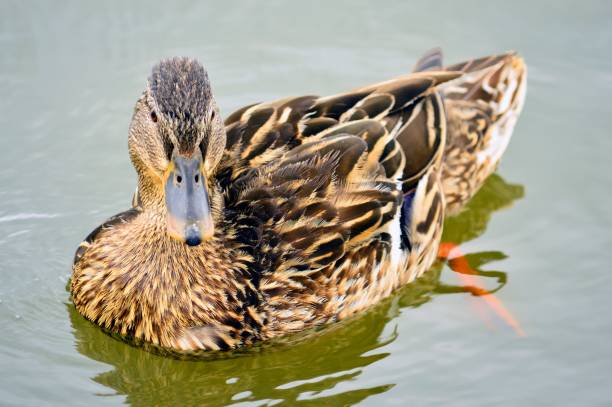
The Rouen duck is one of the most iconic and beloved domestic duck breeds in the world, admired for its majestic appearance, gentle temperament, and rich historical background. Originating in France and named after the city of Rouen in Normandy, this breed was initially bred for meat production, prized for its large size and deep breast meat. Over time, it has also become popular among small-scale farmers, homesteaders, and even show enthusiasts due to its striking plumage and docile nature. While the Rouen is not a prolific layer compared to utility breeds like the Khaki Campbell or Indian Runner, its presence on a farm or in a backyard adds both aesthetic appeal and practical value.
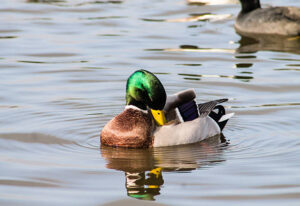
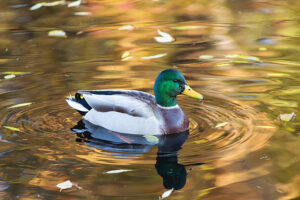
Rouens are large, heavy ducks that closely resemble the wild Mallard (Anas platyrhynchos), from which they were likely developed. Their plumage is nearly identical to that of the male and female Mallard, though the coloration is richer, more vivid, and more uniform due to generations of selective breeding. The breed’s calm demeanor, adaptability to various climates, and suitability for free-ranging make it a top choice for beginners and experienced duck keepers alike.
This guide provides a detailed, in-depth exploration of all aspects of the Rouen duck, including its history, physical characteristics, care needs, reproductive traits, economic viability, and environmental impact. Whether you are a homesteader looking to raise ducks for meat, a hobbyist seeking a gentle companion, or a breeder aiming for show success, this comprehensive resource will equip you with the knowledge to raise healthy, happy Rouen ducks.
Other Names & Synonyms
The Rouen duck is known by several names and synonyms depending on the region and context. The most common alternative names include:
- Rouen Duck (most widely used name)
- Rouen Normand (French name, more commonly used in Europe)
- Rouen Clair (refers to the clear, standard coloration)
- Heavy Rouen (a term used in North America to differentiate the large, meat-type variety from lighter bantam or wild-type ducks)
- American Rouen (used in the U.S. to denote the larger, standardized version developed by American poultry fanciers)
- English Rouen (used in the UK and Europe, typically slightly smaller than the American strain)
- Domestic Mallard (used colloquially to describe Rouens due to their resemblance to wild Mallards)
It is important to distinguish between the standard Rouen and the Bantam Rouen, which is a smaller, ornamental version of the breed developed for backyard and exhibition purposes. Bantam Rouens are not suitable for meat production but are popular among urban duck keepers due to their manageable size.
Primary Breed Purpose
The primary purpose of the Rouen duck is meat production, particularly in traditional and heritage farming systems. The breed is renowned for its broad, deep breast and high-quality meat, which has a rich, gamey flavor often compared to wild duck. Due to its slower growth rate and higher feed conversion ratio compared to commercial meat ducks like the Pekin, the Rouen is not favored in industrial farming. However, it is highly valued among small-scale producers, homesteaders, and gourmet chefs for its superior texture and taste, especially in artisanal and slow-food movements.
In addition to meat, the Rouen serves secondary roles:
- Ornamental/Exhibition Use: The Rouen is a popular show bird due to its elegant form and beautiful plumage. American Poultry Association (APA) and other poultry associations recognize the breed in their standards.
- Egg Production (Limited): While not a layer by any means, Rouens do lay a modest number of large, white to tinted eggs—approximately 35 to 125 per year.
- Companionship: Known for their calm and friendly temperament, Rouens make excellent pets and are often kept by families or in educational farms.
- Conservation Breeding: As a heritage breed, Rouens are part of efforts to preserve genetic diversity in poultry.
Physical Characteristics
The Rouen is a large, robust duck with a horizontal stance and broad body. Its physical characteristics are striking and closely mimic those of the wild Mallard, though breeders have enhanced size and uniformity.
General Appearance:
- Body: Long, deep, and broad, held nearly horizontal to the ground
- Neck: Medium-length, thick, and gracefully curved
- Head: Well-rounded with a prominent forehead
- Bill: Dark olive-green to black, depending on sex and age
- Legs and feet: Orange to reddish-orange, positioned beneath the body to support its weight
Sexual Dimorphism (Male vs. Female):
- Drake (Male): Exhibits iridescent green head, white neck ring, chestnut-brown breast, gray body with black-and-white vermiculated (wavy) patterning, and black rear. The drake’s bill is greenish-black.
- Duck (Female): Resembles a female Mallard with mottled brown plumage all over, orange bill with dark mottling, and a more subdued overall coloration.
Size Class: Large Breed
Weight Distribution:
- Drake: 9–11 lbs (4.1–5.0 kg)
- Duck: 7–8.5 lbs (3.2–3.9 kg)
Rouens are heavier than most other domestic duck breeds, with a broad breast and thick layer of subcutaneous fat, which contributes to their meat quality but limits their mobility and flying ability.
Weight & Growth Curve
Rouens are slow-growing ducks, requiring more time to reach maturity compared to fast-growing commercial breeds like Pekins.
- Day 1 Hatchling: 70–90 grams (2.5–3.2 oz)
- Week 4: 1.1–1.4 kg (2.4–3.1 lbs)
- Week 8: 2.3–2.7 kg (5–6 lbs)
- Week 12: 3.2–3.6 kg (7–8 lbs) —接近成熟
- Week 16–20: Full maturity at 3.6–5.0 kg (8–11 lbs), depending on sex
Males typically grow faster and larger than females. They reach market weight for meat at around 20–24 weeks, though some traditional producers may allow them to mature longer for enhanced flavor.
It’s important to note that their slow growth rate means higher feed costs and longer care periods. However, this also results in denser, more flavorful meat with better fat marbling—something preferred in gourmet cuisine.
Climatic Tolerances
Rouen ducks are surprisingly adaptable to a wide range of climates, though they thrive best in temperate zones with access to water and shelter.
- Cold Tolerance: High. Their dense plumage and layer of body fat offer good insulation. They can endure temperatures as low as 10°F (-12°C) if provided dry bedding, draft-free shelter, and access to unfrozen water.
- Heat Tolerance: Moderate. Their large size and dark plumage can make them susceptible to overheating in temperatures above 90°F (32°C). Shade, ventilation, and ample cool water are essential.
- Humidity: Tolerated well, but high humidity combined with heat increases the risk of heat stress and respiratory issues.
- Wind and Rain: Excellent tolerance due to waterproof feathers and robust build.
Always ensure access to clean, shallow water for drinking and dabbling. While Rouens cannot fly, they benefit from water for foot and eye health, preening, and thermoregulation.
Reproduction & Egg Production
Rouens are not prolific layers, but they are reliable and consistent during their laying season.
- Egg Production: 35–125 eggs per year
- Egg Size: Large to jumbo (usually 70–85 grams)
- Egg Color: White, creamy-white, or pale greenish tint
- Laying Season: Primarily spring and early summer (February to July in the Northern Hemisphere), though some individuals may lay sporadically year-round
- Age at First Lay: 6–8 months
Hens are generally good sitters and often go broody, making them excellent for natural incubation and raising ducklings. Their maternal instincts are strong, and they will fiercely protect their nest and young.
To encourage laying, ensure:
- 14–16 hours of light daily (natural or supplemental)
- Balanced nutrition with adequate calcium
- Stress-free environment
- Safe nesting areas (dark, quiet boxes or shelters)
Drakes reach sexual maturity at around 7 months. A single drake can service 4–6 hens effectively in a breeding flock.
Flying Ability
Rouen ducks are non-flying or semi-flightless due to their heavy body weight and short wings relative to their size. While young ducklings may flutter or hop short distances, adult Rouens are physically incapable of sustained or high-flight.
This lack of flight makes them easier to contain—low fencing (2–3 feet) is usually sufficient. However, their inability to escape predators means secure housing and predator-proof enclosures are essential, especially at night.
Some owners do clip wings as an extra precaution, but it’s rarely necessary. Ensure the enclosure has shelter from aerial predators like hawks or owls.
Breed History & Origin
The Rouen duck originated in France, specifically in the region of Normandy, with the city of Rouen giving the breed its name. While historical records are sparse, it is believed that the breed evolved from wild Mallards domesticated over centuries through selective breeding for size and meat quality.
The breed gained popularity in the 19th century, particularly in England and France, where it was refined for exhibition and culinary use. British breeders emphasized a more upright stance and heavier build, while French breeders focused on more natural, foraging-friendly traits.
In the mid-1800s, Rouens were imported into the United States and quickly became a staple in American poultry farming. The American Poultry Association officially recognized the breed in 1874. Over time, American breeders developed the “Heavy Rouen,” which is larger and more massive than its European counterpart.
Despite being overshadowed by faster-growing breeds in commercial agriculture, the Rouen remains a treasured heritage bird and is listed as “watch” by the Livestock Conservancy due to declining numbers.
Life Expectancy
With proper care, Rouen ducks can live 8 to 12 years, and some individuals have been known to reach 15 years. Their longevity depends on several factors:
- Diet and nutrition
- Predator protection
- Access to clean water and shelter
- Veterinary care
- Freedom from chronic stress
Drakes may live slightly longer than hens due to not undergoing the physical strain of egg-laying. Providing a safe, enriching environment significantly extends their lifespan.
Common Health Issues
Rouens are generally hardy, but their size and conformation make them susceptible to certain health problems:
- Obesity: Due to their slow metabolism and large appetite, Rouens can easily become overweight if overfed or under-exercised. Obesity leads to joint stress, reduced fertility, and fatty liver disease.
- Leg and Joint Problems (Spraddle Leg, Splayed Leg): Common in fast-growing ducklings due to slippery flooring or nutritional imbalances (especially niacin deficiency). Prevent by using non-slip surfaces and supplementing niacin.
- Aspergillosis: A fungal respiratory infection from moldy bedding or feed. Keep housing dry and well-ventilated.
- Botulism: Caused by eating spoiled food or water contaminated with Clostridium botulinum. Prevent by cleaning waterers frequently and removing dead organic matter.
- Avian Influenza and Other Viral Infections: Monitor for sneezing, eye discharge, and lethargy. Biosecurity is crucial.
- Fatty Liver Hemorrhagic Syndrome (FLHS): Linked to high-calorie diets in laying hens. Provide balanced feed and limit treats.
- Bumblefoot: A bacterial infection of the foot pad caused by cuts and poor sanitation. Maintain clean bedding and inspect feet regularly.
Regular health checks, clean living conditions, and a species-appropriate diet are key to preventing most issues.
Breeding & Genetics – Tips for the Advanced Keeper
For advanced breeders aiming for show-quality or breeding stock, attention to genetics and conformation is critical.
- Breed Standard Adherence: Follow APA or ABA (American Bantam Association) standards for body shape, plumage color, bill shade, and stance.
- Line Breeding: Selectively pair birds with desirable traits (e.g., deep breast, uniform color, strong legs). Avoid inbreeding depression by rotating males and keeping accurate pedigrees.
- Culling: Remove individuals with faults such as crooked keels, poor color, or aggressive behavior from the breeding pool.
- Color Genetics: The Rouen’s plumage follows wild-type (Mallard) genetics. The M^R (restricted mallard) gene produces the clear, defined patterns. Avoid introducing genes for bibbing, white flight, or other mutations unless breeding for a different variety.
- Hybrid Vigor: Avoid crossing Rouens with other breeds unless intentionally creating hybrids. Crosses may not exhibit desired traits and can dilute the breed type.
- Record Keeping: Track hatch rates, growth rates, egg production, and health issues across generations.
- Broodiness Management: Use broody hens for natural incubation, but rotate them to prevent excessive weight loss.
Consider joining a poultry association or duck breeding club to access mentorship, shows, and genetic resources.
Nutritional Requirements
Ducks have different dietary needs than chickens, and Rouens, being large and slow-growing, require a carefully balanced diet throughout their life stages.
Starter Feed (0–4 weeks):
- 18–20% protein
- Crumbled or mash form
- Water-soluble niacin supplement (50–75 mg/kg) to prevent leg issues
- No medicated chick starter unless labeled safe for waterfowl (some coccidiostats are toxic)
Grower Feed (5–18 weeks):
- 14–16% protein
- Gradual transition to prepare for maturity
- Continue niacin supplementation
Adult Maintenance (18+ weeks):
- 12–14% protein
- Layer feed only for laying hens, as it contains added calcium
- Avoid excessive calcium for drakes and non-laying ducks to prevent kidney damage
Supplements & Foraging:
- Fresh greens, insects, snails, and aquatic plants (if available)
- Grit (insoluble mineral grit for digestion)
- Occasional fruits and vegetables (treats <10% of diet)
- Clean, cool water always available—essential for digestion and eye health
Avoid bread, salty foods, avocado, chocolate, and citrus fruits.
Housing & Environmental Design
Rouens need spacious, well-ventilated, and secure housing to thrive.
Coop Requirements:
- 3–4 sq ft per duck inside the coop
- Nesting boxes: 1 per 3 hens (12″x12″x12″), dark and quiet
- Nesting material: Straw or shavings
- Roosts (optional): Most ducks don’t roost, but some may prefer low platforms
Run/Enclosure:
- 10–15 sq ft per duck minimum
- Fencing: 2–3 ft high (due to poor flying), but buried or extended to deter digging predators
- Covered run or netting to prevent aerial predation
- Sheltered area to escape sun and rain
Water Access:
- Multiple clean waterers (tip-proof)
- Shallow pools for splashing (4–6 inches deep)
- Change water daily to prevent algae and mosquito breeding
Bedding: Use absorbent, non-moldy materials like pine shavings, straw, or hemp. Maintain dry litter through regular cleaning.
Winter Care: Insulate coop, use deep litter method, prevent water freezing with heated bases.
Summer Care: Provide shade, misters, and frozen treats to cool ducks.
Behavioral Traits & Enrichment
Rouens are among the gentlest duck breeds, known for their calm, placid disposition. They are not overly vocal—drakes emit a hoarse, raspy “raeb”) while hens are relatively quiet except when laying or alarmed.
Social Behavior:
- Highly social; thrive in pairs or small flocks
- Usually peaceful, but drakes may become territorial during breeding season
- Can integrate with other duck breeds and even chickens (though monitor for aggression)
Enrichment Ideas:
- Foraging opportunities: Scatter grain in grass or create feeding puzzles
- Water features: Ponds, kiddie pools, or misters
- Toys: Floating balls, mirrors (short-term), or hanging cabbages
- Rotational grazing: Move enclosures to fresh pasture
- Interaction: Gentle handling builds trust and reduces stress
Rouens are not as active as Runner ducks but still benefit from mental stimulation to prevent boredom and obesity.
Economic Considerations
Raising Rouen ducks can be economically viable, though not as immediately profitable as commercial breeds.
Initial Costs:
- Ducklings: $5–$15 each (higher for show-quality)
- Coop and fencing: $200–$800
- Feed: $20–$30 per duck per year (more for meat birds)
Revenue Streams:
- Meat: Premium pricing for gourmet, free-range duck ($8–$12/lb)
- Eggs: Limited market, but specialty or local sales possible
- Breeding Stock: High demand for purebred, APA-standard Rouens ($25–$75 per bird)
- Pets/Exhibits: Popular in petting zoos, schools, and homesteads
Return on Investment:
- Meat birds: Sell at 20–24 weeks; higher price but longer ROI
- Breeding pairs: Recoup costs through egg and duckling sales
- Niche Markets: Farmers markets, restaurants, and online sales work well
Profitability increases with scale, value-added products (e.g., smoked duck, duck confit), and direct-to-consumer sales.
Environmental Impact
Rouens have a moderate environmental footprint. Their slow growth means higher feed consumption per pound of meat compared to Pekins. However, their foraging ability reduces feed dependency when managed in rotational systems.
Pros:
- Can be integrated into permaculture and agroecological systems
- Natural pest control (eat slugs, snails, insects)
- Manure is excellent compost (high nitrogen)
Cons:
- High water usage for drinking and cleaning
- Potential for overgrazing if not rotated
- Manure runoff if not properly managed
Best practices: Use composting systems, rotate paddocks, integrate with crops, and use rainwater for utilities.
Conclusion
The Rouen duck is a majestic, multi-purpose breed that combines beauty, utility, and charm. While not the most efficient layer or fastest grower, its rich history, superior meat quality, and gentle nature make it a standout choice for homesteaders, breeders, and enthusiasts. With proper care, nutrition, and housing, Rouens can thrive for over a decade, providing eggs, meat, companionship, and even show success.
As part of the global movement toward sustainable and heritage agriculture, preserving and raising Rouen ducks is not just a hobby—it’s a step toward biodiversity, food sovereignty, and ethical animal husbandry.
Whether you’re drawn to their Mallard-like plumage, their calm demeanor, or their culinary potential, the Rouen duck is a truly remarkable breed that deserves a place in the modern farmyard.
Frequently Asked Questions (FAQs)
Q: Are Rouen ducks good for beginners?
A: Yes. Their calm nature and low maintenance make them ideal for first-time duck keepers.
Q: Can Rouen ducks fly?
A: No. Their heavy bodies prevent flight. Secure fencing is still needed to deter predators.
Q: How many eggs do Rouen ducks lay per year?
A: 35–125 large white or tinted eggs, primarily in spring and summer.
Q: How big do Rouen ducks get?
A: Drakes: 9–11 lbs; Hens: 7–8.5 lbs—among the largest domestic ducks.
Q: Do they need a pond?
A: Not essential, but they benefit from shallow water for health and natural behaviors.
Q: Are Rouens noisy?
A: Relatively quiet. Hens may quack when laying; drakes make a soft “raeb” sound.
Q: What is the lifespan of a Rouen duck?
A: 8–12 years with proper care; some live up to 15.
Q: Can you eat Rouen duck eggs?
A: Yes. They are large and safe to eat, with a rich yolk.
Q: Are Rouens good mothers?
A: Excellent. They go broody easily and are protective of their ducklings.
Q: How much space do Rouens need?
A: 3–4 sq ft per duck indoors; 10–15 sq ft in the run; access to outdoor space is ideal.
#RouenDuck, #DuckKeeping, #HeritageBreed, #DuckRaising, #Homesteading, #BackyardDucks, #RouenDuckCare, #DuckLife, #SustainableFarming, #PoultryKeepers, #DuckBreeds, #UrbanHomestead, #DuckLove, #FarmLife, #DuckEggs, #DuckMeat, #PoultryFarming, #LivestockConservancy, #DuckHousing, #DuckNutrition, #RouenDucklings, #ShowDucks, #DuckBehavior, #SmallFarm, #DuckHealth, #PoultryEnthusiast, #RaisingDucks, #DuckCoop, #DuckForaging, #DuckTips
Add comment