

Ferrets are intelligent, curious, and highly active animals that thrive on mental and physical stimulation. In their natural habitat, they explore, dig, and forage, but in captivity, their environment must be enriched to mimic these behaviors. Providing safe and stimulating toys is essential to prevent boredom, reduce destructive tendencies, and promote overall well-being. This guide offers a comprehensive overview of ferret-friendly toys, tailored to their unique needs, with a focus on safety, enrichment, and age-specific preferences.
The Importance of Enrichment for Ferrets
Ferrets are crepuscular (active during dawn and dusk) and have a natural instinct to investigate their surroundings. Without enrichment, they may become stressed, develop behavioral issues, or fall into a sedentary lifestyle. Enrichment toys mimic foraging, problem-solving, and physical activity, fulfilling their biological drives. Safe toys also prevent injuries from chewing on hazardous materials. Understanding your ferret’s needs ensures you select toys that align with their curiosity and energy levels.
Types of Ferret Toys & Enrichment Strategies
1. Sensory Enrichment
Ferrets rely heavily on their senses (smell, touch, and sound) to explore the world. Toys that stimulate these senses are ideal.
- Textured Socks or Mice Toys: Ferrets enjoy pawing and chewing on soft, textured toys. Use organic cotton socks stuffed with dried herbs (e.g., lavender, mint) for a safe scent trail.
- Scatter Games: Hide treats in puzzle feeders or weave rolled-up paper strips with kibble inside. Ferrets will unravel them to find food, combining scent and tactile stimulation.
- Hanging Sisal Ropes (Non-Edible Varieties): These satisfy their need to cling and chew, but avoid plastic-coated cords (toxic if chewed).
2. Physical Activity Toys
Ferrets need vertical space and obstacles to climb, leap, and dig.
- Cardboard Tunnels & Cones: Stack and connect boxes for a maze-like structure. Ferrets love tunneling and squeezing through. Use untreated, non-toxic cardboard (avoid old boxes with food residue).
- Ladders & Platforms: Set up a horizontal playpen with branches or shelves for climbing. Ferrets enjoy jumping between heights.
- Tunnels with Moving Parts: Pop-up tunnels or adjustable ladders provide dynamic challenges.
- Bury Boxes: Fill a shallow container with clean mulch or compost (free of chemicals) for digging. Bury treats to encourage foraging.
3. Mental Stimulation Toys
Ferrets excel at problem-solving. Puzzle toys delay food delivery, engaging their minds for hours.
- Kong-like Feeders: Stuffed with kibble or soft treats, these can be buried in bedding for a scavenger hunt.
- Trixie Treat Balls: These require ferrets to manipulate the ball to release food.
- DIY Puzzle Feeders: Use PVC pipes with holes drilled in, fill with treats, and let ferrets chase and roll them.
Age-Appropriate Enrichment
Ferrets’ needs change as they grow. Tailor toys to their life stage:
Kits (0–6 Months)
Kits are playful but delicate. Provide soft, non-toxic toys to satisfy their urge to chew and pounce.
- Hollowed-Out Coconuts (Smooth Edges): Safe for gnawing.
- Untreated Wooden Blocks: Allow kits to chew and test their strength.
- Velvet or Fleece Balls: Soft for batting and chewing.
Adults (1–4 Years)
Adults are at their most active. Introduce complex puzzles and robust climbing structures.
- Rotating Toy Wheels: Exercise wheels catered to ferrets (size: 12–14 inches in diameter) help with cardio.
- Interactive Treat Dispensers: Challenge them with multi-step puzzles.
- Horizontal Playpens with Obstacle Courses: Include boxes, ladders, and tunnels for all-day fun.
Seniors (5+ Years)
Senior ferrets may have reduced mobility but still need gentle stimulation.
- Low-Intensity Perches: Provide resting spots with soft bedding.
- Light Scent Trails: Use peppermint or lavender on cloths for a relaxing sensory activity.
- Simple Treat Feeders: Avoid complex puzzles to reduce frustration.
DIY Ferret Toy Ideas
Create affordable, safe toys at home using household items:
- Crinkly Egg Cartons: Ferrets love the sound and texture. Cut into strips for a sensory mat.
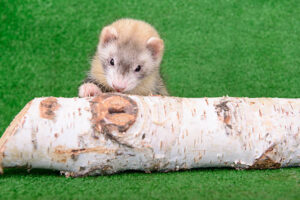
- Hollow Sticks with Treats: Insert kibble into large sticks for a chewing challenge.
- Scrap Tires (Clean, Untreated): Provide a durable hideaway.
- Cardboard House with Windows: Use a large box with cut-out holes for a cozy shelter.
Safety Tip: Use non-toxic glue (e.g., hot glue) and avoid small parts that could be swallowed.
Safety Measures & Common Mistakes
Avoid These Hazards
- Plastic with BPA: Opt for rubber or natural rubber substitutes.
- Lace or Ribbon: Ferrets can choke on loose threads.
- Electrical Cords: Keep wires away—ferrets will chew on them eagerly.
- Toxic Plants: Avoid using natural dyes or scents (e.g., eucalyptus oil).
Monitor Playtime
Never leave ferrets unsupervised with toys. Check for broken pieces or frayed edges daily. Replace worn toys to prevent injuries.
Common Enrichment Mistakes
- Overstimulating Environments: Too many toys can overwhelm a ferret. Start with 2-3 options and observe their preferences.
- Ignoring Behavioral Cues: If a toy is ignored, try a different type (e.g., switch from visual to scent-based toys).
- Lack of Rotation: Ferrets can become bored with the same toys. Swap out or rearrange items weekly.
Conclusion
Creating a safe and stimulating environment for your ferret is an ongoing process. By understanding their instincts and tailoring toys to their age and preferences, you ensure they lead an enriched, happy life. Regularly assess their behavior, rotate toys, and avoid common pitfalls. A well-stimulated ferret is a healthy ferret—investing in their enrichment pays dividends in their longevity and bond with you.
#FerretEnrichment, #FerretToys, #FerretCare, #PetSafety, #FerretLovers, #CuteFerrets, #FerretPlaytime, #ExoticPetCare
Instagram: #FerretEnrichment, #FerretToys, #FerretLife, #FerretFun, #DIYFerret, #FerretSafety, #CuteFerret, #FerretCareTips, #FurBabies, #FerretHacks
YouTube: #FerretToys, #FerretEnrichment, #FerretVlog, #FerretDIY, #FerretSafety, #FerretPlayground, #PetToys, #FerretCare, #FerretTraining, #FerretLife






Add comment