
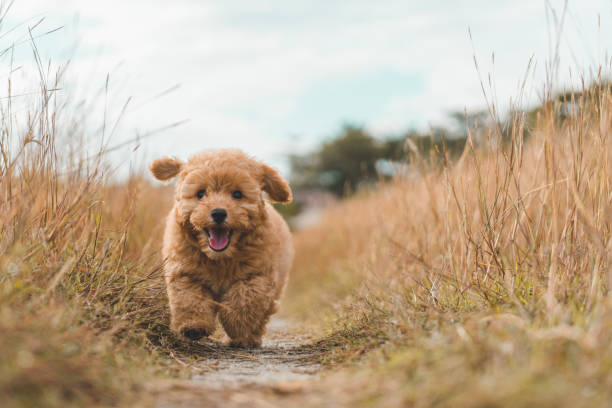
Puppyhood is a critical time for shaping your dog’s future behavior, and developing a positive relationship around food and toys is paramount. Resource guarding – a common behavior where a dog protects items like food, toys, or even people – can quickly escalate into serious aggression if not addressed early and correctly.
This comprehensive guide will provide you with safe, positive, and effective exercises to prevent resource guarding, build trust, and ensure a harmonious relationship with your puppy.
Core Principles for All Exercises
Before diving into specific exercises, understand these foundational principles. They are non-negotiable for success and safety:
- Positive Reinforcement ONLY: Never punish, scold, or physically force your puppy to give up food or a toy. This will only increase their anxiety and reinforce their need to guard. Your goal is to make your presence and interaction a positive experience.
- High-Value Rewards: Always have access to very desirable treats (e.g., small pieces of cooked chicken, cheese, hot dogs) that are more appealing than what your puppy currently has. These are your currency for exchange.
- Start Early, Start Small: The younger your puppy, the easier it is to establish good habits. Begin with very simple, low-pressure interactions.
- Observe Body Language: Pay close attention to your puppy’s signals.
- Relaxed: Loose body, wagging tail, soft eyes, eating calmly. This is good!
- Warning Signs (back off immediately): Stiff body, freezing, eating faster, low growl, whale eye (showing the whites of their eyes), lip licking, turning head away, snapping. If you see these, you’ve pushed too far or too fast.
- Consistency is Key: Everyone in the household must follow these guidelines. Mixed signals confuse puppies.
- Patience & Short Sessions: Puppies have short attention spans. Keep sessions brief (2-5 minutes) and fun. Progress may be slow, but it’s vital for long-term success.
- Never Take Without Giving: Always offer an exchange. Your puppy should learn that giving something up means getting something even better in return, or getting the original item back.
I. Safe Food Bowl Exercises
The goal here is to teach your puppy that human presence around their food bowl is a positive thing, leading to more good things, not deprivation.
Materials:
- Your puppy’s regular food bowl
- High-value treats (cut into tiny, pea-sized pieces)
The Progression (Move slowly through these steps, only advancing when your puppy is comfortable and relaxed at the current stage):
Phase 1: Passing By & Adding Good Things
- Objective: To associate your presence near the food bowl with positive things happening.
- Procedure:
- Place your puppy’s food bowl down as usual.
- As your puppy is eating, gently walk past the bowl at a distance where they acknowledge you but don’t stop eating or show any stress (e.g., 5-10 feet away).
- As you pass, gently toss a high-value treat towards, or slightly into, their bowl. Don’t hover; just toss and keep walking.
- Repeat this several times during each meal, and over several meals.
- Key: Your appearance means extra treats!
Phase 2: Approaching & Adding
- Objective: To become comfortable with you coming closer to their bowl while they eat.
- Procedure:
- Start as in Phase 1, but this time, slowly walk towards the bowl while your puppy is eating.
- Stop a few feet away. If your puppy looks up at you casually, toss a high-value treat into their bowl.
- If they continue eating calmly, take another step closer, drop a treat, and step back.
- Gradually decrease the distance until you can stand right next to the bowl. Always toss a treat into the bowl when you approach.
- Key: Focus on making your approach a signal for more food.
Phase 3: Brief Hand Presence
- Objective: To acclimate your puppy to your hand being near their bowl.
- Procedure:
- Once your puppy is comfortable with you standing next to their bowl (as in Phase 2), approach the bowl while they are eating.
- Gently reach your hand down, not into the bowl, but beside it (e.g., 6-12 inches away).
- As you do this, drop a high-value treat into the bowl with your other hand, or immediately after you place your hand down.
- Immediately remove your hand.
- Gradually decrease the distance your hand is from the bowl, always dropping a treat as your hand approaches or is beside the bowl.
- Key: Your hand near the bowl means an upgrade to their meal.
Phase 4: The “Trade Up” Game (Briefly Taking & Returning)
- Objective: To teach your puppy that giving up their bowl temporarily leads to something even better, or getting their bowl back with added value. This builds immense trust.
- Procedure:
- Perform a few successful repetitions of Phase 3 first.
- While your puppy is eating, approach the bowl, drop a high-value treat into it.
- Crucially, while they are distracted by the treat, gently pick up the food bowl.
- Immediately add more high-value treats to the bowl (e.g., sprinkle in 3-5 pieces of chicken).
- Immediately place the bowl back down for your puppy.
- Repeat this once or twice per meal for several days.
- Key: The bowl magically disappears for a second, then reappears with enhanced contents. This teaches them that “losing” their bowl means a better meal!
- Important: If at any point your puppy stiffens, growls, or shows any signs of discomfort when you reach for or pick up the bowl, you’ve moved too quickly. Go back to the previous phase and spend more time there.
Phase 5: Practice with Different People
- Objective: Generalize these positive associations to all family members.
- Procedure:
- Once your puppy is comfortable with you performing all previous phases, have other family members (adults first, then older children under strict supervision) repeat the entire progression.
- Start with Phase 1 for each new person, even if your puppy is fine with you doing Phase 4. Build trust with each individual.
II. Safe Toy Exercises
The goal here is to teach your puppy to willingly “drop it” and “leave it” when playing with toys, and to engage in polite, bite-inhibited play.
Materials:
- A variety of toys (some higher-value than others)
- High-value treats
The Progression:
Phase 1: Teaching “Drop It” (The Exchange Game)
- Objective: To teach your puppy that releasing a toy leads to an immediate, superior reward.
- Procedure:
- Get their attention: Entice your puppy to play with a low-to-medium value toy (e.g., a rope toy or soft plush). Let them mouth it, play tug briefly if they seem comfortable.
- Present the High-Value Bait: While they have the toy in their mouth, hold a high-value treat (e.g., chicken) right up to their nose.
- The Exchange: As your puppy opens their mouth to sniff or take the treat, they will likely release the toy. The instant the toy leaves their mouth and touches the ground, say “Drop It!” and praise them (“Yes!” or “Good drop!”) then immediately give them the treat.
- Offer a new toy, or the same one: Immediately after they eat the treat, either offer them a different toy to play with, or give them their original toy back. This reinforces that dropping doesn’t mean losing the toy forever.
- Repeat: Do this 5-10 times in a short session.
- Key: Dropping the toy always results in something better (treat) and often leads back to play with a toy.
- Common Mistakes: Don’t snatch the toy away. Don’t wait too long to give the treat. Don’t always end play after they drop it.
Phase 2: Refining “Drop It” & Introducing “Take It”
- Objective: To make “Drop It” more reliable and teach a cue for starting play.
- Procedure:
- Continue Phase 1, but once your puppy is reliably dropping the toy for the treat, start to fade the treat. Instead of giving a treat every time, occasionally reward with enthusiastic praise and immediately re-engage in play with the same or a different toy.
- “Take It”: When you are offering a toy to your puppy to start play, hold it out and say “Take It!” as they grab it. This teaches them a clear cue for engaging with toys.
- Alternating Toys: Have several toys handy. Ask for “Drop It” with one toy, reward, then immediately offer a different toy with “Take It.”
Phase 3: Teaching “Leave It”
- Objective: To teach your puppy to ignore a tempting item until given permission, or to ignore a forbidden item.
- Procedure:
- Low Temptation: Hold a low-value treat (e.g., a piece of kibble) in your closed fist. Present it to your puppy.
- Cue & Wait: When your puppy tries to sniff or paw at your hand, say “Leave It!” Do not open your hand.
- Reward for Disengagement: The instant your puppy looks away from your hand, makes eye contact with you, or even just pauses their attempts, say “Yes!” and immediately reward them with a high-value treat from your other hand (never the one holding the tempting item initially).
- Increase Difficulty:
- Gradually open your hand more and more while saying “Leave It.”
- Place the tempting item on the floor, initially covering it with your hand, then slowly removing your hand.
- Increase the duration they have to “leave it.”
- Increase the value of the ‘left’ item (e.g., from kibble to a favorite toy).
- Key: Ignoring the tempting item leads to a better reward from you.
Phase 4: Polite Tug-of-War
- Objective: To teach appropriate play boundaries and reinforce “Drop It” during exciting play.
- Procedure:
- Initiate Play: Use a sturdy tug toy. Encourage your puppy to grab it with “Take It.”
- Let them Win! During tug, let your puppy win frequently by “losing” your grip. This builds confidence and makes the game more fun for them.
- Introduce “Drop It”: After a brief period of tugging, stop tugging the toy. Hold it still and say “Drop It!” Present a high-value treat near their nose. The moment they drop the toy, reward with the treat and praise.
- Resume Play: Immediately re-engage in tug with the same toy after they’ve eaten the treat. This teaches them that “Drop It” doesn’t mean the end of fun.
- Address Nipping: If your puppy’s teeth accidentally touch your skin during play, immediately stop the game. Say “Ouch!” or let out a high-pitched yelp, then stand up, turn your back, and completely ignore them for 10-20 seconds. This is their natural consequence for mouthing too hard. Only resume play when they are calm.
- Key: Tug is fun, but human rules apply. Dropping the toy when asked means more fun will follow.
Phase 5: Encouraging Sharing & Non-Possessive Play
- Objective: To show your puppy that having multiple toys and sharing is positive.
- Procedure:
- Many Toys: Always have several toys available. Roll one toy, and as your puppy goes for it, roll another in a different direction. This encourages them to switch between toys easily.
- Interactive Games: Play fetch, hiding games (where they find toys), and rolling toys for them to chase. Avoid constantly holding and guarding toys yourself.
- Praise for Sharing: When your puppy brings a toy to you, or drops it nearby without being asked, praise them gently and offer a gentle pet.
Troubleshooting & When to Seek Professional Help
- Puppy shows signs of stress/aggression: If at any point your puppy growls, snarls, stiffens, freezes, or attempts to bite, STOP IMMEDIATELY. You’ve moved too fast or pushed too hard. Do not escalate the situation.
- Not taking treats: If your puppy is too stressed to take treats, your current approach is too intense. Back off significantly in distance or pressure.
- Moving too quickly: The most common mistake is trying to rush through the phases. Spend days or even weeks on a single phase if needed.
- Inconsistency: If some family members are following the rules and others aren’t, your puppy will be confused and progress will halt.
- Using punishment: Any form of punishment (scolding, swatting, pushing them away) will inevitably make resource guarding worse and damage your bond.
When to Seek Professional Help:
If your puppy exhibits any of the following behaviors, it’s crucial to consult a certified professional dog trainer (CPDT-KA) or a veterinary behaviorist (DACVB) immediately:
- Growling, snapping, or biting: Even if it’s “just a puppy,” aggression needs expert intervention.
- Intense guarding: If your puppy consistently shows significant stress or aggression despite your positive efforts.
- You feel unsafe: If you are afraid of your puppy’s reactions around food or toys.
- Persistent fear or anxiety: If your puppy seems generally fearful or anxious around these interactions.
A professional can assess your puppy’s individual temperament, identify triggers, and create a tailored behavior modification plan to ensure safety and success.
Conclusion
Building a foundation of trust and positive association around food and toys is one of the greatest gifts you can give your puppy. These exercises require patience, consistency, and a commitment to positive reinforcement, but the reward is a happy, confident, and well-adjusted dog who trusts you completely. Enjoy this special time, and remember that every positive interaction strengthens your bond!






Add comment