
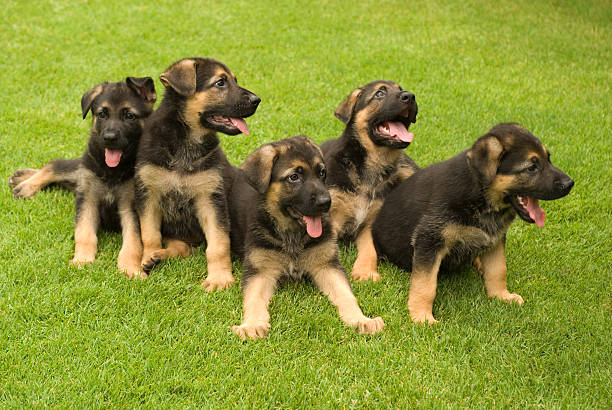
This is a fantastic topic! Introducing your puppy to other dogs is crucial for their socialization, confidence, and overall well-being. A bad experience early on can have lasting negative effects, so it’s essential to get it right.
Here’s a comprehensive and elaborate guide on safe puppy play, covering everything from preparation to ongoing socialization:
Safe Puppy Play: Introducing Your Puppy to Other Dogs
Introducing your puppy to other dogs is a rite of passage, but it’s a delicate dance that requires careful planning, observation, and a proactive approach. The goal is to create positive, confidence-building experiences that set your puppy up for a lifetime of comfortable canine companionship.
I. Preparation is Key: Setting the Stage for Success
Before your puppy even meets another dog, there’s a lot you can do to ensure a smooth introduction:
A. Assess Your Puppy’s Readiness:
- Vaccinations: Ensure your puppy has received all necessary vaccinations according to your veterinarian’s schedule. This protects them and other dogs from potentially serious illnesses. Crucially, discuss with your vet when it’s safe to start puppy socialization outside your home. Some vets recommend critical socialization windows start even before the full vaccination series is complete, but it’s a discussion based on risk assessment in your local area.
- Health Status: Make sure your puppy is generally healthy, free from parasites, and not showing any signs of illness.
- Temperament: Observe your puppy’s personality. Are they naturally bold and curious, or more timid and reserved? Understanding their individual temperament will help you choose appropriate playmates.
- Basic Training: While not strictly required for the first introductions, having a solid grasp of basic commands like “sit,” “stay,” “come,” and “leave it” can be invaluable for managing interactions.
B. Choose the Right Playmates:
This is arguably the most critical factor. Not all dogs are good socializers for puppies. Look for:
- Known, Well-Socialized Adult Dogs: This is your golden ticket. Seek out calm, friendly, mature dogs whose owners are responsible and understand dog body language. These dogs are usually patient and can gently guide a rambunctious puppy.
- Dogs with a Gentle Demeanor: Avoid dogs that are overly boisterous, aggressive, or anxious. A dog that bullies or intimidates a puppy can create fear.
- Dogs of Similar Size (Initially): While not always necessary, starting with dogs closer in size can prevent accidental injuries and reduce intimidation. A tiny puppy can be easily overwhelmed by a much larger, even friendly, dog.
- Vaccinated and Healthy: Always confirm the other dog’s health and vaccination status.
- Owners Who Are Observant and Proactive: The other dog’s owner should be as invested in a safe introduction as you are. They should be willing to intervene if their dog becomes too rough or if the puppy is showing signs of distress.
C. Understand Dog Body Language:
This is non-negotiable if you want to ensure safe play. You need to be able to read both your puppy’s signals and the other dog’s.
- Happy/Playful Signals: Loose, wiggly bodies, play bows, relaxed ears and tail, soft eyes, playful yips.
- Warning/Discomfort Signals: Stiff body, direct stare, lip licking, yawning (when not tired), whale eye (showing the whites of their eyes), tucked tail, growling, snapping, air snapping.
- Submission/Fawning: Rolling onto their back, licking the other dog’s muzzle, averting gaze.
- Stress Signals: Panting excessively (when not hot or exercising), trembling, shedding, lip tucking, yawning.
Learn the “Red Flags” of a potentially problematic interaction from your vet, a certified professional dog trainer, or reputable online resources.
II. The First Introductions: Controlled Environments are Best
The first few encounters should be carefully managed to maximize the chances of positive experiences.
A. Neutral Territory is Paramount:
- Avoid Your Home (Initially): Your home is your puppy’s territory and the other dog’s territory. This can lead to territorial disputes and heightened nerves.
- Ideal Locations:
- A Fenced, Neutral Yard: This provides a safe, contained space where neither dog feels the need to defend their territory.
- A Quiet Park (Off-Leash Area): If you choose a park, ensure it’s not crowded and has a designated off-leash area. Keep your puppy on a leash initially for control.
- A Friend’s Neutral Yard: Someone you trust who has a well-behaved dog.
B. Leash Management is Crucial:
- Keep Leashes On (Initially): This allows you to control your puppy’s movement and prevent them from overwhelming the other dog or getting into trouble.
- Avoid Tight Leashes: Tight leashes create tension and can communicate anxiety to your puppy. Keep a loose, relaxed leash. If you anticipate a tense moment, gently reel your puppy in, but try to avoid yanking.
- Consider a “Meet and Greet” without Leashes (Supervised): Once both dogs are comfortable on leash, you might consider a brief period off-leash in a secure, enclosed, neutral area under strict supervision.
C. The “Parallel Walk” Technique:
This is an excellent way to let dogs get used to each other’s presence without the pressure of direct interaction.
- Walk your puppies parallel to each other at a distance where they can see but not necessarily interact directly.
- Gradually decrease the distance as they appear relaxed.
- Keep the walks short and positive.
- End the walk on a good note, before either dog becomes stressed or overexcited.
D. Controlled Off-Leash Introductions (Once Leashes are Off):
- Short Duration: Keep the initial off-leash playtime brief (5-10 minutes).
- Two Owners Present: Ideally, have both owners present to supervise.
- Watch for Escalation: Be ready to intervene if play becomes too rough or if one dog is consistently bothering the other.
- Positive Reinforcement: Offer praise and occasional treats for calm behavior.
III. During Play: Your Role as Supervisor and Facilitator
Your presence and actions significantly influence the success of puppy play.
A. Observe, Observe, Observe!
- Body Language: Continuously monitor the body language of both dogs. Look for signs of stress, fear, or over-excitement from either dog.
- Turn-Taking: Good play involves mutual engagement. If one dog is constantly on the receiving end of rough play, it’s not balanced.
- “Play On” Signals: Look for the “play face” (relaxed, open mouth), play bows, and wiggly bodies.
- “Play Off” Signals: A stiffening body, a yelp of pain or fear, trying to escape, or showing teeth are all signs that play needs to stop.
B. Intervene Early and Gently:
- Don’t Wait for Disaster: If you see signs of over-excitement, discomfort, or bullying, step in before it escalates.
- How to Intervene:
- Gentle Separation: Calmly walk between the dogs or gently call your puppy away.
- “Time Out” (Brief): If one dog is being too much for the other, a brief separation (15-30 seconds) can help them reset. Don’t make it a punishment.
- Redirect: Offer a toy or a different activity to shift their focus.
- Avoid Yelling: Yelling can increase stress and anxiety for all involved.
C. Manage the Play Environment:
- Toy Management: Be mindful of how toys are used. Some dogs are possessive or can become over-aroused by toys during play. If toys are causing conflict, remove them.
- Space: Ensure there’s enough space for the dogs to move freely and escape if they need to.
- Number of Dogs: Start with just one other dog. Introducing multiple new dogs at once can be overwhelming.
D. End on a High Note:
- Short and Sweet: It’s better to end the play session when things are going well, while both dogs are still having fun, rather than waiting until they are exhausted or stressed. This leaves them with a positive memory.
- Positive Reinforcement: Give praise and maybe a small treat for good behavior during and after play.
IV. Beyond the First Meeting: Ongoing Socialization Strategies
Safe introductions are just the beginning. Consistent positive experiences are key to developing a well-adjusted dog.
A. Puppy Socialization Classes:
- Benefits: These classes are designed for puppies of similar ages and are typically run by experienced trainers. They provide a structured and safe environment for learning social skills.
- Choosing a Class: Look for classes that emphasize positive reinforcement, have small class sizes, and have a trainer who actively monitors and manages interactions.
- Crucial Note: Ensure your puppy has met your vet’s vaccination requirements before attending.
B. Dog Parks (with Caution and Strategy):
- Not for Every Dog: Dog parks can be overwhelming and even dangerous for some puppies.
- When to Consider: Once your puppy is well-socialized, confident, and has good recall.
- Strategies for Dog Parks:
- Go During Off-Peak Hours: Fewer dogs means less chaos.
- Observe First: Watch the dynamics of the dogs already there before entering.
- Keep Your Puppy on a Leash Initially: Allow them to observe.
- Be Ready to Leave: If your puppy seems uncomfortable, stressed, or if the energy becomes too high, leave immediately.
- Avoid Dog Parks if Your Puppy is Timid or Anxious: Other dogs can be pushy, and a negative experience can set them back significantly.
C. Playdates with Known, Well-Socialized Dogs:
- Regularity: Schedule regular playdates with trusted canine friends.
- Varied Environments: Try different neutral locations to help your puppy generalize their social skills.
D. Continued Training and Management:
- Reinforce Good Behavior: Continue to praise and reward calm and polite interactions.
- Address Issues Promptly: If you notice any recurring issues (e.g., your puppy is always being bullied, or your puppy is always the bully), seek professional guidance from a certified dog trainer.
V. Red Flags and When to Seek Professional Help
While most puppies thrive with careful introductions, sometimes things don’t go smoothly.
A. Signs Your Puppy is Overwhelmed or Scared:
- Excessive panting and salivating
- Trembling or shaking
- Tucked tail
- Ears pinned back
- Trying to hide or escape
- Whining or yelping
- Freezing or becoming unresponsive
B. Signs of Aggression in Your Puppy:
- Stiffening of the body
- Hard stare
- Growling, snarling, or snapping
- Lunging
- Biting
C. Signs of Aggression or Over-Stimulation in the Other Dog:
- Same as above for your puppy.
- Excessive mounting of your puppy.
- Persistent rough play that isn’t reciprocated.
- Snapping or lunging at your puppy without invitation.
D. When to Call a Professional:
- Persistent Fear or Anxiety: If your puppy consistently shows fear or anxiety around other dogs, even in controlled settings.
- Aggressive Behavior: If your puppy exhibits any aggressive behaviors.
- Concerning Interactions: If you’re consistently having negative or stressful interactions with other dogs.
- Lack of Progress: If you’ve tried various methods and aren’t seeing improvement in your puppy’s social skills.
A certified professional dog trainer (CPDT-KA, KSA) or a veterinary behaviorist can provide tailored guidance and help you navigate challenging situations.
Conclusion: The Gift of Socialization
Safe puppy play is an investment in your dog’s future happiness and quality of life. By being prepared, choosing wisely, observing closely, and intervening proactively, you can provide your puppy with the positive experiences they need to become a confident, well-adjusted canine citizen. Remember that every puppy is an individual, so be patient, celebrate small victories, and enjoy the journey of watching your puppy learn and grow!







Add comment