
Introduction: The Nutritional Imperative and the Challenge of Imprinting
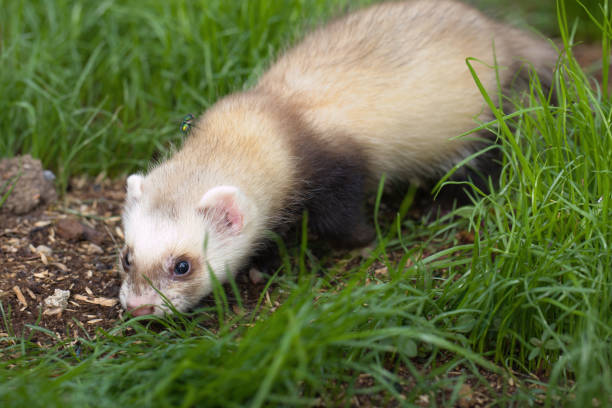
Ferrets (Mustela putorius furo) are unique among companion animals. As obligate carnivores, their dietary requirements are absolute, demanding high levels of animal protein and fat, and virtually no fiber or carbohydrates. A ferret’s diet directly impacts its longevity, coat quality, energy levels, and susceptibility to common illnesses such as Insulinoma and Adrenal Disease.
However, moving a ferret from one food source to another—even from one high-quality kibble to another—is often a profound challenge. Unlike dogs or cats, ferrets are highly susceptible to dietary imprinting. If a kit (young ferret) is fed a specific food type or flavor profile during the critical imprinting window (approximately 6 to 12 months of age), they may recognize nothing else as edible for the rest of their lives. A poorly planned or rushed dietary transition can lead to fatal refusal, as a ferret may literally starve itself rather than eat an unfamiliar new substance.
This guide provides an exhaustive, step-by-step methodology for safe diet transition, covering transitions between kibbles, and the much more complex move to a Biologically Appropriate Raw Diet (BARF), ensuring health, safety, and psychological acceptance.
Section 1: Understanding Ferret Nutritional Science (The Pre-Transition Foundation)
Before changing any diet, a comprehensive understanding of what a ferret truly needs is mandatory. This foundation informs the selection of the new food, minimizing the risk of nutritional deficiencies.
1.1 The Definition of an Obligate Carnivore
An obligate carnivore processes food differently than an omnivore or herbivore. They lack the necessary enzymes and intestinal length to properly digest fibrous plant matter or complex carbohydrates.
- Short Digestive Tract: Ferrets have an extremely short digestive tract (relative to body size), meaning food transit time is very fast (3–4 hours). This requires their food to be highly concentrated and easily digestible (i.e., meat and fat).
- Essential Nutrients:
- Protein: Needs to be 30–40% on a dry matter basis, sourced exclusively from animal tissue (chicken, turkey, duck, lamb, beef). Plant proteins (corn, pea, soy) are poorly utilized and can stress the pancreas.
- Fat: Crucial for energy, coat health, and preventing weight loss. Needs to be 18–30% on a dry matter basis. High-quality animal fats are best.
- Taurine and Arginine: These amino acids are vital. Taurine deficiency, while less common than in cats, can lead to cardiomyopathy. Arginine is essential for detoxifying ammonia via the urea cycle. These must be sourced from meat.
- Low Carbohydrate/Fiber: Total carbs and fiber should be minimized (less than 3% fiber, ideally). High carbohydrate load is directly linked to the development of Insulinoma (pancreatic cancer) later in life due to chronic overstimulation of insulin production.
1.2 Identifying Suitable Replacement Foods
A new diet, whether kibble or raw, must adhere strictly to these nutritional parameters.
| Diet Type | Criteria for Selection | Notes on Transition Difficulty |
|---|---|---|
| High-Quality Kibble | Must be poultry or meat-based, free of corn, grains, fruits, vegetables, and high sugar content. Protein >35%, Fat >20%. | Easiest transition, especially if the flavor profiles are similar (e.g., poultry to poultry). |
| Veterinary Diet (Prescription) | Used for specific health issues (e.g., kidney disease). Must be approved by a ferret-savvy veterinarian (or exotic specialist). | Transition must be medically supervised and often involves specialized, highly palatable additives. |
| Biologically Appropriate Raw Diet (BARF) | Full prey model (80% Meat, 10% Bone, 5% Liver, 5% Other Organs). Must be balanced and safety prepared. | Most difficult transition, requiring the greatest patience due to texture and temperature differences. |
Section 2: Preparation, Planning, and Psychological Strategies
The success of a diet change hinges on preparation. A sudden switch (the “cold turkey” method) is dangerous and often results in disaster.
2.1 The Veterinary Examination and Baseline Checks
Before embarking on any major diet change, especially moving to raw food, schedule a visit with a veterinarian knowledgeable about ferrets.
- Baseline Bloodwork: Establish a current baseline, particularly liver and kidney values, and glucose levels. This helps monitor health during the transition phase.
- Weight Check and Body Condition Scoring (BCS): Accurately record the ferret’s weight. Weight loss of even 5–10% during a transition is a critical red flag requiring immediate intervention.
- Discuss the Goal: Review the nutritional profile of the new food with your vet to confirm suitability for the ferret’s age and health status (e.g., senior ferrets often need higher fat content).
2.2 Psychological Preparation: Timing is Everything
Ferrets thrive on routine. Disrupting their schedule stresses them, which can reduce appetite.
- Avoid Stressful Periods: Do not attempt a diet transition during periods of environmental stress: moving house, introduction of new pets, cage changes, or immediately after major medical procedures (e.g., spay/neuter).
- Ideal Timing: Start the transition when you can devote two weeks of close monitoring. If you work long hours, begin on a long weekend or during a planned period of vacation.
2.3 The Rule of Caloric Intake Monitoring
The single most dangerous risk during a ferret diet transition is food refusal leading to hepatic lipidosis (fatty liver disease). Ferrets cannot fast; they must maintain constant caloric intake.
- Daily Weight Checks: Invest in a small, reliable kitchen or postal scale accurate to the gram. Weigh your ferret daily, preferably at the same time, before the first meal.
- The Critical Threshold: If your ferret stops eating the mixed food and begins to lose weight rapidly, immediately halt the transition and revert to the original, safe diet while consulting your vet. Have “emergency food” (Duk Soup ingredients, A/D formula) ready at all times.
Section 3: The Standard Transition Protocol (Kibble-to-Kibble)
This method utilizes the slow introduction of the new food, masked by the familiar flavor and scent of the old food. This process should take a minimum of 10–14 days, though stubborn ferrets may require 3–4 weeks.
3.1 Phase I: Scenting and Familiarization (Days 1–3)
The goal is solely to normalize the smell of the new food without forcing consumption.
- Placement: Place a small, separate dish of the new kibble next to the main bowl of the old kibble. Do not mix them yet.
- Scent Transfer: Take a handful of the old kibble and mix it vigorously in the bag of the new kibble. This transfers the familiar scent oils onto the new pieces.
- Observation: Monitor if your ferret investigates the new bowl. They may flick the pieces away—this is normal.
3.2 Phase II: The Gradual Mixing Schedule (Days 4–14+)
This phase utilizes specific ratios to slowly acclimate the digestive system and the palate. Never advance to the next stage unless the current portion is being reliably consumed.
| Day Block | Ratio (Old Food : New Food) | Expected Observation | Action if Refusal Occurs |
|---|---|---|---|
| Days 4–6 | 90% Old : 10% New | Should be undetectable to the ferret. Full consumption expected. | Maintain 90/10 ratio for an additional 2–3 days. |
| Days 7–9 | 75% Old : 25% New | Minor reluctance may be noted. Stool may soften slightly (monitor). | If refusal is evident, revert to 90/10 for 5 days. |
| Days 10–12 | 50% Old : 50% New | This is the stress point. New flavor is dominant. Essential to monitor weight. | If intake drops below 75% of normal, revert to 75/25 immediately. |
| Days 13–15 | 25% Old : 75% New | Habit formation begins. If the ferret eats this readily, the transition is likely successful. | Use “bribery” techniques (Section 4) with 50/50 mix. |
| Days 16–18 | 10% Old : 90% New | Minimal remaining old food. | Proceed to 100% consumption if successful. |
| Day 19+ | 100% New Food | Continue monitoring stool and weight for two full weeks post-transition. | If the ferret is successfully eating 90% new food, stop adding the old food entirely. |
3.3 The Role of Hydration
During a diet change, especially one that introduces different fat or fiber content, stool changes are common. Diarrhea, even minor, risks dehydration.
- Continuous Water Access: Ensure multiple clean water sources.
- Electrolyte Support: If stools become exceptionally soft or seedy (non-bloody), consider adding a small amount of unflavored Pedialyte (1 part Pedialyte to 4 parts water) to the drinking supply for 24 hours. Do not substitute Pedialyte for all water.
Section 4: Advanced Transition Techniques for the Stubborn Ferret
Ferrets who were strongly imprinted may reject the standard mixing method. Specialized techniques are necessary to trick the palate and overcome textural aversion.
4.1 The Paste/Gruel Technique (For Kibble Refusers)
This technique involves liquefying the new food and gradually thickening it back to a solid state. This is highly effective when switching to a nutritionally superior kibble or introducing raw food components.
4.1.1 Creating the Transition Paste (“Duk Soup”)
The goal is to create a highly palatable, easily digestible soup that ensures caloric intake while introducing the new flavor.
- Ingredients: Use the new kibble, a highly palatable binder (e.g., A/D Critical Care food, or a small amount of high-quality meat baby food), and a flavorful supplement (pure salmon oil, duck fat, or bone broth).
- Preparation: Grind the new kibble finely using a coffee grinder or blender. Add warm water or low-sodium chicken broth until a thick, creamy paste forms (similar to oatmeal).
- Flavor Layering: Mix in a small amount of the preferred flavor supplement (e.g., 1/4 teaspoon of salmon oil).
- Feeding: Offer the gruel on a finger, a small plastic spoon, or from a syringe (without the needle) if necessary. Feed multiple small portions throughout the day.
4.1.2 The Gradual Thickening Process
Once the ferret accepts the soup, the texture must be changed slowly:
- Soup Stage (Days 1–5): 100% smooth, thin paste. Ensure 100% consumption before moving on.
- Thick Mush Stage (Days 6–10): Reduce the amount of liquid so the mixture holds its shape slightly.
- Grit Stage (Days 11–15): Mix in small amounts of the un-ground new kibble (1-2 pieces) into the thick mush.
- Solid Stage (Days 16+): Gradually increase the amount of whole kibble, decreasing the amount of paste binder, until the ferret is eating the whole new kibble dry.
4.2 Flavor Masking and Bribery Strategies
Ferrets often respond well to specific, strong flavors that mask the unfamiliar taste of the new food.
- Salmon/Fish Oils: Pure, human-grade salmon or fish oil is universally loved by ferrets. Drizzle a few drops over the new food. Warning: Use sparingly, as too much oil can cause rapid diarrhea.
- Duck Fat/Lard: Melted, high-quality animal fat is often successful. The high fat content provides necessary calories and makes the food irresistible.
- Meat Juices/Broth: Use low-sodium, clear meat broth (chicken or beef) to soak the new kibble, softening it and adding familiar scent.
- The Distraction Method: Place a few favorite treats (or the new food mixed with treats) in a small box or under a carpet. Ferrets are hunters; making them work for the food sometimes overrides their aversion to the taste.
Section 5: The Specialized Challenge of Raw Food Transition (BARF)
Transitioning a ferret to a Biologically Appropriate Raw Diet (BARF) is the gold standard for many owners but represents the highest difficulty level. The ferret must adjust not only to a new flavor but also to a completely different texture (soft, moist meat vs. hard, dry kibble) and temperature (cold/room temperature vs. dry).
5.1 The Safety & Hygiene Checklist
Prior to starting a raw transition, strict hygiene protocols must be established to prevent bacterial contamination (E. coli, Salmonella).
- Sourcing: Source human-grade, fresh meat. Never feed spoiled meat.
- Grinding vs. Whole Prey: Start with ground meat. Ferrets should not be given whole bone or large chunks until they reliably eat the ground texture and are fully transitioned.
- Preparation Area: Designate a specific cutting board and utensils for raw meat preparation only. Clean and disinfect surfaces immediately after use with a bleach solution (1:32 ratio water to bleach).
- Storage: Freeze raw meat for at least two weeks to destroy potential parasites (though rare in commercial meat). Thaw portions in the refrigerator only—never at room temperature.
5.2 Raw Transition Technique 1: The Soup Method (Bridging Kibble to Raw)
This method uses the high palatability of the kibble gruel to secretly introduce the raw component.
- Phase I: Raw Scenting (Days 1–3): Continue feeding the old kibble mixed with highly desired oil, but place small smears of the new raw meat (pure ground chicken or turkey) near the ferret’s favorite sleeping spot or water bowl, allowing them to lick it passively.
- Phase II: The Mixed Gruel (Days 4–9): Create the standard Duk Soup using the old kibble. Start replacing the kibble powder with raw ground meat powder (if possible) or very finely minced raw meat (start at 5% raw meat to 95% kibble soup).
- Phase III: Increasing Raw Content (Days 10–16): Gradually increase the raw meat content of the soup by 5–10% every three days. Focus on acceptance of the texture.
- Phase IV: Raw Only (Days 17+): Once the ferret is consuming 90% raw meat stirred into a tiny amount of binder (like A/D diet), eliminate the kibble base entirely. Transition to offering the raw meat in small, manageable balls or chunks.
5.3 Raw Transition Technique 2: The Meat Smear (For Reluctant Eaters)
If the ferret refuses the mixed gruel, use their grooming instinct against them.
- Smear Application: Take a small amount of the ground raw meat and smear it lightly around the ferret’s mouth, particularly near the nose and cheeks.
- Grooming Response: The ferret will naturally lick and groom the substance off its face, ingesting the meat without actively choosing to eat it. This introduces the flavor and primes the digestive system.
- Repeat: Repeat this process several times a day. Once the ferret shows even marginal acceptance (no visible aversion), place a small portion of meat on their plate—they may start eating it voluntarily.
5.4 Introducing Bone and Organ Material
Once the ferret is successfully eating plain ground muscle meat for 1–2 weeks, the critical components of bone (calcium) and organ (vitamins A/D/K, crucial minerals) must be introduced.
- Organs First: Finely mince liver (starts at 5% of the meal) and mix it into the muscle meat. Liver has a strong taste, so start very small.
- Bone Introduction: If feeding pre-ground raw food, ensure the bone content is correct (~10% total weight). If grinding at home, ensure the bones are soft (chicken necks, wings). The goal is to get the ferret used to lightly abrasive textures.
- Whole Prey/Chunk Transition: When the ferret is eating the ground mix reliably, start offering small, soft pieces of meat with the skin on (if available) and then small, bone-in pieces (e.g., chicken wing tips). This is essential for dental health and jaw strength.
Section 6: Monitoring, Troubleshooting, and Intervention
A successful transition is defined by consistent caloric intake, stable weight, and healthy elimination.
6.1 Critical Monitoring Markers
| Marker | Normal Observation | Red Flag/Intervention Needed |
|---|---|---|
| Appetite | Eats 90–100% of the offered portion within 2 hours. | Leaving half or more of the food uneaten for 4+ hours. |
| Weight | Stable (+/- 20 grams max). | Loss of 50 grams or more in 48 hours for an average ferret (800g–1.5kg). Immediate veterinary call. |
| Stool Color/Consistency | Firm, brown, elongated “pellets.” | Mucus, green, or seedy stools: Indicates rapid transit and stress/mild enteritis. Revert to previous ratio and fortify with probiotics. Black, tarry stools: Potential GI bleeding. Immediate veterinary emergency. |
| Behavior | Normal energy, playful, bright eyes. | Lethargy, excessive sleeping, hiding, or refusal to interact. |
6.2 Dealing with Gastrointestinal Upset
When changing food, the gut microbiome shifts, leading to temporary soft stools.
- Diarrhea (Mild): If the stool is just watery or soft (but still brown and not excessive), continue the current ratio and introduce a veterinarian-approved pet probiotic (e.g., FortiFlora or specific ferret products—not dairy-based human yogurt).
- Diarrhea (Moderate/Severe): If the stool is green or seedy, halt the transition entirely. Revert to 100% old food. Offer Duk Soup (a hydrating, high-calorie meat-based slurry) until stools firm up.
- Vomiting: Any episode of vomiting, especially repetitive or associated with lethargy, requires immediate veterinary consultation, as it may indicate an obstruction or serious GI distress unrelated to the diet change.
6.3 Emergency Caloric Intervention (Duk Soup)
If a ferret refuses the new food and begins to lose weight, emergency, highly palatable caloric intake is imperative. Duk Soup is a common mixture used by ferret fanciers and vets.
- Ingredients: High-quality kibble (ground), A/D Critical Care diet (or equivalent), pureed cooked poultry meat (baby food), and water/broth.
- Purpose: The soup is nutrient-dense and extremely easy to digest, ensuring the ferret does not enter a starvation state while the underlying diet issue is addressed.
- Administration: Syringe feeding may be necessary, especially if the ferret is weak. Feed small amounts (1–2 cc) every 2–3 hours.
Section 7: Special Considerations for Different Life Stages
Diet transitions must be customized for the ferret’s age and health status.
7.1 Weaning Kits (4–8 Weeks)
The imprinting process is most potent during this stage. If acquiring a kit, determine what the breeder fed and use a transitional kibble/soup mixture immediately.
- Method: Kits should be fed a mash (new food mixed with warm water) until they are confidently eating dry kibble (around 8–10 weeks).
- Variety is Key: Expose kits to multiple acceptable flavors and textures (e.g., ground raw meat, different high-quality kibble flavors) during the first six months to minimize chances of life-long imprinting rigidity.
7.2 Senior Ferrets (4+ Years)
Senior ferrets often have decreased appetites, dental issues, and may have subtle underlying health problems (e.g., Insulinoma, kidney disease).
- Softening: Seniors often require kibble to be softened with warm water or broth indefinitely.
- Increased Fat: Diet may need to be slightly higher in fat content (25–30%) to maintain weight and energy levels.
- Sustained Energy: Due to possible Insulinoma, senior ferrets should never have gaps in feeding. If transitioning, ensure they are continuously grazing on easy-to-digest, high-caloric food.
7.3 Ferrets with Chronic Conditions (E.g., Insulinoma, Adrenal Disease)
Diet changes for chronically ill ferrets must be strictly overseen by a veterinarian.
- Insulinoma: These ferrets require frequent, small meals of high-protein, high-fat, zero-sugar food to stabilize blood glucose. A diet change must maintain this strict carbohydrate abstinence.
- Adrenal Disease: Often requires supplements (e.g., melatonin) that must be administered easily. Ensure the new food does not interfere with medication delivery.
- Convalescence: Ferrets recovering from surgery or illness should be on a high-fat, high-calorie liquid diet (like A/D recovery formula or Duk Soup) until the vet clears them for regular food. Transitioning them during recovery is dangerous.
Section 8: Long-Term Maintenance and Dental Health
Once the transition is complete, the focus shifts to maintaining peak health and preventing recidivism (the ferret deciding they hate the new food months later).
8.1 Maintaining Variety Post-Transition
If you transitioned to a single brand of kibble or a specific raw recipe, it is wise to maintain cyclical variety.
- Kibble Rotation: Every 4–6 months, rotate to another high-quality kibble brand, or rotate between different protein flavors (e.g., Chicken, Duck, Lamb) within the same brand. Use a mild 75/25 transition over 7 days. This prevents strong imprinting on a single flavor profile.
- Raw Variety: Ensure the raw diet includes a diverse range of proteins (at least three different sources: poultry, red meat, fish) over the course of the month to provide a complete spectrum of amino acids and minerals.
8.2 Dental Health Management
Dry kibble provides some scrubbing action, but a raw diet (especially one including bone-in pieces) is superior for dental health. Regardless of the diet type, teeth should be checked regularly.
- Kibble-Fed Ferrets: Supplementation with chew treats (ferret-safe jerky, cooked meat pieces) and regular brushing (with pet toothpaste) is critical to prevent calculus buildup.
- Raw-Fed Ferrets: Whole-prey or bone-in meals act as natural floss and brushes. Monitor for sharp bone fragments, and ensure the ferret is chewing, not just gulping large pieces.
Conclusion: Patience, Observation, and Commitment
Safely transitioning a ferret to a new diet is a test of patience. It demands meticulous observation, adherence to strict schedules, and a willingness to revert backward if necessary. The primary goal is always caloric stability. Never prioritize the speed of the transition over the life and health of your companion. By understanding the ferret’s physiology, respecting the phenomenon of dietary imprinting, and utilizing the gradual techniques detailed in this guide, you can successfully improve your ferret’s nutrition and ensure a longer, healthier life.
#FerretDietTransition #FerretsOfInstagram #MustelidNutrition #SafeRawFeeding #FerretHealth #FerretCare #ObligateCarnivore #DukSoup #FerretFeedingTips #FerretsWorldwide #ExoticPetCare #FerretLife #NutritionGuide #PetHealth #FerretTips #KibbleToRaw #HappyFerret #PetNutrition

Add comment