
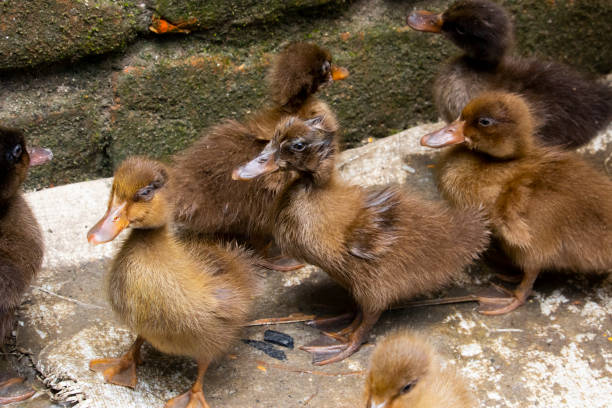
Salmonellosis in ducks is a serious bacterial disease caused by various serotypes of Salmonella bacteria. In poultry, including ducks, it manifests primarily as pullorum disease (caused by Salmonella Pullorum), fowl typhoid (Salmonella Gallinarum), and paratyphoid salmonellosis caused by a wide range of other Salmonella serovars such as S. Enteritidis, S. Typhimurium, and S. Newport. Although historically more prominent in chickens, salmonellosis is increasingly recognized as a threat in duck production due to intensification of farming and close contact with other avian species. Ducks may act as asymptomatic carriers or exhibit severe disease depending on the strain, age, immune status, and environmental conditions.
This guide provides a comprehensive and in-depth look at salmonellosis in ducks, focusing on causes, clinical signs, susceptible duck breeds, affected life stages, diagnosis, treatment, prognosis, complications, prevention, dietary considerations, and zoonotic risks. With duck farming gaining popularity globally for meat, egg, and ornamental purposes, understanding and managing this disease is vital for animal welfare, economic sustainability, and public health.
Causes of Salmonellosis in Ducks
Salmonellosis is caused by infection with Gram-negative, rod-shaped bacteria of the genus Salmonella, belonging to the family Enterobacteriaceae. The disease in ducks primarily involves three categories:
- Pullorum Disease – Caused by Salmonella Pullorum. This pathogen is host-adapted to poultry and spreads vertically through the egg, leading to embryonic mortality and early chick death. It has limited environmental survival but is highly contagious within flocks.
- Fowl Typhoid – Caused by Salmonella Gallinarum. Like S. Pullorum, it is highly host-adapted to birds and primarily affects older birds. It causes systemic infections and high mortality.
- Paratyphoid Salmonellosis – Caused by non-typhoidal Salmonella serotypes—especially S. Typhimurium, S. Enteritidis, S. Heidelberg, and S. Newport. These are zoonotic and can colonize a broad range of hosts, including mammals and humans. They have high environmental persistence, surviving in soil, water, feces, and litter for months.
Transmission occurs via multiple routes:
- Vertical transmission: Through infected eggs from carrier hens to embryos, resulting in dead-in-shell or weak hatchlings.
- Horizontal transmission: Ingestion of contaminated feed, water, feces, or litter. Birds pick up bacteria by pecking contaminated surfaces.
- Direct contact: With infected birds, including asymptomatic carriers.
- Mechanical vectors: Wild birds, rodents, insects (especially darkling beetles), and contaminated equipment or human footwear can introduce Salmonella into flocks.
- Contaminated environments: Wet, poorly sanitized areas, especially in crowded conditions, foster bacterial growth.
Stress factors such as overcrowding, poor ventilation, temperature fluctuations, poor nutrition, and concurrent diseases increase susceptibility. Moreover, younger ducks are more vulnerable due to immature immune systems, though adults can also become infected and serve as reservoirs.
Signs and Symptoms
Clinical manifestations vary depending on the Salmonella serovar, age of duck, immune status, and virulence of the strain. In young ducklings, the disease tends to be acute and systemic; in adult ducks, it may be chronic or subclinical.
Acute Salmonellosis (Pullorum/Typhoid/Paratyphoid) in Ducklings:
- Weakness and lethargy: Affected ducklings appear huddled, inactive, and isolate themselves.
- Anorexia and reduced feed intake: Ducklings stop eating and drinking, leading to rapid decline.
- Ruffled feathers and stunted growth: Poor feathering and slow development are early indicators.
- Diarrhea: Watery, yellowish, or greenish droppings; sometimes with blood or urates.
- Respiratory signs: Gasping, labored breathing, nasal discharge.
- Navel infection (Omphalitis): Swelling, wetness, and foul odor at the navel site in newly hatched ducklings.
- High mortality: Especially in first 1–2 weeks of life; death rates can exceed 80% in severe outbreaks.
- Neurological signs: Incoordination, tremors, head shaking, or opisthotonus (backward arching of the head and neck) in some cases.
- Dehydration: Sunken eyes, dry skin, and loss of skin elasticity.
Chronic and Subclinical Salmonellosis (Especially in Adults):
- Intermittent diarrhea: Often overlooked or mistaken for nutritional issues.
- Poor egg production: Hens may lay fewer eggs, and egg quality declines (thin shells, misshapen eggs).
- Reduced hatchability: Contaminated eggs lead to embryonic death and poor hatch rates.
- Weight loss and poor body condition: Despite normal feeding.
- Listlessness and ruffled feathers: Less severe than in ducklings but still noticeable.
- Asymptomatic carriage: Adult ducks can harbor and shed Salmonella in feces without showing symptoms, acting as silent spreaders.
- Granulomatous lesions: Palpable lumps in internal organs (liver, spleen, ovary).
Post-mortem findings may include:
- Hepatosplenomegaly: Enlarged, mottled liver and spleen with necrotic foci.
- Yolk sac retention: Unabsorbed yolk with cheesy or caseous material.
- Pericarditis and peritonitis: Inflammation of heart sac and abdominal cavity.
- Pneumonia or airsacculitis: Especially in respiratory forms.
- Enteritis: Inflammation of the intestines with ulcerations.
Young ducklings are at highest risk of sudden death before clinical signs appear.
Duck Breeds at Risk (With Paragraph Explanation)
While salmonellosis can affect all duck breeds, some are more susceptible due to genetic predisposition, rearing practices, and immune characteristics.
Pekin Ducks are the most commonly farmed duck breed for meat production and are highly susceptible to salmonellosis, especially in commercial systems. Their rapid growth rates and intensive rearing environments increase stress and exposure risks. Pekins are often raised in large, confined operations where biosecurity can be challenging, facilitating rapid pathogen spread. Their lack of strong natural immunity to bacterial infections makes them prone to high mortality during outbreaks.
Khaki Campbells, known for high egg production, are also at increased risk. The metabolic demands of laying eggs can weaken their immune function, making them vulnerable to systemic infections like fowl typhoid. Chronic carriers may show decreased egg output and poor hatchability, which are often the first signs of infection.
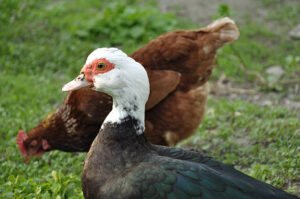
Muscovy Ducks tend to be hardier and more disease-resistant compared to other breeds, yet they are not immune. Their stronger innate immunity may delay onset of symptoms, but once infected, they can become long-term carriers, silently spreading Salmonella to other flock members. Muscovies are especially susceptible to pullorum disease in hatcheries, affecting duckling viability.
Call Ducks and other ornamental breeds are particularly vulnerable due to their small size, weaker constitution, and often suboptimal living conditions. These ducks are frequently reared by hobbyists who may lack access to veterinary care or biosecurity protocols, increasing the risk of outbreaks. Inadequate housing and mixed-species environments (with chickens or wild birds) further elevate exposure.
Rouen and Indian Runner Ducks also face risks, especially in backyard or free-range systems where contact with wild birds and contaminated water sources (like ponds) is common. Salmonella thrives in aquatic environments, and ducks, being waterfowl, have natural behaviors that increase exposure—such as dabbling, feeding, and defecating in shared water bodies.
In general, commercial hybrid ducks bred for fast growth may have compromised immune function due to selective breeding, making them more prone to disease. Conversely, heritage or traditional breeds may exhibit better disease resistance but are still susceptible under poor management conditions. Breed susceptibility is further compounded by management practices—poor sanitation, stress, and high stocking density override any genetic hardiness.
Affected Life Stages
Salmonellosis affects ducks across all life stages, but the severity and clinical course vary significantly.
Embryos and Hatchlings (0–7 days): Most vulnerable group. Vertical transmission from infected parents leads to embryonic mortality or hatching of infected, weak ducklings. S. Pullorum and S. Gallinarum are particularly devastating at this stage. Mortality can reach 100% in untreated outbreaks. Signs include dead-in-shell embryos, delayed hatching, navel infections, poor yolk absorption, and rapid deterioration.
Young Ducklings (1–4 weeks): Highly susceptible due to immature immune systems, underdeveloped gut flora, and close contact in brooders. Diseases like paratyphoid salmonellosis spread rapidly in this age group. Ingestion of contaminated feed, water, or feces leads to systemic infection. Acute septicemia results in sudden death, often before clinical signs. Antibiotics may help but resistance is a growing concern.
Growing Ducks (4–12 weeks): Mortality decreases but morbidity continues. Subclinical infections can persist, impairing growth and feed conversion efficiency. Stressors like weaning, new environments, or vaccination can trigger clinical disease. This stage is critical for monitoring and biosecurity, as carriers may be identified through testing.
Adult Ducks (>12 weeks): Adults are more resistant but can harbor Salmonella asymptomatically. Chronic carriers shed bacteria intermittently in feces and through eggs, posing a long-term threat. In laying ducks, Salmonella can colonize the ovary and oviduct, leading to transovarian transmission. Flock performance declines due to reduced egg production, infertility, and reproductive abnormalities. Adults may develop granulomatous lesions affecting internal organs.
Breeding stock is especially critical—infected breeders transmit disease vertically and sustain infection in future generations. Therefore, disease eradication programs target adult birds in breeding flocks.
Diagnosis
Accurate diagnosis of salmonellosis in ducks is essential for effective control and treatment.
Clinical Signs and History: A preliminary diagnosis can be made based on flock history (recent introductions, mortality pattern, source of birds), management conditions (biosecurity, sanitation), and observed clinical signs—especially high early mortality, diarrhea, and navel issues.
Post-Mortem Examination: Gross lesions such as enlarged liver and spleen with necrotic foci, unabsorbed yolk sac, and pericarditis are suggestive. However, lesions may resemble other bacterial infections (e.g., E. coli, Pasteurella), so differential diagnosis is key.
Laboratory Confirmation: Definitive diagnosis requires isolation and identification of Salmonella species:
- Bacteriological Culture: The gold standard. Samples are taken from liver, spleen, yolk sac, feces, or eggs. The bacteria are cultured on selective media like Salmonella-Shigella (SS) agar or MacConkey agar. Salmonella colonies are colorless on MacConkey agar and typically non-lactose fermenting.
- Biochemical Testing: Isolates are tested for indole production, urease, citrate utilization, and sugar fermentation patterns to identify species and serovar.
- Serotyping: Done at reference laboratories using antisera to determine the specific serovar (e.g., S. Pullorum, S. Typhimurium).
- Molecular Methods: Polymerase Chain Reaction (PCR) assays can rapidly detect Salmonella DNA in clinical samples. Multiplex PCR can differentiate between serovars. Whole-genome sequencing (WGS) is used in epidemiological investigations.
- Antibiotic Sensitivity Testing (Antibiogram): Critical for guiding treatment, especially with rising antimicrobial resistance.
- Serological Testing: Agglutination tests like the Rapid Whole Blood Plate Test or Tube Agglutination Test are used in adult birds to detect antibodies against S. Pullorum and S. Gallinarum. However, these tests may not detect recent infections or asymptomatic carriers and are less reliable in ducks than chickens.
- Fecal and Environmental Sampling: Used in surveillance programs to detect shedding and contamination in the environment.
Early and accurate diagnosis enables timely treatment, prevents spread, and supports eradication efforts.
Treatment
Treating salmonellosis in ducks is challenging due to antibiotic resistance, bacterial intracellular location, and potential for carrier status.
Antibiotics: While antibiotics can reduce mortality in acute outbreaks, they are not a long-term solution and should be used judiciously:
- Commonly used antibiotics include fluoroquinolones (enrofloxacin), sulphonamides (trimethoprim-sulfa), tetracyclines (oxytetracycline), and aminoglycosides (gentamicin). However, S. Pullorum and S. Gallinarum are increasingly resistant to multiple drugs.
- Choice of antibiotic must be guided by culture and sensitivity testing.
- Administration routes: Water or feed medication is practical in large flocks; injectable forms for individual treatment.
- Limitations: Antibiotics may not eliminate carrier birds. They can suppress symptoms but not cure chronic infection. Overuse leads to resistance and residue issues.
Supportive Care:
- Electrolytes and vitamins: Added to drinking water to combat dehydration and boost immunity (e.g., Vitamins A, D, E, and B-complex).
- Probiotics: To restore gut flora and compete with Salmonella.
- Improved hygiene: Frequent cleaning and disinfection of housing, feeders, and waterers.
- Isolation of sick birds: To prevent spread.
- Heat and comfort: Maintain optimal brooding temperatures, especially for ducklings.
Treatment of Breeding Stocks: Infected breeders should be culled, as antibiotic treatment rarely eliminates infection and vertical transmission remains a risk.
Due to treatment limitations, prevention is always preferred over cure.
Prognosis and Complications
Prognosis:
- Ducklings: Poor prognosis in acute infections. Even with treatment, mortality is high. Survivors may remain carriers.
- Adults: Variable. Acute cases may recover with treatment, but chronic carriers often have reduced productivity and lifespan.
- Flocks: Prognosis depends on biosecurity, early intervention, and eradication efforts. Outbreaks can lead to long-term contamination and recurring issues.
Complications:
- Secondary infections: Salmonella weakens the immune system, increasing susceptibility to E. coli, Aspergillus, or viral diseases.
- Chronic carrier state: Birds with undetectable symptoms shed bacteria intermittently, especially under stress (e.g., molting, egg-laying).
- Economic losses: High mortality, poor growth, reduced egg production, culling, and trade restrictions.
- Antibiotic resistance: Misuse of antibiotics promotes multidrug-resistant Salmonella strains.
- Environmental persistence: Salmonella survives in litter, dust, and water for months, leading to reinfection.
- Zoonotic transmission: Humans exposed to infected birds, eggs, or meat may contract salmonellosis.
Prompt action and strict control measures improve prognosis and reduce complications.
Prevention
Prevention is the cornerstone of salmonellosis control in ducks.
1. Biosecurity Measures:
- Quarantine new birds for at least 30 days; test for Salmonella.
- Control visitor access and use footbaths with disinfectants (e.g., Virkon, iodine).
- Prevent wild bird and rodent access with netting and traps.
- Avoid mixing species—especially ducks and chickens, which can cross-infect.
- Disinfect equipment, vehicles, and footwear.
2. Hatchery Management:
- Use Salmonella-free breeder flocks.
- Sanitize incubators and hatching trays with heat and chemical disinfectants.
- Fumigate eggs with formaldehyde (carefully, as toxic).
- Avoid using eggs from infected or carrier birds.
3. Hygiene and Sanitation:
- Clean and dry housing frequently; use absorbent bedding.
- Provide clean, fresh water; avoid standing water.
- Disinfect feeders and waterers regularly.
- Remove dead birds promptly.
4. Vaccination: Vaccines are available for S. Pullorum and S. Gallinarum in chickens but are less developed and less commonly used in ducks. Live attenuated or killed vaccines may be administered to breeder ducks to reduce vertical transmission. Consult a veterinarian for availability and protocol.
5. Monitoring and Testing:
- Test breeding stock with serological or PCR tests.
- Conduct routine fecal sampling for Salmonella.
- Implement clean flock certification programs.
6. Rodent and Insect Control: Rodents and darkling beetles are mechanical vectors. Use traps, rodenticides (safely), and maintain dry, clean litter.
7. Sourcing: Purchase ducklings or breeder stock only from certified disease-free suppliers.
8. Culling: Eradicate infected flocks, especially in breeding programs. Do not reintroduce birds until sanitation is complete.
Diet and Nutrition
Nutrition plays a critical role in immunity and disease resistance.
Key Nutritional Strategies:
- Balanced diet: Provide age-appropriate feed with optimal protein (18–20% for ducklings, 14–16% for adults), energy, vitamins, and minerals.
- Vitamin supplementation: Vitamins A, D, and E enhance mucosal and cellular immunity. Vitamin C can reduce stress.
- Trace minerals: Zinc, selenium, and copper support immune function and antioxidant activity.
- Probiotics and prebiotics: Improve gut health by promoting beneficial bacteria (e.g., Lactobacillus, Bifidobacterium), which inhibit Salmonella colonization.
- Organic acids in water: Such as citric or lactic acid, lower gut pH and suppress pathogenic bacteria.
- Phytogenics: Herbs like oregano, garlic, and turmeric have antimicrobial and immunomodulatory properties.
Feeding Practices:
- Avoid feeding spoiled or contaminated feed.
- Use feeders that minimize spillage and contact with feces.
- Provide clean, fresh water at all times. Ducks require more water than chickens and often play in it—ensure water sources are frequently changed and sanitized.
- Avoid wet mash, which promotes bacterial growth.
Special Considerations for Ducklings:
- Starter feeds should be finely ground and supplemented with higher levels of niacin (ducklings require more than chickens).
- Ensure early access to feed and water to stimulate gut development and immune function.
A strong nutritional foundation reduces susceptibility and improves recovery.
Zoonotic Risk
Salmonellosis is a zoonotic disease—it can be transmitted from ducks to humans.
Transmission Routes to Humans:
- Direct contact: Handling infected ducks, especially sick or carrier birds.
- Fecal-oral route: Touching contaminated surfaces (cages, shoes, clothing) and then touching the mouth.
- Egg consumption: Eating raw or undercooked eggs from infected ducks.
- Meat consumption: Ingesting undercooked duck meat contaminated during processing.
- Environmental exposure: Contact with contaminated litter, soil, or water.
Human Symptoms:
- Gastroenteritis: Nausea, vomiting, diarrhea, abdominal cramps, fever.
- Symptoms appear 6–72 hours after exposure and last 4–7 days.
- Severe cases: Septicemia, especially in infants, elderly, or immunocompromised individuals.
High-Risk Groups:
- Children under 5
- Elderly adults
- Pregnant women
- Immunocompromised individuals (e.g., HIV, cancer patients)
Prevention of Zoonotic Spread:
- Wash hands thoroughly with soap and water after handling ducks or cleaning coops.
- Use gloves and protective clothing during cleaning.
- Cook duck meat to at least 74°C (165°F).
- Avoid eating raw duck eggs.
- Keep ducks out of living areas; do not allow them indoors, especially around kitchens.
- Clean and disinfect tools used in duck management.
- Educate family members, especially children, about hygiene.
The CDC and WHO recognize backyard poultry, including ducks, as a growing source of human Salmonella infections. Responsible flock management protects both animal and human health.
Conclusion
Salmonellosis—encompassing pullorum disease, fowl typhoid, and paratyphoid—is a significant threat to duck health, productivity, and public safety. Caused by various Salmonella serovars, it spreads through contaminated eggs, feed, water, and environments, affecting all life stages but most severely impacting young ducklings. Clinical signs range from sudden death and diarrhea to chronic poor performance and carrier states.
Diagnosis requires clinical evaluation and laboratory confirmation. Treatment is limited by antibiotic resistance and the persistence of carrier birds, making prevention the most effective strategy. Biosecurity, sanitation, vaccination (where available), rodent control, and sourcing healthy stock are essential. Nutrition, especially immune-supporting vitamins and probiotics, strengthens resistance.
The zoonotic potential of Salmonella underscores the importance of hygiene and food safety. With the rise of backyard duck farming and global trade, vigilance is crucial.
Duck owners, commercial producers, and veterinarians must work together to implement integrated control programs. Through education, proactive management, and responsible practices, the burden of salmonellosis in ducks can be minimized—ensuring animal welfare, economic sustainability, and human health.
#SalmonellosisInDucks, #DuckHealth, #PullorumDisease, #FowlTyphoid, #ParatyphoidInDucks, #DuckDiseasePrevention, #BackyardDucks, #DuckFarming, #PoultryHealth, #ZoonoticDiseases, #DuckCare, #DuckNutrition, #BiosecurityForDucks, #DuckHatchery, #DuckBreeding, #DuckKeeperTips, #FarmAnimalHealth, #VeterinaryCareForDucks, #AntibioticResistance, #DuckDiarrhea, #DuckMortality, #DuckEggSafety, #CommercialDuckFarming, #BackyardPoultry, #DuckHygiene, #DuckImmunity, #SalmonellaAwareness, #DuckVaccination, #DuckHousing, #DuckWaterSafety, #DuckFlockManagement, #DuckDiseaseOutbreak, #DuckProbiotics, #DuckFeed, #CDCDuckSafety, #DuckInfections, #DuckParasites, #DuckWelfare, #DuckRescue, #PoultryScience, #DuckLovers, #DuckEducation, #DuckVet, #DuckSanitation, #DuckStress, #DuckEggs, #PoultryZoonosis, #DuckHealthCheck, #DuckTreatment, #DiseaseFreeDucks





Add comment