

Salt poisoning, also known as sodium toxicosis or hypernatremia, is a severe and potentially fatal condition in ducks caused by the ingestion of excessive amounts of sodium. This metabolic disorder can affect both wild and domestic duck populations and often occurs due to environmental or dietary errors. Understanding the causes, symptoms, treatment, and preventive measures of salt poisoning is essential for duck keepers, veterinarians, and conservationists to ensure the health and welfare of these waterfowl. This comprehensive guide explores every facet of salt poisoning in ducks, including causes, signs and symptoms, susceptible duck breeds, affected life stages, diagnosis, treatment, prognosis, complications, prevention strategies, dietary recommendations, and zoonotic risks.
Causes of Salt Poisoning in Ducks
Salt poisoning in ducks primarily results from excessive intake of sodium through drinking water, food, or environmental exposure. Sodium is an electrolyte essential in minute amounts for osmotic balance, nerve conduction, and muscle function in birds. However, ducks have a very limited capacity to excrete excess sodium due to their less efficient renal system compared to mammals.
The most common causes include:
- Contaminated Water Sources – Ducks may ingest water from saline ponds, tidal flats, or areas with agricultural runoff containing high salinity. Roadside puddles after winter salting, brackish water bodies, or poorly maintained waterers with evaporated water can have dangerously high salt concentrations.
- Improper Feeding Practices – Feeding ducks table scraps high in salt (such as chips, salted nuts, or processed foods), or using livestock feed supplements containing salt additives designed for mammals, can lead to toxic intake. Commercial poultry feeds sometimes contain salt at levels tolerable for chickens but potentially harmful to ducks.
- Accidental Exposure – Ducks housed near livestock operations may be exposed to salt blocks or mineral licks meant for cattle or sheep. Ingesting even small pieces of these dense mineral blocks can cause acute poisoning.
- Use of De-icing Salts – In colder climates, de-icing agents like sodium chloride (NaCl) or calcium chloride used on sidewalks and roads can melt into puddles where ducks forage or bathe. Drinking or preening after exposure traps salt in their systems.
- Salty Feed Formulations – Some homemade or improperly formulated feed mixes may contain excessive salt, especially when using marine-based ingredients like fishmeal without proper balancing.
- Limited Fresh Water Access – In drought conditions or poorly managed enclosures, when fresh water is scarce, ducks may resort to drinking from salty or contaminated sources.
- Therapeutic Misuse – Rarely, improper use of electrolyte supplements with high sodium content during illness can exacerbate toxicity.
Ducks lack a functional salt gland in most domestic breeds (unlike many seabirds such as gulls or albatrosses), which limits their ability to excrete excess salt through nasal glands. This biological constraint significantly increases their vulnerability to salt poisoning.
Signs and Symptoms of Salt Poisoning in Ducks
Salt poisoning develops rapidly, often within hours of exposure, and symptoms can progress quickly from mild to life-threatening. Early recognition is crucial for successful intervention.
Early Signs:
- Excessive thirst (polydipsia)
- Frequent drinking and urination
- Restlessness and agitation
- Reduced appetite
- Lethargy or weakness
Progressive Symptoms:
- Neurological disturbances including tremors, muscle spasms, ataxia (loss of coordination), and seizures
- Opisthotonos – a dramatic backward arching of the head and neck
- Wing drooping and inability to stand
- Diarrhea, often watery and greenish
- Ruffled feathers
- Rapid, labored breathing
Advanced/Late Stage Symptoms:
- Coma and unresponsiveness
- Convulsions
- Blindness or closed eyes due to central nervous system damage
- Death from respiratory failure or cerebral edema (brain swelling)
In flock settings, multiple ducks may show symptoms simultaneously, especially if they share a contaminated water source. Ducklings are particularly vulnerable and may decline more rapidly due to their smaller body mass and underdeveloped excretory systems. Mortality rates can be very high without prompt treatment.
Birds that survive severe salt poisoning often suffer from long-term neurological deficits such as impaired vision, seizures, or uncoordinated movement, significantly affecting their quality of life.
Duck Breeds at Risk (with Paragraph Explanation)
While all duck breeds are susceptible to salt poisoning due to their inherent physiological limitations in sodium excretion, certain breeds face higher risks due to genetic, behavioral, or environmental factors.
Pekin Ducks are among the most commonly affected. As one of the most popular domesticated breeds, Pekins are often kept in backyard flocks and commercial farms where management practices may inadvertently expose them to high-salt environments. Their large size and high feed intake increase the potential for ingesting excessive salt, especially when fed inappropriate diets or given access to salty water. Moreover, Pekins are not bred for outdoor survival instincts and may not avoid saline water sources instinctively.
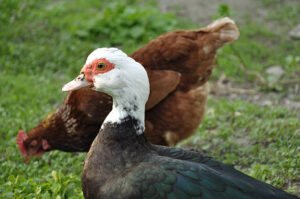
Muscovy Ducks, although classified as a different genus (Cairina moschata), are also highly susceptible. They are frequently raised in free-range or semi-wild settings where they might access road runoff, brackish ponds, or human food waste. Their scavenging behavior increases the risk of consuming salty scraps or contaminated water.
Call Ducks, being small ornamental breeds, have a very low body mass, which means even minute quantities of salt can lead to toxicity. Their tiny size amplifies the concentration effect of ingested sodium, making them particularly vulnerable to household hazards like pet water bowls with added electrolytes or decorative fountains using salt-based cleaning systems.
Mallards and Hybrid Mallards, commonly found in parks and urban waterways, are at risk due to human interaction. Well-meaning individuals may feed them salted bread, snacks, or discard food near lakes, increasing their exposure. These ducks also frequent areas with storm drains or roadside ditches where de-icing salts accumulate.
Rouen Ducks, resembling wild mallards but larger and domesticated, share similar vulnerabilities. They thrive near water bodies but may not distinguish between fresh and brackish water, especially if fresh sources dry up. Their grazing patterns keep them near shorelines where salt concentration might be higher due to evaporation or pollution.
Orpington and Cayuga Ducks, though hardy, are not immune. These breeds are common in small farms and gardens where access to safe drinking water may be overlooked during hot weather or poor farm management.
Overall, no duck breed is naturally adapted to high-salt diets, and susceptibility is more a function of management practices than genetics. However, smaller, less robust breeds and those with high human interaction or limited access to clean water face the greatest threats.
Affected Life Stages
Salt poisoning can occur at any life stage, but certain ages are more vulnerable due to physiological development and behavior.
Ducklings (0–8 weeks old): This is the most critical and susceptible stage. Ducklings have immature kidneys and limited body reserves, meaning sodium imbalance leads to rapid dehydration and neurological damage. Their exploratory behavior, combined with a tendency to drink and peck at anything, increases the risk of accidental ingestion of saltwater or salty substances. Even mild exposure can be fatal within hours. Ducklings raised in brooders or pens must be monitored carefully for water quality.
Juvenile Ducks (8–20 weeks): As ducks grow, their organ systems mature, and their ability to handle minor electrolyte fluctuations improves. However, juveniles are active and inquisitive, often exploring new environments where they may encounter salted roads, livestock mineral blocks, or contaminated water. While more resilient than ducklings, they are still prone to poisoning if preventive management is lacking.
Adult Ducks (>20 weeks): Adults are generally more tolerant of sodium fluctuations due to stronger kidney function and larger body size. However, chronic exposure—such as drinking slightly saline water daily—can still lead to cumulative toxicity. Adult ducks used for egg or meat production may suffer reduced productivity, weight loss, and poor immunity due to low-grade salt stress.
Breeding and Laying Ducks: Reproductive females have increased metabolic demands and require precise electrolyte balance. High sodium intake can disrupt egg formation, lead to soft-shelled or misshapen eggs, and decrease hatchability. Dehydration from salt poisoning may also cause egg binding, a life-threatening condition.
In summary, while ducklings are most vulnerable to acute salt poisoning, all life stages are at risk under poor management. Prevention must be applied across the lifespan.
Diagnosis of Salt Poisoning in Ducks
Diagnosing salt poisoning requires integration of clinical signs, history, laboratory tests, and post-mortem findings.
1. Clinical History: A veterinarian will inquire about recent changes in water sources, diet, exposure to salt blocks, or access to de-icing areas. Outbreaks affecting multiple birds point toward a common source, such as shared drinking water.
2. Physical Examination: Neurological signs like ataxia, seizures, and opisthotonos are strong indicators. Dehydration (skin tenting, sunken eyes) and gastrointestinal symptoms (diarrhea) are also common. Rapid breathing and elevated heart rate may reflect systemic distress.
3. Laboratory Tests:
- Plasma or Serum Sodium Levels: Elevated sodium (>160 mEq/L) confirms hypernatremia. Normal range in ducks is approximately 140–155 mEq/L.
- Blood Osmolality: High osmolality supports diagnosis.
- Electrolyte Panel: May reveal imbalances in potassium, chloride, or calcium.
- Blood Glucose and Kidney Function Tests: To rule out other metabolic diseases.
4. Necropsy (Post-Mortem): In deceased ducks, necropsy may reveal:
- Hemorrhagic enteritis (especially in the proventriculus and intestines)
- Petechial hemorrhages in the heart and lungs
- Kidney congestion or degeneration
- Brain edema (seen as soft, swollen brain tissue)
- Accumulation of serous fluid in body cavities
5. Water and Feed Analysis: Testing the suspected water source or feed for sodium content is crucial to confirm the source of poisoning. Water with more than 500 ppm (mg/L) sodium is considered unsafe for ducks. Concentrations above 1,000 ppm are dangerous, and >2,000 ppm can be rapidly fatal.
Differential Diagnosis: Salt poisoning mimics several other avian diseases, including:
- Botulism (also causes paralysis and weakness)
- Newcastle disease or avian influenza (neurological signs)
- Lead poisoning (seizures, ataxia)
- Vitamin deficiencies (e.g., thiamine deficiency causes opisthotonos)
A detailed history and lab tests help differentiate salt poisoning from these conditions.
Treatment of Salt Poisoning in Ducks
Immediate action is required upon suspicion of salt poisoning. Delay increases mortality and neurological damage.
1. Removal from Source: Immediately remove ducks from the suspected salty water, feed, or environment to prevent further ingestion.
2. Rehydration with Fresh Water:
- Provide clean, fresh water ad libitum.
- Use shallow dishes to prevent drowning in weak birds.
- Add small amounts of electrolyte solutions without high sodium (use avian-specific or low-sodium formulations).
- Avoid forcing large volumes of plain water, which can cause aspiration in comatose birds.
3. Supportive Care:
- Keep affected ducks in a quiet, shaded, and warm area.
- Provide soft bedding to prevent pressure sores in recumbent birds.
- Assist feeding if ducks refuse food; offer wet mash or soft greens.
4. Veterinary Intervention:
- Intravenous or Subcutaneous Fluids: Lactated Ringer’s solution or 5% dextrose in water can help correct dehydration and gradually lower sodium levels. Caution: Fluids must be administered slowly to avoid cerebral edema from rapid correction.
- Diuretics (e.g., Furosemide): May be used under veterinary supervision to promote sodium excretion, but only if kidney function is adequate.
- Anticonvulsants: Diazepam or midazolam may be given to control seizures.
- Vitamin and Mineral Support: B-complex vitamins can support nervous system recovery.
5. Monitoring:
- Check hydration status hourly in critical cases.
- Monitor neurological signs and respiratory effort.
- Recheck sodium levels every 6–12 hours if possible.
6. Isolation: Isolate sick ducks from the flock to reduce stress and monitor recovery closely.
Important Note: Do not use saltwater or ocean water for bathing or drinking, even in small amounts. There is no safe threshold for intentional sodium loading in domestic ducks.
Prognosis and Complications
The prognosis for salt poisoning depends on the severity and speed of treatment.
Favorable Prognosis:
- Ducks showing early signs (increased thirst, mild lethargy) and treated promptly have a good chance of recovery.
- Younger birds that receive supportive care early often return to normal function.
Guarded to Poor Prognosis:
- Ducks with advanced neurological signs (seizures, opisthotonos, coma) have a high mortality rate.
- Even if they survive, complications such as permanent brain damage, blindness, or recurrent seizures may persist.
- Ducklings with severe poisoning rarely survive due to rapid physiological collapse.
Complications Include:
- Cerebral Edema: Rapid shifts in osmolality can cause fluid to enter brain cells, leading to swelling, herniation, and death.
- Kidney Damage: Chronic high sodium load can induce renal tubular necrosis, impairing long-term function.
- Secondary Infections: Stress and immunosuppression from toxicity increase risk of bacterial or fungal infections.
- Reduced Fertility and Egg Production: In breeding adults, long-term effects may include poor reproductive performance.
- Stunted Growth: In survivors, especially ducklings, salt poisoning can impair development.
Recovery may take several days to weeks. Birds should be monitored for relapse or lingering symptoms.
Prevention of Salt Poisoning in Ducks
Prevention is far more effective and humane than treatment.
1. Provide Clean, Fresh Water:
- Change water daily and use containers that resist evaporation.
- Use automatic waterers that minimize contamination.
- In hot weather, check waterers multiple times per day to ensure they are not concentrating salt due to evaporation.
2. Avoid Salt-Based Diets:
- Never feed ducks table salt, chips, pretzels, or processed human food.
- Choose poultry feeds formulated for waterfowl, not chickens.
- Avoid feeding livestock mineral blocks or supplements containing salt.
3. Manage Environment:
- Fence off access to saline ponds, tidal areas, or storm drains.
- Do not use rock salt or de-icers near duck enclosures.
- Prevent ducks from roaming on roads or sidewalks after winter salting.
4. Feed Appropriately:
- Offer a balanced diet of commercial duck pellets, supplemented with fresh greens, vegetables, and grit.
- If formulating feed, ensure sodium levels do not exceed 0.2–0.3% of the total diet.
- Avoid fishmeal or marine ingredients unless properly balanced.
5. Educate the Public:
- Post signs in parks warning against feeding ducks salty or unhealthy foods.
- Promote safe treats like peas, corn, or chopped lettuce.
6. Regular Monitoring:
- Observe ducks daily for signs of illness.
- Test water quality periodically, especially in free-range or pond-based systems.
- Use water testing kits to measure sodium, salinity, and pH.
7. Quarantine New Birds: Prevent introduction of poisoning sources through contaminated bedding or water.
Implementing biosecurity and good husbandry practices reduces the risk of salt poisoning significantly.
Diet and Nutrition for Ducks: Maintaining Sodium Balance
A proper diet is fundamental to preventing salt poisoning and promoting overall health.
Ideal Sodium Levels:
- Ducks require approximately 0.15–0.25% sodium in their diet.
- Laying ducks may need slightly more (up to 0.3%) for eggshell formation, but excess is dangerous.
Recommended Diet Components:
- Starter Feed (0–3 weeks): 18–20% protein, low salt, crumbled form.
- Grower Feed (3–18 weeks): 15–16% protein, balanced minerals.
- Layer Feed (>18 weeks): 16–18% protein, calcium supplementation for eggs, but controlled sodium.
- Supplements: Grit for digestion, fresh greens (kale, lettuce), aquatic plants for grazing.
Foods to Avoid:
- Salted bread, chips, crackers
- Processed meats, cheese, or canned vegetables (high in sodium)
- Dog or cat food
- Table scraps with added salt
Water Quality:
- Sodium should be <500 ppm.
- Chloride <700 ppm.
- Avoid water from water softeners (high in sodium).
- Use rainwater or filtered water if municipal water is high in minerals.
Nutritional balance supports not only prevention of salt toxicity but also immune function, feather quality, reproduction, and longevity.
Zoonotic Risk
Salt poisoning in ducks does not pose a direct zoonotic risk—humans cannot contract sodium toxicosis from infected ducks. There is no transmission of the condition between species.
However, indirect zoonotic concerns exist:
- Contaminated Meat: Ducks that die from salt poisoning may have tissue damage or secondary infections. Consumption of such meat is unsafe and should be avoided.
- Secondary Exposure: Humans using high-salt runoff areas (e.g., near roads) may also be exposed to environmental sodium, though this is rarely a health issue for people.
- Public Health Education: Promoting safe feeding practices for ducks helps reduce environmental pollution and protects urban wildlife.
Thus, while salt poisoning is not infectious, proper disposal of dead birds and responsible animal husbandry contribute to broader public health.
Conclusion
Salt poisoning is a preventable but potentially deadly condition in ducks. Caused by excessive sodium intake through water, feed, or environmental exposure, it manifests with neurological and systemic symptoms that can progress rapidly to death. Ducklings and smaller breeds are especially vulnerable, but all ducks face risk under poor management. Diagnosis hinges on history, clinical signs, and laboratory tests, while treatment focuses on rehydration, supportive care, and removing the salt source. Prevention through access to clean water, proper nutrition, and environmental management is the most effective strategy. With proactive care, salt poisoning can be eliminated from duck-keeping practices, ensuring healthier, longer lives for these remarkable birds.
#SaltPoisoningInDucks, #DuckHealth, #PekinDucks, #MuscovyDuck, #DuckCare, #BackyardDucks, #DuckPoisoning, #DuckSafety, #DuckNutrition, #WaterfowlHealth, #DuckKeepers, #DuckVet, #Ducklings, #DuckDiet, #HealthyDucks, #AvianHealth, #DuckTips, #FarmLife, #PoultryCare, #DuckFlock, #BirdPoisoning, #SodiumToxicosis, #DuckWater, #FreshWaterForDucks, #DuckHusbandry, #PetDucks, #UrbanDucks, #DuckParkSafety, #DuckDisease, #DuckRecovery, #PreventDuckIllness, #SaltFreeDucks, #DuckWellness, #DuckLovers, #ResponsibleFeeding






Add comment