
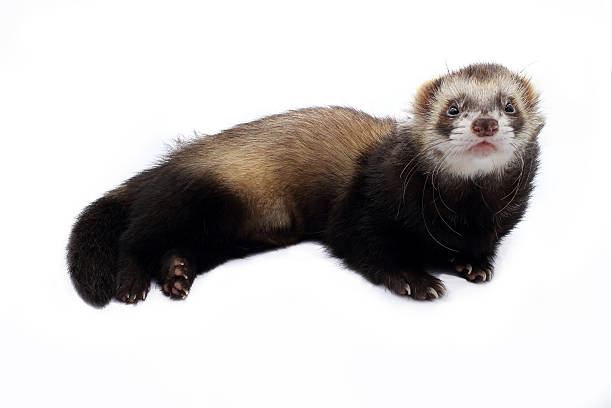
Ferrets are playful, curious, and affectionate pets beloved by many exotic animal enthusiasts. However, like all pets, they are susceptible to various health conditions — one of the most common and misunderstood of which is hair loss. Among the leading causes of alopecia (hair loss) in ferrets are Seasonal Alopecia and Adrenal Disease. These two conditions share overlapping clinical signs, leading to confusion among pet owners, general veterinarians, and even some exotic animal specialists. Distinguishing between Seasonal Alopecia and Adrenal-Related Hair Loss is critical, as their mechanisms, treatments, and prognoses differ significantly. This comprehensive guide explores the causes, signs and symptoms, diagnosis, treatment, prognosis, complications, prevention, dietary considerations, and zoonotic risks associated with both conditions.
Understanding Alopecia in Ferrets: An Overview
Alopecia refers to partial or complete loss of hair, and it is a frequent complaint among ferret owners. While some degree of hair shedding is normal, especially during seasonal transitions, persistent or widespread hair loss can indicate underlying pathology. In ferrets, alopecia can be caused by a variety of factors, including hormonal imbalances, parasites, fungal infections, stress, and nutritional deficiencies. However, two of the most frequently encountered and often mistaken causes are Seasonal Alopecia and Adrenal-Related Hair Loss.
Before exploring their differences, it’s essential to understand the biology of ferret coat cycles and hormonal regulation. Ferrets are photoperiodic animals, meaning their behavior, reproduction, and coat cycles are regulated by changes in daylight length. This trait is rooted in their evolution as animals adapted to Northern Hemisphere seasons. As such, alterations in light cycles — whether natural or artificial — significantly impact their physiology.
Seasonal Alopecia in Ferrets
Causes
Seasonal Alopecia, also known as “cyclic hair loss” or “photoperiod-dependent alopecia,” is directly linked to changes in the length of daylight throughout the year. It typically occurs during the fall and early winter months when days grow shorter, and sunlight exposure decreases. The exact pathophysiology is not fully understood, but it is believed to be related to alterations in melatonin secretion. Melatonin is a hormone produced by the pineal gland in response to darkness; it regulates circadian rhythms and seasonal reproductive cycles.
In ferrets, reduced daylight leads to increased melatonin production, which may disrupt normal hair follicle cycling, resulting in hair loss. Unlike adrenal disease, this condition is not associated with a tumor or structural pathology but rather a functional, reversible response to environmental cues.
Signs and Symptoms
- Symmetrical hair loss, typically beginning on the tail, rump, and flanks
- Hair loss may progress to the abdomen and back but usually spares the head and front legs
- Skin often appears healthy — no redness, scaling, or inflammation
- No systemic symptoms such as lethargy, weight loss, or behavioral changes
- Complete or partial regrowth with increased daylight (usually in spring)
- Often recurrent each year during the same season
Notably, Seasonal Alopecia is more commonly observed in intact (unneutered) male ferrets, although spayed or neutered ferrets can also be affected.
Diagnosis
Diagnosing Seasonal Alopecia is largely clinical and based on history and physical examination. A veterinarian will assess:
- Pattern and symmetry of hair loss
- Timing of onset (correlation with seasonal changes)
- Absence of systemic illness
- Skin cytology to rule out parasites or bacterial/fungal infections
Routine blood work is typically normal in cases of Seasonal Alopecia, and imaging (such as abdominal ultrasound) reveals no adrenal abnormalities. The absence of other disease indicators supports this diagnosis.
Treatment
Since Seasonal Alopecia is self-limiting and non-pathological, treatment is generally not required. Hair regrowth usually occurs naturally with increasing daylight in the spring. However, in cases where owners are concerned or hair loss is severe, the following interventions may be considered:
- Melatonin supplementation: Given orally or via implant, melatonin can help reset the hormonal signals that control hair cycling. Doses typically range from 1–3 mg every 4–7 days, depending on the ferret’s size and response.
- Light therapy: Exposing ferrets to 12–14 hours of bright light per day using full-spectrum bulbs may help mimic spring conditions and stimulate hair regrowth.
- Topical treatments: While not curative, moisturizing shampoos or coconut oil may soothe dry skin.
It is important to avoid unnecessary interventions like surgery or aggressive medications in cases correctly diagnosed as Seasonal Alopecia.
Prognosis and Complications
The prognosis for Seasonal Alopecia is excellent. Most ferrets regrow their hair completely within a few months without complications. However, repeated episodes each year can be distressing for owners. There are no associated long-term health risks or systemic effects.
Prevention
Preventive measures focus on managing light exposure:
- Use light timers to ensure consistent 14-hour light/dark cycles year-round
- Place ferret enclosures near windows (with caution against overheating)
- Avoid prolonged exposure to artificial lighting at night, which can disrupt natural rhythms
- Consider early melatonin therapy in ferrets with a known history of seasonal hair loss
Diet and Nutrition
While no specific diet causes or prevents Seasonal Alopecia, maintaining a balanced, high-protein diet supports overall skin and coat health. Ferrets are obligate carnivores and require a diet rich in animal-based proteins and fats. Commercial ferret food or high-quality kitten food with the following characteristics is recommended:
- At least 32–40% crude protein
- 15–20% crude fat
- Low in carbohydrates and fiber
- Enriched with taurine, an essential amino acid for ferrets
Omega-3 and omega-6 fatty acids from fish oil may improve skin condition, though they do not prevent Seasonal Alopecia. Supplements should be used sparingly and under veterinary guidance.
Zoonotic Risk
Seasonal Alopecia poses no zoonotic risk. It is a non-infectious, environmentally influenced condition that cannot be transmitted to humans or other animals.
Adrenal-Related Hair Loss in Ferrets (Adrenal Disease)
Causes
Adrenal-Related Hair Loss, more accurately known as Hyperadrenocorticism or Adrenal Disease, is far more serious than Seasonal Alopecia. It is one of the most common endocrine disorders in pet ferrets, particularly in the United States, affecting up to 70% of ferrets over the age of 3.
Adrenal Disease results from hyperplasia (overgrowth) or neoplasia (tumor formation) of the adrenal glands, located near the kidneys. The exact cause is not fully understood, but contributing factors include:
- Early spaying or neutering (especially before 6 months of age), which disrupts feedback mechanisms in the hypothalamic-pituitary-adrenal (HPA) axis
- Prolonged exposure to artificial light, which disrupts natural photoperiods and increases gonadotropin-releasing hormone (GnRH) secretion
- Genetic predisposition
- Obesity and poor diet
In response to excessive stimulation from the pituitary gland, the adrenal glands overproduce sex hormones such as estrogen, androgen, and cortisol. This hormonal imbalance leads to a wide range of clinical signs, with alopecia being one of the earliest and most prominent.
Signs and Symptoms
- Bilateral, symmetrical hair loss starting at the base of the tail and progressing forward along the back and flanks
- Thinning or complete loss of fur, often leaving the skin exposed and shiny
- Itchiness (pruritus) in some cases
- Swollen vulva in spayed females (due to estrogen influence)
- Aggression or sexual behaviors in neutered males (due to androgen production)
- Muscle atrophy and weakness
- Lethargy and decreased activity
- Increased water consumption and urination
- Weight loss despite normal or increased appetite
- In males: inability to retract the penis (penile prolapse), prostate enlargement, urinary obstruction
Hair regrowth is rare and incomplete without treatment. Unlike Seasonal Alopecia, the skin may become thin, dry, or hyperpigmented.
Diagnosis
Diagnosing Adrenal Disease requires a combination of clinical signs, blood tests, and imaging:
- Physical examination: Veterinarians look for hallmark signs like hair loss pattern, vulvar swelling, and muscle wasting.
- Abdominal ultrasound: This is the gold standard for diagnosing adrenal enlargement or tumors. It can differentiate between left, right, or bilateral adrenal involvement.
- Hormone assays: Blood tests such as plasma 17-hydroxyprogesterone (17-OHP), sex hormone-binding globulin (SHBG), and cortisol levels may be elevated. However, these tests are not always accessible or conclusive.
- Response to treatment: A positive response to melatonin or deslorelin implants can support the diagnosis, but is not definitive.
It is important to differentiate Adrenal Disease from other causes of alopecia, including dermatophytosis (ringworm), demodicosis, and nutritional deficiencies.
Treatment
Adrenal Disease can be managed medically or surgically, depending on the ferret’s age, overall health, and owner preferences.
- Surgical Treatment (Adrenalectomy):
- The definitive treatment, especially in cases with a visible mass or severe symptoms.
- Involves removal of the affected adrenal gland (usually the right, which is more prone to tumors).
- Requires an experienced exotic veterinarian due to anatomical complexity.
- Recovery may take 1–2 weeks; pain management and supportive care are essential.
- Risk of complications includes bleeding, hypoglycemia, and adrenal insufficiency.
- Medical Management:
- Used for ferrets that are poor surgical candidates or for owners seeking non-invasive options.
- Deslorelin acetate implant: A slow-release GnRH analog that suppresses hormone production. Effective for 6–18 months per implant. Considered the most effective medical option.
- Melatonin supplementation: Helps reduce symptoms and may slow disease progression, but is not curative. Often used as an adjunct.
- Leuprolide acetate (Lupron): Injected monthly, suppresses pituitary signaling. Expensive and less commonly used now due to deslorelin’s superiority.
- Supportive Care:
- Managing secondary issues like urinary obstruction or skin infections
- Providing soft bedding for comfort during recovery
- Maintaining hydration and nutrition
Prognosis and Complications
The prognosis for Adrenal Disease varies:
- Ferrets treated surgically with complete tumor removal often live for several more years with a good quality of life.
- Medically managed ferrets may live 1–3 years post-diagnosis, depending on disease progression.
- Untreated Adrenal Disease is progressive and can lead to life-threatening complications:
- Severe muscle wasting and weakness
- Urinary obstruction (especially in males)
- Anemia
- Secondary infections
- Death due to complications
Early diagnosis and intervention significantly improve outcomes.
Prevention
While Adrenal Disease cannot be completely prevented, risk factors can be minimized:
- Avoid early spaying or neutering; delay until 6–12 months of age if feasible
- Provide natural light cycles (12 hours light/12 hours dark) to prevent photoperiod disruption
- Use light timers for indoor ferrets to maintain consistency
- Maintain a healthy weight through diet and exercise
- Regular veterinary check-ups to monitor for early signs
Recent advancements in breeding practices, including late-age neutering and the use of hormonal implants in breeding stock, may reduce incidence in future generations.
Diet and Nutrition
Nutrition plays a supportive role in managing Adrenal Disease:
- High-protein, low-carbohydrate diet to maintain muscle mass and support metabolism
- Avoid sugary treats, which can exacerbate insulin resistance and obesity
- Supplements like fish oil may improve coat quality temporarily but do not treat the disease
- Ensure constant access to fresh water, especially in ferrets showing polyuria
Some holistic practitioners recommend phytoestrogen-rich foods (like soy), but these are controversial and can worsen hormonal imbalances. Always consult a veterinarian before dietary changes.
Zoonotic Risk
Adrenal Disease is not zoonotic. It is an endogenous hormonal disorder with no risk of transmission to humans or other animals. However, owners should practice good hygiene when handling ferrets, especially during medical treatments.
How to Tell the Difference: Seasonal Alopecia vs. Adrenal Disease
Despite similar appearances, key differences can help distinguish the two conditions:
| Feature | Seasonal Alopecia | Adrenal Disease |
|---|---|---|
| Onset | Fall/winter; annual recurrence | Any time, but often progressive |
| Hair Loss Pattern | Symmetrical, starts at tail, spares head | Symmetrical, starts at tail, may progress to near-total alopecia |
| Skin Condition | Normal, non-itchy | Often dry, thin, may be itchy |
| Systemic Symptoms | None | Vulvar swelling, aggression, muscle loss, polyuria |
| Hair Regrowth | Spontaneous in spring | Rare without treatment |
| Diagnosis | Clinical + exclusion | Ultrasound + hormone tests |
| Treatment | Melatonin, light therapy | Surgery, deslorelin, melatonin |
| Prognosis | Excellent | Good with early treatment; poor if untreated |
| Age of Onset | Any age, often younger | Typically >3 years old |
When in doubt, diagnostic imaging (ultrasound) is the most reliable method to differentiate the two.
Common Misconceptions and Pitfalls
- “All hair loss in ferrets is adrenal disease.”
- Incorrect. Seasonal Alopecia is benign and self-limiting, while adrenal disease is progressive and pathological.
- “Melatonin treats both conditions, so it must be the same.”
- While melatonin may help both, it masks symptoms in Adrenal Disease without curing the underlying cause.
- “Older ferrets with hair loss don’t need diagnostics.”
- Even in older ferrets, proper diagnosis ensures appropriate treatment and avoids unnecessary surgery or medication.
- “Only intact ferrets get adrenal disease.”
- Adrenal Disease is most common in spayed/neutered ferrets, especially those altered early in life.
Advanced Considerations and Emerging Therapies
Recent research has focused on improving diagnostics and treatments for Adrenal Disease. Innovations include:
- High-resolution ultrasound techniques for earlier tumor detection
- Gene expression studies to understand adrenal tumor development
- New hormonal implants with longer duration and fewer side effects
- Photoperiod management protocols in breeding colonies to reduce disease prevalence
Additionally, some veterinary hospitals are exploring laser therapy and acupuncture as adjuncts for pain and inflammation, though evidence remains anecdotal.
Conclusion
Hair loss in ferrets is a common concern, but understanding whether it stems from Seasonal Alopecia or Adrenal Disease is crucial for appropriate management. Seasonal Alopecia is a reversible, environmentally driven condition with an excellent prognosis, while Adrenal Disease is a progressive endocrine disorder requiring medical or surgical intervention.
Ferret owners should monitor their pets closely for early signs of hair loss and systemic illness, consult with a qualified exotic veterinarian, and pursue diagnostic testing when necessary. With proper care, nutrition, and timely treatment, ferrets with either condition can lead happy, healthy lives.
Prevention, early detection, and education remain the best tools in combating these often-confused conditions. As our understanding of ferret physiology deepens, so too do our capabilities to ensure their well-being.
#FerretHealth, #FerretAlopecia, #FerretHairLoss, #AdrenalDiseaseInFerrets, #SeasonalAlopecia, #FerretCare, #FerretOwner, #FerretMedicine, #FerretNutrition, #ExoticPets, #FerretVet, #FerretMom, #FerretDad, #FerretRescue, #FerretLife, #FerretProblems, #FerretTreatment, #FerretSurgery, #MelatoninForFerrets, #DeslorelinImplant, #FerretUltrasound, #ZoonoticRisk, #FerretWellness, #FerretSkinIssues, #FerretHormones, #PetFerret, #FerretLovers, #FerretCommunity, #AdrenalTumor, #FerretGrooming
Add comment