
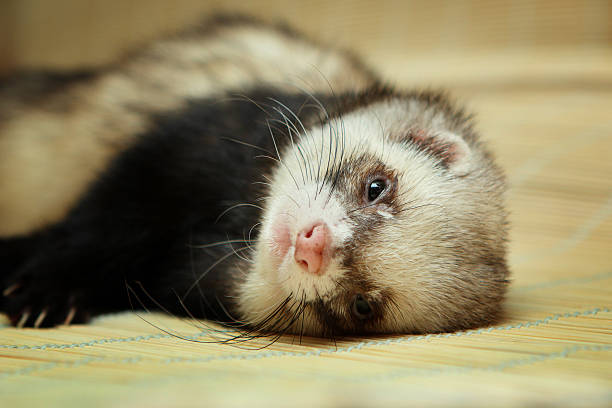
Seborrhea, a chronic skin disorder characterized by abnormal sebum (oil) production, is a significant concern in ferrets (Mustela putorius furo). This condition disrupts the natural balance of oil and moisture on the skin and coat, leading to discomfort and secondary health complications. While seborrhea can occur in any animal with sebaceous glands, ferrets are particularly predisposed due to their unique physiology, including a high metabolic rate and dense fur. The condition manifests as excessive oiliness, dandruff, or a combination of both, affecting the animal’s quality of life and overall hygiene.
There are two primary types of seborrhea: oligosyphonic (dry seborrhea) and seborrhea oleosa (oily seborrhea). Dry forms result in flaky, irritated skin, while oily forms cause a greasy, malodorous coat. In ferrets, seborrhea is often linked to underlying medical conditions, making it a symptom rather than an isolated disease. For instance, hormonal imbalances like hypothyroidism, parasitic infestations (e.g., mites), or fungal/bacterial infections frequently trigger seborrheic symptoms. Left untreated, seborrhea can lead to chronic discomfort, secondary infections, and systemic complications.
Managing seborrhea in ferrets is critical not only for their physical health but also for their well-being. Excessive oil or dryness can cause skin irritation, hair loss, and an unpleasant odor, leading to social avoidance and reduced activity in social environments. Furthermore, a compromised coat increases susceptibility to temperature fluctuations and infections. This guide will delve into the causes, symptoms, diagnostic methods, treatment options, and preventive strategies to help ferret owners and caretakers navigate this complex condition effectively.
Causes of Seborrhea in Ferrets
Seborrhea in ferrets arises from a complex interplay of primary, secondary, and environmental factors. Understanding these causes is essential for effective management:
- Primary (Idiopathic) Causes:
Genetic predisposition is a leading cause of seborrhea in ferrets. Some individuals may inherit a tendency for overactive or underactive sebaceous glands, leading to either excessive oil production or dry, flaky skin. This is particularly evident in breeds with a lineage of seborrhea-prone ancestors. Primary seborrhea is often lifelong and challenging to cure, requiring ongoing management. - Secondary Causes:
Underlying health conditions are the most common triggers of seborrhea in ferrets. These include:- Parasites: Mites like Sarcoptes scabiei (causing mites) and Cheyletiella (walking dandruff) are notorious for inducing seborrhea. These parasites irritate the skin, leading to excessive sebum production or dryness.
- Infections: Bacterial (e.g., Staphylococcus spp.) and fungal (e.g., Malassezia pachydermatis) infections alter the skin’s microbiome, disrupting sebum balance.
- Hormonal Imbalances: Hypothyroidism (common in aging ferrets) reduces sebum production, while adrenal gland disorders can cause overproduction.
- Environmental Factors:
Poor hygiene, excessive humidity, or exposure to allergens can exacerbate seborrhea. High humidity encourages yeast overgrowth, while dry, arid conditions worsen flakiness. Stress from environmental changes (e.g., new pets, loud noises) may also trigger flare-ups. - Dietary Deficiencies:
Inadequate intake of essential nutrients like biotin, omega-3 fatty acids, and zinc weakens the skin barrier, increasing vulnerability to seborrhea. Processed diets high in sugar or fat can further disrupt skin health. - Age-Related Factors:
Older ferrets may develop seborrhea due to hormonal shifts or reduced grooming efficiency, leading to matted fur and oily residue. - Other Triggers:
Allergies to food, bedding materials, or household chemicals can cause localized or generalized seborrhea. Autoimmune disorders may also play a role in rare cases.
By identifying these causes, caretakers can address seborrhea proactively, whether through targeted treatments for underlying conditions or environmental adjustments.
Signs and Symptoms
Seborrhea in ferrets presents a spectrum of symptoms, from mild to severe, depending on the type and underlying cause. Key indicators include:
- Excessive Oiliness or Flakiness:
- Oily Seborrhea: The coat appears greasy, matted, and emits a foul odor. Excess oil can attract dirt and parasites.
- Dry Seborrhea: The skin is flaky, with visible dandruff (white, fish-scale-like flakes). Affected areas may feel rough and itchy.
- Redness and Inflammation:
Inflammation is common, particularly in secondary seborrhea caused by infections or allergies. Red, sore patches may develop, especially around the ears, face, and tail. - Hair Loss (Alopecia):
Chronic irritation and scratching can lead to patchy hair loss, often localized near the ears, under the chin, or along the back. This may progress to generalized alopecia if untreated. - Odor and Lesions:
A musty or cheesy smell often accompanies seborrhea, especially in severe cases. Open sores, crusted ulcers, or pustules may form, indicating secondary bacterial or fungal infections. - Behavioral Changes:
Ferrets with seborrhea may exhibit restlessness, excessive scratching, or reluctance to socialize due to discomfort. In advanced stages, they may self-mutilate affected areas. - Variations Based on Type:
- Localized: Lesions are confined to specific body parts, such as the ears or tail.
- Generalized: Widespread symptoms cover large regions of the body.
- Primary vs. Secondary: Primary cases are typically chronic and less severe, while secondary cases are acute and often more aggressive.
- Early vs. Advanced Symptoms:
Early signs may include mild dandruff or localized greasiness, which can progress to severe sores, bacterial infections, and systemic illness if neglected.
Recognizing these symptoms early is crucial for prompt intervention, as untreated seborrhea can lead to complications like chronic infections or skin breakdown.
Diagnosis
Diagnosing seborrhea in ferrets requires a systematic approach to rule out underlying causes and confirm the condition. The process includes:
- Physical Examination:
A veterinarian begins with a thorough assessment of the skin, coat, and behavior. Key signs like greasy fur, dandruff, and lesions are noted, along with any secondary symptoms such as redness or odor. - Trichogram Analysis:
A trichogram involves plucking a few hairs and examining their shafts under a microscope. In seborrhea, abnormal sebum production is evident as an oily sheen or irregular cell structures. - Skin Scraping and Microscopy:
A small sample of the affected skin is scraped and examined for mites, fungi, or bacteria. This helps identify parasitic causes like Sarcoptes mites or fungal infections such as ringworm. - Fungal and Bacterial Cultures:
If a secondary infection is suspected, cultures isolate pathogens like Malassezia (yeast) or Staphylococcus (bacteria). These tests guide targeted treatment. - Hormonal and Blood Tests:
Hypothyroidism is evaluated via blood tests measuring thyroid-stimulating hormone (TSH) and free triiodothyronine (fT3). Adrenal gland abnormalities may also be assessed. - Allergy Testing:
Skin or blood tests identify allergens causing irritant or contact dermatitis, which may contribute to seborrhea. - Differential Diagnosis:
Conditions like pemphigus foliaceus (autoimmune disease) or cutaneous lymphoma must be ruled out through biopsy or advanced imaging.
Once the root cause is identified, a tailored treatment plan is developed. Early diagnosis is critical to prevent complications like chronic infections or skin breakdown.
Treatment
Managing seborrhea in ferrets requires a multifaceted approach, addressing both the symptoms and underlying causes. Key strategies include:
- Antiseborrheic Shampoos:
Medicated shampoos containing sulfur, salicylic acid, or coal tar reduce excess oil and exfoliate flakes. Bathing frequency (once or twice weekly) prevents over-drying. Always follow vet recommendations. - Conditioners and Oils:
Moisturizing conditioners replenish lost oils in dry seborrhea, while oils like coconut oil or corn oil soothe inflammation. Apply sparingly to avoid greasiness. - Dietary Supplements:
- Biotin: 100–200 mcg daily improves skin health.
- Omega-3 Fatty Acids: Fish oil or flaxseed oil (500–1000 mg/day) reduce inflammation.
- Zinc: 50–100 mg/day enhances skin barrier function.
- Addressing Underlying Causes:
- Parasites: Use fipronil or milbemycin oxime for mites and lice.
- Infections: Topical or oral antifungals (e.g., ketoconazole) and antibiotics (e.g., ciprofloxacin) target yeast or bacterial overgrowth.
- Hormonal Imbalances: Levothyroxine for hypothyroidism or trilostane for adrenal disorders.
- Environmental Adjustments:
Reduce humidity with dehumidifiers, switch to non-irritating bedding, and minimize stressors. - Grooming Practices:
Regular brushing removes excess oil and dander, while trimming prevents matting. Use pH-balanced products to avoid irritation.
Treatment success depends on consistency, addressing underlying issues, and adapting to the ferret’s unique needs.
Prognosis and Complications
The prognosis for seborrhea in ferrets varies based on the underlying cause. Primary seborrhea, stemming from genetic factors, is often chronic but manageable with lifelong care. With proper treatment, including topical therapies and dietary adjustments, most ferrets experience significant symptom relief. However, without consistent management, flare-ups may recur.
Secondary seborrhea typically resolves once the underlying issue (e.g., parasites, infections) is treated. For example, resolving a bacterial infection with antibiotics or addressing hypothyroidism with hormone therapy often clears seborrheic symptoms. However, delayed diagnosis or incomplete treatment can lead to complications.
Potential complications include:
- Chronic Infections: Unchecked fungal or bacterial growth can spread systemically, causing fever, lethargy, or sepsis.
- Skin Breakdown: Severe cases may result in painful ulcers, abscesses, or necrosis.
- Secondary Autoimmune Reactions: Persistent inflammation may trigger pemphigus foliaceus.
- Behavioral Issues: Chronic discomfort can lead to aggression, social withdrawal, or depression.
Early intervention is critical to minimize complications. Regular veterinary check-ups and adherence to prescribed treatments ensure optimal outcomes.
Prevention
Preventing seborrhea in ferrets involves proactive measures to maintain skin health and address risk factors:
- Regular Grooming: Brush daily to remove dead hair and oil. Bathe monthly with pH-balanced shampoos, and clean ears to prevent mite infestations.
- Parasite Control: Administer monthly preventatives for mites and fleas (e.g., Revolution or Frontline).
- Environmental Hygiene: Clean cages, food/water bowls daily, and use HEPA air filters to reduce allergens.
- Balanced Diet: Feed high-quality pelleted food rich in omega-3s, avoid high-fat or sugary treats, and ensure adequate hydration.
- Regular Veterinary Check-ups: Screen for thyroid or adrenal disorders, especially in older ferrets.
- Stress Management: Provide enrichment (toys, hideouts) and a stable environment to reduce anxiety.
By integrating these practices, ferret owners can minimize seborrhea risks and promote overall wellness.
Diet and Nutrition
A well-balanced diet is vital for managing seborrhea in ferrets. Key dietary considerations include:
- High-Quality Pelleted Food: Formulated for ferrets, containing 40–50% protein and 20–30% fat. Brands like Rabbit Hill or Mazuri are recommended.
- Avoid High-Sugar/High-Fat Diets: Treats like fruits, vegetables, or high-calorie snacks should be limited.
- Essential Fatty Acids: Omega-3s (from fish oil) reduce inflammation; omega-6s (from flaxseed) support skin hydration.
- Biotin and Zinc: Supplementation (100 mg Biotin, 50 mg Zinc daily) strengthens the skin barrier.
- Hydration: Provide fresh water at all times to maintain skin moisture.
Commercial supplements like Ferrocare or Zymes Plus can fill nutrient gaps. Diet adjustments, combined with targeted therapies, significantly improve skin and coat health.
Zoonotic Risk
Seborrhea in ferrets poses no direct zoonotic risk, as it is not a transmissible disease. However, fungal infections like Malassezia or Trichophyton (ringworm) associated with seborrhea can infect humans. Similarly, Sarcoptes scabies mites can transiently affect humans, causing itchy rash. Preventive measures include:
- Hygiene: Wash hands after handling ferrets, and disinfect cages regularly.
- Avoid Contact with Lesions: Prevent direct contact with infected skin or fur until treatment is complete.
- Quarantine New Ferrets: Isolate new pets for 30 days to rule out parasites or infections.
- Use Species-Specific Treatments: Never apply prescription medications meant for ferrets to humans or other pets.
By adhering to these precautions, the risk of cross-species transmission is minimized.
Conclusion
Seborrhea in ferrets is a multifaceted condition requiring proactive management. From recognizing early symptoms like dandruff or greasiness to implementing targeted treatments, the journey to healthy skin is both challenging and rewarding. Ferret owners must remain vigilant, understanding that seborrhea often signals underlying issues like parasites, infections, or hormonal imbalances. Regular veterinary check-ups, a balanced diet, and a clean environment are essential pillars of prevention. Whether managing oily or dry seborrhea, consistency in care ensures long-term success. For those striving to provide the best for their ferrets, this guide serves as a valuable resource, empowering caretakers to navigate seborrhea with confidence and compassion. By integrating these strategies, ferrets can thrive with vibrant coats and robust health.
#FerretHealth, #SeborrheaTreatment, #FerretSkinCare, #FerretDiet, #FerretGrooming, #SeborrheicDermatitis, #FerretParasites, #FerretNutrition, #FerretOwnerTips, #FerretWellness, #FerretAllergies, #FerretVeterinary, #FerretZoonotics, #FerretDermatology, #FerretCoatCare, #FerretHealthCheck, #FerretPetHealth, #FerretOwnerCommunity, #FerretDiseasePrevention, #ExoticPetCare.

Add comment