
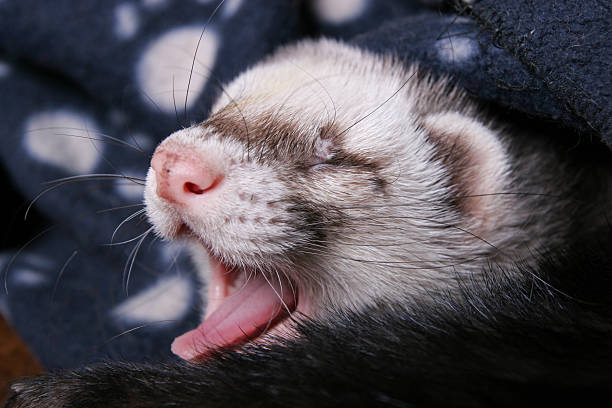
Ferrets, with their inquisitive nature, playful antics, and profound love for sleep, spend a significant portion of their lives nestled in their bedding. Far more than just a soft place to land, the right bedding material is paramount to a ferret’s health, safety, comfort, and overall well-being. Selecting appropriate bedding is one of the most critical decisions a ferret owner will make, directly impacting everything from respiratory health to skin condition, body temperature regulation, and even mental stimulation. This guide aims to provide an exhaustive exploration of ferret bedding, arming owners with the knowledge to make informed, safe, and comfortable choices for their beloved mustelids.
The Profound Importance of Proper Ferret Bedding
Before diving into specific materials, it’s crucial to understand why bedding is so vital for ferrets:
- Safety First: The wrong bedding can be a silent killer. Materials that are easily ingested, highly fibrous, dusty, or contain harmful chemicals or aromatics pose severe risks, including intestinal blockages, respiratory distress, skin irritation, and even liver damage.
- Thermoregulation: Ferrets are susceptible to both overheating and hypothermia. Good bedding provides insulation, helping them maintain a stable body temperature, especially important for kits, senior ferrets, or those prone to illness. Their natural instinct to burrow and create dens is directly related to temperature control.
- Comfort and Security: Ferrets are den animals. They thrive in secure, enclosed spaces that mimic the burrows of their wild ancestors. Soft, comfortable bedding provides a sense of security, reduces stress, and promotes restful sleep – which, for a ferret, can be 75% of their day!
- Hygiene and Odor Control: While ferrets have a natural musky scent, proper bedding can significantly impact cage cleanliness and mitigate unpleasant odors. Absorbent and easily washable materials prevent the buildup of urine, feces, and general grime, which can lead to bacterial growth and strong ammonia smells.
- Respiratory Health: Ferrets have sensitive respiratory systems. Dusty or chemically treated bedding can cause chronic irritation, leading to sneezing, coughing, and predisposing them to more severe respiratory infections.
- Mental Stimulation and Enrichment: Ferrets are intelligent and curious. Bedding that allows for burrowing, tunneling, and nest-building provides essential mental and physical enrichment, satisfying their natural instincts and preventing boredom.
- Skin and Coat Health: Soft, non-abrasive bedding prevents skin irritation, bald spots, and excessive shedding. It also contributes to a clean coat, free from dust and debris.
Core Principles of Ferret Bedding Selection
When evaluating any potential bedding material, consider these guiding principles:
- Non-Toxic: No dyes, chemicals, glues, or harmful scents.
- Non-Irritating: Avoid materials that are dusty, abrasive, or highly allergenic.
- Ingestion-Safe: Materials should not unravel into long strands, break into sharp pieces, or be easily consumed in large quantities, as this can lead to life-threatening intestinal blockages.
- Absorbent: While a litter box handles most elimination, accidents happen. Bedding should absorb minor spills and urine.
- Durable & Washable: For hygiene, bedding must withstand frequent washing without degrading or shedding fibers.
- Breathable: Prevents moisture buildup and promotes airflow, crucial for respiratory health and odor control.
- Comfortable & Warm: Soft to the touch, providing warmth without trapping excessive heat.
- Promotes Natural Behavior: Allows for burrowing, hiding, and nesting.
In-Depth Analysis of Recommended Bedding Materials
The best bedding materials for ferrets generally fall into two categories: textile (fabric) and loose substrate. Textile options are overwhelmingly preferred for primary bedding due to their safety and washability.
A. Fabric/Textile Bedding (Highly Recommended Primary Bedding)
Fabric bedding is superior for ferrets because it’s reusable, washable, less dusty, and offers excellent comfort and warmth. The key is to choose fabrics that won’t unravel easily, are free of loops or snags, and are made from safe, non-toxic fibers.
- Fleece (Anti-Pill or Blended):
- Description: Soft, synthetic fabric known for its warmth, quick-drying properties, and durability. Anti-pill fleece is specifically designed to resist forming little balls of fiber (pills) after washing.
- Pros:
- Excellent Safety: Extremely low risk of ingestion issues as it doesn’t fray into long strands. Even if small bits are chewed off, they generally pass through the digestive system harmlessly.
- Warmth & Insulation: Provides superior warmth, making it ideal for ferrets who are sensitive to cold.
- Comfort: Incredibly soft and inviting, perfect for burrowing and sleeping.
- Breathable: While warm, it allows for good airflow, preventing overheating.
- Moisture-Wicking: Can wick moisture away from the ferret’s body, keeping them dry.
- Durability: Stands up very well to frequent washing and ferret abuse (digging, scratching).
- Easy to Clean: Machine washable and dries relatively quickly.
- Versatility: Can be used for blankets, hammocks, sleep sacks, tunnels, and cage liners.
- Cons:
- Can Build Static: Especially in dry environments, fleece can generate static electricity.
- Synthetic Material: Some prefer natural fibers, but for ferrets, synthetic fleece is often safer.
- Initial Cost: Can be more expensive upfront than disposable bedding, but saves money long-term.
- Best Use: The ultimate all-around ferret bedding. Ideal for hammocks, cage liners, sleep sacks, blankets for burrowing, and general comfort.
- Tip: When buying fleece by the yard, wash it once before use to remove any manufacturing residue and to “set” the fibers. Always choose anti-pill varieties.
- Flannel (100% Cotton):
- Description: Soft, woven cotton fabric known for its brushed surface that gives it a fuzzy feel and excellent warmth.
- Pros:
- Soft & Warm: Very comfortable and provides good insulation.
- Natural Fiber: For those who prefer non-synthetic options.
- Absorbent: Good for soaking up minor accidents.
- Breathable: Cotton is naturally breathable.
- Easy to Wash: Machine washable.
- Cons:
- Fraying Risk: Can fray more easily than fleece, especially if not hemmed. Loose threads pose an ingestion hazard.
- Less Durable: May not withstand vigorous digging and chewing as well as fleece.
- Slower Drying: Takes longer to dry than fleece.
- Pilling: Can pill over time, reducing softness and aesthetic appeal.
- Best Use: Good for blankets, cage liners, or in conjunction with fleece. Ensure all edges are securely hemmed or finished to prevent fraying.
- Cotton (Old T-shirts, Terry Cloth Towels):
- Description: Common household fabrics. Old, worn cotton T-shirts or towels are often repurposed.
- Pros:
- Readily Available & Inexpensive: Many owners already have these on hand.
- Soft (when worn): Old cotton becomes very soft and comfortable.
- Absorbent: Excellent for absorbing moisture.
- Breathable: Natural cotton breathes well.
- Cons:
- Fraying & Looping: New or loosely woven towels can have loops that catch nails or threads that unravel, posing strangulation or ingestion risks. Old T-shirts can also develop holes and loose threads.
- Less Durable: May tear or wear out quickly with active ferrets.
- Heavy when Wet: Can become very heavy and take a long time to dry.
- Not as Warm: Provides less insulation than fleece or flannel.
- Best Use: Best for temporary use, or as an added layer of absorbency under safer fleece. Always inspect carefully for loose threads, holes, or loops before offering. Avoid brand new, fluffy towels. Old, thin, tightly woven cotton towels are generally safer.
- Sherpa / Lambswool Imitation:
- Description: A synthetic fabric designed to mimic the texture of sheep’s wool, with a soft, fluffy pile on one side. Often a blend of polyester, sometimes with acrylic.
- Pros:
- Extremely Soft: Highly appealing for ferrets to snuggle into.
- Excellent Warmth: Very insulating and comfortable.
- Lightweight: Despite its warmth, it’s not overly heavy.
- Durable: Generally holds up well to washing.
- Cons:
- Chewing Risk: Some ferrets may be more tempted to chew and ingest the fluff, which could potentially be problematic if ingested in large quantities. Monitor closely.
- Can Trap Debris: The textured surface can sometimes trap litter or food bits.
- Best Use: Great for extra-cozy sleep sacks or liners, especially for younger or older ferrets who need extra warmth. Use with caution if your ferret is a notorious chewer.
B. Loose Substrate Bedding (Use with Extreme Caution, if at all)
Loose substrates are generally not recommended as primary bedding for ferrets due to significant health and safety risks. However, some types can be considered for specific purposes, such as an occasional “dig box” for enrichment, never for their main sleeping area.
Materials to Consider with Caution (for Dig Boxes ONLY):
- Paper-Based Products (e.g., CareFresh, Yesterday’s News, Shredded Paper):
- Description: Made from recycled paper pulp or shredded paper. CareFresh is a brand name for soft, fluffy cellulose fiber bedding. Yesterday’s News is reprocessed paper in pellet form, primarily used as litter, but some use it as digging material.
- Pros (for dig boxes):
- Absorbent: Good for soaking up urine (which is why paper pellets are popular litter).
- Odor Control: Many paper-based products are formulated to help control odors.
- Dust-Reduced: Many brands offer “dust-free” or “low-dust” varieties.
- Compostable/Biodegradable: Environmentally friendlier than some options.
- Enrichment: Ferrets love to dig and tunnel in shredded paper.
- Cons (especially as primary bedding):
- Ingestion Risk: While generally non-toxic, consuming large amounts can still lead to blockages, especially with the fluffier varieties like CareFresh.
- Dust: Even “low-dust” varieties can still produce enough dust to irritate sensitive ferret respiratory systems over time.
- Messy: Ferrets will track this out of the cage relentlessly.
- Cost: Can be expensive for regular use.
- Not Warm: Offers very little insulation compared to fabric.
- Shredded Newspaper: Avoid due to toxic inks.
- Best Use: Strictly for a separate dig box used under supervision, never as the primary bedding in their sleeping areas. Choose unscented, low-dust varieties.
- Aspen Shavings (Kiln-Dried ONLY):
- Description: Small, thin pieces of aspen wood, considered safer than other wood types due to its lower aromatic oil content.
- Pros (for dig boxes):
- Natural: A natural wood product.
- Absorbent: Decent absorbency.
- Enrichment: Provides a good digging medium.
- Cons (especially as primary bedding):
- Dust: Even kiln-dried aspen can be dusty, posing a significant respiratory risk.
- Impaction Risk: Ferrets may ingest pieces, leading to blockages.
- Splinters: Although less common with aspen, small splinters can occur.
- Not Soft/Comfortable: Not suitable for sleeping.
- Messy: Easily tracked out of the cage.
- Source Variability: Quality can vary; ensure it’s specifically “kiln-dried” and “fines-free.”
- Best Use: Only for a separate, supervised dig box, never for sleeping or daily cage bedding. Ensure it is 100% kiln-dried aspen and specifically marketed for small animals, not construction.
Bedding Accessories for Maximum Comfort and Enrichment
Beyond the base materials, several accessories enhance a ferret’s sleeping and playing environment:
- Hammocks: Ferrets adore hammocks. They are suspended fabric beds that satisfy their love for elevated resting places and nesting.
- Types: Single, double-decker, tunnel hammocks.
- Material: Almost exclusively fleece or flannel.
- Benefits: Promotes natural sleep postures, provides security, keeps them off the cage floor, easy to wash.
- Sleep Sacks/Pocket Beds: Enclosed fabric pouches that mimic a burrow or den.
- Material: Fleece is ideal.
- Benefits: Ultimate security and warmth, perfect for deep sleep, satisfies burrowing instincts.
- Tunnels/Tubes: Fabric or hard plastic tunnels for playing, hiding, and napping.
- Material: Washable fleece tunnels are great for bedding purposes. Hard plastic (ventilation tubing) is good for play.
- Benefits: Enrichment, exercise, additional sleeping spots.
- Soft Beds with Washable Covers: Small, plush beds with removable, washable covers.
- Material: Outer cover typically fleece, Sherpa, or cotton blend. Inner cushion should be non-toxic and firm.
- Benefits: Defined sleeping area, extra cushioning for older ferrets.
- Dig Boxes: A separate container filled with ferret-safe, loose material for digging enrichment.
- Contents: Shredded paper (plain, uninked), packing peanuts (non-biodegradable corn starch type), rice, dried beans, plastic balls, soil (safe for pets, organic, no fertilizers or pesticides) – ensure items are not easily ingested or sharp.
- Benefits: Huge mental and physical enrichment, a safe outlet for natural digging behavior, prevents boredom. Never use as primary bedding.
Absolutely AVOID These Bedding Materials
This section is paramount. Using any of the following materials can be detrimental or even fatal to your ferret.
- Cedar and Untreated Pine Shavings:
- Why Avoid: Contain aromatic oils (phenols and abietic acid) that are highly toxic to ferrets. These oils cause severe respiratory irritation, liver damage, and can suppress the immune system. The dust from these woods is also a major irritant. NEVER use.
- Dusty Bedding Materials (especially heavily scented ones):
- Why Avoid: Any bedding that produces a lot of fine dust can irritate a ferret’s sensitive respiratory tract, leading to chronic sneezing, coughing, and increasing susceptibility to respiratory infections. Scented versions often add chemical irritants.
- Fluffy Towels, Loosely Woven Fabrics, or Anything with Loops/Fraying Threads:
- Why Avoid:
- Intestinal Blockage: Ferrets are notorious for chewing on bedding. Loose threads, fibers, or small fabric pieces can be ingested, leading to a life-threatening intestinal blockage (foreign body obstruction), requiring expensive and dangerous surgery.
- Strangulation/Entanglement: Loops in towels or loose threads can catch on a ferret’s nails, teeth, or limbs, leading to injury, strangulation, or de-gloving of digits.
- Why Avoid:
- Clumping Cat Litter:
- Why Avoid: While technically a litter material rather than bedding, it’s sometimes mistakenly used in digging areas or even as bedding. If ingested, it can swell in the digestive tract, causing blockages. The dust is also very harmful to their respiratory system.
- Newspaper (especially printed sections):
- Why Avoid: The ink used in newspapers can be toxic if ingested (which it will be) and can stain your ferret. While plain, uninked newsprint can be used sparingly for shredding in a dig box, it’s generally best to avoid to prevent confusion.
- Hay/Straw:
- Why Avoid: Primarily for herbivores like rabbits and guinea pigs. For ferrets, hay and straw offer no nutritional value, are very dusty (respiratory irritant), can carry mites or other parasites, and sharp pieces can cause eye injuries or impaction if ingested.
- Synthetic Cotton (e.g., pillow stuffing):
- Why Avoid: Extremely easy to ingest in large quantities, leading to severe intestinal blockages. Also, very poor for breathability.
- Any Material with Harsh Chemicals, Dyes, or Fragrances:
- Why Avoid: These can cause skin irritation, respiratory issues, and internal organ damage if absorbed or ingested. Always opt for natural or unscented, undyed materials.
Maintaining a Pristine Ferret Environment: Hygiene and Washing Protocols
Even the best bedding will become a hazard if not maintained properly. Ferrets are naturally quite clean, often choosing one corner for elimination, but their sleeping areas still require regular attention.
- Washing Frequency:
- Spot Cleaning: Daily. Remove any visible feces, spilled food, or heavily soiled bedding immediately.
- Full Wash: All fabric bedding (hammocks, blankets, sleep sacks, cage liners) should be washed at least once a week. For multiple ferrets, “stinky” ferrets, or those with accidents, washing twice a week might be necessary.
- Deep Clean: Replace or thoroughly deep clean dig box materials every 1-2 weeks, or sooner if soiled.
- Detergent Choice:
- Unscented & Hypoallergenic: This is critical. Ferrets have a keen sense of smell, and strong detergents can irritate their respiratory system or skin. Choose detergents free of dyes, perfumes, and harsh chemicals. Brands like “All Free & Clear” or “Seventh Generation Free & Clear” are good options.
- NEVER use fabric softener or dryer sheets: These contain chemicals and fragrances that can cause respiratory and skin irritation.
- Washing & Drying Protocols:
- Pre-Soak (Optional): For heavily soiled items, a short pre-soak in plain water (or water with a tiny amount of white vinegar for odor) can help.
- Wash Cycle: Use hot water to kill bacteria and thoroughly clean the fabrics. A heavy-duty or sanitize cycle is ideal.
- Extra Rinse Cycle: Always run an extra rinse cycle to ensure all detergent residue is removed. This is especially important for sensitive ferrets.
- Drying: Tumble dry on a low heat setting to prevent shrinkage and damage to the fabric. High heat can melt synthetic fibers. Air drying is also an option, but ensure items are thoroughly dry to prevent mildew.
- Odor Management:
- Regular Washing: This is the best defense against odors.
- Good Ventilation: Ensure the cage is in a well-ventilated area, but avoid direct drafts.
- Litter Box Hygiene: A clean litter box significantly reduces overall cage odor.
- Activated Charcoal (optional): Small sachets of activated charcoal placed near the cage (but out of ferret reach) can help absorb ambient odors.
- White Vinegar: Adding a cup of white vinegar to the wash cycle (in addition to detergent) can help neutralize ferret odors in bedding.
Special Considerations
- Kits (Baby Ferrets):
- Need extra warmth and security. Fleece sleep sacks and multiple layers of soft fleece blankets are ideal.
- Monitor for chewing more closely as they explore their world.
- More frequent bedding changes might be needed if they have more accidents.
- Senior Ferrets:
- May have mobility issues, arthritis, or be more sensitive to cold.
- Extra soft, supportive bedding is crucial. Lower hammocks or soft, ground-level beds can be beneficial.
- Maintain consistent warmth.
- Likely to need more frequent bedding changes due to incontinence or reduced mobility.
- Sick or Recovering Ferrets:
- Require impeccable hygiene. Frequent bedding changes and washing are essential to prevent secondary infections.
- Extra warmth and comfort are often needed.
- Avoid any potential irritants or dusty materials.
- Allergies (Human and Ferret):
- If a human in the household has allergies, dust-free fabric bedding is the best choice.
- For ferrets with suspected allergies (e.g., chronic sneezing, skin irritation), stick to 100% plain, undyed, unscented fleece and hypoallergenic detergents. Eliminate all other variables (food, litter) to narrow down the cause.
Creating the Ultimate Ferret Den: Bedding Layering and Setup
Think about how ferrets naturally create burrows – layers, tunnels, and secure spots.
- Bottom Layer (Cage Liner): A soft, absorbent layer of fleece or flannel cut to fit the cage floor (if not using a solid pan). This provides a base and absorbs any ground-level accidents.
- Mid-Layer (Nesting Material): A pile of loose fleece blankets, towels (checked for safety), or scarves allows ferrets to burrow and nest. This satisfies their digging instincts in a safe way.
- Hiding Spots/Sleep Sacks: Offer several options:
- Hammocks: Multiple hammocks at different levels are always a hit.
- Sleep Sacks: Provide enclosed, dark, and secure places for deep sleep.
- Cubby Holes: Cardboard boxes (plain, uninked), plastic igloos, or fabric tunnels where they can retreat.
- Variety: Offer a mix of textures and types within the safe parameters. This keeps them stimulated and allows them to choose what feels best at any given time.
- Placement: Place sleeping areas away from the litter box and food bowls. Ferrets generally keep their sleeping areas clean.
The Psychological Benefits of Good Bedding
Beyond the physical, thoughtful bedding choices contribute significantly to a ferret’s psychological well-being:
- Stress Reduction: A secure, comfortable den reduces anxiety and provides a safe haven.
- Mental Stimulation: The ability to burrow, rearrange, and nest satisfies deep-seated instincts, preventing boredom and frustration.
- Encourages Natural Behavior: Mimicking elements of their natural habitat (tunnels, dark spaces) allows ferrets to express their innate behaviors, leading to a more fulfilled life.
- Bonding: Providing a safe and enriched environment strengthens the bond between owner and pet, as the ferret learns to trust its caregiver to meet its fundamental needs.
Cost-Effectiveness and Sustainability
While some safe bedding materials (e.g., fleece by the yard) might seem like a larger upfront investment, fabric bedding is ultimately more cost-effective and environmentally sustainable than disposable options.
- Reusable: Fabric bedding can be washed and reused for years, saving money on constant replacements.
- Reduced Waste: Opting for reusable materials significantly reduces the amount of waste going into landfills, making it a greener choice for pet ownership.
- DIY Options: Crafting your own hammocks, sleep sacks, and blankets from bulk fleece is often cheaper than buying pre-made items and offers the satisfaction of a personalized ferret habitat.
Conclusion
The selection of bedding materials for your ferret is a decision that requires careful consideration, informed by an understanding of their unique physiology, natural behaviors, and inherent vulnerabilities. While the allure of cheap, disposable substrates might be tempting, the long-term health and safety risks far outweigh any temporary convenience. Prioritizing soft, durable, washable, and non-toxic fabric options like fleece, coupled with diligent hygiene and thoughtful environmental enrichment, will create a comfortable, secure, and stimulating home that allows your ferret to thrive. By investing time and knowledge in this crucial aspect of ferret care, you ensure your curious companions lead lives filled with warmth, security, and endless opportunities for joyful slumber and playful exploration.
#FerretCare, #FerretBedding, #SafeFerretBedding, #FleeceForFerrets, #FerretHammocks, #DIYFerretBedding, #FerretTips, #HealthyFerret, #PetCareTips, #FerretSafety, #FerretsOfInstagram, #MustelidLove, #ExoticPetCare, #HappyFerret, #FerretLifeHacks



Add comment