
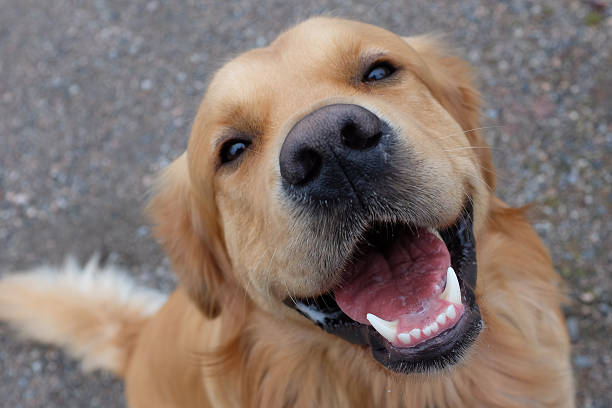
Dog obedience training is often perceived as a process primarily focused on the canine learner. We teach them commands, shape their behaviors, and address their perceived “bad habits.” However, a truly effective and humane training journey reveals a much deeper truth: the most crucial student in the room is often the human at the other end of the leash. Owner self-control, emotional regulation, and a deep understanding of learning theory are paramount to success, especially in navigating and avoiding the insidious “punishment traps” that can derail progress, damage the human-animal bond, and ultimately fail to achieve desired outcomes.
This comprehensive guide delves into the essence of owner self-control, unpacks the pitfalls of punishment, and illuminates the path toward building a joyful, trusting, and genuinely obedient partnership with your dog through ethical and scientifically sound methods.
I. Introduction: The Human Element in Dog Training
The journey of training a dog is an intimate dance between two species, a dialogue largely initiated and guided by the human. While we expect our dogs to learn, adapt, and respond, we often overlook our own role in this dynamic. Our emotions, reactions, patience, and understanding directly influence our dog’s learning experience. When frustration mounts, progress plateaus, or challenges arise, the temptation to resort to quick fixes – often involving some form of punishment – can be incredibly strong. These moments, which we term “punishment traps,” are not just fleeting mistakes but represent a fundamental breakdown in the training philosophy, undermining trust and inhibiting true learning.
The goal of this guide is not to induce guilt but to empower owners with knowledge and strategies. By understanding what punishment truly is, why it often fails, and how to cultivate the self-control necessary to employ positive, effective alternatives, we can transform our training sessions from potential battlegrounds into rewarding opportunities for growth and connection. We aim for an environment where dogs learn not out of fear of consequence, but out of a desire to engage and cooperate, fostering a bond built on mutual respect and understanding.
II. Understanding Punishment: The Scientific and Ethical Landscape
To effectively avoid punishment traps, we must first clearly define what punishment means in the context of animal learning, distinguishing it from popular misconceptions and examining its far-reaching effects.
What is Punishment (Scientifically)?
In behavioral science, “punishment” has a very specific definition, distinct from its everyday usage as a moral judgment or retribution. Scientifically, punishment is any consequence that decreases the likelihood of a behavior being repeated in the future. There are two primary types:
- Positive Punishment (P+): This involves adding something unpleasant or aversive after a behavior occurs, to decrease that behavior.
- Examples: A leash correction (jerk on the leash), a verbal scolding, a shock from an e-collar, a spray from a citronella collar, a physical tap or swat.
- How it works (or doesn’t): The dog associates the unpleasant stimulus with the behavior, ideally leading to a reduction in that behavior.
- Negative Punishment (P-): This involves removing something desirable or pleasant after a behavior occurs, to decrease that behavior.
- Examples: Turning your back and walking away when a dog jumps up for attention (removing attention), taking away a toy when a dog mouths too hard during play (removing the desired object), pausing a game when a dog barks excessively (removing the fun activity).
- How it works: The dog learns that the unwanted behavior makes a valued resource disappear, naturally leading them to try alternative behaviors that maintain access to those resources.
It’s crucial to differentiate punishment from reinforcement, which is any consequence that increases the likelihood of a behavior. Positive reinforcement (adding something desirable, like a treat) and negative reinforcement (removing something undesirable, like pressure on a leash) both aim to increase behavior, albeit through different means. Our focus here, in avoiding punishment traps, is primarily on steering clear of positive punishment and utilizing negative punishment (P-) ethically and sparingly, always in conjunction with robust positive reinforcement.
The Appeal of Punishment (to Owners)
Despite its documented drawbacks, punishment retains a strong appeal for many owners and even some trainers. This appeal often stems from several factors:
- The Illusion of a Quick Fix: Punishment can, in some cases, suppress a behavior very quickly. A sharp verbal correction or leash pop might stop a dog from barking or pulling in that moment. This immediate cessation can feel effective and satisfying to a frustrated owner, creating a false sense of control and progress.
- Frustration and Anger: Training can be challenging. When a dog isn’t responding, or repeats a behavior despite previous interventions, owner frustration can escalate into anger. Punishment often becomes an outlet for this negative emotion, a reactive response rather than a thoughtful training strategy.
- Anthropomorphism and Misconceptions: Humans often project human intentions and understanding onto their dogs. We might believe our dog is “being stubborn,” “dominant,” “defiant,” or “doing it on purpose” to spite us. These interpretations lead to the erroneous belief that the dog “knows better” and therefore deserves to be punished for perceived transgressions. In reality, dogs are simply responding to their environment based on their current learning and motivation.
- Traditional Methods and Misinformation: Historically, dog training leaned heavily on dominance hierarchies and punishment-based techniques. These outdated methods persist in various forms, propagated by certain media, older trainers, or even well-meaning but misinformed friends and family. This contributes to the idea that “being firm” or “showing the dog who’s boss” is necessary.
The Detrimental Effects of Punishment (on Dogs)
While punishment might offer temporary suppression of a behavior, its long-term costs far outweigh any fleeting benefits. The scientific and ethical arguments against the routine use of positive punishment are compelling:
- Fear, Anxiety, and Stress: Punishment often induces fear and anxiety. The dog learns to associate specific actions, environments, or even the owner, with unpleasant consequences. This ongoing stress can lead to chronic anxiety, manifesting as trembling, panting, lip-licking, or avoidance behaviors.
- Suppressed Behaviors, Not Learned Alternatives: Punishment teaches the dog what not to do, but it rarely teaches what to do instead. A dog might stop jumping up, not because it understands that sitting is preferred, but because it fears the ensuing knee-jab. The underlying motivation for jumping (e.g., seeking attention) remains unaddressed.
- Damage to the Human-Animal Bond: When an owner is a source of unpleasant experiences, the dog’s trust erodes. The relationship shifts from partnership to one of avoidance and apprehension. A dog may become less likely to approach, engage, or offer behaviors freely.
- Learned Helplessness: If punishment is frequent, unpredictable, or inescapable, a dog may stop trying altogether, entering a state of learned helplessness. They become passive, unresponsive, and exhibit a generalized lack of motivation, often mistaken for “calmness” or “obedience.”
- Increased Aggression: Punishment can elicit aggressive responses. A dog subjected to physical corrections might lash out in self-defense, either at the punisher or at others. Suppressed fear can also manifest as redirected aggression towards innocent bystanders or objects.
- Generalization Issues: A dog punished for barking at the mail carrier might stop barking when the owner is present, but the underlying anxiety about the mail carrier might persist or generalize to other uniformed individuals. They haven’t learned to be calm, only to suppress the symptom in specific contexts.
- Ethical Considerations: Beyond the scientific drawbacks, there are significant ethical concerns. Causing pain, fear, or discomfort to a sentient being, when effective and humane alternatives exist, is increasingly viewed as an unacceptable training practice.
III. The “Punishment Trap”: Recognizing and Avoiding It
A “punishment trap” is a recurring scenario where an owner, often out of frustration, lack of knowledge, or ingrained habit, resorts to punishment, thereby perpetuating a cycle that hinders true learning and negatively impacts the dog. These traps are insidious because they often provide momentary relief, reinforcing the owner’s use of punishment, even as the dog’s underlying issue remains unresolved or worsens.
What is a Punishment Trap?
It’s a pattern:
- Dog exhibits an unwanted behavior.
- Owner reacts with a punitive measure (P+).
- Behavior temporarily stops or is suppressed.
- Owner feels a sense of control/relief.
- Behavior re-emerges (often with increased intensity or new problems) because the root cause wasn’t addressed.
- Owner punishes again, potentially escalating the intensity.
This cycle teaches the dog to fear the owner or the context, but not how to perform the desired alternative behavior.
Common Scenarios Leading to Traps:
- Lack of Progress/Frustration: The dog isn’t “getting it” fast enough. An owner expects instant results and, when met with typical learning curves, becomes frustrated. This often leads to impatience, harsher tones, or physical corrections.
- Trap: “He knows ‘sit,’ why isn’t he doing it now? Maybe I need to make him understand I’m serious.” (leading to a push on the rump or a sharp “NO!”)
- High-Arousal Situations: These are prime areas for owners to lose control. Leash reactivity, door dashing, excessive barking at visitors – these moments are stressful and can trigger an immediate, reactive punishment from the owner.
- Trap: Dog barks wildly at another dog on a walk. Owner instantly yells, jerks the leash, or even swats. Dog might stop barking for a second but lunges harder next time due to compounded stress.
- “Disobedience” vs. Lack of Understanding: Owners often misinterpret a dog’s inability to perform a behavior as deliberate defiance. The dog might be confused, hasn’t generalized the behavior to a new environment, or simply isn’t physically or mentally capable at that moment.
- Trap: Dog performs “recall” perfectly in the house but doesn’t come in the park. Owner gets angry, chases, and scolds. Dog learns coming when called in the park means punishment.
- “Stubbornness” as a Misconception: Some breeds or individual dogs are labeled “stubborn.” This often means they are not sufficiently motivated by the rewards offered, or they are experiencing stress, anxiety, or confusion that prevents them from engaging. Punishing “stubbornness” only makes them more withdrawn or fearful.
- Trap: Dog refuses a command. Owner thinks, “He’s just being stubborn,” and uses force (e.g., collar pop) to “make” the dog comply.
- Escalation of Minor Issues: Small behaviors like puppy nipping or jumping can, if met with consistent punishment, escalate into genuine fear or aggression. A puppy nipping because it’s teething might be swatted, leading to a fear of hands, or even defensive biting.
- Poor Timing: Punishment is only effective (in its scientific definition) if it occurs immediately during or after the unwanted behavior. Punishing a dog moments or minutes after the fact is completely ineffective and merely frightens or confuses the dog, who cannot connect the punishment to a past action.
- Trap: Owner comes home to a chewed shoe. Scolds dog. Dog associates owner’s return with punishment, not the chewing (which happened hours ago).
- Inadequate Management: Owners who don’t proactively prevent unwanted behaviors often find themselves in situations where punishment becomes their go-to. If a dog constantly counter-surfs because food is left out, punishing them for it is reactive and unfair.
- Trap: Dog continuously jumps on guests because it hasn’t been taught an alternative or managed. Owner resorts to yelling or pushing the dog away each time.
Owner Self-Control: The Antidote
The common thread running through all punishment traps is a lapse in owner self-control. This isn’t about blaming the owner but recognizing that our emotional responses and behavioral tendencies are powerful forces in the training equation. Effective training demands:
- Emotional Regulation: The ability to remain calm, patient, and logical even when frustrated.
- Patience and Persistence: Understanding that learning is a gradual process with ups and downs.
- Objectivity and Critical Thinking: Analyzing the situation from the dog’s perspective, identifying the root cause of behavior, and evaluating the effectiveness of our methods.
- Empathy for the Dog: Recognizing that dogs are always doing the best they can with the information and resources they have.
IV. Foundations of Positive Reinforcement: The Ethical and Effective Alternative
The antidote to punishment traps lies squarely in the principles and practices of positive reinforcement (R+). This method focuses on rewarding desired behaviors, making them more likely to occur, and creating a positive emotional association with learning and with the owner.
Why Positive Reinforcement (R+) Works:
- Builds Motivation and Enthusiasm: Dogs learn that good things happen when they perform certain actions. This makes them eager to participate and try new behaviors.
- Strengthens the Bond: The owner becomes a benevolent giver of good things, a partner in enjoyable activities, rather than a source of fear or discomfort. This fosters trust and security.
- Promotes a Joyful Learning Environment: Training becomes a fun game, a puzzle to solve together, reducing stress and increasing engagement for both dog and owner.
- Teaches What To Do Instead of What Not To Do: R+ helps the dog understand precisely what actions will earn rewards, providing clear guidance rather than vague suppression.
- Sustainable Results: Behaviors learned through R+ are often more resilient and generalize better because they are intrinsically motivating rather than fear-driven.
Key Principles of R+:
- Timing is Everything: The reward must be delivered within 1-3 seconds of the desired behavior. This immediate feedback helps the dog make a clear connection between their action and the positive consequence. A verbal marker (“yes!” or a clicker) can bridge the gap between the behavior and the treat delivery.
- Value of Rewards: Not all rewards are equal. Use high-value treats (e.g., soft, smelly, meaty) for new or difficult behaviors, and lower-value treats (e.g., kibble) for maintenance. Vary rewards to keep the dog engaged (toys, praise, access to exciting things).
- Consistency: Especially in the initial stages of learning, reward the desired behavior every single time it occurs. Once the behavior is well-established, you can transition to intermittent reinforcement to make it more durable.
- Clear Cues: Use distinct and consistent verbal cues or hand signals. Avoid repeating cues or nagging, as this teaches the dog to ignore you until you’re frustrated.
- Small Steps (Shaping): Break down complex behaviors into tiny, achievable steps. Reward approximations of the desired behavior, gradually raising your criteria. For example, to teach “down,” first reward looking at the floor, then lowering the head, then a partial down, until the full behavior is achieved.
- Luring, Capturing, Targeting:
- Luring: Guiding the dog into a position with a treat (e.g., moving a treat over the head to get a “sit”).
- Capturing: Rewarding a behavior that the dog offers spontaneously (e.g., rewarding your dog every time they lie down calmly on their mat).
- Targeting: Teaching the dog to touch a specific object (e.g., your hand) with their nose or paw, which can then be used to guide them into positions or locations.
Ignoring Undesirable Behavior (Extinction) and Redirection:
While positive reinforcement focuses on increasing desired behaviors, what about the unwanted ones?
- Extinction: This involves removing all reinforcement for an unwanted behavior. For example, if a dog jumps for attention, simply turn your back, fold your arms, and ignore them. As soon as all four paws are on the floor, immediately turn back and reward. The behavior will likely get worse before it gets better (an “extinction burst”), but if you persist, the jumping will decrease.
- Redirection: This involves redirecting the dog’s attention or energy to an appropriate alternative behavior. If a puppy is nipping, offer a chew toy. If a dog is barking at squirrels, call their name and reward them for looking at you, then engage them in a game.
- Negative Punishment (P-) as a Tool: As mentioned, P- involves removing something desirable. When used thoughtfully and ethically, P- can be a powerful tool alongside R+. For example, a “no free lunch” policy (the dog must perform a simple task like “sit” for everything they want – food, petting, going out) uses P- by removing access to resources until a desired behavior is offered. It’s crucial that P- is always fair, predictable, and immediately followed by an opportunity to earn the desired item through a positive behavior. It should never be harsh or prolonged deprivation.
V. Developing Owner Self-Control: Practical Strategies
Cultivating owner self-control is an ongoing process that requires conscious effort, self-awareness, and a commitment to ethical training. Here are practical strategies to help you manage your own responses and build a more effective, humane partnership with your dog.
A. Mindset Shift:
- Embrace the Role of Teacher, Not Punisher: Your dog is a learner. Imagine teaching a child calculus – would you punish them for not understanding immediately? No, you’d break it down, try different methods, and celebrate small successes. Adopt the same patience and instructional mindset with your dog. They are not defying you; they are communicating or struggling to understand.
- Adopt a Growth Mindset: For both yourself and your dog. Don’t view setbacks as failures, but as opportunities to learn what isn’t working and try new approaches. Believe in your dog’s capacity to learn and your own ability to teach effectively.
- Practice Empathy: Try to see the world from your dog’s perspective. Why are they performing this behavior? Are they stressed, bored, anxious, confused, seeking attention, or simply following their instincts? Understanding the “why” unlocks the “how to help.”
- Focus on Success, Not Failure: Intentionally seek out and reward all the things your dog does right, however small. The more you focus on what you want, the more likely you are to get it. Celebrate small wins, as they build momentum and positivity.
B. Emotional Regulation Techniques:
- Recognize Your Triggers: What situations or behaviors consistently make you feel frustrated, annoyed, or angry? Is it incessant barking, pulling on the leash, or not responding to a recall? Identify these triggers so you can prepare for them.
- Take a Break – Literally: If you feel your patience wearing thin, stop the training session. Walk away, take a few deep breaths, get a glass of water, or simply step into another room. Give yourself a moment to calm down before you react. A five-minute break can prevent a lifetime of training setbacks.
- Counting to Ten / Deep Breaths: Simple but incredibly effective. When you feel a surge of frustration, pause, take a slow, deep breath, and count to ten. This micro-pause can disrupt the automatic reactive response and allow for a more thoughtful, intentional approach.
- Pre-emptive Planning: Anticipate challenging situations. If you know walking past the dog park is a trigger for your dog, plan an alternative route or have high-value treats and a plan ready to engage your dog before they react.
C. Proactive Training Strategies:
Prevention and proactive teaching are the cornerstones of avoiding punishment traps.
- Set Your Dog Up for Success (Management): This is perhaps the most critical strategy. Management means preventing your dog from practicing unwanted behaviors in the first place.
- Leash Management: Use a well-fitted harness or head halter to manage pulling, not a choke or prong collar for corrections.
- Gates and Crates: Use baby gates to restrict access to certain rooms or a crate to prevent destructive chewing when unsupervised.
- Removing Temptations: Keep food off counters, secure trash cans, put valuable items away. Don’t set your dog up to steal or chew.
- Supervision: Actively supervise your dog, especially when they are young or learning boundaries.
- Why it works: Every time a dog practices an unwanted behavior, it becomes more ingrained. Management breaks this cycle, giving you the opportunity to teach appropriate alternatives.
- Start Simple and Build Gradually (Proofing): Don’t expect your dog to perform perfectly in a highly distracting environment if they haven’t mastered the behavior in a quiet, low-distraction setting.
- Environment: Start training in a quiet room, then move to the backyard, then a quiet park, gradually adding distractions.
- Duration, Distance, Distraction (The 3 Ds): Gradually increase these elements one at a time.
- Generalization: Practice the same behavior in various locations, with different people, and in different situations so your dog understands the command applies universally.
- Teach Alternative Behaviors: Instead of just saying “no,” teach your dog what to do.
- Instead of “Don’t jump,” teach “Sit to greet.” Reward your dog for keeping four paws on the floor when guests arrive.
- Instead of “Don’t bark,” teach “Quiet on cue.” First teach “speak,” then reward for silence after a “quiet” command.
- Instead of “Don’t chew furniture,” teach “Chew this toy.” Provide appropriate chew opportunities and redirect.
- Enrichment and Exercise: A mentally stimulated and physically tired dog is a well-behaved dog. Many “behavior problems” stem from unmet needs.
- Physical Exercise: Regular walks, runs, fetch, or playtime appropriate for your dog’s breed and age.
- Mental Stimulation: Puzzle toys, sniff walks, training sessions, chew toys, interactive games.
- Why it works: Fulfilling your dog’s innate needs (physical activity, mental work, sniffing, chewing) reduces boredom, stress, and excess energy that can manifest as unwanted behaviors.
- Effective Communication:
- Clear Body Language: Be mindful of your own posture, gestures, and facial expressions. Dogs are masters of non-verbal communication.
- Consistent Verbal Cues: Use the same word for the same behavior every time.
- Understand Your Dog’s Signals: Learn to recognize signs of stress (lip-licking, yawning, averted gaze, tail tucked, tension) or confusion in your dog. If they’re showing these, it’s a cue for you to change your approach, not to push harder.
D. Seeking Professional Help:
There’s no shame in admitting you need help. If you’re struggling with a particular behavior, feeling overwhelmed, or consistently falling into punishment traps, consult a qualified professional.
- Certified Professional Dog Trainer (CPDT-KA): Look for trainers who are certified and explicitly state they use positive reinforcement, force-free, or fear-free methods.
- Veterinary Behaviorist (DACVB): For severe behavioral issues (aggression, severe anxiety), a board-certified veterinary behaviorist can provide medical and behavioral interventions.
- Avoid trainers who advocate for dominance theory, “balanced” training (which often includes punishment), or use aversive tools like shock collars, prong collars for corrections, or choke chains. A truly ethical trainer will prioritize your dog’s well-being and strengthen your bond using humane and scientifically sound methods.
VI. Case Studies and Common Scenarios (Brief Examples)
Let’s illustrate how punishment traps manifest and how owner self-control and positive reinforcement provide effective alternatives.
- The Leash Reactivity Trap:
- Problem: Your dog sees another dog on a walk, lunges, barks, and pulls uncontrollably.
- Punishment Trap: You yell “NO!”, yank the leash, possibly even kick, feeling embarrassed and frustrated. The dog momentarily stops, but the next time, the reaction is worse, or they start avoiding walks entirely. The dog learns that other dogs predict pain/fear, and your presence is also scary.
- Owner Self-Control/Positive Alternative:
- Management: Identify the dog’s threshold (distance at which they react). Start walks at a distance where they are comfortable.
- Counter-conditioning & Desensitization: As soon as another dog comes into view at a comfortable distance, immediately start feeding high-value treats. Stop feeding the moment the other dog leaves. Your dog learns that other dogs predict treats (positive association), not fear or punishment.
- Owner Self-Control: Stay calm. Don’t tense up on the leash. Your anxiety feeds your dog’s. Be a source of calm and safety.
- Teach Alternative: Reward for looking at you or a “touch” cue when a trigger appears.
- The Jumping Up Trap:
- Problem: Your dog jumps on you or guests for attention.
- Punishment Trap: You yell “down!”, push the dog off, or knee them. The dog might momentarily stop, but often continues jumping because even negative attention is attention, or they become confused/fearful.
- Owner Self-Control/Positive Alternative:
- Management: Keep the dog on a leash when guests arrive, or behind a baby gate.
- Positive Reinforcement: As soon as their four paws are on the floor, immediately reward (treat, gentle praise). If they jump, silently turn your back, fold your arms, and wait until they have four paws down, then reward.
- Teach Alternative: Practice “sit to greet” regularly, rewarding heavily for staying seated as people approach.
- Owner Self-Control: Be consistent. Don’t reward jumping ever. Don’t engage emotionally when they jump.
- The “Come” Command Trap:
- Problem: Your dog doesn’t come when called, especially at the park.
- Punishment Trap: You chase your dog, grab them, and then scold or punish them for not coming. The dog quickly learns that “come” means being caught and punished, making them less likely to come in the future.
- Owner Self-Control/Positive Alternative:
- Management: Practice recall in safe, enclosed areas first, or use a long line (15-30 ft) to ensure safety and control.
- Positive Reinforcement: Make coming a party! Use a happy, excited voice. Reward with the highest value treats or a favorite toy every single time your dog comes to you, even if they were slow. Never punish when they finally arrive, no matter how long it took.
- Build Value: Randomly call your dog for fun things (a treat, a game, a walk), not just when it’s time to leave the park.
- Owner Self-Control: Resist the urge to chase. If they don’t come, calmly retrieve them with a long line or by moving away to entice them. Never scold.
VII. Conclusion: A Journey of Partnership
The journey of dog training is a profound exploration of communication, empathy, and patience. Shifting away from punishment traps and embracing owner self-control alongside positive reinforcement transforms the entire experience, not just for the dog, but for the human as well.
By committing to understanding learning theory, managing our own emotions, and proactively setting our dogs up for success, we move beyond mere “obedience” to cultivate a deeply trusting and joyful partnership. We become our dogs’ most reliable teachers and safest advocates. The struggles and frustrations will still arise, as they do in any relationship, but with the tools of self-control and positive reinforcement, we can navigate these challenges with grace, foster genuine understanding, and build a bond that is truly resilient, respectful, and rewarding. This isn’t just about training a dog; it’s about becoming a better, more compassionate, and more effective human companion.
#DogTraining #PositiveReinforcement #ForceFree #HumaneTraining #OwnerSelfControl #DogObedience #NoPunishment #EthicalDogTraining #HappyDogHappyLife #TrainWithLove #CanineBehavior #DogPsychology #FearFreeTraining #DogParenting #PuppyTrainingTips #LeashReactivity #RecallMagic #StopThePunishment #DogTrainerTips #PositiveDogTraining #BuildTheBond #DogLife #SmartDogTrainer #PatienceIsKey #DogGrams







Add comment