
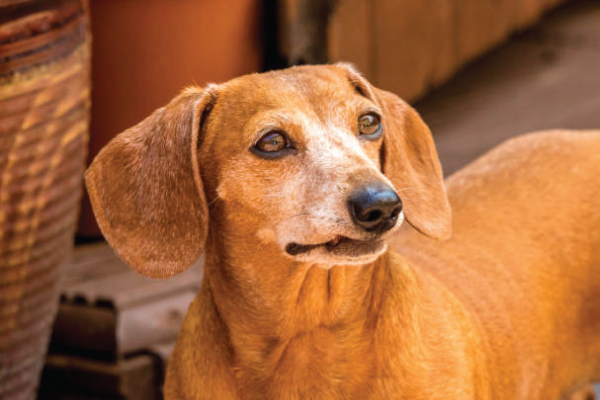
Bathing an older dog requires a delicate touch, immense patience, and a keen awareness of their changing physical and emotional needs. What was once a simple task can become a challenge if not approached with care. This comprehensive guide will walk you through everything you need to know to make senior dog bathing a safe, comfortable, and even enjoyable experience for your cherished companion.
Senior Dog Bathing: Special Considerations for Older Pups
Introduction: Why Senior Dogs Need Special Bathing Care
As dogs age, their bodies undergo significant changes. They may develop arthritis, skin sensitivities, cognitive decline, vision or hearing loss, and a general decrease in mobility and resilience. These changes directly impact how they experience a bath. A slippery tub, cold water, loud noises, or prolonged standing can cause pain, fear, or anxiety. Our goal is to transform what could be a stressful event into a gentle, supportive, and bonding experience.
I. Understanding the Unique Needs of Senior Dogs
Before you even think about the water, it’s crucial to understand why senior dogs require special considerations:
- Arthritis and Joint Pain:
- Challenge: Slippery surfaces, standing for long periods, lifting, and awkward positions can exacerbate joint pain in hips, knees, and spine.
- Impact: Fear of falling, reluctance to move, increased pain post-bath.
- Thinning and Sensitive Skin:
- Challenge: Older skin is often thinner, drier, and more prone to irritation, hot spots, lumps/bumps (lipomas, warts), and slower to heal.
- Impact: Harsh shampoos, vigorous scrubbing, or incomplete rinsing can cause itching, rashes, or infections.
- Cognitive Decline (Canine Cognitive Dysfunction – CCD):
- Challenge: Confusion, increased anxiety, disorientation, changes in routine tolerance, and reduced patience.
- Impact: May resist the bath, become stressed, forget previous positive experiences, or show fear where none existed before.
- Impaired Vision and Hearing:
- Challenge: Difficulty navigating, startling easily, inability to understand verbal cues, and increased anxiety in unfamiliar situations.
- Impact: May bump into things, get spooked by water sounds, or become disoriented.
- Reduced Mobility and Balance:
- Challenge: Weakness in legs, difficulty standing unassisted, problems with getting in/out of tubs, and a higher risk of falling.
- Impact: Injury risk, fear, and exhaustion.
- Temperature Regulation Issues:
- Challenge: Older dogs may struggle to maintain body temperature, getting cold more easily and taking longer to dry.
- Impact: Chilling, discomfort, and increased risk of illness.
- Anxiety and Stress:
- Challenge: Any of the above, combined with changes in routine or environment, can significantly increase anxiety.
- Impact: Resistance, shaking, panting, destructive behavior, or aggression.
- Urinary/Fecal Incontinence:
- Challenge: More frequent need for cleaning, but often with sensitive skin and mobility issues.
- Impact: Requires gentle, targeted cleaning, often more frequently than full baths.
II. When and How Often to Bathe a Senior Dog
Frequency: Generally, less often than their younger counterparts.
- As Needed: Only bathe when truly necessary. For senior dogs, this might be every 4-8 weeks, or even longer, depending on their coat type, lifestyle, and skin condition.
- Targeted Cleaning: Prioritize spot cleaning (paws, bottom, areas that get soiled) over full baths whenever possible. Use pet wipes or a damp cloth for quick clean-ups.
- Veterinary Advice: If your dog has specific skin conditions (e.g., allergies, infections), your vet may recommend a specific bathing schedule and medicated shampoo.
III. Preparation is Key: Before the Bath
Thorough preparation is paramount to a stress-free experience.
- Gather ALL Supplies: Have everything within arm’s reach before you start.
- Non-slip Mat: Essential for the tub/shower.
- Gentle Shampoo & Conditioner: Hypoallergenic, moisturizing, senior-specific (pH-balanced).
- Soft Washcloths/Sponges: For gentle cleaning of face and delicate areas.
- Plenty of Warm Towels: At least 2-3, including one large, super-absorbent one.
- Cup or Handheld Sprayer: For gentle rinsing, avoiding a direct shower stream to the face.
- Cotton Balls: To protect ears from water.
- Grooming Brush/Comb: To brush out mats before the bath.
- High-Value Treats: For positive reinforcement.
- Ramp or Steps (Optional but Recommended): If your dog struggles to get into the tub.
- Hair Dryer (Optional): Set to low heat/cool, low speed.
- Eye Lubricant (Optional): If your dog has dry eyes or is prone to irritation.
- Create a Calm Environment:
- Quiet Space: Choose a time when the house is quiet, free from distractions (other pets, loud children, doorbells).
- Warm Room: Ensure the bathroom or bathing area is comfortably warm to prevent chilling. Close windows/doors.
- Relaxing Atmosphere: Speak in a soft, calm voice. Play gentle, soothing music if your dog responds well to it.
- Pre-Bath Grooming:
- Brush Thoroughly: Remove any mats or tangles before bathing. Water can tighten mats, making them painful to remove.
- Nail Trim (if comfortable): Shorter nails provide better traction on slippery surfaces.
- Express Anal Glands (if necessary and trained): If your vet recommends or you’re trained, do this prior to the bath.
- Protect Sensitive Areas:
- Cotton Balls in Ears: Gently place cotton balls in your dog’s ears to prevent water from entering, which can lead to ear infections. Be sure to remove them after the bath.
- Eye Lubricant: A drop of vet-approved eye lubricant can protect their eyes from shampoo irritation.
IV. The Bathing Process: Gentle & Efficient
The goal is to be as quick, gentle, and supportive as possible.
- Gentle Entry:
- Ramp/Steps: Use a ramp or steps if your dog struggles to get into the tub.
- Lift with Support: If lifting, support their body fully, especially under the chest and hindquarters. Avoid lifting by legs or neck.
- Non-Slip Mat: Ensure the non-slip mat is securely in place before they step in.
- Treats: Lure them in with treats as they enter the tub.
- Water Temperature & Setup:
- Lukewarm Water: Test the water temperature with your wrist – it should be comfortably warm, not hot or cold. Fill the tub with a few inches of water before your dog gets in if they dislike the sound of running water.
- Shallow Water: Only fill the tub enough to reach their hocks, providing stability and reducing overwhelming sensations.
- Wetting the Coat:
- Slow & Steady: Use a handheld sprayer on a low setting or a cup to slowly and gently wet their coat, starting from their back and working down their sides.
- Avoid Face & Ears: Do not spray water directly at their face or into their ears. Use a damp washcloth for their face.
- Constant Reassurance: Speak calmly and offer praise throughout the process.
- Shampooing:
- Dilute Shampoo: For sensitive skin, you can dilute the shampoo slightly with water.
- Gentle Application: Apply shampoo, starting from the neck down, massaging gently into the coat. Avoid vigorous scrubbing, especially on bony areas or where lumps/bumps are present.
- Check Skin: Use this opportunity to gently check their skin for any new lumps, bumps, or irritations.
- Face Cleaning: Use a damp washcloth with a tiny bit of diluted shampoo (or just water) to gently wipe around their eyes, muzzle, and forehead. Be extra careful here.
- Rinsing – The Most Important Step!
- Thoroughness: Rinse, rinse, rinse! Shampoo residue can cause skin irritation, itching, and flaking.
- Warm Water: Use a continuous stream of lukewarm water until no suds are visible and the water runs clear.
- Run Fingers Through Coat: As you rinse, run your fingers through their coat to ensure all shampoo is removed, especially in longer-haired breeds.
- Support: Keep supporting your dog if they seem unsteady.
- Conditioning (Optional, but Recommended for Dry Skin/Coat):
- Senior-Specific Conditioner: Apply a gentle, moisturizing conditioner.
- Follow Directions: Leave on for the recommended time, then rinse thoroughly.
V. After the Bath: Drying & Post-Care
Preventing chilling and ensuring comfort is crucial.
- Immediate Towel Dry:
- Wrap Immediately: As soon as they are out of the water, wrap them in a large, warm, absorbent towel.
- Pat, Don’t Rub: Gently pat and squeeze the water out of their coat. Vigorous rubbing can irritate skin, create tangles, and aggravate joints.
- Multiple Towels: Have a second dry towel ready to replace the first soiled one.
- Blow Drying (Use Caution):
- Low Heat/Cool Setting: Only use a dryer on the lowest heat setting or cool air.
- Low Speed: Use the lowest fan speed.
- Keep Distance: Hold the dryer at least 12-18 inches away from their skin and keep it moving constantly to avoid hot spots.
- Slow Introduction: If your dog is not used to a dryer, introduce it slowly, starting with just the fan noise, then gradually bringing it closer. Watch for signs of stress (panting, trying to escape). If they become stressed, revert to towel drying.
- Focus on Problem Areas: Pay extra attention to areas prone to matting or moisture, like the armpits, groin, and paw pads.
- Keep Warm:
- Cozy Spot: After the bath, ensure your dog is in a warm, draft-free room until completely dry.
- Blanket/Bed: Provide a soft, warm bed with blankets where they can curl up and continue to dry.
- Post-Bath Check & Rewards:
- Ear Check: Gently remove the cotton balls from their ears. Do a quick visual check for redness or excessive moisture.
- Treats & Praise: Offer their favorite high-value treats and lots of verbal praise for being a good sport.
- Rest: Allow them to rest and relax after the ordeal.
VI. Addressing Specific Challenges & When to Seek Professional Help
A. If Your Senior Dog is Terrified of Baths:
- Desensitization: Gradually introduce aspects of the bath (e.g., just the non-slip mat, then standing in the dry tub with treats, then wet paws, etc.).
- Positive Reinforcement: Pair every step with high-value treats and praise.
- Professional Groomer: Consider a groomer experienced with senior dogs. They often have specialized equipment (walk-in tubs, hydraulic tables) and techniques to reduce stress.
- Veterinary Consultation: If anxiety is extreme, talk to your vet about anti-anxiety medications or calming supplements.
B. For Severe Mobility Issues:
- Professional Groomer: This is often the safest option.
- Walk-in Shower/Portable Tub: If you have a walk-in shower or can use a smaller, portable tub on a raised surface (ensure stability!).
- Sponge Baths/Waterless Shampoo: Embrace alternatives more frequently.
C. Skin Issues (Lumps, Bumps, Dryness):
- Vet Consultation: Always have any new or changing lumps checked by your vet.
- Hypoallergenic Products: Stick to vet-recommended or ultra-gentle, fragrance-free shampoos.
- Avoid Rubbing: Gently pat around lumps.
- Moisturizing Conditioner: Use a good quality moisturizing conditioner.
D. Accidents During the Bath:
- Stay Calm: Don’t scold your dog.
- Quick Clean-up: Gently clean the area. This is common with anxious or cognitively impaired seniors.
E. When to Call the Vet/Stop Bathing at Home:
- Extreme Stress/Aggression: If your dog becomes overly stressed, aggressive, or panics.
- New Lumps/Skin Changes: Discovering concerning skin issues during the bath.
- Difficulty Breathing: Any signs of respiratory distress.
- Severe Post-Bath Pain/Limping: If their mobility significantly worsens after a bath.
- Repeated Ear Infections: Despite using cotton balls.
- Inability to Stand: If they can no longer stand safely, even with assistance.
VII. Alternatives to Traditional Bathing
- Waterless Shampoo/Foam: Excellent for quick clean-ups and maintaining freshness between baths.
- Pet Wipes: Perfect for cleaning paws, face, and rear end.
- Targeted Baths: Only bathe the dirty parts (e.g., just the bottom if they’ve had an accident).
- Professional Groomers specializing in Seniors: They have the equipment, expertise, and patience to handle older dogs safely and comfortably. Inquire about their senior dog services.
Conclusion
Bathing a senior dog is an act of love and patience. By understanding their unique needs, preparing thoroughly, and approaching the process with gentleness and reassurance, you can ensure their comfort, maintain their hygiene, and strengthen your bond. Remember, their well-being is paramount, and adapting your methods to their changing abilities is the greatest gift you can give your aging companion. If ever in doubt, always consult your veterinarian or a professional groomer experienced with senior pets.
===============================
#SeniorDog, #DogBathing, #OlderDogs, #PetCare, #DogGrooming, #SeniorPetCare, #AgingDogs, #GentleGrooming, #SpecialNeedsDogs, #CanineWellness





Add comment