
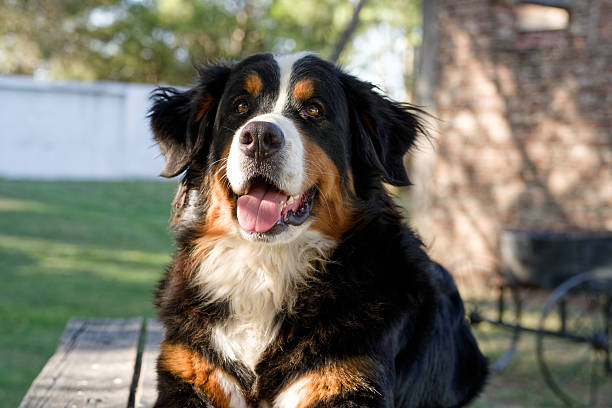
I. Introduction: Embracing the Golden Years of Canine Companionship
The wagging tail, the soulful eyes, the unconditional love – these are the hallmarks of our canine companions. As they mature, transitioning from energetic puppies to dignified seniors, their presence in our lives becomes even more profound. A senior dog, generally considered to be seven years or older for most breeds (though this varies greatly by breed size), brings with them a lifetime of memories, a settled temperament, and often, a quiet wisdom. However, these golden years also usher in a period of change, both physical and cognitive, that necessitates an adaptive approach to their care, including their training.
The notion that “you can’t teach an old dog new tricks” is not only a myth but a disservice to our aging companions. While their pace might slow, their senses dull, and their joints ache, senior dogs are still capable of learning, enjoying mental stimulation, and benefiting immensely from continued engagement. Gentle obedience programs for senior dogs are not about imposing strict rules or correcting long-standing misbehaviors with harsh methods. Instead, they are about enhancing quality of life, fostering a sense of security, managing age-related changes, and preserving the precious bond we share. This guide aims to empower dog owners with the knowledge and tools to provide a fulfilling, comfortable, and mentally stimulating environment for their aging dogs through compassionate training.
II. Understanding the Aging Dog: Physical and Cognitive Changes
Before embarking on any training program, it is crucial to understand the underlying changes that naturally occur as dogs age. These changes dictate the modified approach we must take in our training methods, environment, and expectations.
A. Physical Changes:
Aging affects every system in a dog’s body, much like it does in humans. Recognizing these changes is the first step toward tailoring an effective and humane training plan.
- Arthritis and Joint Pain: This is perhaps the most common age-related physical ailment. Degenerative joint disease can cause stiffness, pain, and reduced mobility. What was once an easy “down” might now be excruciating.
- Impact on Training: Avoid high-impact activities. Modify positions (e.g., a “stand-stay” instead of a “down-stay” if lying down is painful). Ensure soft surfaces for training.
- Muscle Atrophy and Weakness: As activity levels decrease and metabolism changes, dogs can lose muscle mass, especially in their hindquarters, leading to instability and weakness.
- Impact on Training: Short, frequent sessions are key. Incorporate gentle exercises that build or maintain muscle without overexertion.
- Vision and Hearing Loss: Dogs can experience a gradual decline in their senses. Cataracts, glaucoma, and degenerative retinal diseases can impair vision, while nerve degeneration can affect hearing.
- Impact on Training: Rely more on touch cues, scent, and hand signals (for hearing loss) or verbal cues (for vision loss). Ensure a safe, familiar training environment.
- Dental Issues: Periodontal disease is rampant in older dogs, leading to pain, infection, and difficulty chewing.
- Impact on Training: Choose soft, palatable, high-value treats that are easy to eat. Regular dental care is vital.
- Organ Function Decline: Kidneys, liver, and heart function can decrease. This can lead to increased thirst, urination, fatigue, and other health issues.
- Impact on Training: Recognize that fatigue may set in quickly. Plan frequent potty breaks. Shorten sessions.
- Slower Reflexes and Reduced Stamina: Older dogs simply move more slowly and tire more easily. Their reaction time to cues may be delayed.
- Impact on Training: Be patient. Allow more time for responses. Keep sessions brief and end on a positive note before fatigue sets in.
B. Cognitive Changes (Canine Cognitive Dysfunction – CCD):
Often likened to Alzheimer’s in humans, Canine Cognitive Dysfunction (CCD), or “doggy dementia,” affects a significant percentage of senior dogs. Symptoms can range from mild disorientation to severe behavioral changes.
- Disorientation and Confusion: Dogs may stare blankly at walls, get “stuck” in corners, or seem lost in familiar environments.
- Impact on Training: Maintain a consistent routine and environment. Keep training simple and focused.
- Changes in Social Interaction: They might become more withdrawn, less interested in play, or, conversely, more clingy or irritable.
- Impact on Training: Respect their boundaries. Adjust training to suit their mood. Avoid forced interactions.
- Sleep-Wake Cycle Disturbances: Nocturnal restlessness, increased daytime napping, and barking at night are common.
- Impact on Training: Schedule training during their natural awake and alert periods. Provide a comfortable, quiet sleeping area.
- House-Soiling Accidents: Even previously well-trained dogs may start having accidents indoors due to loss of control, forgetting housetraining, or simply not remembering how to signal.
- Impact on Training: Revisit housetraining basics with increased frequency of outings. Rule out medical causes first.
- Anxiety and Increased Vocalization: Sudden fears, separation anxiety, or increased barking/whining without an obvious trigger.
- Impact on Training: Focus on calming exercises. Create a safe space. Consult a vet for potential anxiety medication.
C. Impact on Training:
These physical and cognitive changes collectively demand a fundamental shift in our approach to obedience training. It moves from being about “what the dog should do” to “what the dog can do comfortably and happily.” The goal is no longer perfection but rather engagement, comfort, and the preservation of a positive relationship.
III. Core Principles of Gentle Obedience for Seniors
The bedrock of any successful training program for senior dogs lies in a set of core principles that prioritize their well-being and adapt to their evolving needs.
- Patience and Empathy: The Cornerstone: This cannot be overstressed. Your senior dog is not being stubborn; they are likely experiencing physical discomfort, sensory limitations, or cognitive confusion. Approach every session with boundless patience and empathy for their struggles.
- Positive Reinforcement: This method is even more critical for seniors. Aversive techniques, corrections, or harsh verbal reprimands can cause pain, fear, anxiety, and shut down learning. Focus exclusively on rewarding desired behaviors with high-value treats, gentle praise, soft petting (if they enjoy it), or favorite toys. The goal is to make every interaction positive and rewarding.
- Short, Frequent Sessions: An older dog’s attention span and stamina are considerably reduced. Instead of one long 15-minute session, aim for three to five 2-5 minute sessions spread throughout the day. This prevents fatigue, maintains engagement, and improves retention. Always end on a positive note, even if it means doing something very easy they already know.
- Comfort and Safety First:
- Environment: Choose quiet, familiar, low-distraction spaces. Ensure non-slip surfaces (rugs, yoga mats) to prevent falls and reduce anxiety, especially for dogs with arthritis or vision loss.
- Temperature: Be mindful of temperature extremes, as older dogs regulate body temperature less efficiently.
- Accessibility: Use ramps for cars or beds/couches if jumping is difficult or painful. Provide orthopedic beds for comfortable rest.
- Consistency, but Flexibility: Daily routines are extremely beneficial for senior dogs, especially those with CCD, as they provide predictability and reduce anxiety. However, be flexible. If your dog is having a “bad day” (more pain, more confused), scale back or skip training. Listen to their cues.
- Celebrating Small Victories: Lower your expectations for speed, precision, and endurance. A slow “sit” is a wonderful “sit.” A few steps of loose-leash walking are a huge success. Celebrate effort and progress, no matter how minor.
- Veterinary Consultation: Before starting any new exercise or training program, always consult your veterinarian. They can rule out underlying medical conditions, recommend pain management if needed, and advise on appropriate activity levels based on your dog’s overall health. This is non-negotiable.
IV. Adapting Training Environments and Equipment
The physical space and tools you use for training need to be reevaluated for your senior dog’s comfort and safety.
- Non-Slip Surfaces: This is paramount. Hardwood, tile, or laminate floors can be incredibly challenging and even dangerous for arthritic or weak-legged seniors. Provide runners, yoga mats, or area rugs wherever your dog walks, especially in training areas.
- Accessibility Aids:
- Ramps: For cars, beds, or couches, ramps are invaluable. Teach your dog to use them patiently with treats.
- Orthopedic Beds: These provide crucial support for aching joints. Place them in quiet, accessible areas where your dog can feel secure.
- Quiet, Low-Distraction Spaces: Loud noises, busy environments, or too many new stimuli can overwhelm older dogs, especially those with sensory deficits or CCD. Choose a quiet room in your home or a calm, familiar outdoor space.
- Gentle Gear:
- Harnesses over Collars: A well-fitting, comfortable harness (e.g., Y-front) distributes pressure more evenly across the chest, away from the throat and neck, which can be sensitive or painful. Avoid harsh choke or prong collars entirely.
- Comfortable Leashes: A lightweight, comfortable leash is sufficient. Retractable leashes are generally not recommended for any dog, but especially not for seniors due to the risk of sudden jerks and falls.
- Lighting and Sound Adjustments:
- For Vision Loss: Ensure good lighting in training areas and minimize clutter. Avoid moving furniture frequently. Use scent markers for important locations (bed, water bowl).
- For Hearing Loss: Use visual cues (hand signals) predominantly. Get their attention by gently touching them. Consider a vibrating collar (used for attention, not correction) if necessary for recall in outdoor settings.
V. Gentle Obedience Programs: Foundation and Maintenance
This section outlines specific training exercises, broken down into categories, focusing on either reaffirming basic obedience, enhancing daily life skills, or providing mental enrichment.
A. Reaffirming Basic Cues (The Essentials):
These are the foundational behaviors that enhance safety, communication, and daily living. The emphasis is on gentle execution and comfort.
- “Sit” & “Stay”:
- Method: Lure with a treat, moving it from their nose over their head, causing their rear to lower. Mark (e.g., “yes!” or a clicker) and reward immediately.
- Adaptations for Seniors: If sitting is painful, practice a “stand-stay” or a modified “sit” where their rear just briefly touches the ground. Use soft padding under them. Keep “stay” durations very short initially (a few seconds) and gradually build, always rewarding for holding the position.
- Purpose: Calms, provides control in domestic settings, and is a prerequisite for cooperative care.
- “Down”:
- Method: Lure down from a “sit” or “stand” by moving a treat slowly towards the floor and away from them. Reward generously when they’re down.
- Adaptations for Seniors: This can be particularly challenging for dogs with significant hip or elbow pain. Always train “down” on a soft, padded surface (dog bed, carpet, mat). If lying all the way down is too painful, accept a “bow” or a partial “down” as success. The goal is comfort, not strict form.
- Purpose: Settling, relaxation, easier for examinations if comfortable.
- “Come” (Recall):
- Method: Start in a small, enclosed, distraction-free space. Make yourself exciting! Call their name and “Come!” in a happy voice. Crouch down, open your arms, and offer a high-value treat as they approach.
- Adaptations for Seniors: Crucial for safety, especially if vision or hearing is impaired. Use a long line in safe, enclosed outdoor areas initially. If hearing is lost, use a vibrating collar (paired with the treat and joyful approach, for attention, not correction) or a bright, clear hand signal (e.g., two hands clapping gently). Always make coming to you the most rewarding thing ever.
- Purpose: Safety, ability to call them away from potential hazards, checking in.
- “Loose Leash Walking”:
- Method: Reward your dog for keeping a loose leash. If they pull, stop walking until the leash loosens, then start again.
- Adaptations for Seniors: Focus on short, gentle strolls. The goal is not distance or speed, but pleasant, comfortable sniffing and movement. Use a comfortable harness for support, not a collar. Be aware of slippery surfaces, stairs, and extreme weather. Allow plenty of sniffing, as this is great mental enrichment for them.
- Purpose: Controlled outings for exercise, potty breaks, and exploration without putting strain on their body or yours.
- “Leave It” & “Drop It”:
- Method (“Leave It”): Place a low-value treat on the floor. Cover it with your hand. When your dog looks at you (even for a split second), mark and reward with a higher-value treat from your other hand. Gradually increase duration and distance.
- Method (“Drop It”): Offer a less interesting toy. When they take it, present a high-value treat. As they open their mouth to take the treat, say “Drop It.” When the toy falls, give the treat.
- Adaptations for Seniors: Still vital for safety, protecting them from ingesting harmful items. Be patient with response times.
- Purpose: Prevents scavenging potentially dangerous items, allows for safe recovery of objects.
B. Life Skills for Comfort and Care:
These programs are designed to make routine care, which becomes more frequent with age, a positive and stress-free experience for both dog and owner.
- Cooperative Care: This teaches the dog to willingly participate in procedures like vet exams, grooming, and medication administration.
- Muzzle Training (Positive Association): Even if your dog has never shown aggression, an emergency muzzle can be useful. Pair the muzzle with high-value treats and gradually increase the duration of wear until they willingly “put their nose in.”
- Handling for Examinations: Practice touching paws, ears, opening mouth, lifting tail. Pair each touch with a treat. Start with short touches and gradually extend. This makes vet visits less stressful.
- Pill Administration: Practice “fake pilling” with tiny, tasty treats. Place the treat gently in their mouth and praise.
- Brushing & Nail Trims: Use soft brushes. Introduce nail clippers or grinders gradually, pairing their presence with treats. Trim only one or two nails at a time if stressed.
- Purpose: Reduces stress for necessary medical and grooming procedures, making them easier and safer for everyone involved.
- Potty Training Refreshers: Accidents can arise from loss of bladder/bowel control, forgetting cues, or simply not being able to hold it as long.
- Increased Frequency of Outings: Take your senior dog out much more often – every 2-3 hours, first thing in the morning, last thing at night, after meals/naps.
- Clear Communication Cues: If your dog used to signal, reinforce that and respond immediately. If they don’t, teach a new “potty signal” (e.g., ringing a bell, nudging your hand) by pairing it with immediate outdoor access.
- Management Tools: While not a solution, doggy diapers or belly bands can help manage accidents indoors, protecting furniture and reducing stress from cleanup, especially overnight or when unattended briefly.
- Purpose: Maintains hygiene, reduces stress over accidents, preserves dignity.
- Managing Sundowning/Anxiety: “Sundowning” refers to increased confusion, anxiety, restlessness, or vocalization in the evening or night.
- Calming Cues: Teach a “settle” or “relax” cue by rewarding your dog for lying down calmly.
- Consistent Routine: Provide a predictable daily schedule for meals, potty breaks, walks, and rest.
- Comfort Items: Offer a warm, comfortable bed, a favorite blanket, or a calming scent (e.g., lavender for some dogs).
- Vet Consultation: Discuss with your vet. Medication or supplements may be appropriate for severe anxiety or CCD.
- Purpose: Improves comfort, reduces stress, enhances sleep quality for both dog and owner.
C. Mental Enrichment and Cognitive Stimulation:
Keeping an aging mind active is crucial for overall well-being and can help slow cognitive decline. Choose low-impact activities.
- Scent Work/Nose Games: This is ideal for seniors, as it’s physically undemanding but highly engaging mentally. It also works well for dogs with vision or hearing loss.
- “Find It” Games: Hide high-value treats in various safe, easy-to-reach locations around a room. Encourage your dog to “find it!” Start easy and gradually increase difficulty.
- Scent Puzzles: Use empty cardboard boxes or toilet paper rolls to create simple puzzles where treats are hidden.
- Purpose: Engages their primary sense, builds confidence, provides mental stimulation without physical strain.
- Puzzle Toys: Food-dispensing toys that require gentle manipulation (nosing, batting) to release treats.
- Types: Kongs (stuffed with wet food, frozen), slow-feeder bowls, simple snuffle mats (if not too frustrating).
- Purpose: Keeps them occupied, encourages problem-solving, makes mealtime more engaging.
- Gentle Trick Training: Simple, low-impact tricks can be fun and rewarding.
- “Paw” or “Shake”: Requires minimal movement. Lure their paw into your hand and reward.
- “Touch”: Teach them to touch their nose to your hand.
- “Bow”: If comfortable, can be a gentle stretch. Lure into a play bow.
- Name Recognition Games: Ask them to identify different family members by name, or even toys, by rewarding correct choices.
- Purpose: Builds confidence, strengthens the human-animal bond, provides gentle mental exercise.
- Novelty in Routine: Small, safe changes can keep things interesting.
- Take a slightly different route on a familiar walk (if mobility allows).
- Offer new, safe textures or scents to explore in the home (e.g., a pile of clean laundry to sniff).
- Purpose: Prevents boredom and enriches their environment.
VI. Addressing Common Behavioral Challenges in Senior Dogs
Aging can sometimes bring about new or exacerbated behavioral issues. It’s vital to address these with understanding and a proactive approach, always ruling out medical causes first.
- House Soiling: As discussed, this is often medical. Once vet-checked, focus on increased potty breaks, consistent routines, and cleaning enzymatic cleaners to remove odor. Avoid punishment, which only creates fear.
- Separation Anxiety (New Onset): An older dog who was fine alone may develop anxiety due to sensory loss (feeling more vulnerable), CCD (confusion when alone), or increased dependence.
- Management: Re-establish a safe routine. Provide a comfortable “den” area. Use calming music/white noise. Practice short absences, gradually increasing duration.
- Vet Consult: Discuss anti-anxiety medication if severe.
- Increased Barking/Vocalization: Can stem from pain, disorientation (CCD), hearing loss (they bark louder because they can’t hear themselves), or anxiety.
- Action: Full vet check, especially for pain and hearing. If CCD is suspected, focus on routine and calming strategies. Consult a veterinary behaviorist if persistent.
- Disorientation/Wandering: Getting “stuck” in corners, pacing aimlessly, especially at night.
- Safety Proofing: Block off dangerous areas (stairs, tight spaces). Keep furniture placement consistent.
- Routine: Maintain a strict daily routine to provide structure.
- GPS Trackers: Consider a GPS tracker on their collar for outdoor safety if they tend to wander.
- Inter-dog Aggression (New Onset): An older dog might become less tolerant of other pets, especially younger, boisterous ones, due to pain, irritability, or simply wanting more space.
- Management: Provide separate resting areas. Supervise interactions closely. Interrupt potential conflicts early. Use baby gates or crates to create safe spaces.
- Vet Check: Rule out pain as a trigger.
- Professional Help: Consult a certified dog trainer or veterinary behaviorist for complex cases.
VII. The Role of the Human Companion
Your role as an owner of a senior dog shifts; you become a primary caregiver, advocate, and source of comfort.
- Patience and Understanding: Release expectations of their younger self. Embrace who they are now.
- Observation Skills: Become attuned to subtle changes in behavior, appetite, mobility, or demeanor. These can be early indicators of pain or illness.
- Advocacy: Be their voice at the vet. Don’t dismiss symptoms as “just old age.” Advocate for their comfort and quality of life.
- Self-Care: Caring for a senior dog can be emotionally and physically demanding. Allow yourself breaks, seek support from friends or family, and acknowledge the emotional toll.
- Cherishing Every Moment: Focus on the joy they still bring. Each gentle nudge, slow walk, and quiet cuddle becomes infinitely precious. Prioritize their comfort and happiness.
VIII. When to Seek Professional Help
While this guide offers comprehensive advice, there are times when professional intervention is necessary and beneficial.
- Veterinarian (Always First): For any new behavioral issue, change in appetite, mobility, or elimination, a veterinary check-up is the absolute first step. Many behavioral problems in seniors are rooted in medical conditions.
- Certified Professional Dog Trainer (CPDT-KA, KPA-CTP, etc.): Seek trainers specializing in force-free, positive reinforcement methods, preferably with experience in senior dog behavior. They can help implement the gentle obedience programs outlined here, troubleshoot specific training challenges, and offer personalized advice.
- Veterinary Behaviorist (ACVB – American College of Veterinary Behaviorists): For complex or severe behavioral issues that don’t respond to general training, or when medication (in conjunction with behavior modification) is required, a veterinary behaviorist is the highest level of expertise. They are veterinarians with specialized training in animal behavior.
IX. Conclusion: A Legacy of Love and Learning
Caring for a senior dog is a profound journey, filled with both unique challenges and immeasurable rewards. Gentle obedience programs are far more than just “training”; they are an act of deep love and commitment. By understanding the changes your aging companion experiences, adapting your environment and methods, and approaching every interaction with patience and positive reinforcement, you can significantly enhance their quality of life.
These dedicated efforts ensure that your senior dog remains engaged, comfortable, and cherished, reinforcing the incredible bond you share. Every slow “sit,” every gentle sniff on a walk, every quiet moment of connection becomes a testament to a lifetime of loyalty and affection. Through continued learning and compassionate companionship, you provide your aging friend with the dignity, comfort, and joy they so richly deserve in their golden years, creating a lasting legacy of love and mutual respect.
#SeniorDogTraining, #GentleObedience, #AgingDogs, #DogTrainingTips, #PositiveReinforcement, #CanineCognitiveDysfunction, #OldDogsNewTricks, #DogHealth, #SeniorDogLife, #DogWellness, #FearFreeTraining, #DogCare, #PetParents, #DogLove, #GoldenYearsDog, #DogBehavior, #SpecialNeedsDog, #DogTips, #HappySeniorDog, #LoveMySeniorDog, #DogEnrichment, #TrainingForSeniors, #PetWellness, #DogMom, #DogDad, #SeniorDogAwareness, #SeniorDogCare, #GentleDogTraining, #DogMobility, #ComfortCarePets






Add comment