
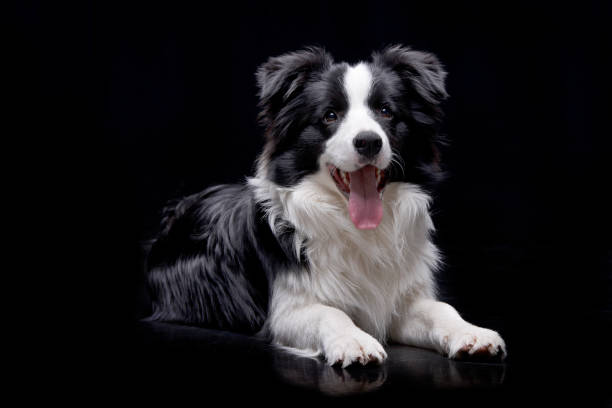
As our canine companions age, or due to genetic predispositions or illness, many may face the challenge of progressive or sudden vision loss. While a loss of sight can be a significant adjustment, it doesn’t mean their lives have to be diminished. In fact, with thoughtful and creative sensory enrichment, we can help our visually impaired dogs thrive, maintaining their mental stimulation, physical activity, and overall quality of life. This guide will delve into the crucial aspects of sensory enrichment, offering practical strategies and insights to support your visually impaired canine companion.
Understanding the Impact of Vision Loss
Vision loss in dogs can manifest in various ways, from gradual dimming and difficulty in low light to complete blindness. The primary impact is the loss of visual cues about their environment. This can lead to:
- Increased Anxiety and Confusion: Unfamiliar sounds, smells, or sudden movements can be more startling and disorienting without the ability to visually process them.
- Reduced Exploration: Dogs often rely on sight to investigate new objects or areas, which can become a hesitant or avoided behavior.
- Decreased Physical Activity: Without clear visual cues for pathways or obstacles, dogs may be less inclined to run, play fetch, or engage in outdoor adventures.
- Potential for Social Withdrawal: They might become less confident interacting with other dogs or even people if they can’t visually interpret social cues.
- Altered Routine: Familiar routines might become challenging if visual cues associated with them are gone.
The Power of Sensory Enrichment
Sensory enrichment is about stimulating your dog’s remaining senses to compensate for the loss of vision. By focusing on hearing, smell, taste, and touch, you can create a richer, more engaging, and less stressful world for your visually impaired companion. This not only keeps their minds sharp but also strengthens your bond and ensures their well-being.
I. Auditory Enrichment: Tuning Into Their World
Hearing becomes paramount for a visually impaired dog. Their auditory perception can become incredibly refined, picking up on subtle sounds that sighted dogs might ignore.
- Familiar and Comforting Sounds:
- Your Voice: Speak to your dog frequently in a calm, reassuring tone. Narrate your actions, especially when introducing new environments or objects. Use their name often.
- Specific Sounds for Activities: Associate certain sounds with specific activities. For example, the jingle of their leash for walks, the crinkle of a treat bag for rewards, or their food bowl for mealtime.
- Calming Music: Gentle, classical music or specially designed “dog relaxation” music can help reduce anxiety, especially during thunderstorms or fireworks.
- Stimulating Sounds:
- Interactive Toys: Squeaky toys (choose ones with moderate, not overly shrill sounds), crinkle balls, and toys with internal bells can be engaging. Be mindful of the volume and frequency of sounds to avoid overstimulation.
- Nature Sounds: Playing recordings of nature sounds (birds chirping, gentle rain) can be calming and stimulating.
- Puzzle Toys with Sound Elements: Some puzzle feeders make noise when operated, providing an auditory reward.
- Managing Overstimulation:
- Introduce Sounds Gradually: Don’t bombard your dog with a cacophony of noise. Introduce new sounds slowly and observe their reaction.
- Control Volume: Avoid excessively loud or jarring sounds.
- Provide Quiet Zones: Ensure your dog has access to a quiet, safe space where they can retreat from excessive noise.
II. Olfactory Enrichment: Unleashing Their Inner Detective
Smell is a dog’s superpower. For visually impaired dogs, their sense of smell becomes an even more vital tool for navigating, identifying, and understanding their surroundings.
- Scent Games:
- “Find It” with Treats: This is a classic and highly effective game. Start easy by hiding a treat in plain sight or just under a blanket. Gradually increase the difficulty by hiding treats in different rooms, under furniture, or inside puzzle toys.
- Scent Trails: Create a simple scent trail with treats leading to a reward. You can use a favorite blanket or toy that carries their scent as the starting point.
- Introduce New Smells: Safely introduce your dog to new, non-toxic scents. This could include:
- Herbs: A small sprig of fresh rosemary, mint, or basil (in moderation, ensuring they won’t ingest it).
- Spices: A tiny amount of cinnamon or a small piece of unsweetened dried fruit.
- Natural Materials: Pinecones, fallen leaves, or a small piece of bark from a safe tree.
- Scent-Based Toys:
- Snuffle Mats: These mats have fabric strips where you can hide kibble or treats, encouraging your dog to use their nose to forage.
- KONGs Filled with Smelly Goodies: Stuff KONGs with their kibble mixed with a little wet food, peanut butter, or yogurt. Freezing them makes them last longer and adds a further challenge.
- Puzzle Feeders: Many puzzle feeders require dogs to push, pull, or manipulate them to release food, engaging their problem-solving skills and rewarding them with scent and taste.
- Environmental Scenting:
- Regular Walks in Nature: Allow your dog ample time to sniff and explore on walks. Different locations offer a constantly changing tapestry of scents.
- Rotate Toys: Don’t leave all toys out all the time. Rotate them to keep things novel and exciting.
- Introduce Different Textures: Allow them to feel different textures with their paws and noses when appropriate (e.g., grass, sand, soft carpet).
III. Tactile Enrichment: Feeling Their Way Through Life
Touch provides crucial information about the environment, the texture of objects, and the presence of others.
- Variety of Textures:
- Foraging Surfaces: Use different surfaces for scent games, such as soft rugs, cool tile, grass, or a shallow bed of dried beans (if your dog doesn’t ingest them).
- Interactive Mats: KONG Wobblers, treat balls, and snuffle mats provide varied textures for interaction.
- Comforting Beds: Provide soft, cozy beds in different locations around the house so your dog can choose where to rest.
- Gentle Grooming and Massage:
- Regular Brushing: This not only keeps their coat healthy but also provides a soothing and familiar tactile experience. Pay attention to areas they enjoy being petted.
- Gentle Massage: Learn some basic canine massage techniques. Focus on areas like their back, shoulders, and legs. This can be incredibly relaxing and help them feel more connected to you.
- Paw Massages: Gently massaging their paws can help them become more comfortable with being touched there and can also be a discreet way to check for any issues.
- Interactive Play with Tactile Elements:
- Soft Toys: Plush toys can be comforting and fun to carry around.
- Rope Toys: Tug-of-war can be a great way to engage them, and the rope provides a satisfying texture.
- Balls with Different Textures: Some balls have raised patterns or are made of different rubber compounds for varied tactile feedback.
IV. Gustatory Enrichment: The Joy of Taste
Taste is a powerful motivator and can be used to create positive associations and provide rewarding experiences.
- High-Value Treats:
- Variety is Key: Offer a range of small, healthy, and delicious treats. This could include small pieces of cooked chicken, cheese, apple slices, or commercially available training treats.
- Puzzle Toy Fillers: As mentioned, using tasty treats to fill puzzle toys is a fantastic way to combine gustatory and problem-solving enrichment.
- Taste-Based Games:
- “Lick Mats”: Spread a thin layer of pet-safe yogurt, peanut butter, or pureed pumpkin on a lick mat. Licking is a self-soothing activity and the taste provides positive reinforcement.
- “Taste Tests” (with caution): Offer tiny amounts of safe, new foods (e.g., a small piece of blueberry, a sliver of cooked carrot) to broaden their palate and provide novel taste experiences. Always research if a food is safe for dogs before offering it.
- Hydration Enrichment:
- Flavored Water (occasionally): You can add a tiny bit of unseasoned chicken broth or a few drops of 100% fruit juice (like cranberry or apple) to their water bowl for a novel taste experience. Ensure they still drink plain water as their primary hydration.
V. Environmental Modifications and Safety
While sensory enrichment is vital, ensuring your dog’s safety and comfort in their altered visual landscape is paramount.
- Maintain a Consistent Environment: Avoid moving furniture or rearranging rooms frequently. If you must move something, let your dog investigate it gradually.
- Clear Pathways: Ensure there are no tripping hazards. Keep floors clear of clutter, cords, and toys.
- Safe Boundaries: Use baby gates or visual barriers to block off areas that are not dog-friendly or could be dangerous (e.g., stairs).
- “Scent Marking” Your Home: You can strategically place very subtle scents (like a diluted essential oil – ensure it’s dog-safe and used sparingly) to help your dog orient themselves. For instance, by the back door for potty breaks.
- Gradual Introductions to New Places: When introducing your dog to new environments, keep them on a secure leash and allow them to sniff and explore at their own pace. Narrate your actions and reassure them.
- Inform Visitors: Let friends and family know your dog has vision loss so they can approach them calmly and avoid startling them.
VI. Social Enrichment and Your Bond
Maintaining social connections and strengthening your bond is crucial for a visually impaired dog’s emotional well-being.
- One-on-One Time: Dedicate extra time for gentle petting, massage, and quiet activities with your dog.
- Controlled Social Interactions: If your dog was previously social, continue with controlled introductions to familiar, well-behaved dogs. Keep interactions short and positive. Observe their body language closely for signs of stress.
- Training with Positive Reinforcement: Continue with basic obedience training. This provides mental stimulation and reinforces commands that can aid their navigation (e.g., “wait,” “gentle,” “find me”). Use voice cues and hand signals that are still perceivable to them.
- Leash Manners: Good leash manners are even more important when visual cues are limited. Work on keeping them from pulling and staying close to you.
VII. When to Seek Professional Help
- Veterinary Ophthalmologist: If your dog is experiencing sudden vision loss or you suspect an underlying medical condition, consult your veterinarian. They can diagnose the cause and recommend treatment options.
- Veterinary Behaviorist or Certified Professional Dog Trainer (CPDT-KA/SA): If your dog is exhibiting significant anxiety, fear-based behaviors, or aggression due to their vision loss, a professional can provide tailored strategies and support.
Conclusion
Vision loss in dogs is a challenge, but it can also be an opportunity to deepen your understanding and connection with your canine companion. By embracing sensory enrichment, you empower your visually impaired dog to continue living a full, stimulating, and happy life. Your patience, creativity, and love will be their greatest guides as they navigate their world through an enhanced tapestry of sound, scent, touch, and taste. Witnessing their continued joy and confidence will be the most rewarding outcome of all.






Add comment